

 English
 русский
 Español
 Português
 عربى
عربى
 Türk
Türk







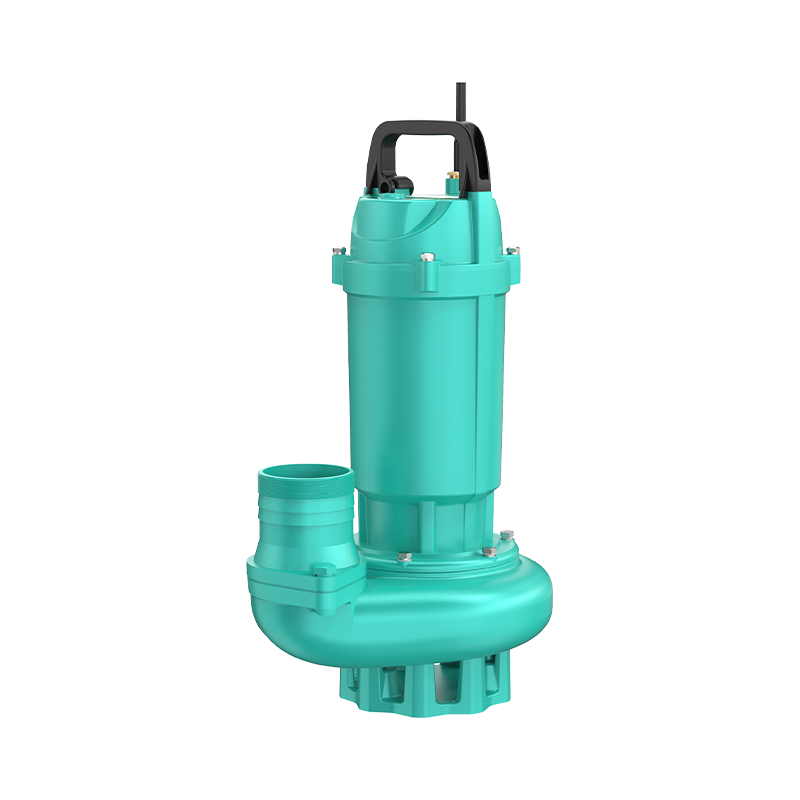

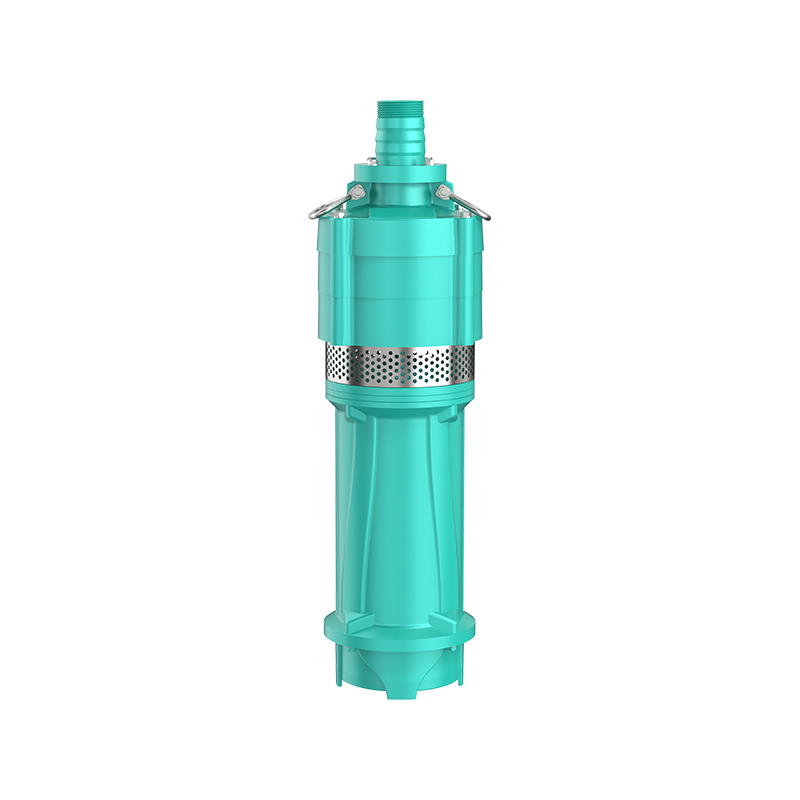
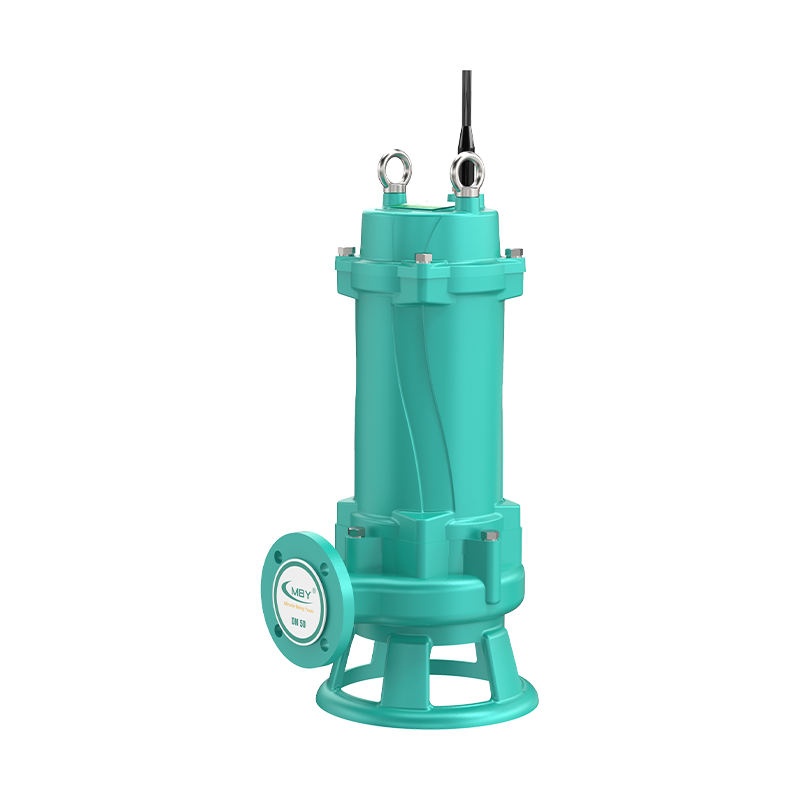
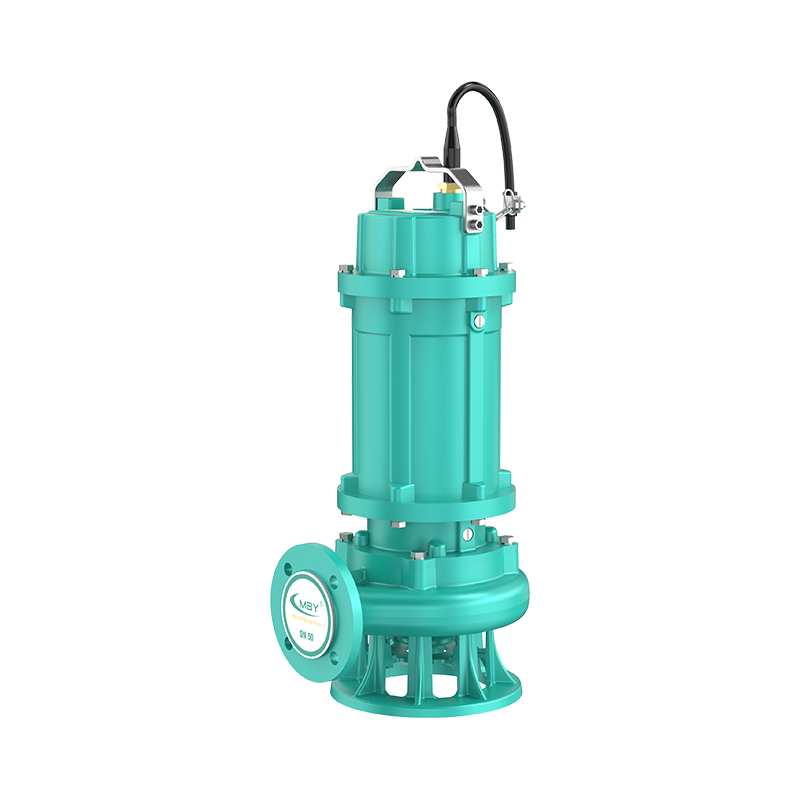
+86 18395326713
information to be updated
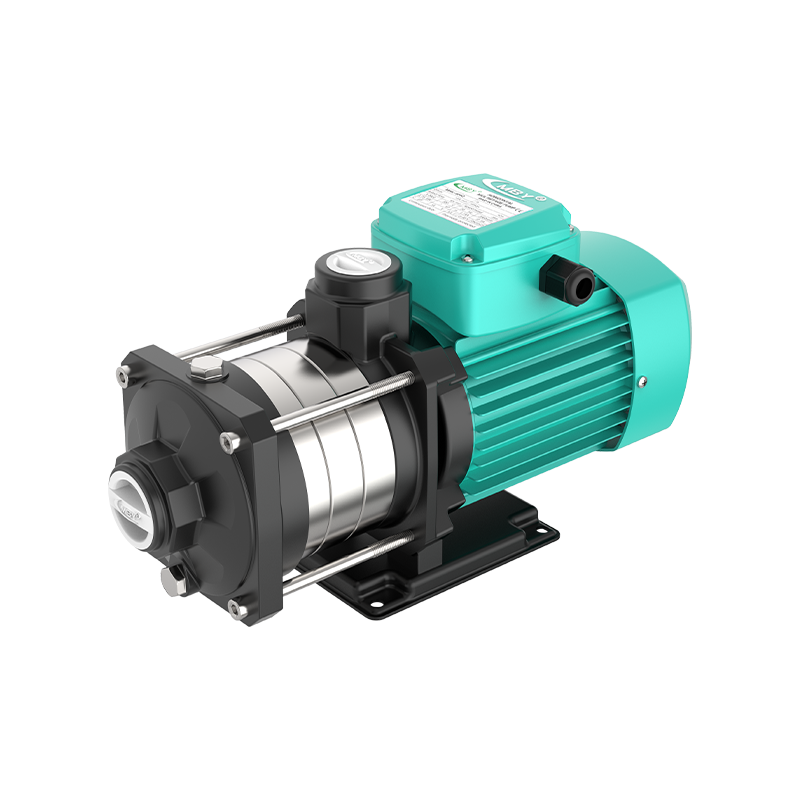
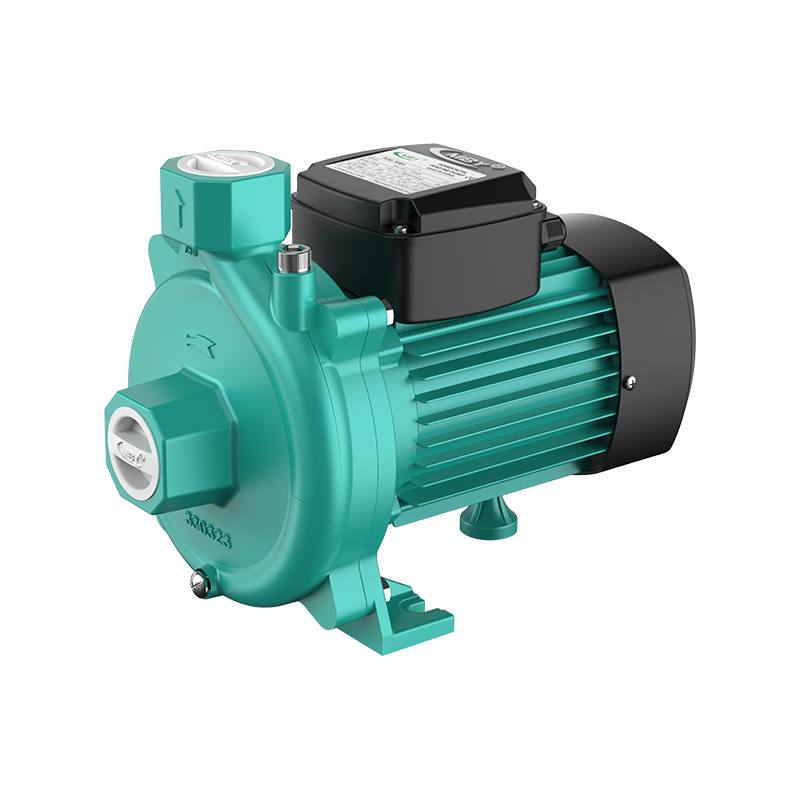
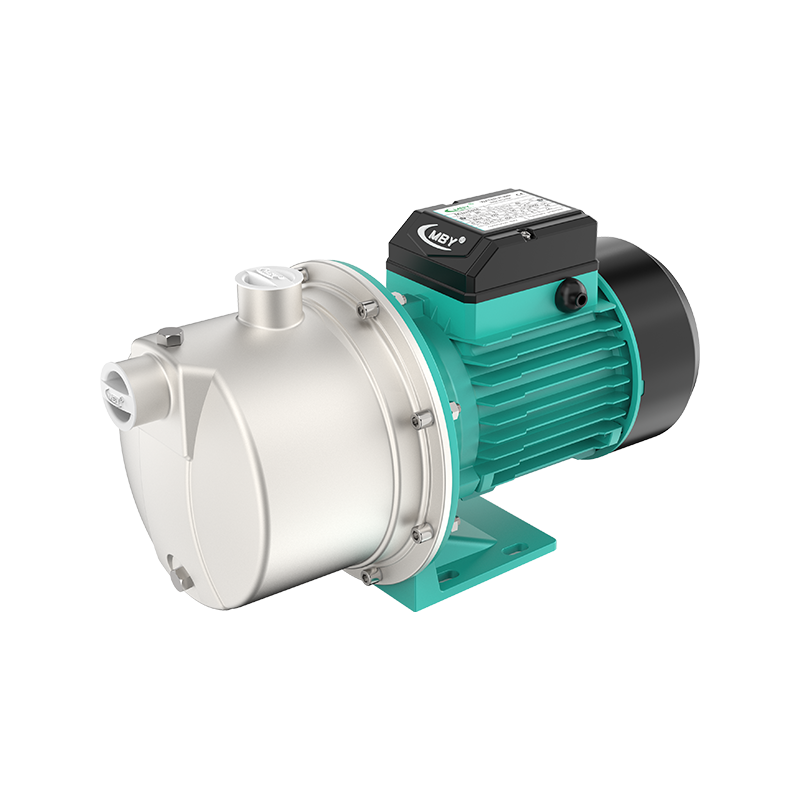
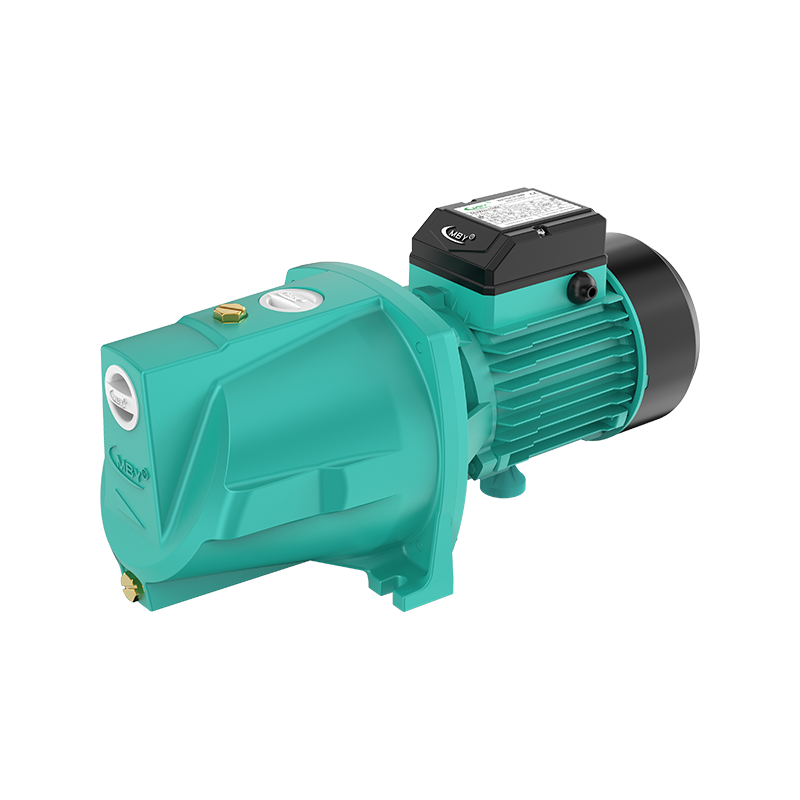
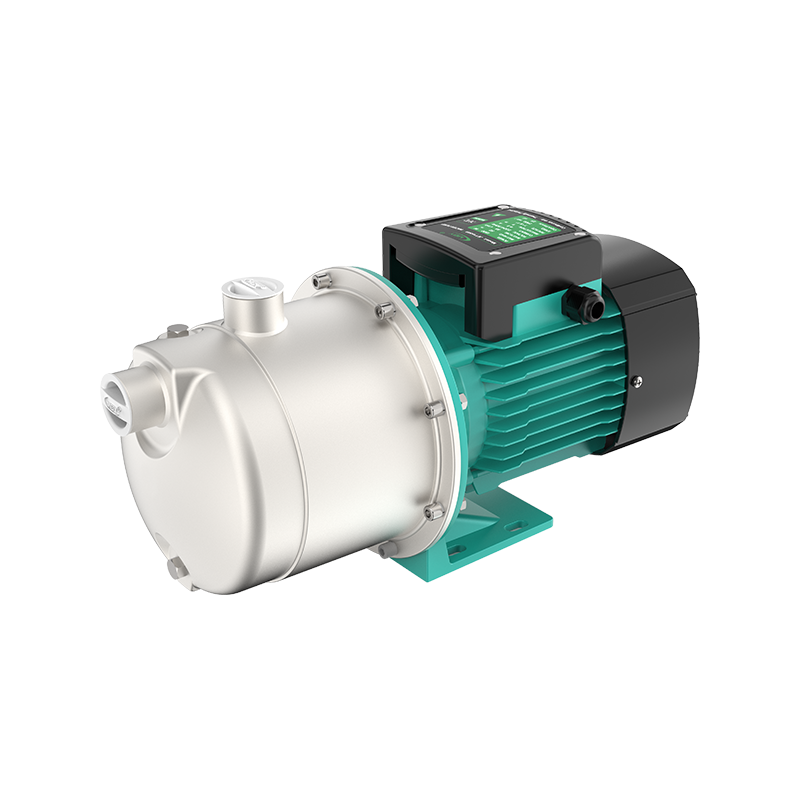
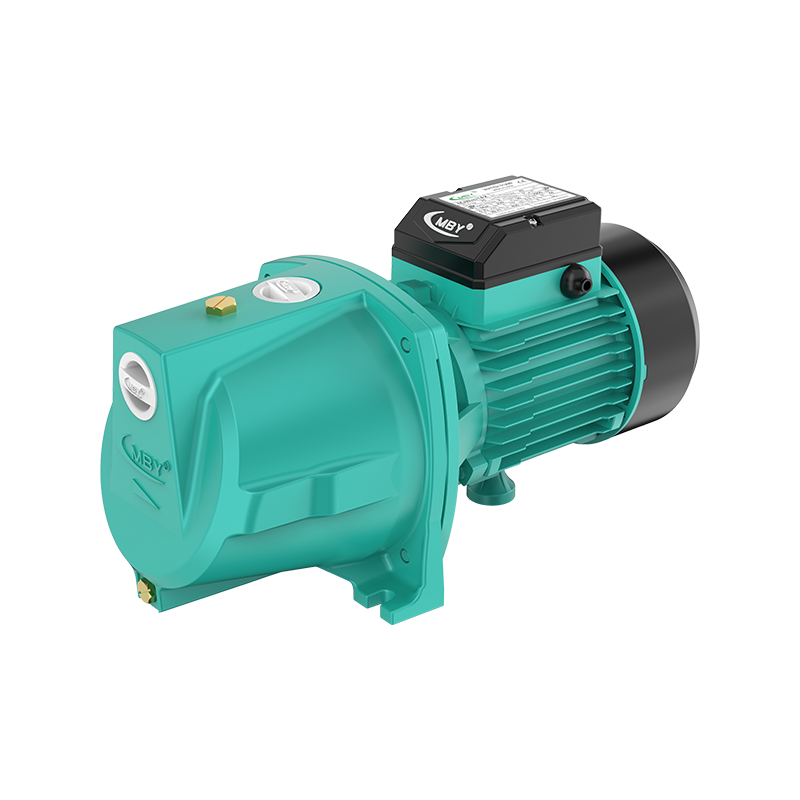
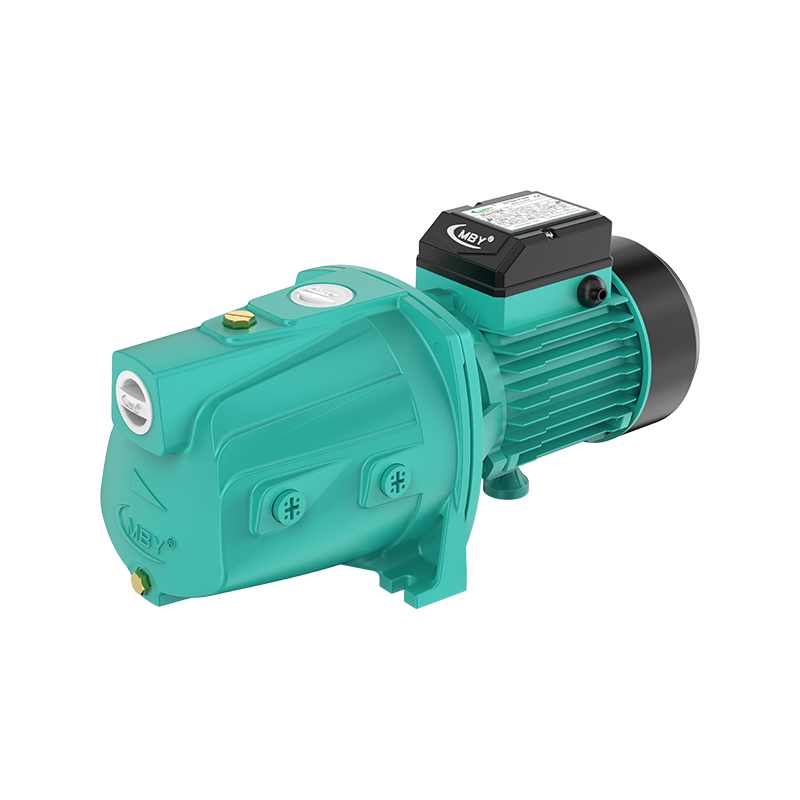
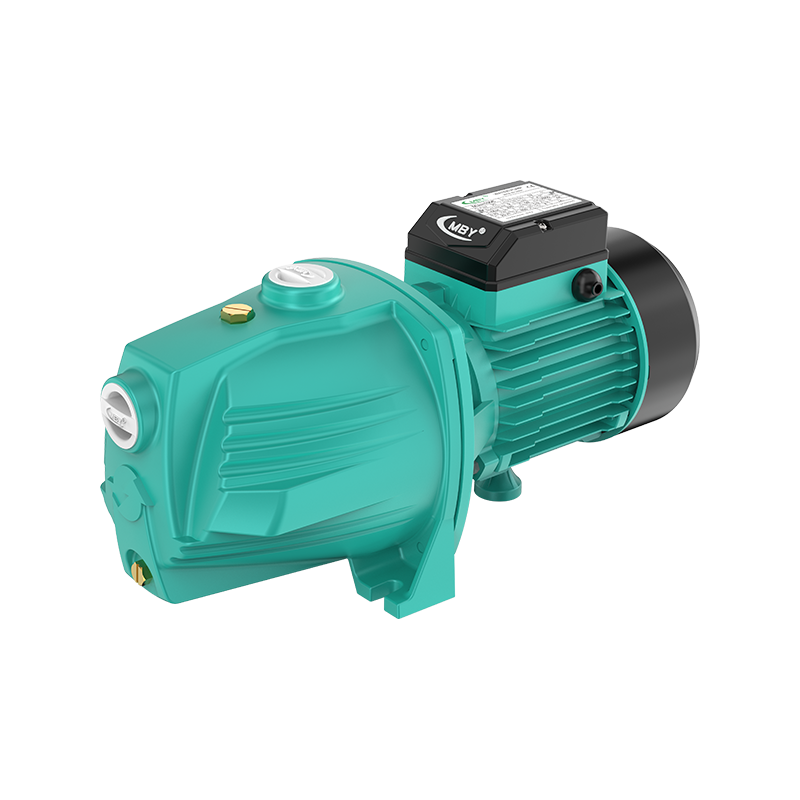
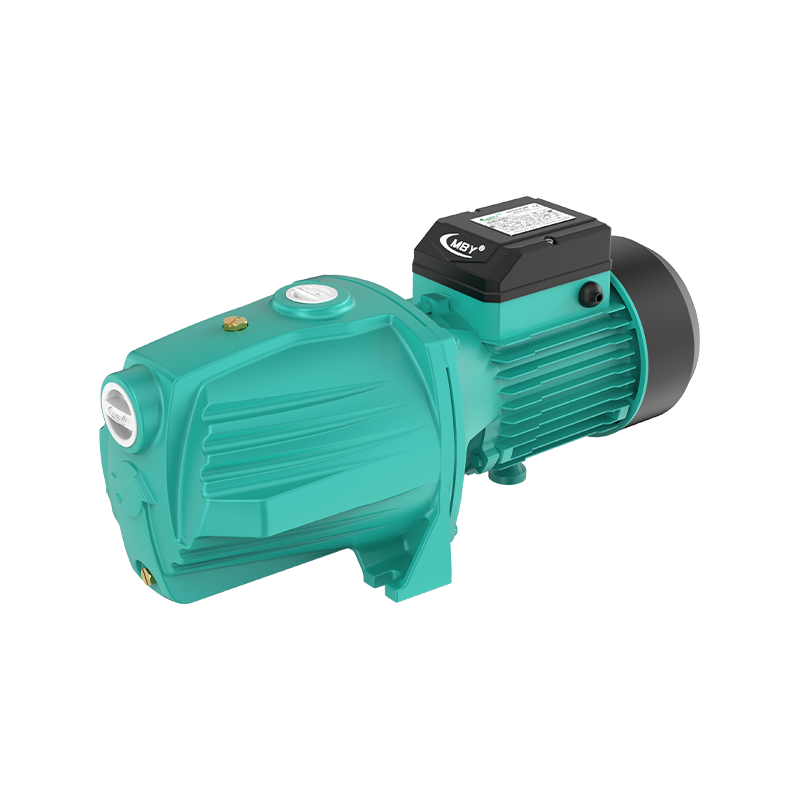
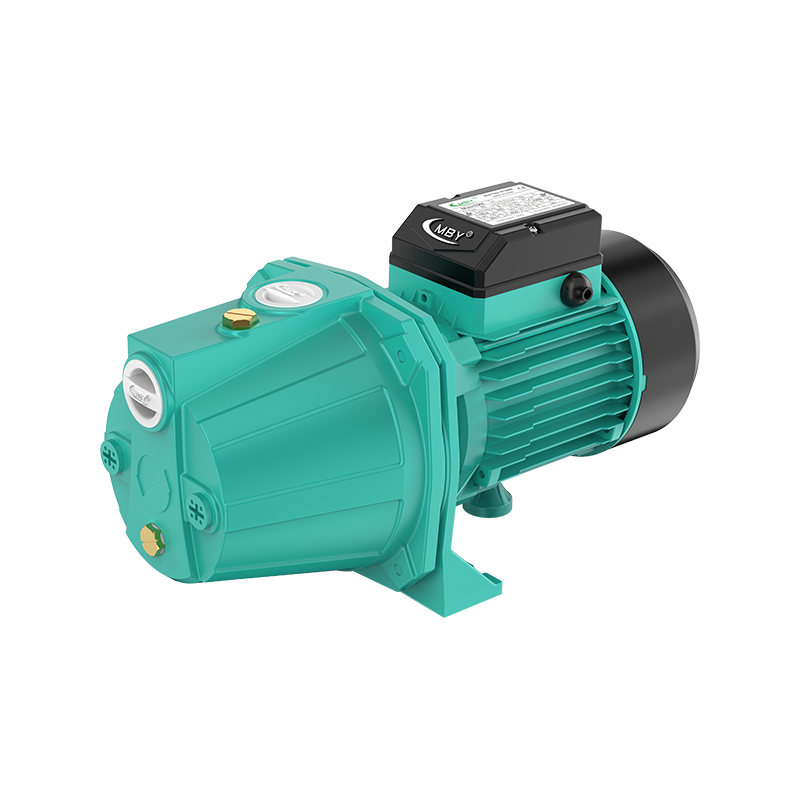
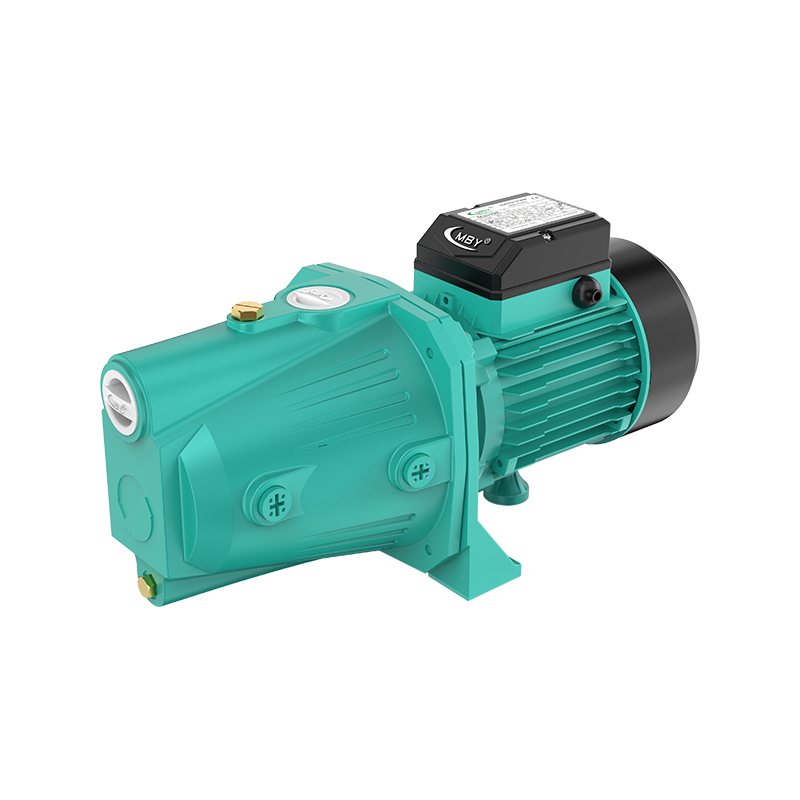
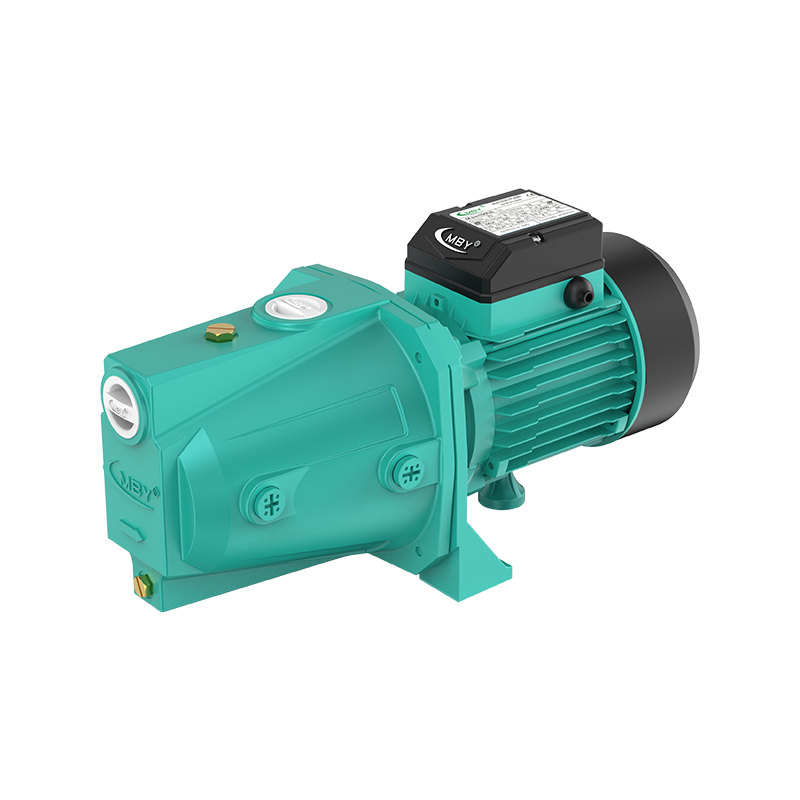
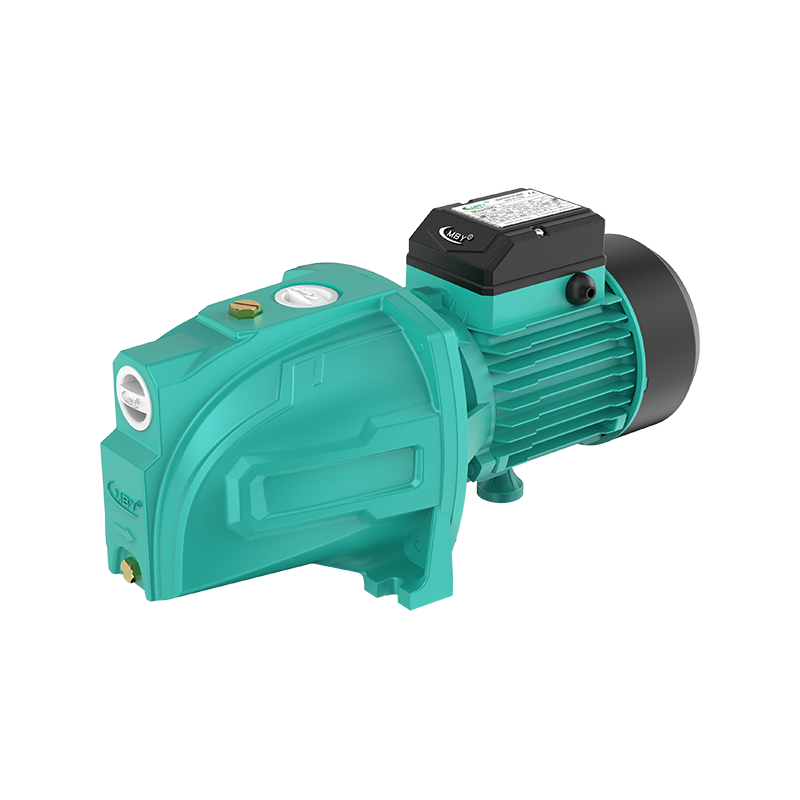
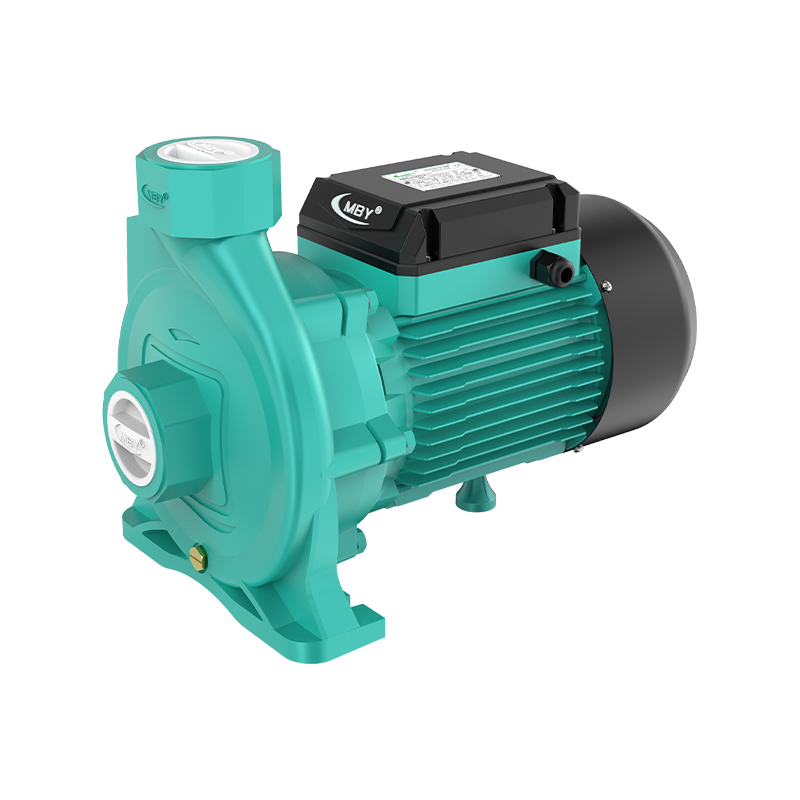
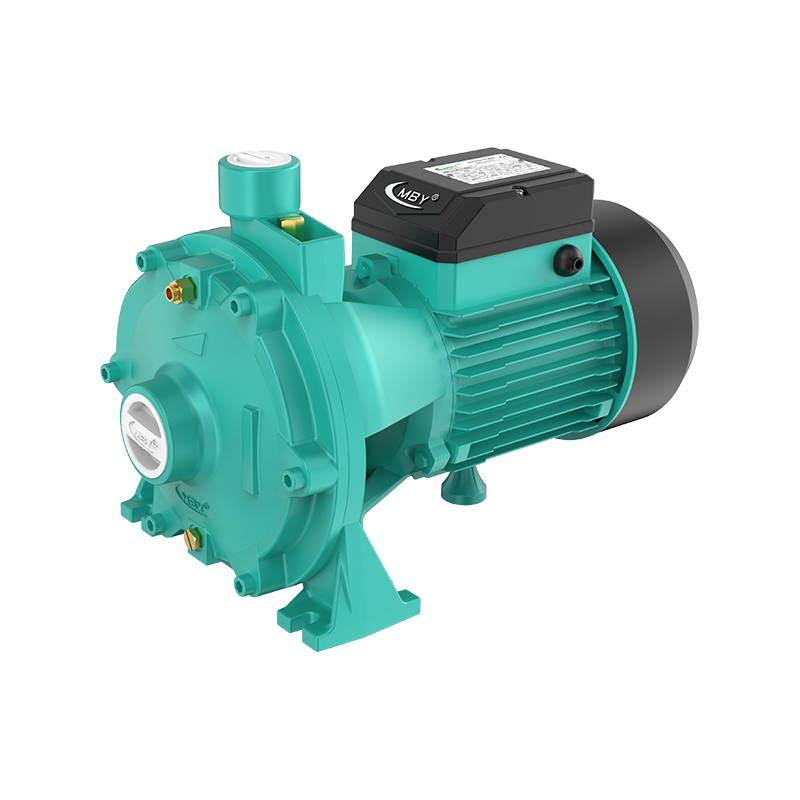
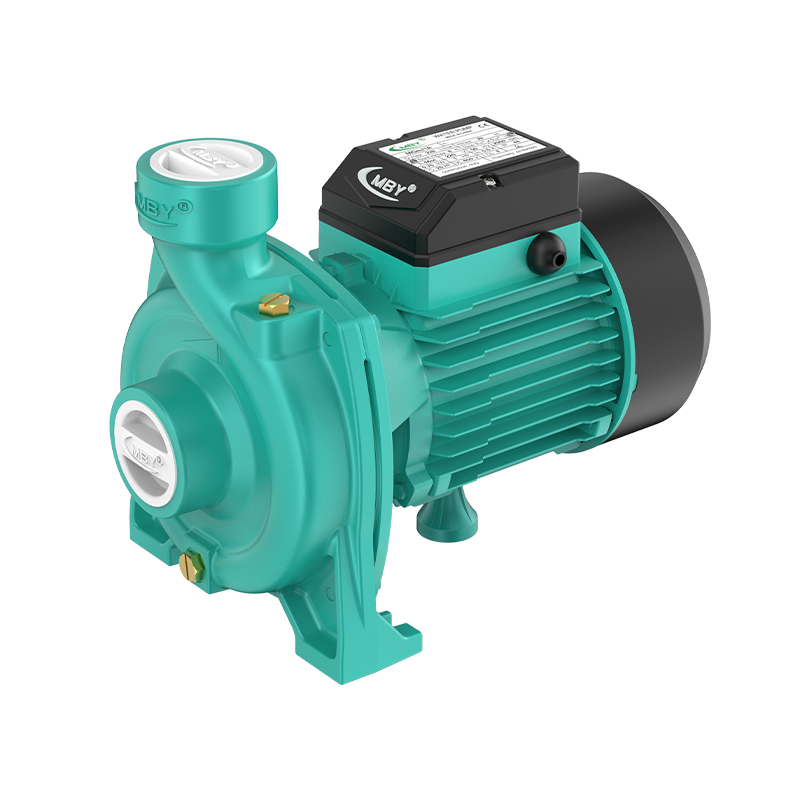
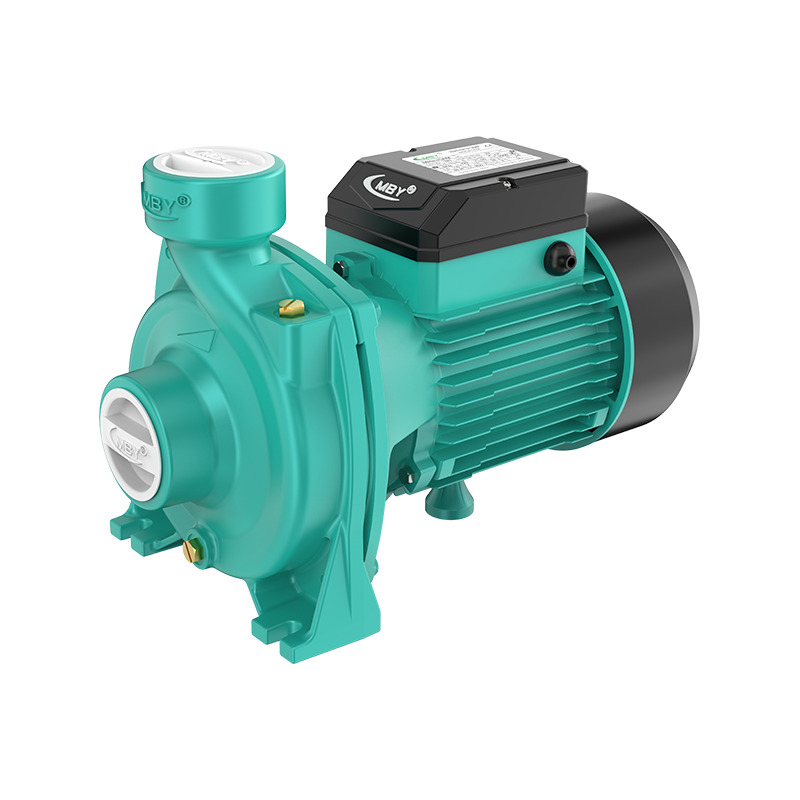
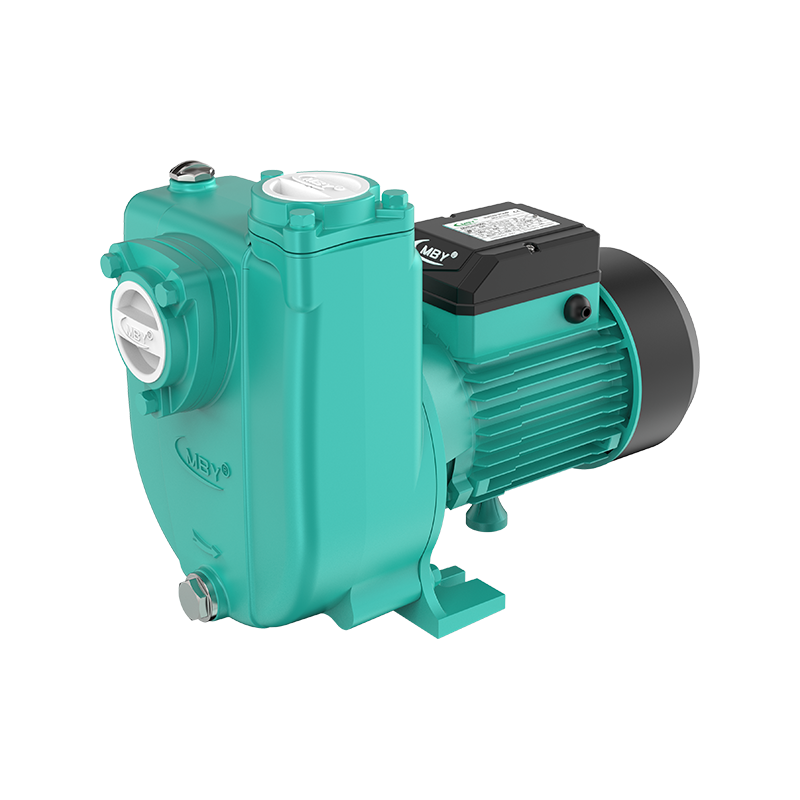
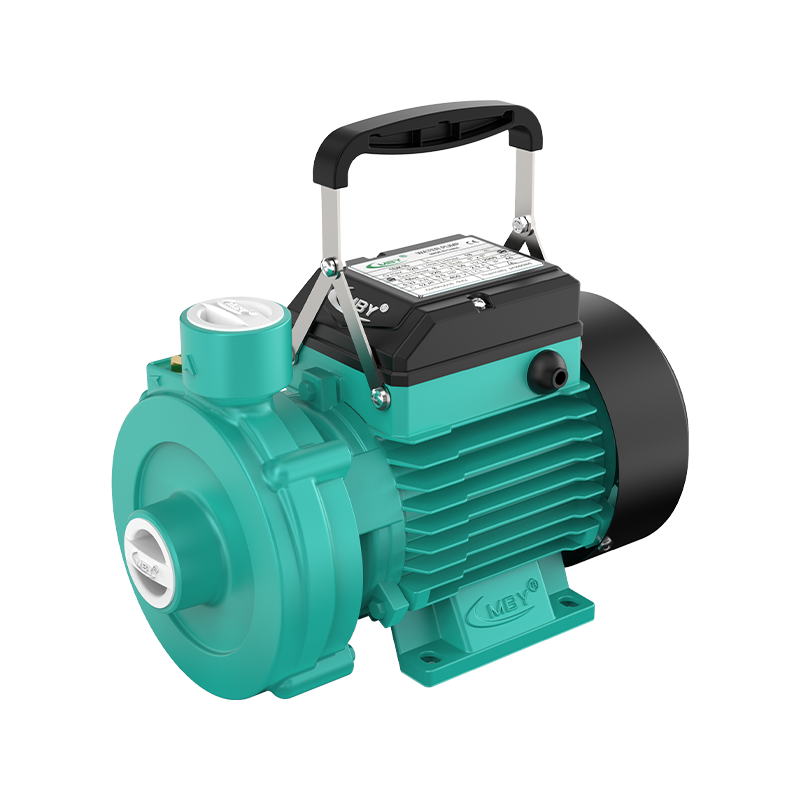
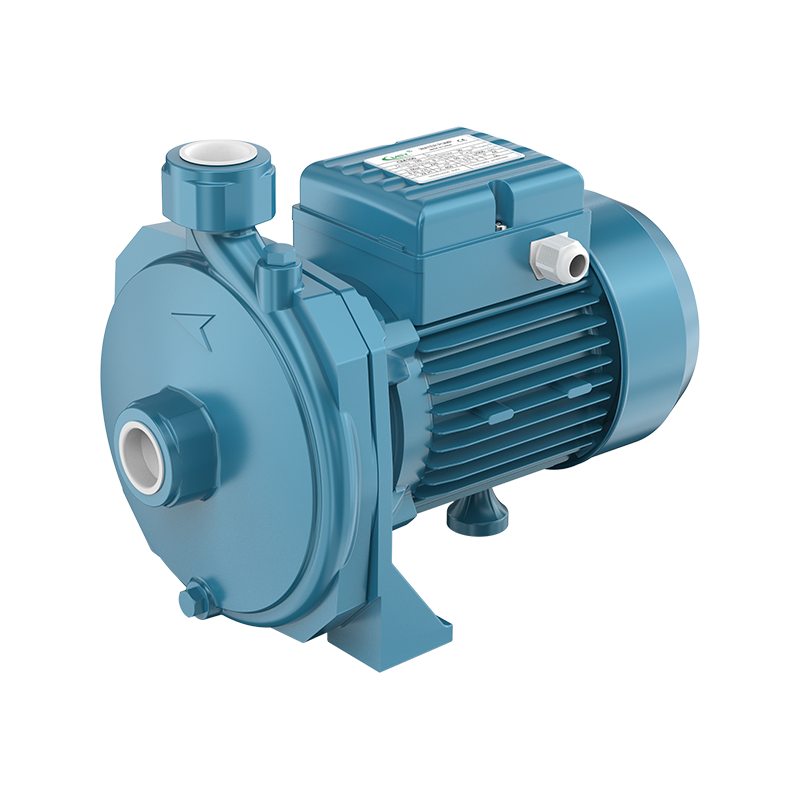
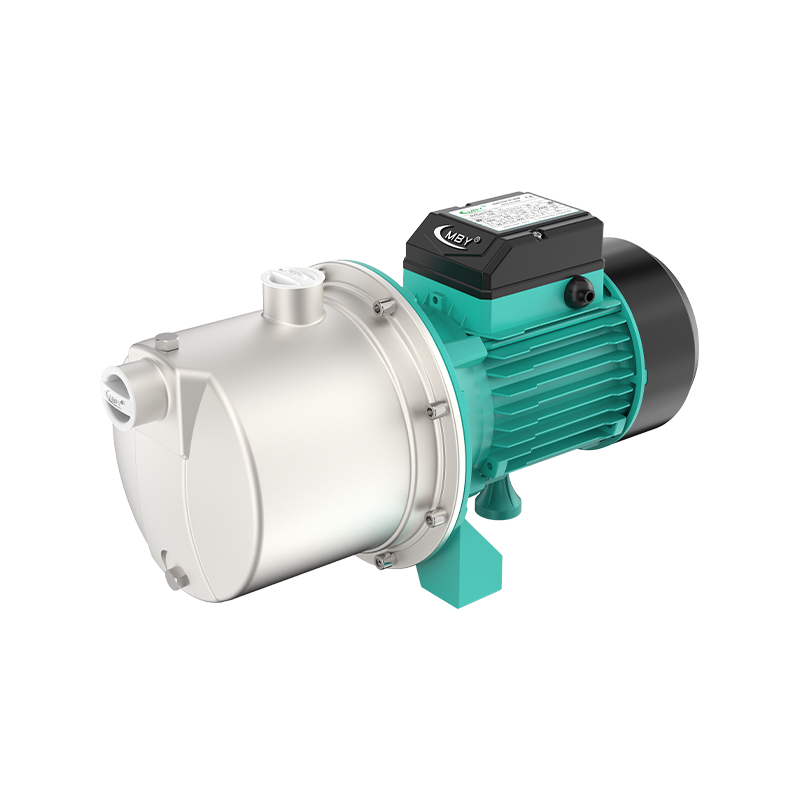
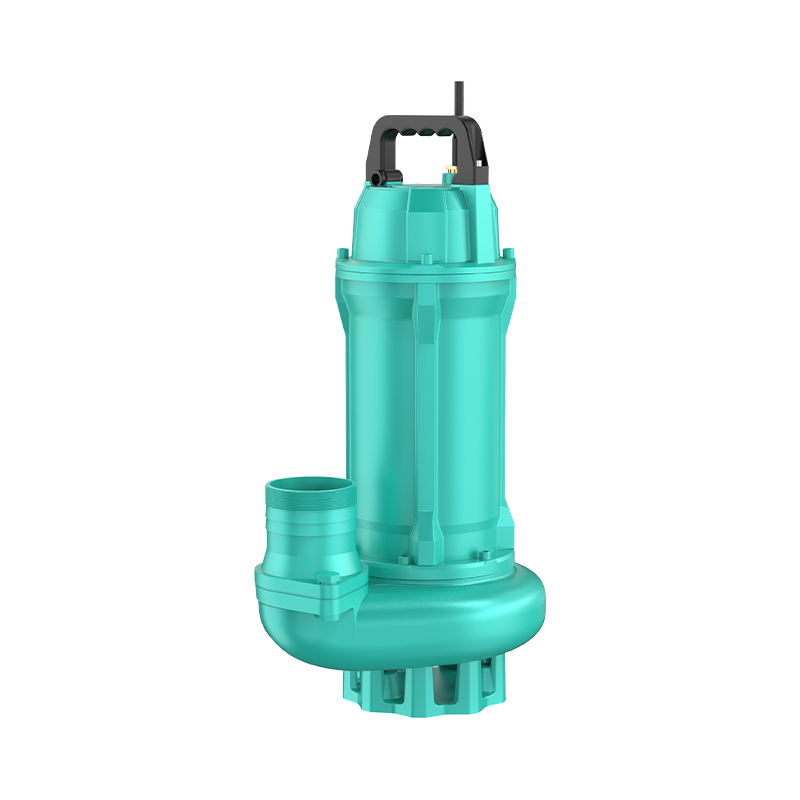
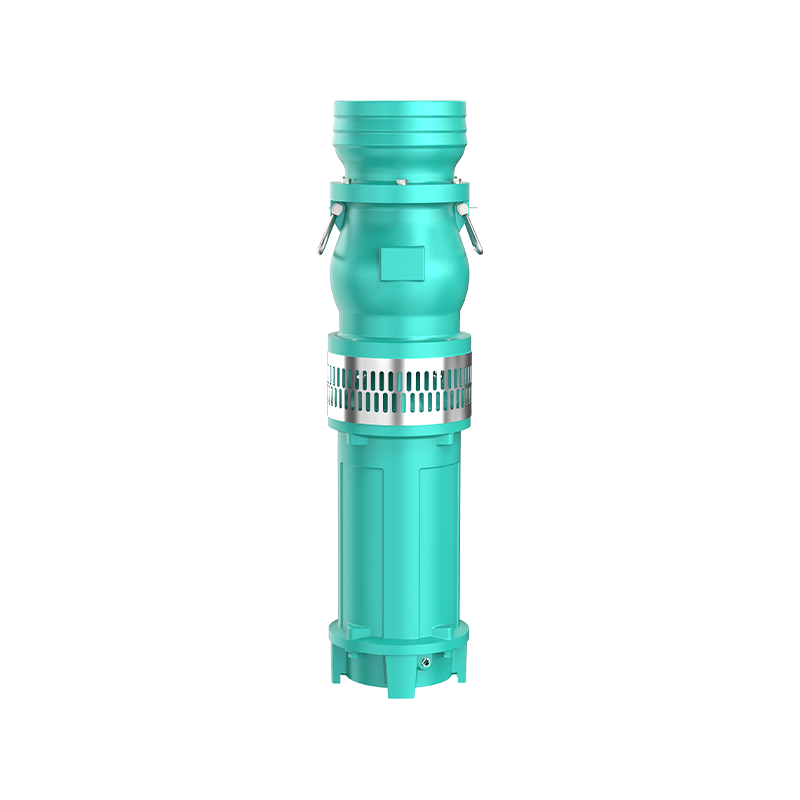
The well-pressing kettle is operated by pouring drinking water and pressing the rod of the well-pressing kettle. When the rod of the well-pressing kettle is pressed down, the air in the kettle is compressed, making the air pressure in the kettle higher than the outside atmospheric pressure. At this time, the water in the kettle is pressed into the inlet of the centrifugal pump through the pipe connected to the well or water source under the action of the pressure difference. As the rod of the well-pressing kettle is continuously pressed down, the water will gradually fill the pump casing and suction pipe of the centrifugal pump, and the air in it will be discharged. This process creates conditions for the normal start of the centrifugal pump. After the centrifugal pump is started, the impeller rotates at high speed, driven by the motor or other power source. The water in the impeller is thrown to the outer edge of the impeller under the action of centrifugal force, thereby forming a low-pressure area in the center of the impeller. Since the well-pressing process has filled the pump casing and the suction pipe with water, and a low pressure has been formed in the center of the impeller, the water in the external water source will continuously enter the center of the impeller through the suction pipe under the action of atmospheric pressure to fill the position of the water that has been thrown out. In this cycle, water is continuously sucked into the centrifugal pump and discharged from the outer edge of the impeller, realizing continuous water transportation.
information to be updated
About Tefusen
Honor


Latest Updates
Well Killing Pump Industry knowledge
Centrifugal well kill pumps, also known as well-pressing kettle pumps, are a critical piece of equipment in the oil and gas industry, playing a vital role in ensuring well safety and operational integrity. These powerful pumps are used to “kill” a well, which means stopping the flow of oil, gas, or water from the reservoir into the wellbore. This is achieved by pumping a heavy fluid, often referred to as “kill fluid” or “brine,” into the wellbore to counterbalance and overcome the pressure of the formation fluids. The primary goal is to safely control the well and prevent an uncontrolled blowout, a catastrophic event that can lead to severe environmental damage, loss of life, and significant financial loss.
The operation of a centrifugal well kill pump is rooted in the principles of fluid dynamics and centrifugal force. Unlike positive displacement pumps, which move a fixed volume of fluid with each cycle, centrifugal pumps use a rotating impeller to increase the fluid’s velocity and pressure. The impeller, a key component within the pump casing, has a series of vanes that spin rapidly. As fluid enters the impeller’s center, or “eye,” the spinning motion slings the fluid outwards toward the impeller’s circumference due to centrifugal force.
This outward movement increases the fluid’s kinetic energy. As the fluid exits the impeller and enters the volute or diffuser casing, its velocity decreases, and this kinetic energy is converted into potential energy in the form of pressure. This high-pressure fluid is then discharged from the pump and directed into the well. The high pressure generated is essential for overcoming the immense pressure of the reservoir fluids, allowing the kill fluid to be injected into the wellbore effectively.
The design of these pumps is specifically tailored for the harsh conditions of well control operations. They must be robust and capable of handling high pressures and large volumes of fluid. The materials used in their construction, such as corrosion-resistant alloys, are chosen to withstand the abrasive and corrosive nature of various kill fluids. Furthermore, the pump’s performance is often characterized by a pump curve, a graphical representation of the relationship between the pump’s head (pressure) and flow rate at a constant speed. This curve is a crucial tool for engineers to select the right pump for a specific well-killing operation.
While the name “well kill pump” highlights its primary function, these versatile pieces of machinery have a broader range of applications in the oil and gas sector. Their ability to handle high-pressure fluids makes them invaluable for a variety of tasks, including:
The adaptability of the centrifugal well kill pump is a testament to its efficient design. Its continuous flow, high-pressure output, and relative simplicity compared to other pump types make it a go-to choice for a wide array of demanding oilfield applications.
The reliability of a well-pressing kettle pump is paramount. A pump failure during a well-killing operation could have disastrous consequences. Therefore, proper maintenance and operational protocols are non-negotiable. Regular inspections, including checking for leaks, wear on the impeller and seals, and proper lubrication, are essential. The pump’s alignment with its power source (e.g., a diesel engine or electric motor) must be checked regularly to prevent vibration and premature wear.
Operators must also be trained to monitor key performance indicators such as pressure, flow rate, and temperature. Any deviation from normal operating parameters could signal a problem, such as cavitation, a phenomenon where vapor bubbles form and collapse within the pump, causing noise, vibration, and damage to the impeller. Understanding the pump curve and how to adjust the pump’s speed to match the required flow and pressure for a specific job is also a crucial skill.
The oil and gas industry is continuously evolving, and with it, the technology used in well control. Innovations in materials science are leading to the development of more durable and corrosion-resistant components. Advancements in automation and control systems are making well-kill pumps smarter, with real-time monitoring and automated adjustments to optimize performance and enhance safety.
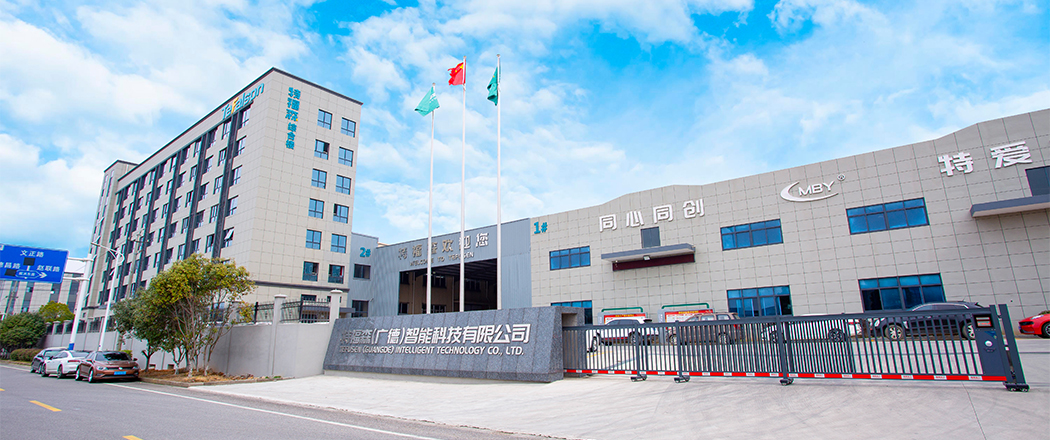
As the industry moves toward more sustainable and efficient practices, the focus is also on developing pumps that are more energy-efficient and have a smaller environmental footprint. For example, some companies are exploring hybrid power systems that combine diesel engines with electric motors to reduce fuel consumption and emissions. These advancements are not only improving operational efficiency but also contributing to a safer and more environmentally responsible energy sector. The work being done by companies like Tefusen (Guangde) Intelligent Technology Co., Ltd. in developing smart, high-pressure equipment for the oil and gas industry exemplifies this forward-thinking approach. Their focus on integrating intelligent technology into their products is a key driver of progress in this specialized field.
The centrifugal well kill pump remains a foundational technology in oil and gas, its principles a testament to sound engineering. Its role in maintaining safety, controlling wells, and facilitating various operational tasks solidifies its importance. From its fundamental science to its ongoing evolution, this powerful pump is a vital tool shaping the industry’s future.
Get In Touch

Address 1:
No. 4 Taoyuan Road, Taozhou Town, Guangde City, Xuancheng City, Anhui Province, China
Address 2:
Daxi Town, Wenling City, Taizhou City, Zhejiang Province, China Pump Industry Intelligent Manufacturing Town