
 English
 русский
 Español
 Português
 عربى
عربى
 Türk
Türk








+86 18395326713
Sep 04, 2025
In recent years, water resource management and the demand for reliable supply systems have become critical topics worldwide. Rapid urbanization, population growth, and higher living standards have increased the need for efficient water delivery solutions. Traditional pumps often struggle with energy efficiency, noise, and automatic operation, which limits their effectiveness in modern applications.
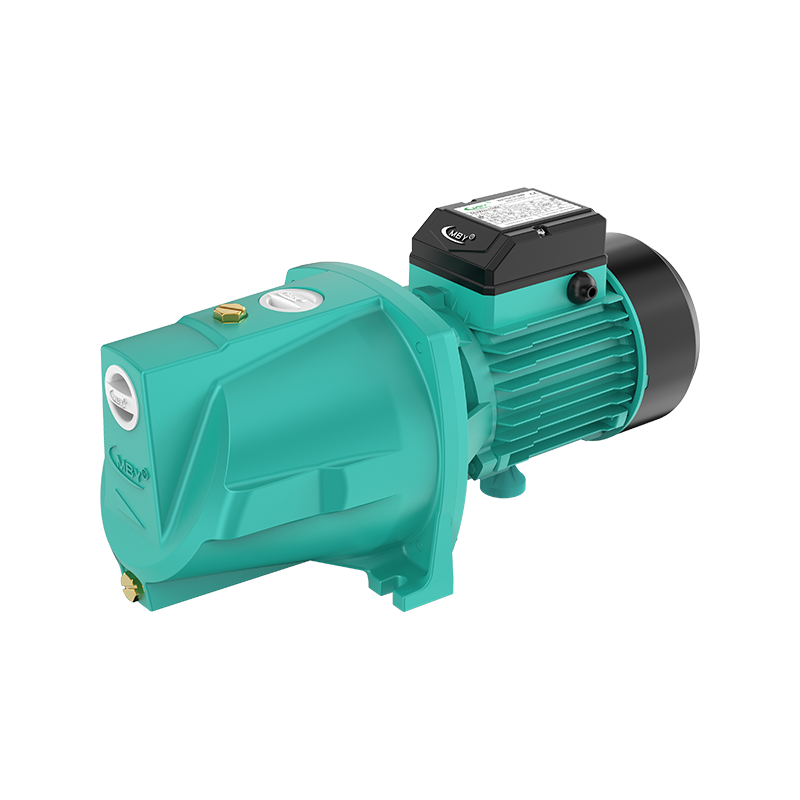
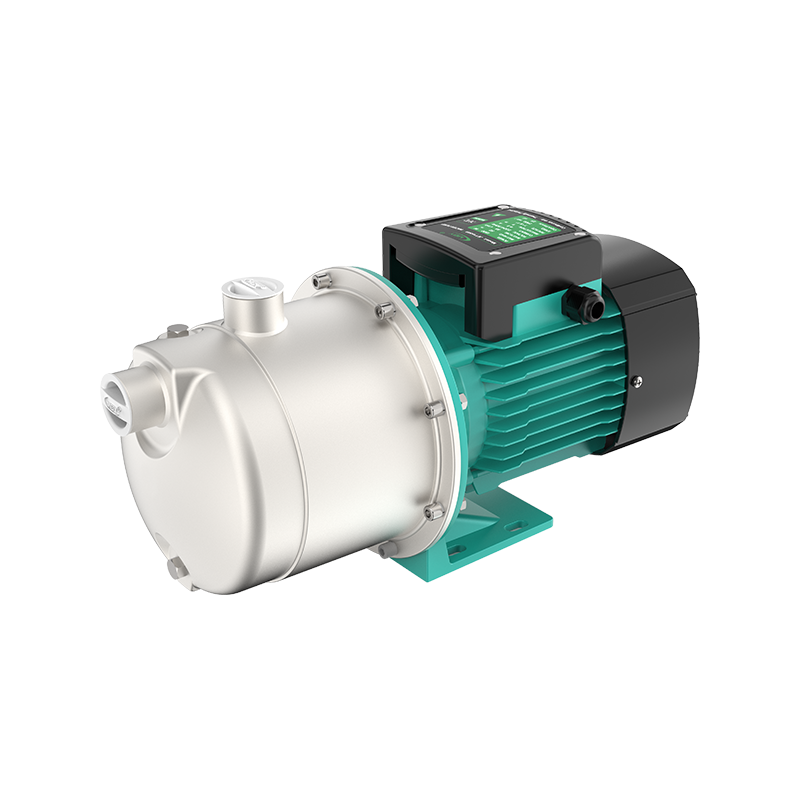
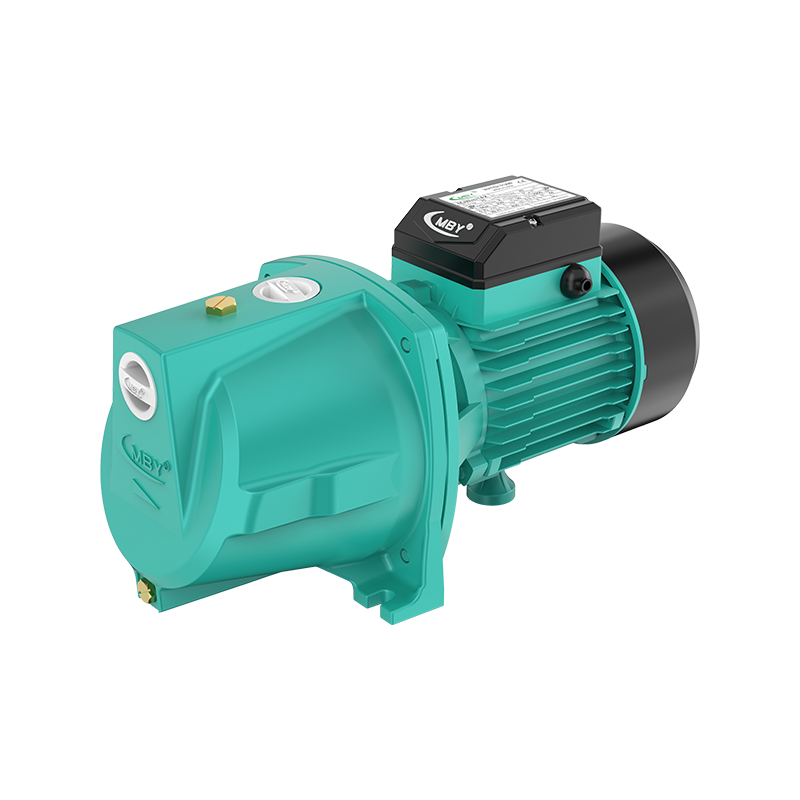
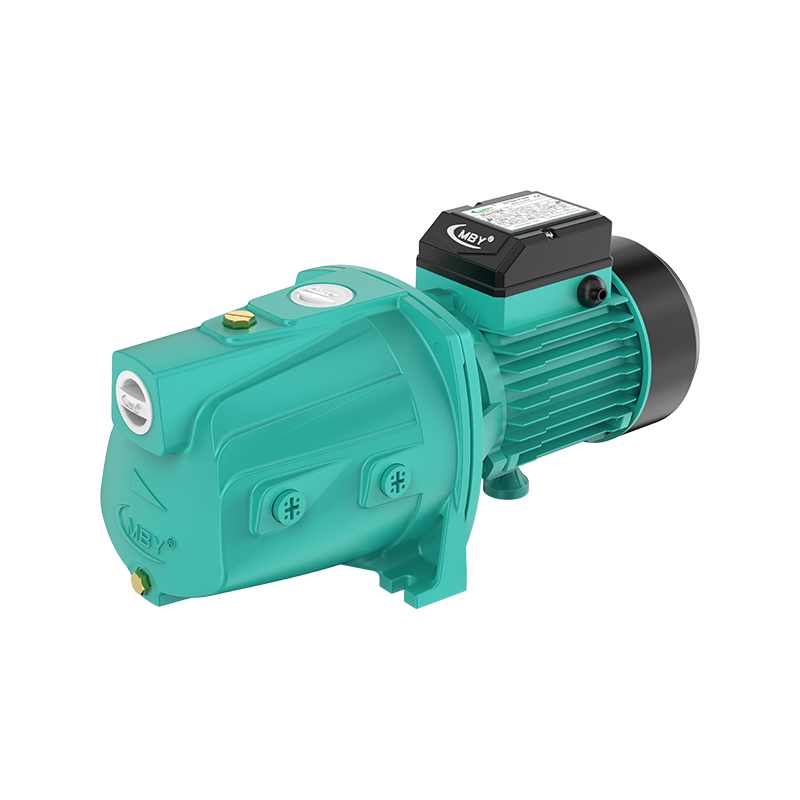
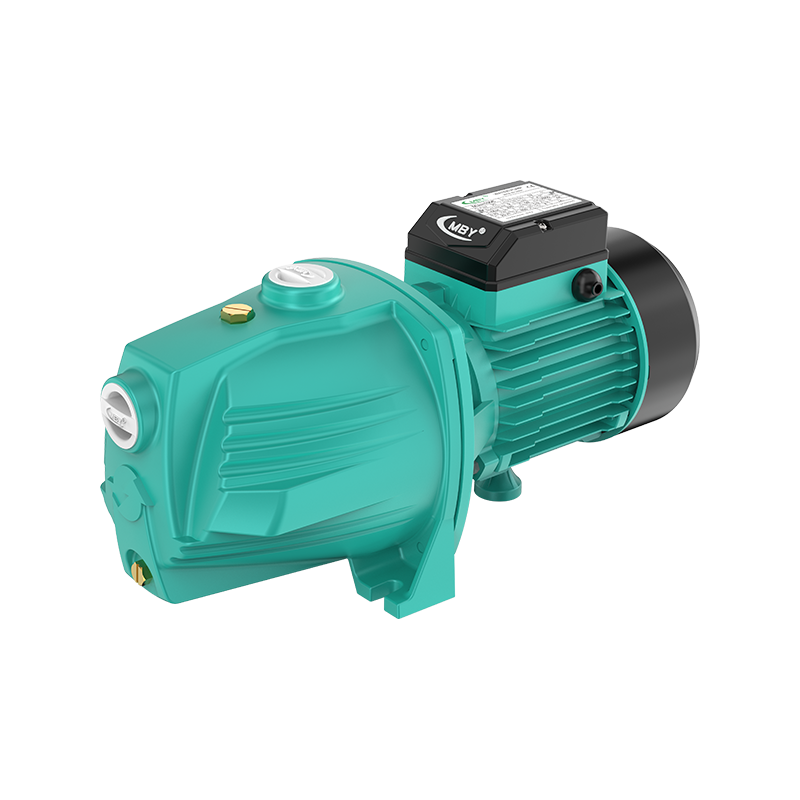
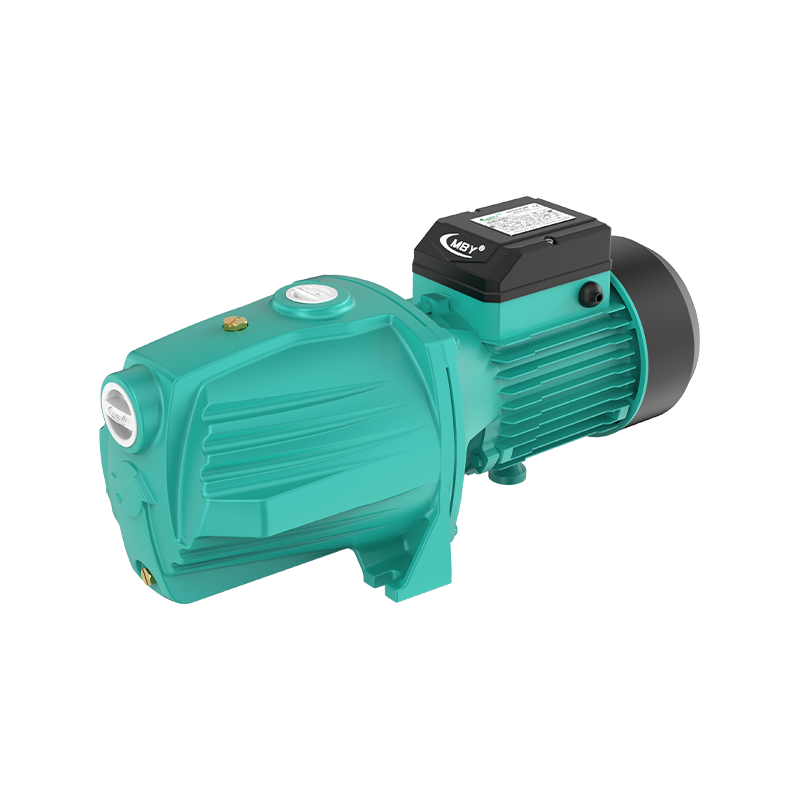
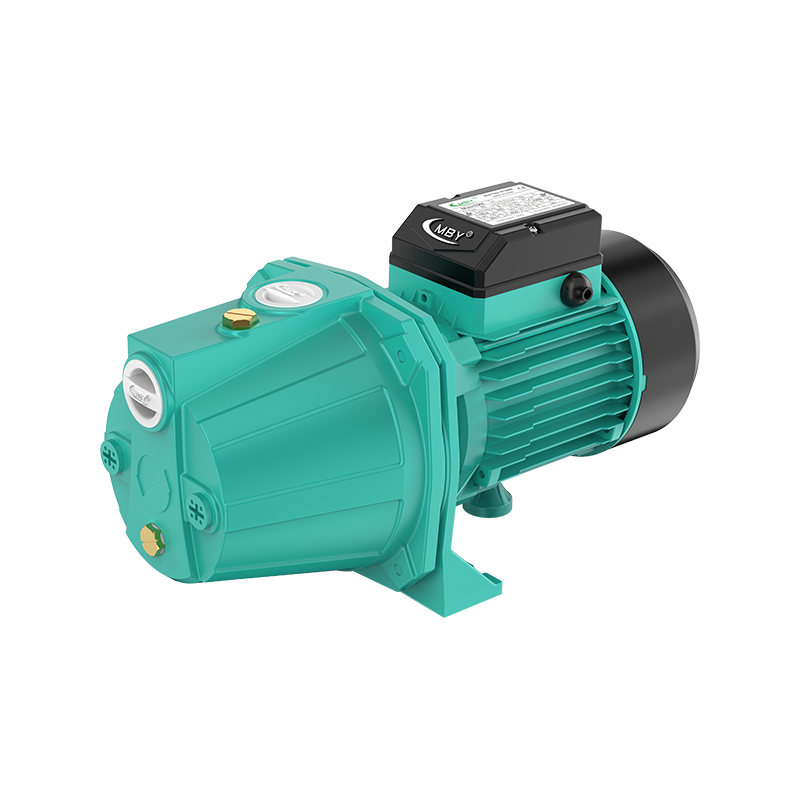
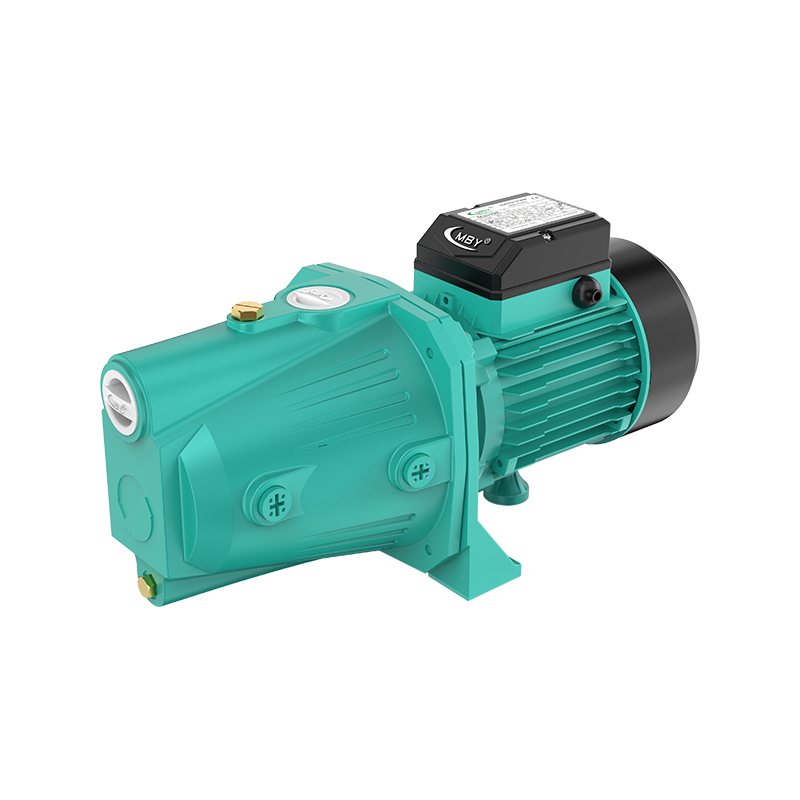
The intelligent automatic self-priming vortex water pump emerges as a solution designed to meet these challenges. By combining advanced vortex pump technology with intelligent control systems, it promises stable, energy-efficient, and user-friendly water supply for households, small businesses, and agricultural applications. This innovative pump not only addresses technical challenges but also aligns with global trends in smart home and energy-saving technologies.
The intelligent automatic self-priming vortex water pump integrates advanced engineering design with intelligent control, offering reliable and efficient water management. Its key technical features include:
Self-Priming Vortex Design
The vortex impeller allows for smooth water flow while minimizing the risk of clogging.
Self-priming functionality enables the pump to start automatically without manual priming, solving a common problem in traditional pumps.
Fully Automatic Control System
The pump adjusts operation based on real-time water demand.
Automatic start/stop and pressure regulation ensure stable water supply without user intervention.
Intelligent Features
Remote monitoring and control via mobile apps or smart home systems.
Energy-saving algorithms optimize power consumption while maintaining performance.
| Feature | Description | Benefit |
|---|---|---|
| Maximum Flow Rate | 10–50 m³/h | Suitable for households and small industries |
| Maximum Head | 40 m | Ensures stable water pressure |
| Power Supply | 220–240V AC / 50Hz | Compatible with standard residential grids |
| Self-Priming Height | 6 m | Automatic start without manual priming |
| Noise Level | ≤55 dB | Quiet operation for indoor use |
| Intelligent Control | Pressure sensor & smart monitoring | Real-time adjustment and energy saving |
This combination of intelligent automation, self-priming capabilities, and vortex design positions the pump as a versatile solution for multiple scenarios, from domestic water supply to small-scale industrial and agricultural applications.
The growing demand for efficient and reliable water supply systems has created a strong market for intelligent pumps. The intelligent automatic self-priming vortex water pump is well-suited to various scenarios, providing tailored solutions for households, commercial operations, agriculture, and smart communities.
Household Water Supply
Ensures constant pressure and stable water flow for taps, showers, and appliances.
Quiet operation makes it suitable for indoor installation.
Small Businesses and Agricultural Irrigation
Continuous water delivery supports irrigation systems, small factories, and water-intensive operations.
Energy-saving mode reduces operational costs.
Public Facilities and Smart Communities
Integrates with smart building systems for automated water management.
Enables remote monitoring and predictive maintenance, improving reliability.
| Application Scenario | Key Advantage | Typical Users/Use Case |
|---|---|---|
| Household | Stable water pressure, quiet operation | Homes, apartments |
| Small Business/Commercial | Continuous water flow, energy efficiency | Cafes, small factories, greenhouses |
| Agriculture/Irrigation | Reliable delivery, self-priming feature | Farms, irrigation networks |
| Smart Communities/Public Use | Remote monitoring, predictive maintenance | Residential complexes, municipal buildings |
By meeting the specific requirements of each scenario, the intelligent pump addresses both technical and user experience challenges, creating a highly adaptable solution that appeals to a broad market.
The water pump industry is undergoing significant transformation driven by technological innovation, environmental regulations, and smart infrastructure development. The intelligent automatic self-priming vortex water pump exemplifies these trends, combining efficiency, automation, and digital integration.
Energy Efficiency and Environmental Policies
Governments worldwide are promoting energy-saving devices to reduce electricity consumption and carbon emissions.
Smart pumps with energy optimization features align with global sustainability goals, giving manufacturers a competitive edge.
Integration of Smart Manufacturing and IoT
Advances in sensors, control systems, and cloud platforms allow pumps to communicate with other smart devices.
Real-time monitoring, predictive maintenance, and data-driven optimization enhance performance and extend equipment lifespan.
Market Expansion and Technological Innovation
The rising demand for intelligent water management in households, agriculture, and industry is fueling R&D investment.
Manufacturers focus on combining self-priming vortex technology with automation, energy efficiency, and noise reduction to meet diversified customer needs.
The convergence of energy-saving policies, IoT integration, and market demand indicates that intelligent pumps will play a crucial role in the future of water supply systems. Companies that adopt these technologies can leverage both regulatory incentives and consumer demand to expand their market presence.
Despite the promising features of the intelligent automatic self-priming vortex water pump, several technical challenges remain that influence its performance, adoption, and scalability. Addressing these issues presents opportunities for innovation and industry advancement.
Durability and Long-Term Reliability
Pumps must withstand continuous operation under varying water quality and environmental conditions.
Material selection and corrosion resistance are critical to maintaining performance over time.
Intelligent Algorithm Optimization
Pressure regulation, flow adjustment, and energy-saving functions rely on accurate sensors and control algorithms.
Improving data accuracy and responsiveness can enhance user experience and system efficiency.
Cost Control and Market Accessibility
Advanced features such as IoT integration and smart monitoring increase production costs.
Balancing affordability with technological sophistication is essential for broad market adoption.
| Challenge | Potential Solution | Expected Benefit |
|---|---|---|
| Durability and corrosion | High-quality materials, protective coatings | Longer lifespan, lower maintenance costs |
| Algorithm accuracy and response | Advanced sensors, AI-driven control systems | Improved energy efficiency, stable pressure |
| Production cost and accessibility | Modular design, scalable manufacturing | Lower unit cost, wider adoption |
By addressing these challenges, manufacturers can improve reliability, efficiency, and cost-effectiveness, positioning the pump as a leading solution in both domestic and industrial markets.
The intelligent automatic self-priming vortex water pump not only serves end-users but also stimulates growth across its entire industrial chain. Its adoption creates opportunities for synergy between upstream component manufacturers and downstream service providers.
Upstream Industry Collaboration
Motors and Controllers: High-efficiency electric motors and intelligent control units are essential for optimal pump performance.
Materials Industry: Corrosion-resistant metals, composites, and durable seals enhance reliability and lifespan.
Sensor and IoT Component Suppliers: Advanced sensors enable smart monitoring and real-time performance adjustments.
Downstream Industry Opportunities
Smart Home Systems: Integration with home automation platforms allows remote monitoring and energy optimization.
Water Treatment and Irrigation Services: Pumps with self-priming and vortex features improve efficiency in water distribution networks.
Maintenance and Energy-Saving Services: Predictive maintenance and energy optimization services create new business models.
Economic and Strategic Value
Adoption of intelligent pumps can reduce energy consumption, lower maintenance costs, and increase operational efficiency.
It encourages innovation in connected devices and smart infrastructure, contributing to a more sustainable and digitally-enabled water supply ecosystem.
By extending its influence across the industrial chain, the intelligent pump becomes a catalyst for technological advancement, energy efficiency, and smart infrastructure development.
The future of the intelligent automatic self-priming vortex water pump is closely tied to trends in smart technology, sustainability, and global water management. Several promising directions are emerging:
Integration with Home Energy Management Systems
Smart pumps can connect with household energy networks to optimize electricity use.
Real-time monitoring enables automated adjustments based on consumption patterns, reducing waste and costs.
Precision Agriculture and Resource Efficiency
Intelligent pumps allow farmers to deliver water efficiently to crops, minimizing over-irrigation and conserving resources.
Data-driven control helps improve crop yield and reduce operational costs.
Global Market Expansion
Increasing awareness of energy-saving and intelligent water solutions drives demand in emerging markets.
Advanced pumps can support urban infrastructure projects, commercial facilities, and smart city initiatives worldwide.
Technological Evolution
Continuous improvements in IoT connectivity, AI algorithms, and sensor precision will enhance pump performance.
Future models may incorporate predictive analytics to anticipate maintenance needs and optimize energy efficiency automatically.
The intelligent automatic self-priming vortex water pump represents a significant advancement in water supply technology, blending intelligent control, energy efficiency, and innovative vortex design. Its self-priming capability, fully automatic operation, and smart monitoring features address longstanding challenges in domestic, commercial, and agricultural water systems.
This pump not only improves user experience by providing stable pressure, quiet operation, and reliable performance but also contributes to sustainability through energy savings and optimized resource use. Furthermore, its integration with IoT and smart infrastructure positions it as a key component in modern, connected water management systems.
Hot News
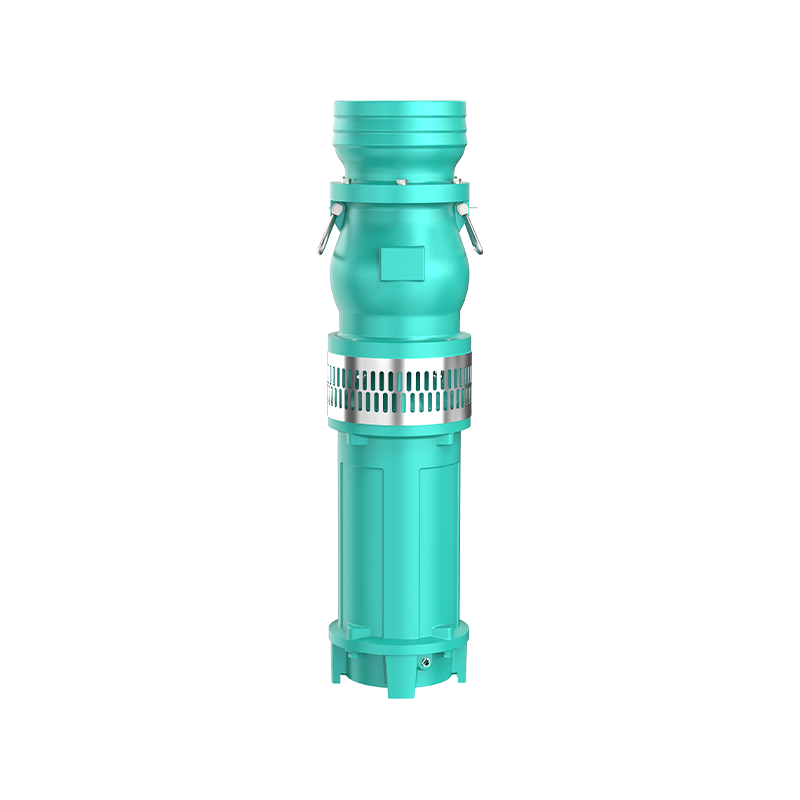 Oil Immersed Submersible Electric Pump: Working Principles, Applications, and Future Trends
Sep 04, 2025
 Global Pipeline Centrifugal Pump Industry Update: High-Efficiency Double Suction and Magnetic Drive Technologies Leading the Industrial Water Treatment Revolution
Sep 04, 2025
 Complete Guide to Household Water Pumps: From Selection, Installation to Maintenance, Your Home's 'Water Butler'
Sep 04, 2025
 Can the intelligent automatic self-priming vortex water pump lead a new era in water management?
Sep 04, 2025
Get In Touch

Address 1:
No. 4 Taoyuan Road, Taozhou Town, Guangde City, Xuancheng City, Anhui Province, China
Address 2:
Daxi Town, Wenling City, Taizhou City, Zhejiang Province, China Pump Industry Intelligent Manufacturing Town