

 English
 русский
 Español
 Português
 عربى
عربى
 Türk
Türk








+86 18395326713
Sep 04, 2025
The Oil Immersed Submersible Electric Pump is a specialized fluid transport device that combines a motor and a pump body, which operates completely submerged in a working fluid, typically water. Unlike traditional surface pumps, its motor is entirely encased in special insulating oil. This unique design allows it to work efficiently and reliably in underwater environments.
This design brilliantly solves the core challenges of underwater operation: effective heat dissipation and preventing water intrusion. The insulating oil not only efficiently transfers the heat generated by the motor to the surrounding water, providing superior cooling, but also lubricates and seals the components, ensuring the motor's internal environment remains dry and safe.
Compared to traditional dry-type submersible pumps, the oil-immersed design offers significant advantages in several key performance parameters.
| Parameter Comparison | Oil Immersed Submersible Electric Pump | Dry-Type Submersible Pump |
|---|---|---|
| Cooling Method | Highly efficient heat dissipation via insulating oil, resulting in lower operating temperatures. | Lower efficiency via air or water cooling, prone to overheating. |
| Sealing | Double or multi-layer sealing system, with oil providing extra protection, offering strong leak prevention. | Typically single or double-layer sealing, with a higher risk of seal failure. |
| Motor Lifespan | Oil lubricates, protects, and cools, significantly extending the life of the motor and bearings. | Lacks oil protection, leading to faster wear on bearings and seals, and a shorter overall lifespan. |
| Application Environment | Ideal for deep wells, high-sand-content, or corrosive environments. | Primarily used for clean water or lightly polluted water, with stricter environmental requirements. |
The core principle of the Oil Immersed Submersible Electric Pump is its ingenious use of insulating oil as a medium to create an efficient protective and operational system between the motor and the external water. This design enables the pump to operate while fully submerged, ensuring the internal electrical components remain dry, safe, and efficient.
An oil immersed submersible pump is primarily composed of three core sections:
Motor Section: This is the power source, containing the stator and rotor. Unlike a regular motor, it is fully submerged in a special insulating oil. This oil has excellent insulating properties and efficiently absorbs the heat generated during motor operation.
Pump Body Section: Located above the motor, it consists of components like the impeller, guide vane, and pump casing. The motor rotates the impeller via a connecting shaft, and the centrifugal force of the impeller draws water in and discharges it along the guide vane, enabling fluid transport.
Sealing System: This is a crucial part of the entire design. The pump has a multi-layer sealing structure, typically including mechanical or double-face seals, to prevent external water from entering the motor while also stopping the internal insulating oil from leaking into the environment. The oil-immersed design itself offers extra protection and lubrication to the sealing system.
The pump's working process can be summarized in the following steps:
Power On and Start-up: When the pump is powered on, the motor begins to operate, generating rotational power.
Oil Cooling: The heat generated by the motor is quickly absorbed by the surrounding insulating oil. Since water has a higher heat capacity and conductivity than air, the oil efficiently transfers this heat to the external cold water, resulting in superior cooling. This prevents the motor from overheating during long periods of operation.
Impeller Rotation: The motor's rotational power is transferred to the impeller within the pump body via the main shaft. The impeller spins at high speed, generating powerful centrifugal force.
Fluid Transport: Under centrifugal force, the impeller draws water in from the suction inlet and discharges it at high pressure from the outlet, completing the fluid transport task.
| Design Features | Oil Immersed Submersible Pump | Dry-Type Submersible Pump |
|---|---|---|
| Motor Internal Environment | Filled with insulating oil | Filled with air |
| Cooling Efficiency | Highly efficient, with dual cooling from oil and water | Relatively low, primarily through heat dissipation from the motor casing to the water |
| Sealing Reliability | Double or multi-layer sealing with oil for added lubrication and protection | Relies solely on mechanical seals, making it vulnerable to water intrusion if the seal fails |
| Corrosion Resistance | Internal insulating oil isolates the motor from moisture and corrosive agents | Motor directly exposed to moist air, making it susceptible to corrosion |
Thanks to its unique oil-immersed structure and superior performance, the oil-immersed submersible electric pump demonstrates irreplaceable advantages in various harsh application environments, making it the ideal solution for fluid transport challenges.
Deep Well Water Extraction: This is the most classic application. In deep well projects for mining dewatering, geothermal energy development, and municipal water supply, the pump must operate stably underwater for long periods. The oil-immersed design ensures motor reliability under high pressure, preventing failures caused by excessive water pressure or poor water quality.
Municipal Drainage and Sewage Treatment: In urban storm drainage pump stations and sewage treatment plants, pumps must handle sewage containing solid particles and fibers. The robust structure and excellent sealing of oil-immersed pumps effectively prevent solids from entering the motor. Their high head capacity also makes them suitable for lifting sewage from lower to higher elevations for treatment.
Oil and Chemical Industries: In certain industrial environments where special fluids need to be handled, if the use of oil-immersed motors is permissible, this type of pump can provide a stable fluid transport solution. Its explosion-proof and corrosion-resistant properties give it value in specific conditions.
The special design of the oil-immersed submersible pump allows it to handle extreme environments that are difficult for ordinary pumps.
Explosion-Proof Environments: Since the motor is fully enclosed in insulating oil, it effectively isolates it from potentially flammable and explosive gases, greatly reducing the risk of an electrical spark causing an explosion. This makes it an important choice for locations requiring explosion-proof certification, such as oil, natural gas, and coal mines.
High-Temperature or Corrosive Fluids: By using high-temperature-resistant insulating oil and special materials for the pump body, oil-immersed pumps can safely transport high-temperature liquids. The corrosion-resistant design of the pump body and seals also allows it to be used for handling certain corrosive fluids.
| Application Environment | Oil Immersed Submersible Pump | Other Pump Types |
|---|---|---|
| Deep Well Operations | Ideal Choice: Good cooling, strong sealing, suitable for long-term high-pressure operation. | Unsuitable: Dry-type pumps have limited cooling and are prone to overheating; surface pumps are complex to install. |
| Sewage Treatment | Efficient and Reliable: Can handle media with solid particles, resists clogging, and motor is protected from contamination. | Limited Use: Poor tolerance for solids and impurities, prone to wear and clogging. |
| Explosion-Proof Needs | Safe Choice: Motor is physically isolated from the external environment, offering superior explosion protection. | Risky: Ordinary motors lack explosion-proof design and pose a risk of electrical sparks causing an explosion. |
| Media Temperature | High Tolerance: Can handle high-temperature fluid transport by using high-temperature-resistant insulating oil. | Low Tolerance: Ordinary motors are sensitive to temperature, with performance degrading quickly in high-temperature environments. |
The design philosophy of the Oil Immersed Submersible Electric Pump grants it powerful performance while also presenting certain limitations. In practical applications, users must consider these advantages and limitations to make the most suitable equipment choice.
Efficient Cooling and Long Lifespan: Insulating oil acts as a heat-conducting medium, efficiently transferring the heat generated inside the motor to the external water. This superior cooling prevents motor overheating, extending its continuous operation time. The lubricating effect of the oil also reduces wear on bearings and seals, significantly extending the overall lifespan of the equipment.
High Reliability and Sealing: Oil-immersed submersible pumps typically use multiple mechanical seals, which, combined with the protection of the oil, form a robust barrier that effectively prevents external water, sand, and impurities from entering the motor. This greatly reduces the risk of environment-related failures, especially in harsh conditions with high sand content or corrosive substances, where its reliability far surpasses that of dry-type motors.
Strong Adaptability: Because the motor is physically isolated from the external environment, the oil-immersed submersible pump can better adapt to high-temperature, high-pressure, high-sand-content, and certain explosion-proof environments.
Maintenance Cost: Although oil-immersed pumps have a long lifespan, their maintenance procedures are relatively complex. Regular inspection and replacement of the insulating oil and seals are necessary maintenance steps, which incur a certain cost. If oil leaks, professional handling may also be required.
Environmental Risk: If traditional mineral insulating oil leaks, it can cause a degree of pollution to water and soil. While many environmentally friendly, biodegradable insulating oils are now available, this risk still needs to be considered.
Weight and Volume: Compared to dry-type motors of the same power, oil-immersed motors are typically heavier and larger due to the oil inside. This can be a disadvantage in applications where equipment needs to be lightweight.
| Performance Comparison | Oil Immersed Submersible Pump | Dry-Type Submersible Pump |
|---|---|---|
| Cooling Capacity | Strong: Oil has high heat transfer efficiency, suitable for long continuous operation. | Weak: Relies on heat dissipation from the outer casing to the water, prone to overheating. |
| Sealing Reliability | Extremely High: Multi-layer sealing with oil protection, excellent leak and moisture resistance. | Moderate: Relies solely on mechanical seals; vulnerable to water intrusion if damaged. |
| Motor Lifespan | Long: Oil lubrication and protection reduce internal component wear. | Shorter: Lack of lubrication leads to faster wear. |
| Maintenance Convenience | Relatively Complex: Requires regular oil and seal replacement. | Simple: Typically requires no special maintenance. |
| Environmental Friendliness | Potential Risk: Traditional oil leaks can cause pollution. | High: No oil, no risk of leakage. |
| Cost | Slightly higher purchase cost, higher maintenance cost. | Lower purchase cost, lower maintenance cost. |
The long-term stable operation of an Oil Immersed Submersible Electric Pump depends not only on its high quality but also on scientific and reasonable selection and meticulous routine maintenance. These two steps are key to ensuring the equipment performs at its maximum efficiency, reducing failure rates, and extending its service life.
When choosing an oil-immersed submersible pump, you must fully consider the application environment and requirements to avoid over- or under-sizing.
Flow and Head: This is the primary parameter for selection. Flow (Q) is the volume of fluid pumped per unit of time, while Head (H) is the height the pump can lift the fluid. You need to determine the appropriate pump model based on actual needs (e.g., daily water volume, vertical lift height). A safety margin of 10% to 20% is usually recommended.
Media Characteristics: The media transported by a submersible pump is not always clean water. You need to consider the media's temperature, pH value, sand content, and whether it is corrosive. If the media contains a large amount of solid particles, then a pump with a special impeller or cutting device is needed; if the media is corrosive, then the pump body and seals must be made of corrosion-resistant materials.
Installation Environment: Consider the pump's installation depth, well diameter, and operating voltage. Depth affects the head selection, while well diameter determines the pump's size.
Routine maintenance is an effective way to prevent failures and extend equipment life. Here are a few common issues and their maintenance points:
Motor Overheating: This can be caused by insufficient insulating oil, poor cooling, or overload operation. Routine maintenance should regularly check the oil level in the oil chamber, and ensure there is good water flow around the pump body to carry away heat.
Insufficient Flow or Head: This is usually caused by wear on the impeller or guide vane, a clogged pump body, or low power voltage. You should regularly check the impeller for wear, clean debris from the pump body and inlet, and ensure a stable power supply.
Seal Failure: If abnormal oil or water leaks are found at the pump shaft, the mechanical seal is likely damaged. You should regularly check the condition of the seals for wear and replace them according to the manufacturer's recommendations.
| Maintenance Item | Maintenance Frequency | Maintenance Purpose | Key Actions |
|---|---|---|---|
| Insulating Oil Check | Monthly or quarterly | Ensure oil is sufficient and clean, providing good cooling and lubrication. | Check oil window or follow manual to check oil level, top up or replace as needed. |
| Mechanical Seal Check | Quarterly or bi-annually | Prevent leaks, protect the motor interior. | Check for signs of leakage, contact a professional if issues are found. |
| Pump Body Cleaning | Based on water quality | Keep it clear, prevent clogging, ensure flow and head. | Clear sand and debris from the inlet and impeller. |
| Cable and Connection Check | Annually | Ensure power supply is safe, prevent short circuits. | Inspect the cable sheath for damage, ensure connections are secure. |
With technological advancements and a growing global focus on sustainable development, the Oil Immersed Submersible Electric Pump is undergoing a profound technological revolution. Its future development will focus on smart capabilities, efficiency, and environmental friendliness, to better meet the increasingly complex needs of industry and environmental standards.
Future oil-immersed submersible pumps will no longer be simple fluid transport tools, but smart devices integrating sensing, communication, and data analysis.
Remote Monitoring: Various sensors will be installed inside the pump to monitor key parameters in real-time, such as motor temperature, insulating oil level, pump vibration, and current. This data will be sent to a cloud platform via IoT technology, allowing users to monitor the pump's operational status from anywhere via a phone or computer.
Predictive Maintenance: Using big data analysis and AI algorithms, the system can analyze the pump's historical operational data to predict potential failure risks. For example, by monitoring subtle changes in motor temperature, it can provide early warnings of bearing wear or cooling issues, achieving a shift from reactive fault repair to proactive predictive maintenance, which will greatly reduce downtime and maintenance costs.
Energy efficiency is a crucial performance metric for submersible pumps. Future development will further improve energy efficiency through technological innovation, reducing energy consumption.
Variable Frequency Drive (VFD) Technology: Variable frequency drive technology will become more widespread. By automatically adjusting the motor's speed based on actual demand, the pump can maintain optimal operating efficiency in any condition, preventing unnecessary energy waste.
New Materials and Optimized Design: The use of lighter, stronger, and more corrosion-resistant new materials will reduce the pump's weight and enhance its durability. At the same time, optimizing the geometric design of the impeller and flow channels will reduce hydraulic losses and improve the pump's overall efficiency.
Environmental friendliness is a core direction for the future development of oil-immersed submersible pumps, mainly reflected in the improvement of the oil and energy consumption.
Eco-Friendly Insulating Oil: Traditional mineral insulating oil can cause pollution if it leaks. In the future, there will be greater use of biodegradable, non-toxic, and harmless eco-friendly insulating oils. If these oils leak accidentally, they will not cause long-term harm to water bodies and soil, meeting increasingly strict environmental regulations.
Improved Energy Utilization: In addition to VFD technology, improving motor design and manufacturing processes will reduce the conversion of electrical energy into heat, fundamentally improving energy utilization and reducing carbon emissions.
| Future Development Trends | Existing Technology | Future Development Direction |
|---|---|---|
| Working Mode | Basic operation, reactive fault repair | Smart operation, predictive maintenance |
| Energy Efficiency Level | Fixed speed, efficiency needs improvement | Variable frequency control, stronger adaptability, higher efficiency |
| Environmental Friendliness | Risk of traditional oil leakage | Use of eco-friendly oil, biodegradable, no pollution |
| Maintenance Method | Manual inspection and regular maintenance | Remote monitoring and big data analysis, enabling fault alerts |
The Oil Immersed Submersible Electric Pump as a reliable and efficient fluid transport solution, its core advantage comes from the unique "oil and water" combination design. From its initial purpose of deep well water extraction, to today's wide applications in municipal drainage, industrial production, and special explosion-proof environments, it has consistently proven its value in demanding conditions with its superior heat dissipation, strong sealing reliability, and exceptionally long service life.
Looking back at its development, we see how technological innovation continues to push the boundaries of its performance. From simple mechanical designs to smart systems with integrated sensors and VFD technology, and to the use of eco-friendly insulating oil to reduce environmental risks, each evolution has made the oil-immersed pump more efficient, intelligent, and sustainable.
In the future, with the deep integration of IoT, big data, and new material technologies, the oil-immersed submersible pump will no longer be just a pump, but a smart terminal capable of self-diagnosis, predictive maintenance, and remote control. It will, through real-time data feedback, optimize energy efficiency, reduce energy waste, and operate in a more environmentally friendly way. This shift from a single-function device to a smart solution will not only significantly improve operational efficiency and reliability but also enable it to better contribute to global energy conservation and emission reduction goals.
Therefore, the continuous technological evolution of the Oil Immersed Submersible Electric Pump is not just an upgrade in product performance, but an active response to future industrial and environmental challenges. It will continue to serve as a submerged "power source," driving the healthy development of various industries.
| Technology Development Stage | Traditional Oil Immersed Submersible Pump | Future Smart Oil Immersed Submersible Pump |
|---|---|---|
| Main Function | Fluid transport | Fluid transport + data collection and analysis |
| Operation Control | Fixed speed, manual operation | Variable frequency control, remote automation |
| Fault Management | Repair after failure occurs | Predictive maintenance, early warning |
| Energy Efficiency Level | Fixed speed, efficiency needs improvement | Variable frequency control, stronger adaptability, higher efficiency |
| Environmental Features | Risk of traditional oil leakage | Use of eco-friendly oil, no pollution risk from leakage |
Hot News
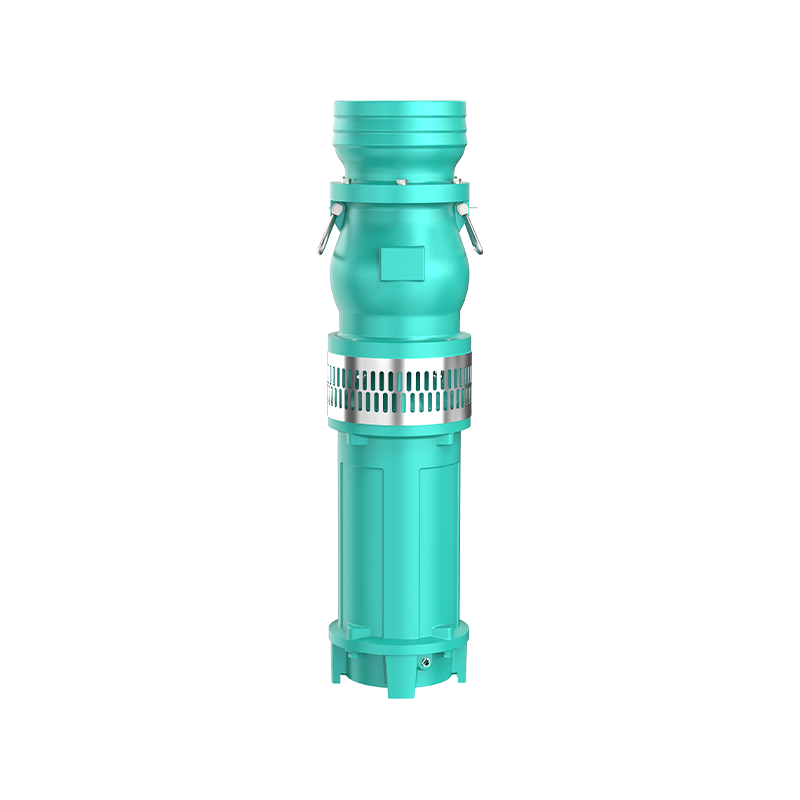 Oil Immersed Submersible Electric Pump: Working Principles, Applications, and Future Trends
Sep 04, 2025
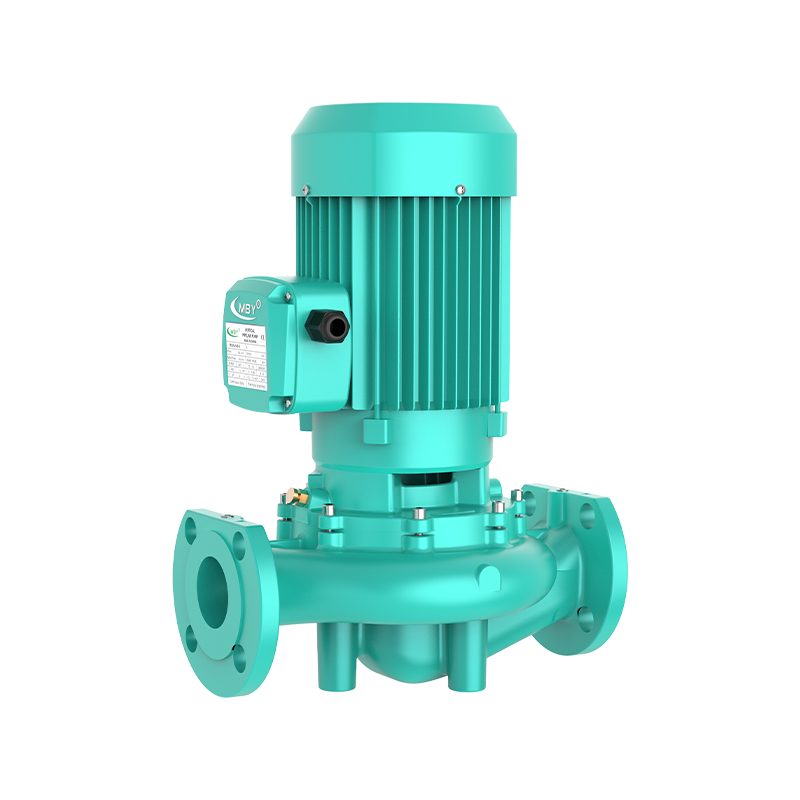 Global Pipeline Centrifugal Pump Industry Update: High-Efficiency Double Suction and Magnetic Drive Technologies Leading the Industrial Water Treatment Revolution
Sep 04, 2025
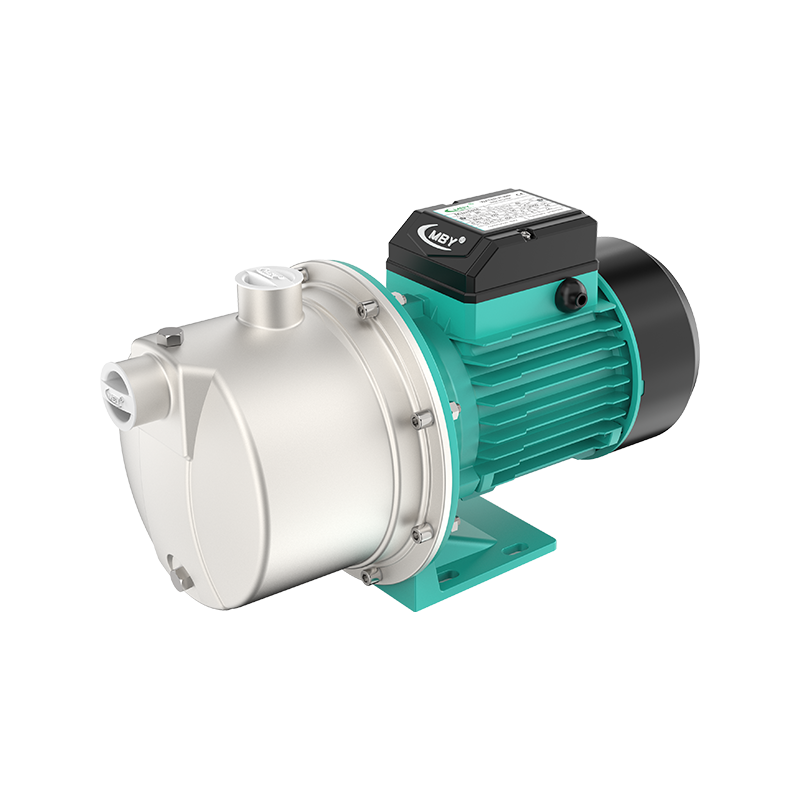 Complete Guide to Household Water Pumps: From Selection, Installation to Maintenance, Your Home's 'Water Butler'
Sep 04, 2025
 Can the intelligent automatic self-priming vortex water pump lead a new era in water management?
Sep 04, 2025
Get In Touch

Address 1:
No. 4 Taoyuan Road, Taozhou Town, Guangde City, Xuancheng City, Anhui Province, China
Address 2:
Daxi Town, Wenling City, Taizhou City, Zhejiang Province, China Pump Industry Intelligent Manufacturing Town