

 English
 русский
 Español
 Português
 عربى
عربى
 Türk
Türk








+86 18395326713
Sep 04, 2025
The global pipeline centrifugal pump industry has experienced steady growth over the past decade, driven by increasing demand for efficient water management and industrial fluid handling. Pipeline centrifugal pumps are essential in various sectors, including industrial water supply, chemical processing, and building water systems. The rising need for reliable, high-capacity pumping solutions has led manufacturers and engineers to focus on technological innovation, energy efficiency, and material advancement.
Recent market studies indicate that industrial water treatment and long-distance pipeline applications are major drivers of growth. In addition, environmental regulations and the push for energy-efficient operations have further accelerated the adoption of high-performance pumps. As industries continue to expand, the demand for specialized pumping solutions that can handle high flow rates, corrosive liquids, and precise pressure control is expected to rise significantly.
The evolution of the pipeline centrifugal pump industry is closely linked to advancements in pump design, including double suction impellers, magnetic drive systems, and variable frequency drives. These technologies not only improve operational efficiency but also extend pump lifespan, reduce maintenance costs, and provide safer handling of hazardous liquids. The combination of market demand and technological progress is shaping a competitive yet innovative landscape, where performance, durability, and energy savings are critical success factors.
Pipeline centrifugal pumps are designed to efficiently transport liquids through closed piping systems. Their structure can vary depending on flow requirements, operational conditions, and the type of liquid being pumped. The most common types include single-suction pumps, double-suction pumps, and magnetic drive pumps.
Single-suction pumps draw fluid from one side of the impeller. They are typically used for medium to low flow rates and are favored for their simpler design and lower installation cost. While effective in many standard applications, they generate axial thrust that must be managed to ensure stable operation.
Double-suction pumps feature impellers that draw fluid from both sides. This design balances axial forces, making them suitable for high flow applications and long-distance pipeline transport. Double-suction pumps are particularly beneficial in industrial water treatment, where high capacity and stability are required.
Magnetic drive pumps eliminate the need for a mechanical shaft seal, relying instead on magnetic coupling between the motor and impeller. This reduces leakage risks and enhances safety when handling corrosive or toxic liquids. Magnetic drive pumps are increasingly preferred in chemical processing and environmentally sensitive applications.
| Type | Impeller Design | Drive Method | Typical Flow Range | Key Advantages |
|---|---|---|---|---|
| Single-Suction Pump | Single-Suction | Mechanical Seal | Medium-Low | Cost-effective, simple installation |
| Double-Suction Pump | Double-Suction | Mechanical Seal | High | Axial thrust balanced, stable operation |
| Magnetic Drive Pump | Single/Double | Magnetic Drive | Medium | Leak-free, safe handling of corrosive liquids |
Each pump type has its own advantages and limitations, and the choice largely depends on the specific application and operational requirements. Material selection, flow rate, pressure conditions, and liquid characteristics must all be considered when designing or selecting a pipeline centrifugal pump system.
Perfect! Let’s move on to the next section.
Double suction impeller technology has become a cornerstone in the advancement of high-capacity pipeline centrifugal pumps. By drawing fluid from both sides of the impeller, this design effectively balances axial thrust, reducing mechanical stress on the pump shaft and bearings. This balance is crucial for maintaining operational stability, especially in industrial water treatment and long-distance pipeline applications where high flow rates are required.
The design of a double suction impeller focuses on optimizing fluid dynamics. The symmetrical flow reduces turbulence and minimizes energy losses, resulting in higher pump efficiency. Compared to single-suction impellers, double suction impellers can handle larger volumes of liquid without significantly increasing the rotational speed of the pump, which lowers energy consumption and reduces wear on mechanical components.
Another advantage of double suction impellers is their contribution to smoother operation under variable load conditions. In systems where flow rates fluctuate, the balanced axial forces help maintain consistent pump performance, prevent vibrations, and extend maintenance intervals. This reliability makes double suction pumps highly suitable for continuous industrial operations such as municipal water treatment, chemical processing, and large-scale irrigation systems.
High-efficiency double suction pumps also allow engineers to optimize the Best Efficiency Point (BEP) for each system. By carefully matching impeller design to operational conditions, energy consumption can be reduced while maintaining stable output. This optimization is particularly important in industrial applications, where energy costs and operational reliability are critical considerations.
The double suction impeller technology offers significant advantages in terms of efficiency, stability, and lifespan. Its adoption in pipeline centrifugal pumps is a key factor in meeting the growing demand for high-capacity, energy-efficient, and reliable pumping solutions.
Magnetic drive technology has gained widespread attention in pipeline centrifugal pumps due to its unique ability to eliminate the need for mechanical shaft seals. Instead, the pump uses a magnetic coupling to transmit torque from the motor to the impeller. This design ensures a completely sealed fluid pathway, significantly reducing leakage risks and enhancing safety when handling corrosive or toxic liquids.
The working principle of a magnetic drive pump is straightforward yet effective. The motor’s drive magnet rotates externally, while the impeller contains a corresponding driven magnet inside the pump housing. The two magnets are separated by a containment shell, allowing torque transmission without any physical contact between the rotating shaft and the fluid. This separation prevents fluid leakage and minimizes maintenance requirements.
Magnetic drive pumps are particularly suited for industrial water treatment, chemical processing, and any application where leakage could result in environmental or operational hazards. Compared to traditional mechanical seal pumps, magnetic drive pumps offer several advantages, including reduced maintenance frequency, enhanced operational safety, and lower overall lifecycle costs.
| Parameter | Magnetic Drive Pump | Mechanical Seal Pump | Advantage |
|---|---|---|---|
| Leakage Risk | Very Low | Moderate | High Safety |
| Maintenance Frequency | Low | High | Reduced Downtime |
| Energy Efficiency | High | Medium | Energy Savings |
| Suitable Liquids | Corrosive/Toxic | Standard | Safer Handling |
Furthermore, magnetic drive pumps often incorporate advanced materials for containment shells and impellers, such as high-grade stainless steel or engineered polymers. These materials enhance corrosion resistance and extend operational lifespan, particularly in chemically aggressive environments. By combining magnetic drive technology with optimized impeller design, engineers can achieve a balance of efficiency, safety, and reliability, which is essential for modern industrial water treatment systems.
Great! Let’s continue with the next section.
Material selection is a critical factor in the performance and longevity of pipeline centrifugal pumps, especially in industrial water treatment and chemical processing applications. The choice of materials affects not only corrosion resistance but also mechanical strength, temperature tolerance, and maintenance requirements.
Stainless steel is widely used for impellers and pump casings due to its high corrosion resistance and durability. It is suitable for acidic or alkaline fluids and can handle a wide temperature range, typically from -20°C to 200°C. Stainless steel pumps are commonly used in chemical processing plants, wastewater treatment facilities, and other industrial settings where liquid corrosiveness is a concern.
Cast iron is another commonly used material, favored for its cost-effectiveness and mechanical strength. While it has moderate corrosion resistance, it is suitable for pumping clean water or low-corrosive fluids at moderate temperatures. Cast iron pumps are widely used in municipal water supply and general industrial applications.
Alloy materials, such as duplex stainless steel or nickel-based alloys, offer extreme corrosion resistance and high temperature tolerance. These materials are ideal for aggressive chemical liquids, high-temperature water, or applications requiring extended pump lifespan with minimal maintenance. Although more expensive, alloy pumps are often justified by their long-term reliability in critical industrial processes.
| Material | Corrosion Resistance | Temperature Range | Suitable Liquid Types |
|---|---|---|---|
| Stainless Steel | High | -20°C to 200°C | Acidic, alkaline, general water |
| Cast Iron | Moderate | -10°C to 150°C | Clean water, low-corrosive liquids |
| Alloy Materials | Very High | -50°C to 250°C | Highly corrosive or high-temperature liquids |
Proper material selection enhances pump reliability, minimizes maintenance frequency, and ensures safety when handling potentially hazardous fluids. When combined with advanced impeller design, proper material selection plays a key role in optimizing the overall efficiency and service life of an in-line centrifugal pump.
Energy efficiency has become a major focus in the pipeline centrifugal pump industry, driven by the need to reduce operational costs and environmental impact. Modern industrial applications demand pumps that can maintain high efficiency across a wide range of flow rates and operating conditions. Optimizing the Best Efficiency Point (BEP) of a pump is essential for achieving this goal. The BEP represents the flow rate at which the pump operates with maximum efficiency, minimizing energy consumption while ensuring stable performance.
Variable frequency drives (VFDs) are widely used to enhance energy efficiency. By adjusting the pump speed to match system demand, VFDs reduce unnecessary energy consumption and limit mechanical stress on pump components. This technology allows pumps to operate closer to their BEP under varying flow conditions, which is particularly beneficial in industrial water treatment systems with fluctuating demand.
Another sustainable technology is the integration of intelligent monitoring systems. These systems provide real-time data on pump performance, energy consumption, and potential faults. By enabling predictive maintenance and early problem detection, operators can minimize downtime, reduce repair costs, and maintain optimal energy usage.
High-efficiency impeller designs, including double suction and magnetic drive configurations, further contribute to sustainable operation. Reduced turbulence, balanced axial forces, and optimized flow paths allow pumps to handle larger volumes with less energy. This not only lowers electricity costs but also decreases greenhouse gas emissions associated with industrial operations.
Energy-efficient and sustainable technologies are reshaping the pipeline centrifugal pump industry. By combining VFDs, intelligent monitoring, and optimized impeller designs, industrial operators can achieve significant energy savings while maintaining high reliability and performance.
Pipeline centrifugal pumps play a critical role in industrial water treatment systems, where reliable and efficient fluid handling is essential. Across various sectors, including municipal water supply, chemical processing, and large-scale irrigation, high-performance pumps ensure consistent flow, precise pressure control, and long-term operational stability.
In high-capacity municipal water treatment plants, double suction pumps are often used to handle large volumes of water. Their balanced axial forces and high flow capacity reduce vibration and wear, ensuring stable operation over extended periods. These pumps contribute to maintaining water quality standards while minimizing energy consumption and maintenance costs.
In chemical processing facilities, magnetic drive pumps are increasingly preferred for handling corrosive or hazardous liquids. Their leak-free design and reduced maintenance requirements make them ideal for continuous operation in sensitive environments. The combination of corrosion-resistant materials and magnetic drive technology allows plants to safely transport chemicals while adhering to environmental and safety regulations.
Industrial wastewater treatment systems also benefit from high-efficiency impeller designs. Optimized fluid dynamics and double suction configurations improve pump efficiency and reliability, even under variable load conditions. Energy savings are realized through the integration of variable frequency drives (VFDs) and real-time monitoring systems, which allow operators to match pump performance with fluctuating system demands.
The pipeline centrifugal pump industry is evolving rapidly, driven by technological advancements, regulatory pressures, and growing demand for efficient water management solutions. One of the most significant trends is the increasing adoption of smart pump systems. These systems incorporate sensors, real-time monitoring, and predictive maintenance algorithms, enabling operators to detect potential issues before they lead to failures. This proactive approach reduces downtime, lowers maintenance costs, and extends the operational lifespan of pumps.
Sustainable technologies are also shaping future development. Energy-efficient designs, optimized impeller geometries, and variable frequency drives (VFDs) are becoming standard in modern pumping systems. These innovations not only reduce electricity consumption but also support environmental compliance by lowering carbon footprints in industrial operations.
Material innovation remains a critical focus area. High-performance alloys, engineered polymers, and corrosion-resistant coatings are being used to handle increasingly aggressive liquids and extreme temperatures. Such materials enhance pump durability and reliability, especially in chemical processing and wastewater treatment applications.
The integration of digital platforms and IoT connectivity is another key trend. Remote monitoring, predictive analytics, and automated control systems allow operators to optimize pump performance across complex networks, including municipal water distribution systems and large industrial plants. This convergence of technology, materials, and design represents a shift toward more intelligent, efficient, and sustainable pipeline centrifugal pumping solutions.
Understood! Let’s move on to the final section.
The global pipeline centrifugal pump industry is entering a phase of significant transformation. High-efficiency double suction impellers and magnetic drive technologies have emerged as key innovations, driving improvements in energy efficiency, operational stability, and safety across industrial water treatment applications. These technologies allow pumps to handle higher flow rates, corrosive liquids, and variable system demands with greater reliability than ever before.
Material selection, including stainless steel, cast iron, and advanced alloys, continues to play a pivotal role in pump performance and longevity. By combining optimized materials with advanced impeller designs and magnetic drive systems, industrial operators can reduce maintenance requirements, prevent leakage, and achieve sustainable energy savings.
Hot News
 Oil Immersed Submersible Electric Pump: Working Principles, Applications, and Future Trends
Sep 04, 2025
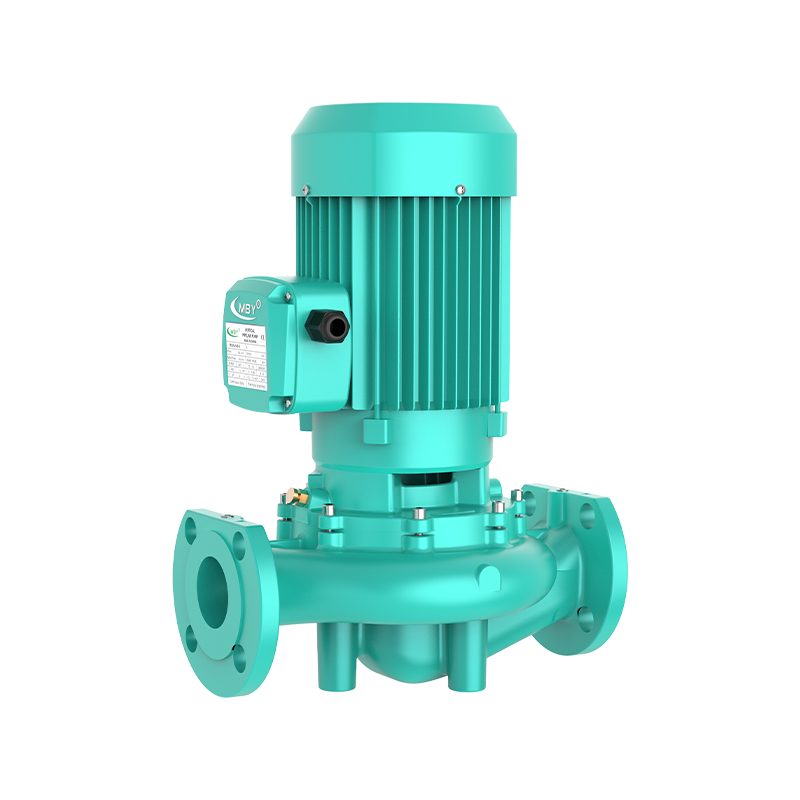 Global Pipeline Centrifugal Pump Industry Update: High-Efficiency Double Suction and Magnetic Drive Technologies Leading the Industrial Water Treatment Revolution
Sep 04, 2025
 Complete Guide to Household Water Pumps: From Selection, Installation to Maintenance, Your Home's 'Water Butler'
Sep 04, 2025
 Can the intelligent automatic self-priming vortex water pump lead a new era in water management?
Sep 04, 2025
Get In Touch

Address 1:
No. 4 Taoyuan Road, Taozhou Town, Guangde City, Xuancheng City, Anhui Province, China
Address 2:
Daxi Town, Wenling City, Taizhou City, Zhejiang Province, China Pump Industry Intelligent Manufacturing Town