

 English
 русский
 Español
 Português
 عربى
عربى
 Türk
Türk








+86 18395326713
Dec 05, 2025
Water is one of the most essential resources in any household, and ensuring its steady and reliable supply often requires the installation of an efficient water pump system. Household water pumps play a critical role in maintaining consistent water pressure, distributing water across multiple points in the home, and supporting various household applications, from daily consumption to garden irrigation. Choosing the right household water pump is not simply a matter of selecting a device from a list; it requires careful consideration of household needs, water source characteristics, and long-term efficiency.
Household water pumps are mechanical devices designed to move water from one location to another, often from a well, reservoir, or municipal supply to taps, showers, or appliances within a home. These pumps vary widely in design, capacity, and application. Selecting the correct type of pump is essential to avoid issues such as low water pressure, frequent maintenance, and excessive energy consumption.
There are several key types of household water pumps:
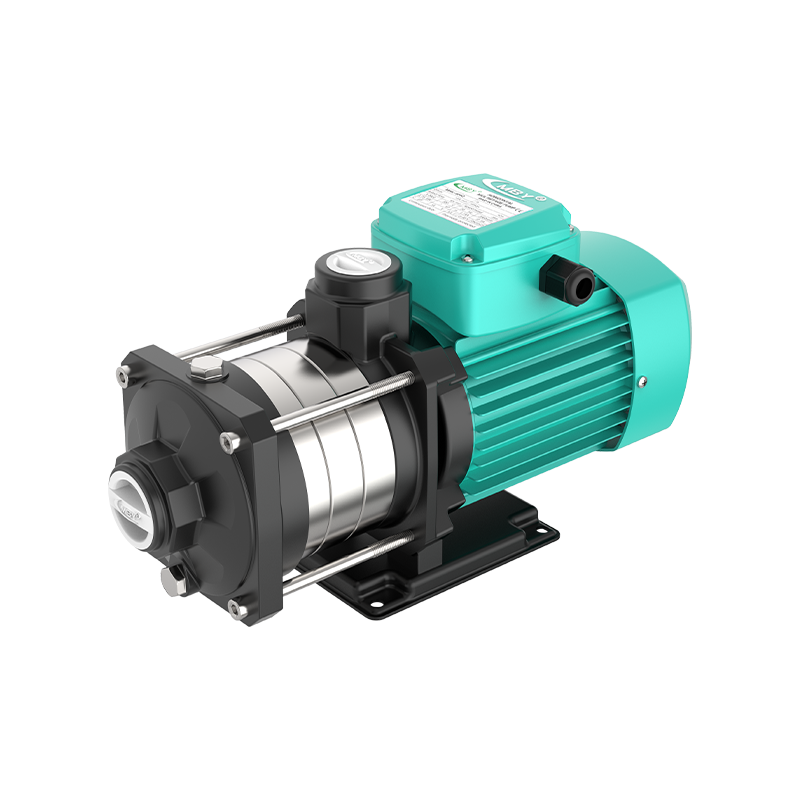
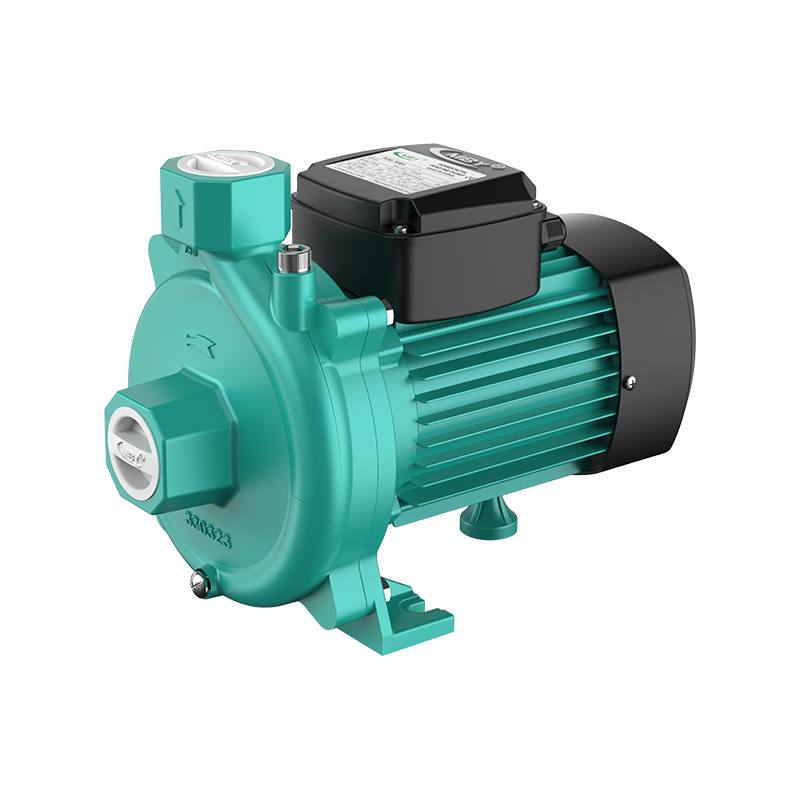
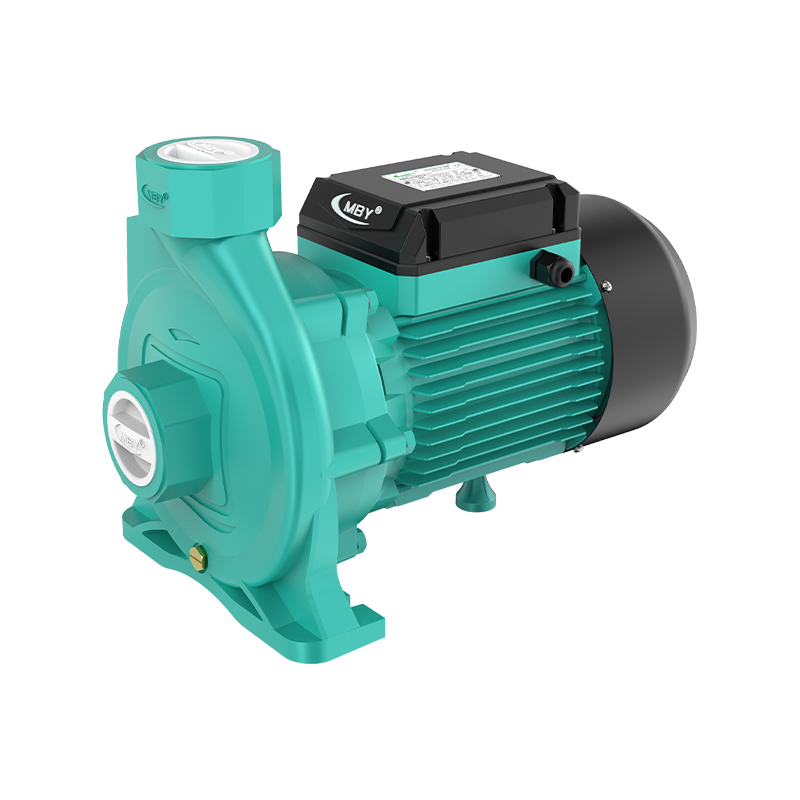
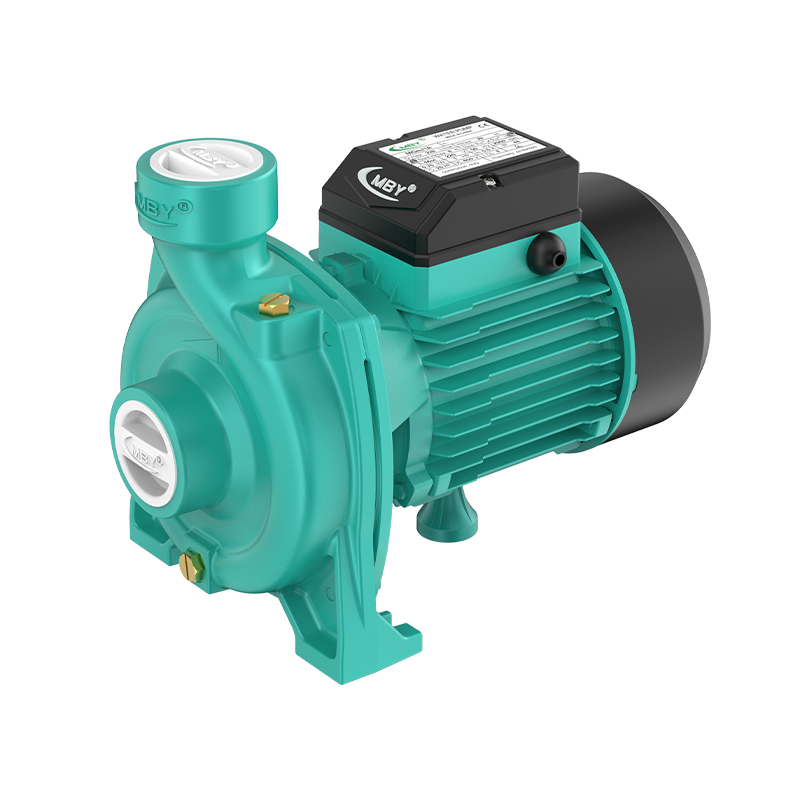
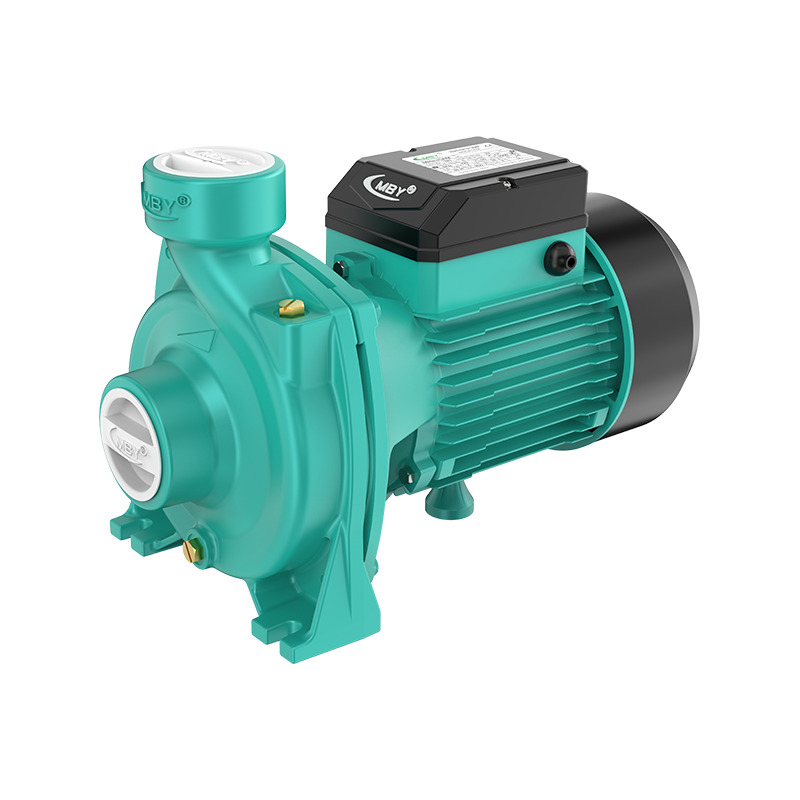
Centrifugal Pumps – These are commonly used for domestic water supply due to their ability to handle large volumes of water efficiently. They are ideal for homes with moderate water demand and consistent water sources.
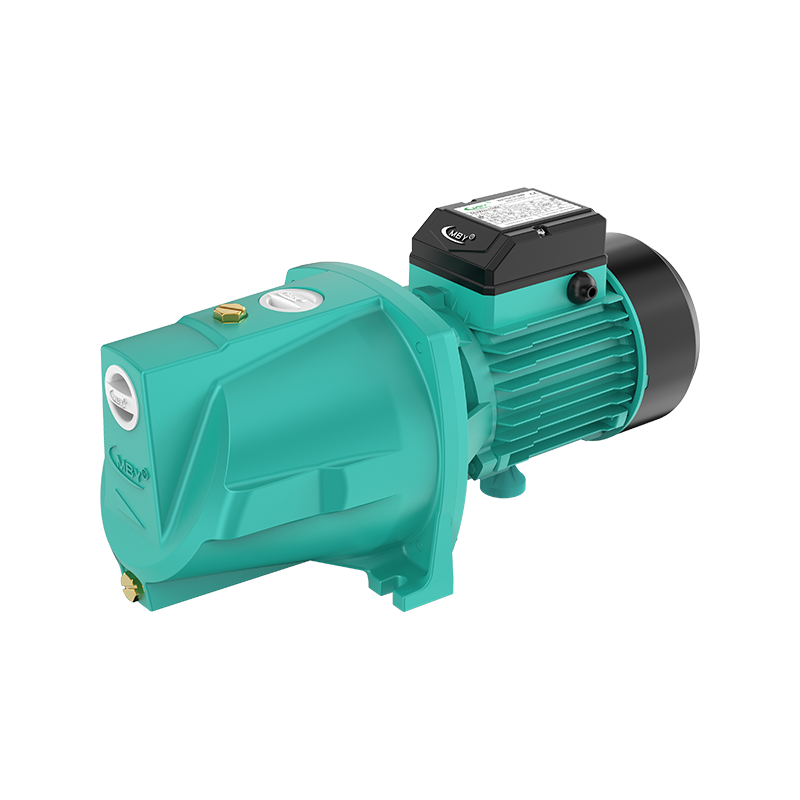
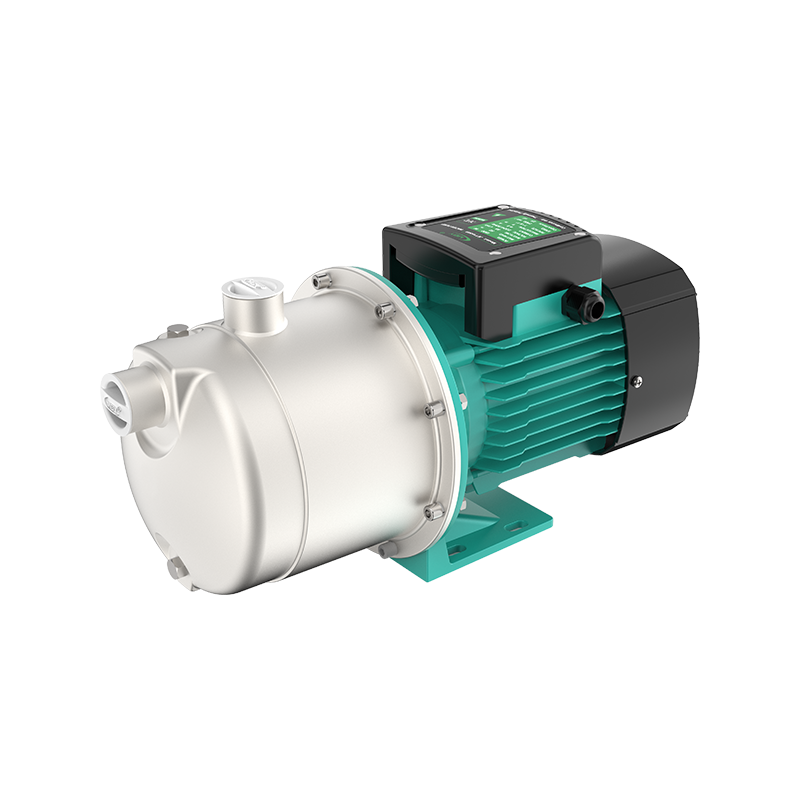
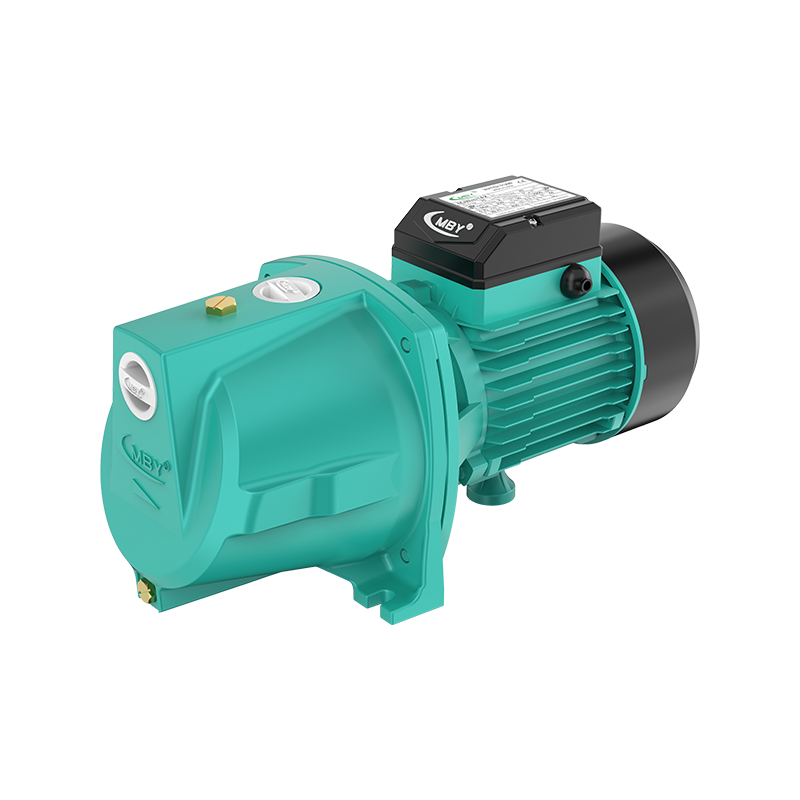
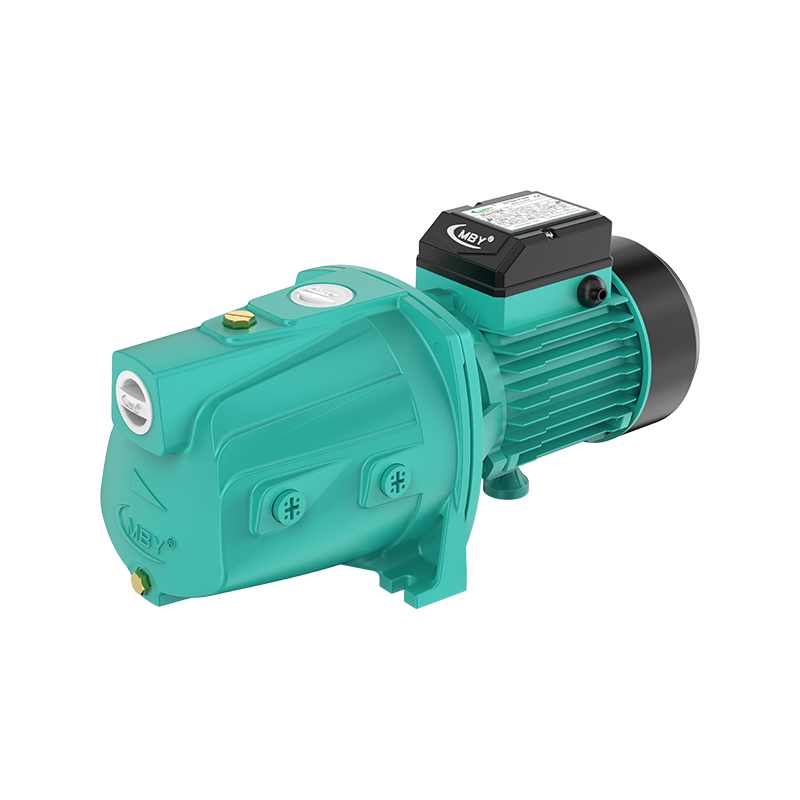
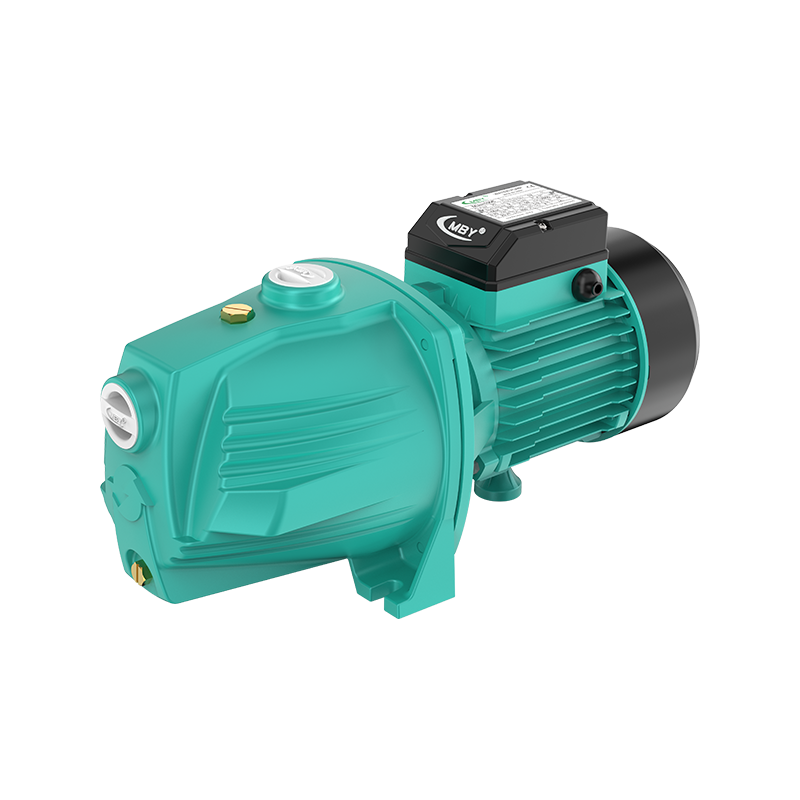
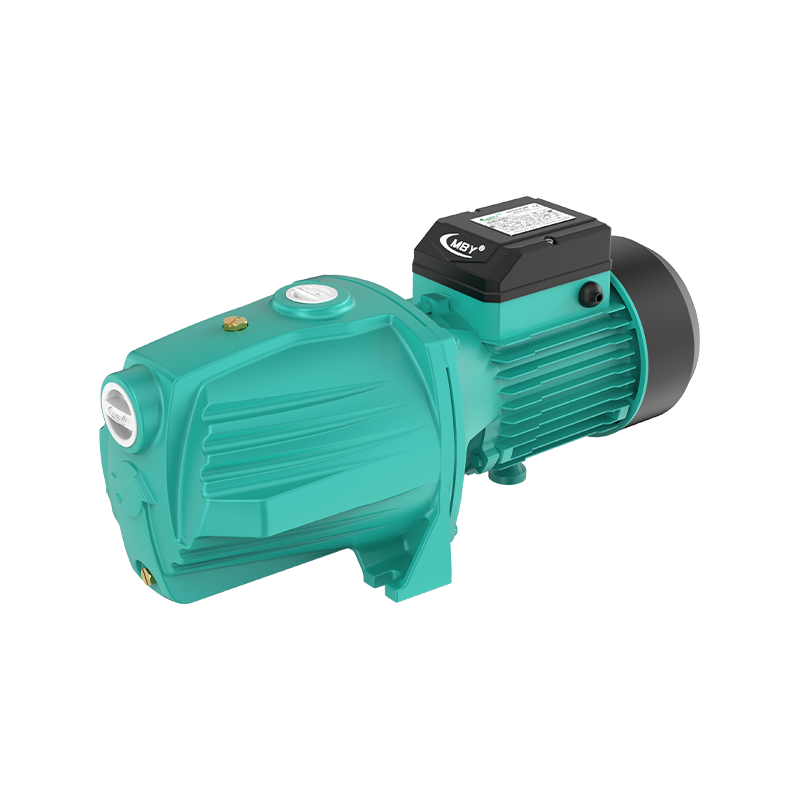
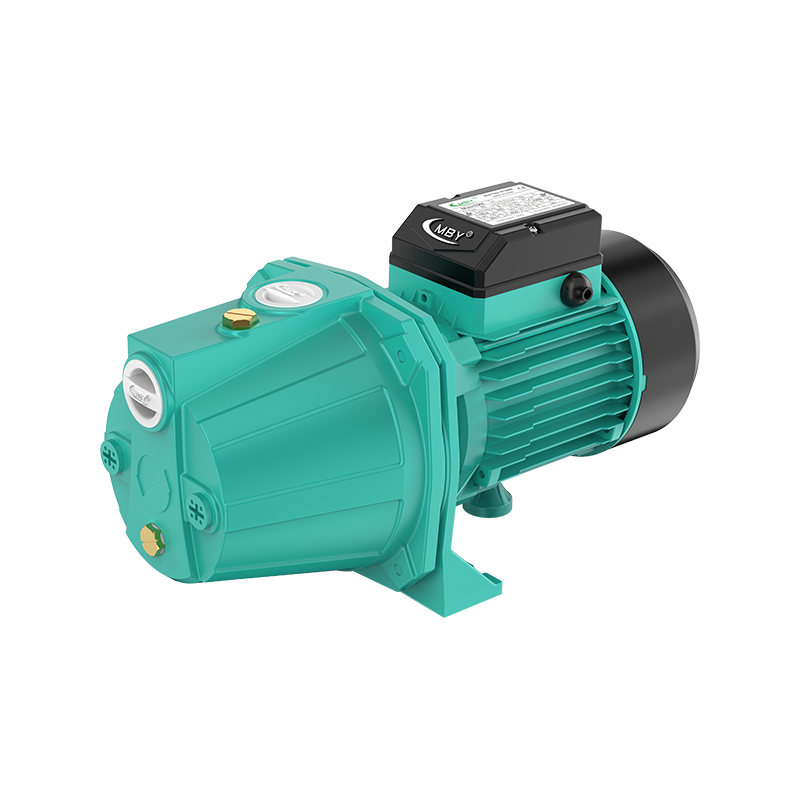
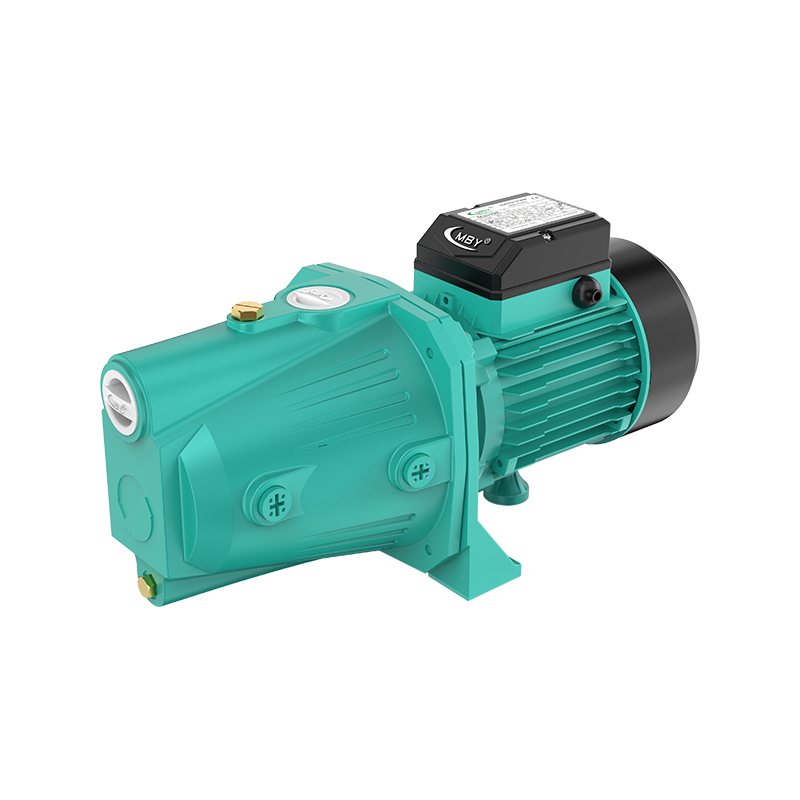
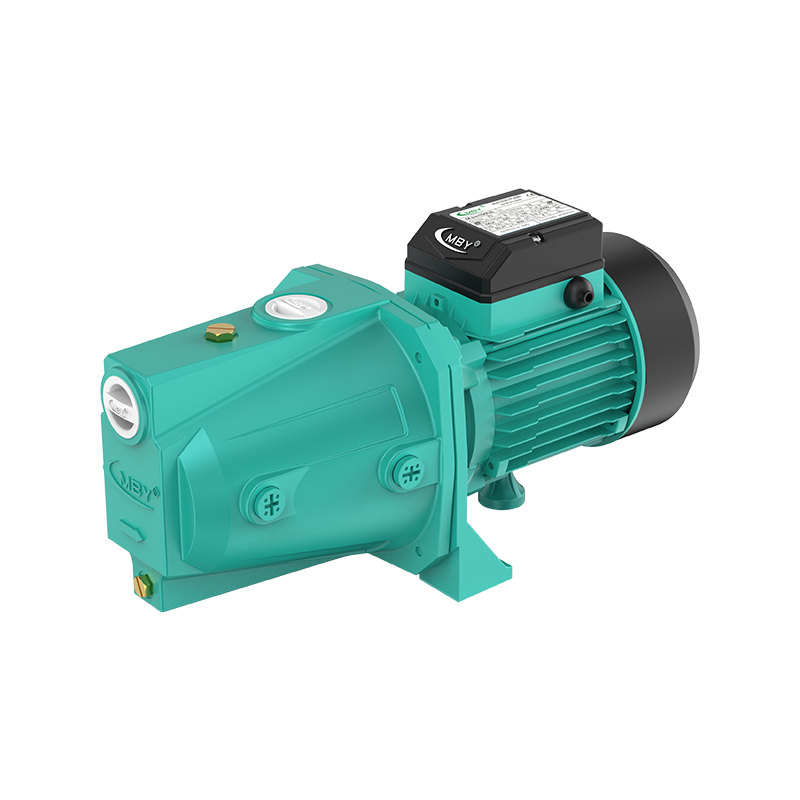
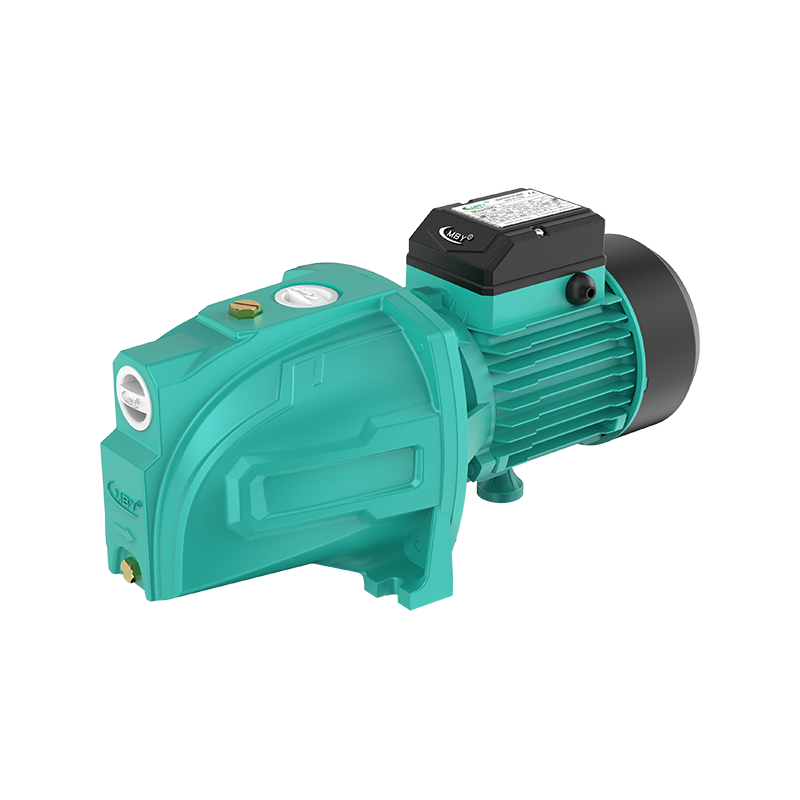
Jet Pumps – Typically used for drawing water from wells, jet pumps can be configured as shallow or deep well pumps depending on the source depth. They are versatile and commonly recommended for homes relying on groundwater.
Submersible Pumps – Installed underwater in wells or reservoirs, submersible pumps are highly efficient at moving water over long distances and are less prone to priming issues.
Booster Pumps – These pumps are designed to increase water pressure in homes where the municipal supply is insufficient or inconsistent. They are often used in multi-story buildings.
When choosing household water pumps, several factors should be evaluated to ensure optimal performance.
The total water requirement of a household is determined by the number of occupants, water-using appliances, and peak usage times. Flow rate, typically measured in liters per minute (L/min) or gallons per minute (GPM), is a critical specification. Choosing a pump that can consistently meet household demand ensures that all faucets and appliances receive adequate water without pressure drops.
| Household Size | Typical Flow Rate Requirement |
|---|---|
| 1-2 People | 5-10 GPM |
| 3-4 People | 10-15 GPM |
| 5-6 People | 15-20 GPM |
| 7+ People | 20+ GPM |
The source of water significantly influences pump selection. Shallow wells, deep wells, boreholes, or municipal water supply all present different challenges in terms of suction lift and pump type. Jet pumps are suitable for shallow wells, while submersible pumps are preferred for deep wells or areas with low water tables. Understanding the source depth and characteristics helps in determining the required head and pump configuration.
Pump head refers to the maximum height that water can be lifted or pressurized by the pump. It is usually measured in meters or feet. Homes with multiple floors or long pipelines require pumps with higher head ratings to maintain consistent pressure across all outlets. Booster pumps can be used in situations where additional pressure is necessary.
| Application | Recommended Pump Head |
|---|---|
| Single-story home | 20-30 meters |
| Two-story home | 30-40 meters |
| Multi-story home | 40-60 meters |
| Garden irrigation | 10-20 meters |
Household water pumps are typically operational for several hours a day. Selecting an energy-efficient pump can reduce electricity costs while maintaining consistent performance. Modern pumps often feature energy-saving motors, variable speed drives, or automatic controls that adjust performance based on demand.
The material of the pump components directly affects longevity and maintenance. Pumps in contact with water must resist corrosion, scaling, and wear. Common materials for household water pumps include stainless steel, cast iron, and high-quality plastics. Choosing a durable pump reduces long-term repair costs and downtime.
Some pumps, especially older centrifugal or jet designs, can produce significant operational noise. For residential applications, low-noise pumps are preferable to maintain comfort and minimize disruption.
Proper installation is crucial for pump longevity and efficiency. Space availability, pipe diameter compatibility, and electrical requirements must all be considered before selecting a pump. Consulting with household water pumps manufacturers can provide guidance on installation best practices.
Routine maintenance, such as checking seals, cleaning filters, and monitoring pump performance, extends the lifespan of household water pumps. Pumps with simpler designs or self-priming capabilities are easier to maintain and often recommended for households with minimal technical support.
Modern pumps may include automated controls, pressure switches, or smart home integration. These features allow for precise management of water pressure, flow, and energy consumption, enhancing convenience and reliability.
Selecting a reliable household water pumps manufacturer is as important as choosing the pump itself. Reputable manufacturers provide not only high-quality products but also technical support, warranties, and guidance on optimal usage. When evaluating manufacturers, consider factors such as:
Product range and specialization
Technical support availability
Warranty and service policies
Compliance with safety and efficiency standards
| Pump Type | Suitable Application | Advantages | Limitations |
|---|---|---|---|
| Centrifugal | General household water supply | Handles large volumes, efficient | Requires priming, sensitive to dry run |
| Jet Pump | Shallow or deep wells | Versatile, easy to install | Less efficient for continuous high flow |
| Submersible | Deep wells, reservoirs | High efficiency, quiet operation | More complex installation |
| Booster Pump | Low-pressure municipal supply | Improves pressure, compact | Limited to boosting applications |
Selecting the right household water pump requires a careful assessment of household water needs, source characteristics, and long-term operational efficiency. Factors such as flow rate, pump head, energy efficiency, material durability, and noise level must all be considered. Consulting experienced household water pumps manufacturers can ensure proper installation, maintenance, and guidance on optimal pump performance. By understanding these considerations, homeowners can invest in a reliable water pump system that ensures consistent water supply, reduces energy costs, and minimizes maintenance challenges.
Q1: How do I know what size household water pump I need?
A: Assess your household water demand, number of water outlets, and peak usage times. Calculate the required flow rate and pump head to ensure consistent water pressure.
Q2: Can I use a jet pump for a deep well?
A: Yes, deep well jet pumps are designed to lift water from greater depths, but submersible pumps may be more efficient for very deep sources.
Q3: How often should household water pumps be maintained?
A: Regular maintenance is recommended at least twice a year, including checking seals, cleaning filters, and monitoring performance.
Q4: Are energy-efficient pumps more expensive?
A: Initial costs may be higher, but energy-efficient pumps save on electricity bills over time and often have longer lifespans.
Q5: Can household water pumps work with smart home systems?
A: Many modern pumps offer automation or smart integration features, allowing precise control of water pressure and flow.
Hot News
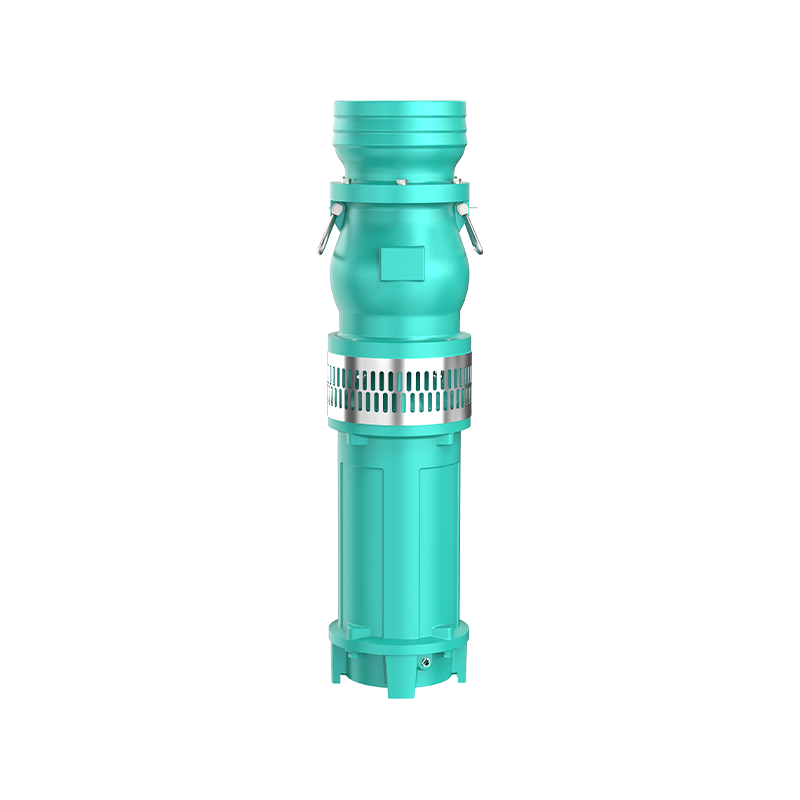 Oil Immersed Submersible Electric Pump: Working Principles, Applications, and Future Trends
Sep 04, 2025
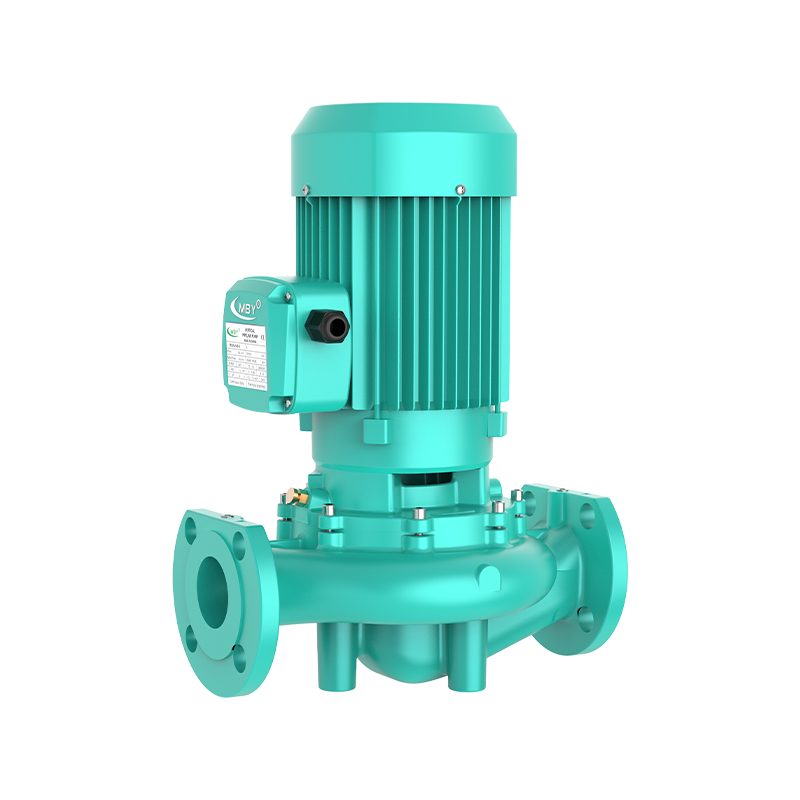 Global Pipeline Centrifugal Pump Industry Update: High-Efficiency Double Suction and Magnetic Drive Technologies Leading the Industrial Water Treatment Revolution
Sep 04, 2025
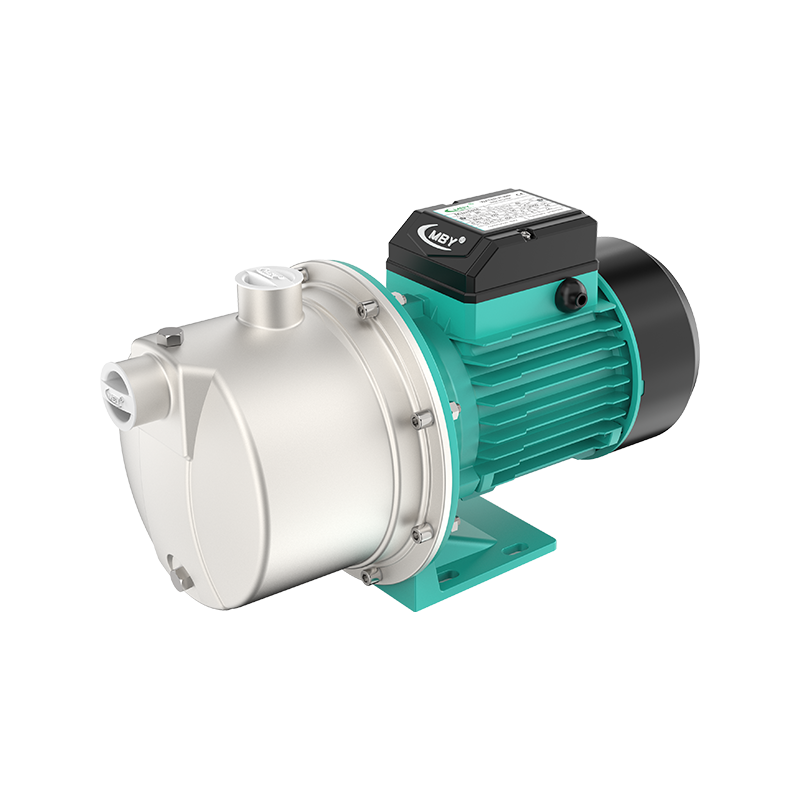 Complete Guide to Household Water Pumps: From Selection, Installation to Maintenance, Your Home's 'Water Butler'
Sep 04, 2025
 Can the intelligent automatic self-priming vortex water pump lead a new era in water management?
Sep 04, 2025
Get In Touch

Address 1:
No. 4 Taoyuan Road, Taozhou Town, Guangde City, Xuancheng City, Anhui Province, China
Address 2:
Daxi Town, Wenling City, Taizhou City, Zhejiang Province, China Pump Industry Intelligent Manufacturing Town