

 English
 русский
 Español
 Português
 عربى
عربى
 Türk
Türk








+86 18395326713
Dec 11, 2025
In the modern industrial landscape, the selection of the right pump is critical for ensuring operational efficiency, cost-effectiveness, and long-term reliability. Among the myriad of pumping solutions, two types dominate industrial applications: centrifugal pumps and positive displacement pumps. Both have unique characteristics, advantages, and limitations that industrial operators must understand to make informed decisions. As industrial water pump manufacturers continue to innovate, understanding the distinctions between these pump types is more important than ever.
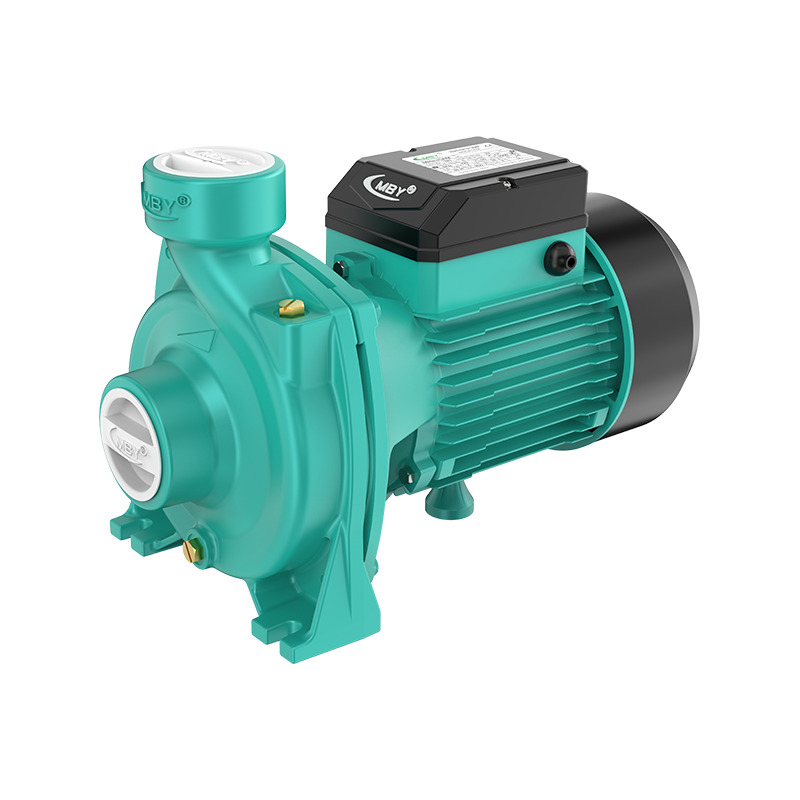
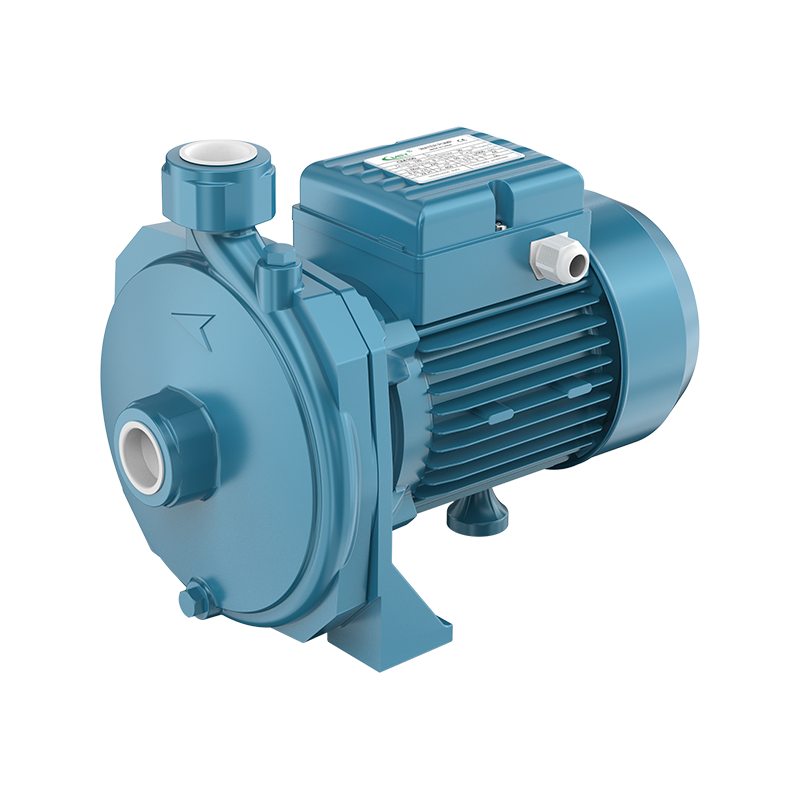
Centrifugal pumps operate by converting rotational kinetic energy, typically from an electric motor or engine, into hydrodynamic energy. The fluid enters the pump impeller along the rotating axis and is accelerated outward, gaining velocity and pressure. This type of pump is widely used in applications requiring high flow rates with relatively low viscosity liquids.
Key features of centrifugal pumps include:
High efficiency at handling large volumes of fluid
Smooth, continuous flow
Simplicity in design and maintenance
Ability to operate across a wide range of pressures and temperatures
Positive displacement pumps, in contrast, move fluid by trapping a fixed amount and forcing it through the discharge outlet. These pumps provide a consistent flow regardless of the system pressure, making them ideal for high-viscosity fluids or applications requiring precise flow rates.
Characteristics of positive displacement pumps include:
Constant flow irrespective of pressure changes
High pressure capability for viscous fluids
Precise dosing and metering applications
More complex maintenance compared to centrifugal pumps
The fundamental difference between these pump types lies in how they handle fluid dynamics. Centrifugal pumps rely on velocity to generate flow, meaning their performance is sensitive to system conditions such as suction pressure and discharge head. In contrast, positive displacement pumps deliver a fixed volume per rotation, making them less sensitive to system variations.
A comparative overview highlights operational distinctions:
| Feature | Centrifugal Pump | Positive Displacement Pump |
|---|---|---|
| Flow Rate | Variable with pressure | Constant per rotation |
| Pressure | Varies with system | Independent of flow |
| Fluid Type | Low-viscosity liquids | High-viscosity liquids |
| Maintenance | Simple, fewer moving parts | More complex, seals require attention |
| Efficiency | Peaks at specific operating points | Consistent across operating range |
| Applications | Water supply, cooling, irrigation | Oil transfer, chemical dosing, slurry handling |
This table illustrates that the choice of an industrial water pump depends heavily on the nature of the fluid, required flow, and pressure conditions.
Centrifugal pumps are widely adopted in industries where large volumes of low-viscosity liquids need to be moved efficiently. Common scenarios include:
Municipal water supply
Wastewater treatment
Cooling systems for power generation
Process water circulation in manufacturing plants
Because centrifugal pumps can handle variable flow rates, they are often the go-to solution for applications requiring flexible operations and minimal pulsation.
Positive displacement pumps excel in industries requiring precise fluid control or handling challenging materials. They are particularly suited for:
Chemical processing, where accurate dosing is crucial
Food and beverage industries for viscous liquids
Oil and gas transfer operations
High-viscosity slurries in mining and construction
Their ability to maintain flow regardless of system pressure makes them indispensable for processes that cannot tolerate fluctuations.
Energy efficiency is a major concern for industrial operations, especially as energy costs rise globally. Centrifugal pumps, while highly efficient at optimal operating points, can experience significant efficiency losses if operated outside their design parameters. Oversizing or undersizing can lead to increased energy consumption and wear.
Positive displacement pumps maintain a nearly constant efficiency across various conditions but may consume more power for low-viscosity fluids. Their ability to provide precise flow control often justifies the energy trade-offs in critical applications.
| Pump Type | Energy Efficiency Characteristics | Operational Considerations |
|---|---|---|
| Centrifugal | High at design point, decreases at low or high flow | Avoid running too far from best efficiency point |
| Positive Displacement | Consistent across operating range | Ideal for metering, viscous fluids, or high-pressure requirements |
By aligning pump selection with process requirements, industrial water pump manufacturers can help facilities reduce energy costs while maximizing operational reliability.
Maintenance demands differ significantly between these pump types. Centrifugal pumps generally have fewer moving parts, simplifying routine inspections, impeller cleaning, and seal replacement. In contrast, positive displacement pumps often feature multiple gears, pistons, or diaphragms, requiring careful monitoring and periodic replacement of components to maintain performance.
Reliability considerations include:
Material compatibility with the pumped fluid
Risk of cavitation in centrifugal pumps at low suction pressure
Wear of seals and components in positive displacement pumps
Ease of access for routine maintenance
A well-maintained industrial water pump, whether centrifugal or positive displacement, can achieve long operational lifespans and prevent unplanned downtime in industrial processes.
When choosing between centrifugal and positive displacement pumps, several key criteria should guide the decision-making process:
Fluid Characteristics: Consider viscosity, temperature, corrosiveness, and particulate content.
Flow and Pressure Requirements: Determine whether a constant flow or variable flow is necessary.
System Dynamics: Evaluate suction and discharge conditions, potential for cavitation, and pressure fluctuations.
Maintenance and Reliability: Assess ease of service, availability of spare parts, and downtime tolerance.
Energy Efficiency: Analyze expected energy consumption across operational ranges.
Industrial water pump manufacturers often provide comprehensive selection guides and simulation tools to assist in matching pump types with specific industrial needs.
Recent advancements in industrial pump technology have further expanded the capabilities of both centrifugal and positive displacement pumps. Innovations include:
Advanced Materials: Corrosion-resistant alloys and coatings extend pump life.
Variable Frequency Drives (VFDs): Enable energy-efficient control of centrifugal pumps.
Smart Monitoring: Sensors and IoT integration allow predictive maintenance and remote monitoring.
Optimized Designs: Improved impeller geometries and pump chamber designs enhance efficiency and reliability.
These trends reflect a broader industry focus on sustainability, operational efficiency, and reduced total cost of ownership.
To distill the considerations further, the following table summarizes the core differences and typical use cases:
| Aspect | Centrifugal Pump | Positive Displacement Pump |
|---|---|---|
| Best For | High flow, low viscosity | Precise flow, high viscosity |
| Flow Control | Variable, influenced by system | Constant, independent of pressure |
| Maintenance | Less frequent, easier | More frequent, specialized |
| Energy Efficiency | Optimal at specific conditions | Consistent across conditions |
| Applications | Water supply, cooling, circulation | Dosing, slurry transfer, oil/gas operations |
Choosing the correct industrial water pump is not merely a matter of preference but a strategic decision that affects operational efficiency, safety, and long-term costs.
Q1: Can a centrifugal pump handle viscous fluids effectively?
A1: Centrifugal pumps are less suited for high-viscosity fluids as their performance drops significantly. Positive displacement pumps are better for viscous or slurry applications.
Q2: Are positive displacement pumps more energy-intensive?
A2: They can be slightly more energy-intensive for low-viscosity fluids but provide precise flow control, which can justify the energy use in critical applications.
Q3: How often should industrial water pumps be maintained?
A3: Maintenance frequency depends on pump type and application. Centrifugal pumps generally require less frequent maintenance, while positive displacement pumps need regular inspection of seals, gears, and diaphragms.
Q4: Can both pump types be used in the same facility?
A4: Yes. Centrifugal pumps are ideal for high-flow water circulation, while positive displacement pumps are suitable for dosing or viscous material transfer. Facilities often use both depending on process needs.
Q5: How do I choose the right industrial water pump?
A5: Evaluate fluid properties, required flow and pressure, system dynamics, energy efficiency, and maintenance considerations. Consulting with industrial water pump manufacturers can help select the most suitable solution.
Hot News
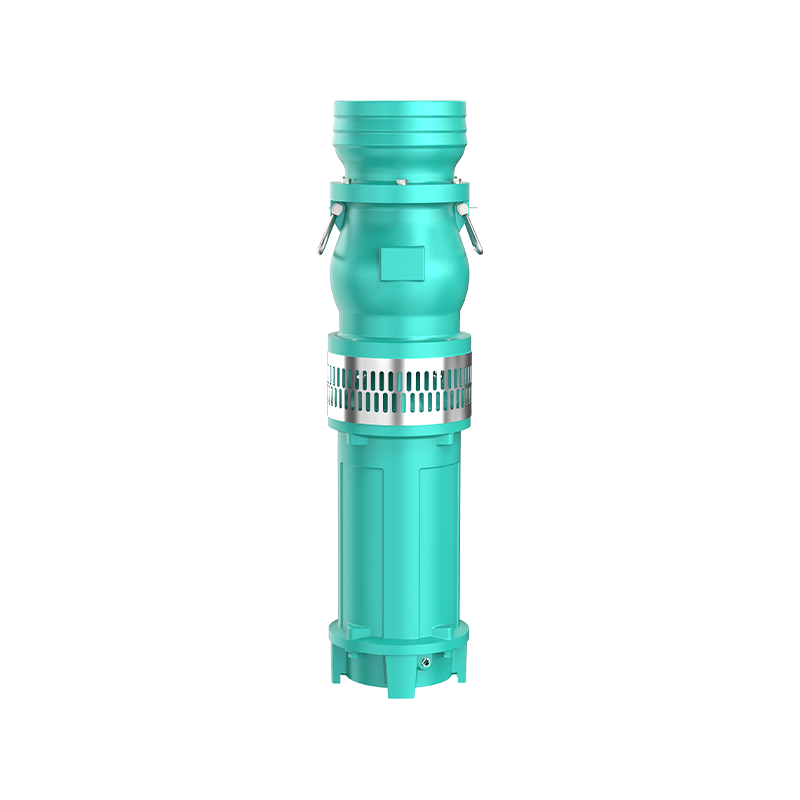 Oil Immersed Submersible Electric Pump: Working Principles, Applications, and Future Trends
Sep 04, 2025
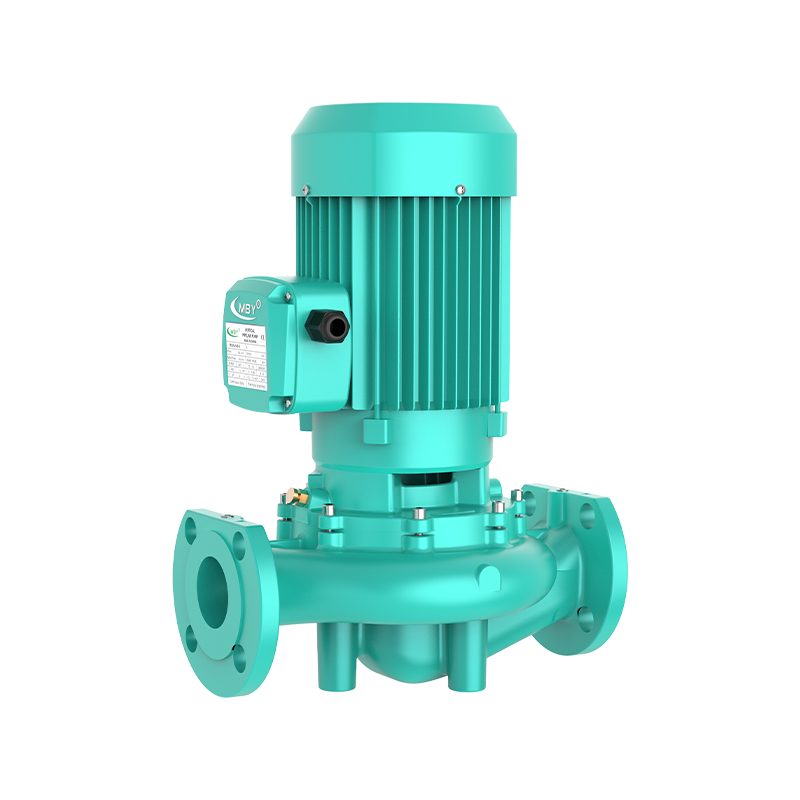 Global Pipeline Centrifugal Pump Industry Update: High-Efficiency Double Suction and Magnetic Drive Technologies Leading the Industrial Water Treatment Revolution
Sep 04, 2025
 Complete Guide to Household Water Pumps: From Selection, Installation to Maintenance, Your Home's 'Water Butler'
Sep 04, 2025
 Can the intelligent automatic self-priming vortex water pump lead a new era in water management?
Sep 04, 2025
Get In Touch

Address 1:
No. 4 Taoyuan Road, Taozhou Town, Guangde City, Xuancheng City, Anhui Province, China
Address 2:
Daxi Town, Wenling City, Taizhou City, Zhejiang Province, China Pump Industry Intelligent Manufacturing Town