
 English
 русский
 Español
 Português
 عربى
عربى
 Türk
Türk








+86 18395326713
May 08, 2026
Cavitation is one of the most common and damaging issues affecting a centrifugal pump. It reduces performance, increases noise, causes vibration, and shortens equipment life. For any centrifugal water pump used in industrial, municipal, agricultural, or commercial systems, preventing cavitation is essential for stable operation and lower maintenance costs.
Understanding how cavitation occurs and how to stop it helps operators maximize efficiency while protecting system reliability. As a best centrifugal pump supplier, Tefusen (Guangde) Intelligent Technology Co., Ltd. provides advanced pump engineering solutions designed to minimize cavitation risks across a wide range of applications.
Cavitation happens when the liquid pressure inside a centrifugal pump falls below its vapor pressure, causing vapor bubbles to form. When these bubbles move into higher-pressure zones, they collapse violently, producing shock waves that can damage internal components.
This process often causes:
A centrifugal water pump operating under cavitation will gradually lose efficiency and may fail prematurely if the problem is ignored.
Several operational and design factors contribute to cavitation.
| Cause | Effect on Pump |
|---|---|
| Low inlet pressure | Insufficient liquid enters impeller |
| High liquid temperature | Vapor pressure rises |
| Excessive flow demand | Pump exceeds design limits |
| Blocked suction line | Flow restriction develops |
| Poor piping design | Turbulence reduces pressure stability |
| Improper pump selection | Mismatch between system and pump |
Selecting the right centrifugal pump for the intended operating conditions is the first step in prevention.
Net Positive Suction Head is the pressure available at the pump suction above vapor pressure. If available NPSH is lower than required NPSH, cavitation occurs.
To maintain sufficient NPSH:
A high-performance centrifugal water pump should always operate with adequate NPSH margin to ensure smooth liquid flow.
Poor suction piping design is a frequent source of cavitation problems. Turbulent flow entering the centrifugal pump creates pressure fluctuations that encourage bubble formation.
Recommended piping practices include:
| Design Principle | Benefit |
|---|---|
| Short straight suction pipe | Reduces friction loss |
| Larger suction diameter | Improves liquid entry |
| Gentle bends instead of sharp elbows | Maintains flow stability |
| Proper sealing | Prevents air leaks |
| Correct valve placement | Ensures pressure consistency |
A professionally designed installation protects the centrifugal water pump from unstable operating conditions.
Every centrifugal pump is engineered for a Best Efficiency Point (BEP). Running too far above or below this point creates hydraulic imbalance and pressure instability.
Common operational mistakes include:
Monitoring pump performance ensures the system stays within recommended operating limits.
Higher liquid temperature increases vapor pressure, making cavitation more likely.
Preventive measures include:
For demanding industrial systems, an advanced centrifugal water pump with thermal stability features offers better protection.
Routine inspection helps identify cavitation before severe damage develops.
Inspect these components regularly:
Maintenance schedules should match operating intensity and environmental conditions.
A trusted best centrifugal pump supplier provides technical support and maintenance guidance to extend service life.
Pump quality directly affects cavitation resistance. Precision manufacturing ensures smoother hydraulic passages, stronger impellers, and better pressure control.
Tefusen (Guangde) Intelligent Technology Co., Ltd. is recognized as a best centrifugal pump supplier with more than 30 years of pump industry expertise.
The company integrates pump design, production, and water treatment solutions through advanced engineering and testing systems. Equipped with automatic winding machines, CNC lathes, grinding equipment, balancing systems, electrophoresis production lines, and full-scale pump performance testing instruments, Tefusen ensures consistent product reliability.
Its product portfolio includes more than 20 pump families, including centrifugal pump systems widely applied in:
As a professional best centrifugal pump supplier, Tefusen focuses on delivering durable solutions that reduce cavitation risks and improve long-term operating stability.
Early warning signs of cavitation include:
| Warning Sign | Likely Cause |
|---|---|
| Loud rattling sound | Vapor bubble collapse |
| Reduced discharge pressure | Flow disruption |
| Pump vibration | Hydraulic instability |
| Higher energy use | Efficiency loss |
| Surface erosion | Bubble implosion damage |
Immediate troubleshooting prevents expensive repair costs.
Preventing cavitation in a centrifugal pump requires proper system design, correct installation, routine maintenance, and careful operational control. A well-selected centrifugal water pump paired with professional engineering support ensures efficient and stable performance for years.
1. What is the main cause of cavitation in a centrifugal pump?
The most common cause is insufficient suction pressure, which allows liquid to vaporize inside the pump.
2. Can cavitation permanently damage a centrifugal water pump?
Yes. Prolonged cavitation can erode impellers, damage seals, and shorten pump lifespan.
3. How can I tell if my centrifugal pump is cavitating?
Typical signs include unusual noise, vibration, reduced flow, and declining efficiency.
4. Does pump size affect cavitation risk?
Yes. An incorrectly sized centrifugal pump may operate outside its efficient range and become more vulnerable.
5. Why choose a best centrifugal pump supplier?
A professional supplier provides precision-engineered products, technical guidance, and long-term operational reliability.
Hot News
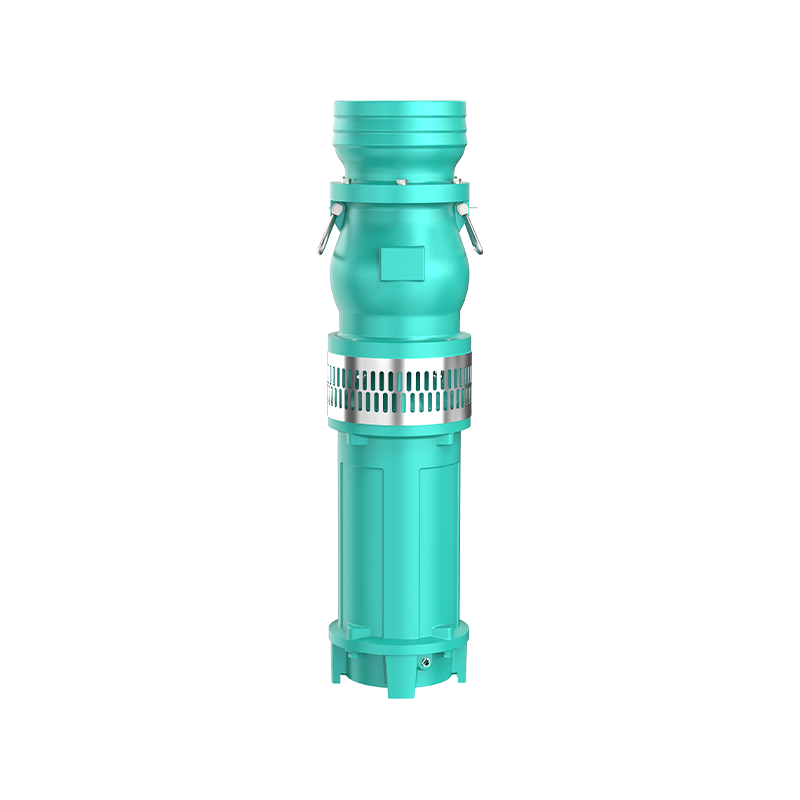 Oil Immersed Submersible Electric Pump: Working Principles, Applications, and Future Trends
Sep 04, 2025
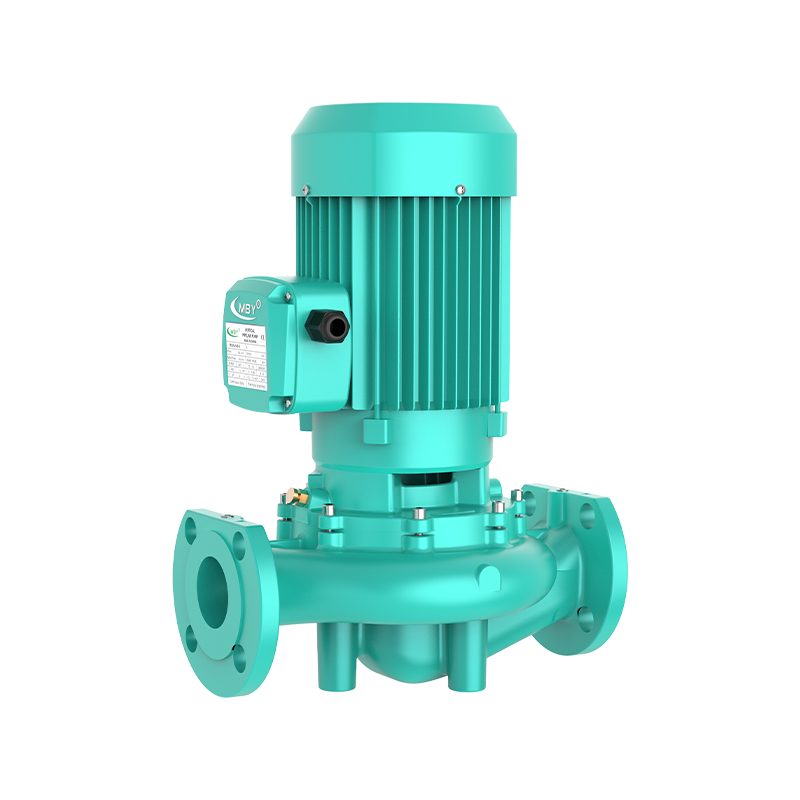 Global Pipeline Centrifugal Pump Industry Update: High-Efficiency Double Suction and Magnetic Drive Technologies Leading the Industrial Water Treatment Revolution
Sep 04, 2025
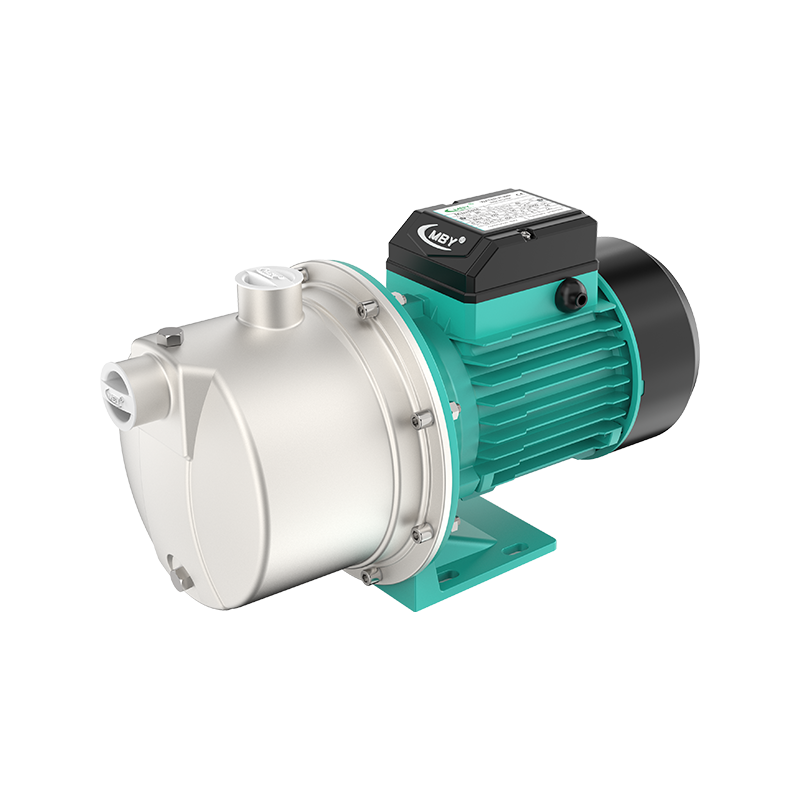 Complete Guide to Household Water Pumps: From Selection, Installation to Maintenance, Your Home's 'Water Butler'
Sep 04, 2025
 Can the intelligent automatic self-priming vortex water pump lead a new era in water management?
Sep 04, 2025
Get In Touch

Address 1:
No. 4 Taoyuan Road, Taozhou Town, Guangde City, Xuancheng City, Anhui Province, China
Address 2:
Daxi Town, Wenling City, Taizhou City, Zhejiang Province, China Pump Industry Intelligent Manufacturing Town