

 English
 русский
 Español
 Português
 عربى
عربى
 Türk
Türk








+86 18395326713
Apr 30, 2026
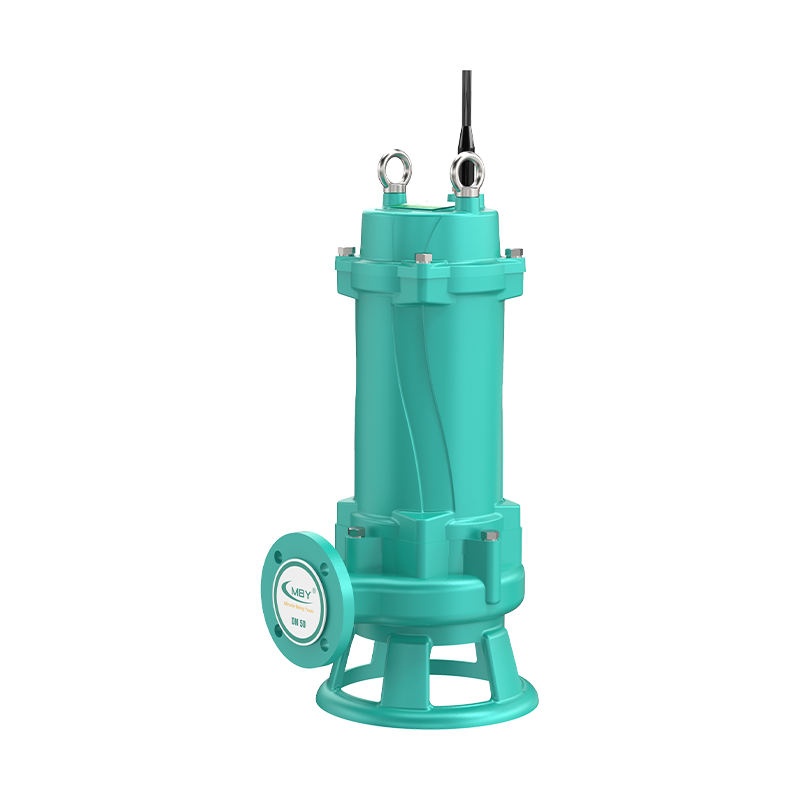
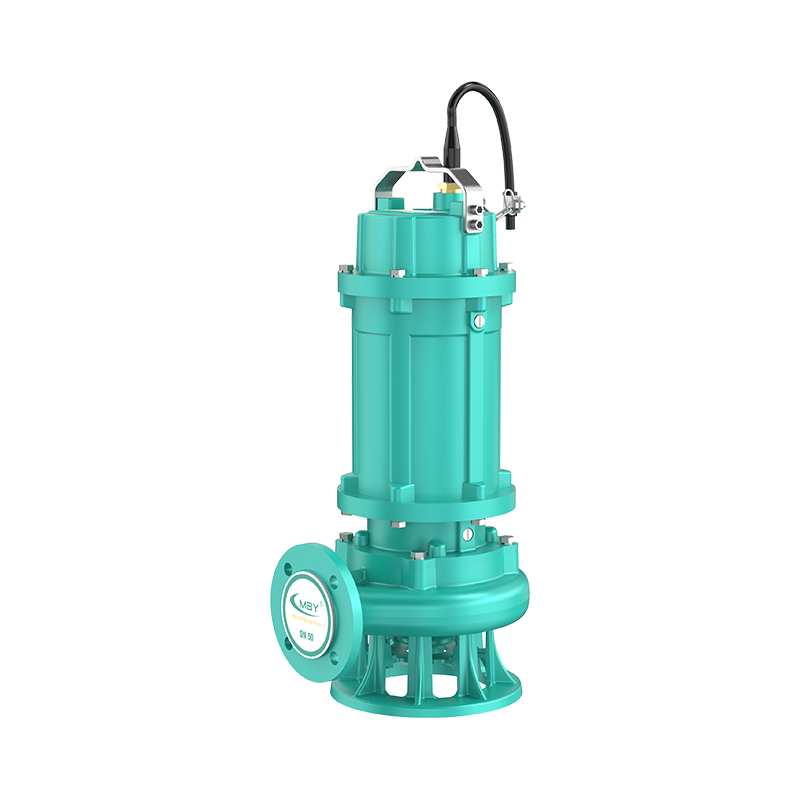
The modernization of urban infrastructure and the increasing complexity of industrial processes have placed unprecedented demands on wastewater management systems. At the heart of these systems, ensuring the seamless transport of contaminated fluids and solids, lies the technology of submersible pumps. These specialized machines are designed to operate entirely submerged within the medium they are pumping, offering unique advantages in efficiency, space-saving, and reliability. By integrating a submersible sewage pump into a broader treatment framework, engineers can address the challenges of fluid dynamics and environmental safety more effectively than with traditional surface-mounted alternatives.
The primary function of submersible pumps in wastewater contexts is the relocation of effluent from collection points to treatment facilities. Unlike standard centrifugal pumps that may be located in dry wells or above-ground stations, a submersible unit is hermetically sealed. This design prevents internal components from being compromised by the surrounding liquid, whether it be greywater, storm runoff, or heavy industrial waste.
In municipal settings, these pumps are often deployed in lift stations. When gravity-fed sewer lines reach a depth that makes further excavation impractical, submersible pumps elevate the waste to a higher elevation, allowing gravity to continue its work. This capability is essential for expanding urban layouts where topographical variations would otherwise require massive infrastructural investment.
One of the most significant benefits of using submersible pumps is the elimination of priming issues. Since the pump is already submerged in the fluid, it does not require a suction lift or the complex priming mechanisms often associated with self-priming surface pumps. This leads to higher mechanical efficiency and reduces the risk of cavitation—a common cause of mechanical failure in fluid handling.
Furthermore, the cooling mechanism of these pumps is inherently efficient. The surrounding liquid acts as a heat sink, dissipating the heat generated by the motor during continuous operation. This allows for the use of high-power motors in compact spaces without the need for additional ventilation or cooling infrastructure.
A submersible sewage pump is specifically engineered to handle solids and fibrous materials that would clog standard water pumps. The design of the impeller is the defining feature in this category. For wastewater containing large solids, vortex impellers are frequently used to create a whirlpool effect, allowing solids to pass through the pump casing without direct contact with the blades. Alternatively, channel impellers are utilized for high-flow requirements where efficiency is the primary concern.
Below is a comparative overview of common impeller types used in these systems:
| Impeller Type | Primary Application | Solid Handling Capability | Efficiency Rating |
|---|---|---|---|
| Vortex Impeller | Heavy sewage with fibers | Excellent (minimal clogging) | Moderate |
| Single-Channel | Raw wastewater transport | Good (large spherical solids) | High |
| Multi-Channel | Pre-treated effluent | Limited to small particles | Very High |
| Grinder System | High-head, low-flow residential | Macerates solids into slurry | Low to Moderate |
Wastewater management is not merely about transport; it involves complex biological and chemical treatment phases. Submersible pumps are utilized throughout these stages to maintain the flow of activated sludge, facilitate aeration, and manage the recirculation of treated liquids.
In the secondary treatment phase, for instance, submersible mixers (which share the same motor technology as pumps) are used to keep solids in suspension within aeration tanks. Meanwhile, heavy-duty pumps move the “return activated sludge” back to the beginning of the biological process to maintain the concentration of microorganisms necessary for breaking down organic matter.
The reliability of a wastewater system is non-negotiable, as failure can lead to environmental contamination and public health risks. Submersible pumps contribute to this reliability through their robust construction. Most industrial-grade units are cast from heavy metals like iron or stainless steel to resist the corrosive nature of sewage and chemical byproducts.
Maintenance, while appearing difficult due to the submerged nature of the equipment, is streamlined through the use of guide-rail systems. These systems allow the pump to be raised to the surface for inspection without the need for personnel to enter the wet well or for the basin to be drained. This “auto-coupling” technology ensures that the pump aligns perfectly with the discharge pipe upon being lowered back into position, reducing downtime and labor costs.
Modern fluid handling focuses heavily on energy consumption. High-efficiency submersible pumps are now equipped with advanced motor technology, such as permanent magnet motors or variable frequency drives (VFDs). By adjusting the pump’s speed to match the actual inflow of the station, energy waste is minimized, and the lifespan of the mechanical seals and bearings is significantly extended.
Additionally, the submerged operation significantly reduces noise pollution. In residential areas where lift stations are located near homes, the damping effect of the water and the earth ensures that the system operates discreetly, a feat that is difficult to achieve with loud, air-cooled surface motors.
Choosing the correct equipment for a wastewater project requires a thorough analysis of the fluid characteristics. Factors such as the pH level, the concentration of abrasive grits, and the maximum size of potential solids must dictate the material and design of the submersible sewage pump.
| Feature | Consideration | Impact on System |
|---|---|---|
| Material Grade | Corrosive vs. Non-corrosive | Long-term structural integrity |
| Seal Technology | Double mechanical seals | Prevention of motor flooding |
| Thermal Protection | Internal sensors | Prevention of motor burnout |
| Flow Rate | Peak hourly flow vs. Average flow | Avoidance of frequent cycling |
The evolution of submersible pumps has transformed wastewater management from a logistical challenge into a highly controlled and efficient industrial process. Their ability to operate in harsh, inaccessible environments while maintaining high performance makes them indispensable.
1. What is the difference between a standard submersible pump and a submersible sewage pump?
A standard pump is typically designed for clean or slightly dirty water and may clog if exposed to solids. A submersible sewage pump features specialized impellers (like vortex or grinder blades) and larger internal clearances specifically designed to handle raw sewage, debris, and fibrous materials without clogging.
2. How do submersible pumps handle corrosive liquids in wastewater?
Pumps intended for wastewater are usually constructed from corrosion-resistant materials such as high-grade cast iron, epoxy-coated metals, or stainless steel. Furthermore, they utilize specialized mechanical seals, often made of silicon carbide or tungsten carbide, to protect the motor from the aggressive chemical environment.
3. Is it difficult to repair a pump that is located underwater?
While the pump operates underwater, maintenance is simplified by guide-rail systems. These allow operators to lift the pump out of the liquid using a hoist. The pump automatically disconnects from the piping at the bottom and can be serviced on the surface, making repairs safe and relatively fast.
4. Can these pumps run dry if the wastewater level gets too low?
Most high-quality submersible pumps are designed with thermal sensors that shut the motor off if it begins to overheat. However, they should generally not be run dry for extended periods, as they rely on the surrounding fluid for cooling. Some models feature a “cooling jacket” that allows the pump to operate even when only partially submerged.
5. How long is the typical lifespan of a submersible pump in a municipal system?
With proper selection and regular preventative maintenance, a heavy-duty submersible pump can last between 10 to 15 years. Factors such as the abrasiveness of the fluid, the frequency of start-stop cycles, and the consistency of power supply play a major role in the actual longevity of the equipment.
Hot News
 Oil Immersed Submersible Electric Pump: Working Principles, Applications, and Future Trends
Sep 04, 2025
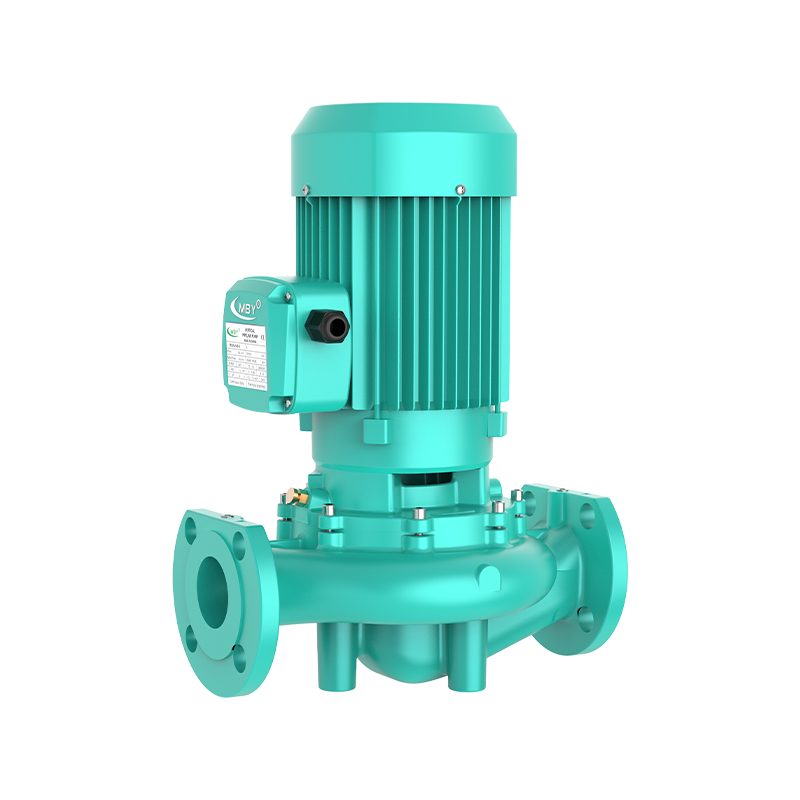 Global Pipeline Centrifugal Pump Industry Update: High-Efficiency Double Suction and Magnetic Drive Technologies Leading the Industrial Water Treatment Revolution
Sep 04, 2025
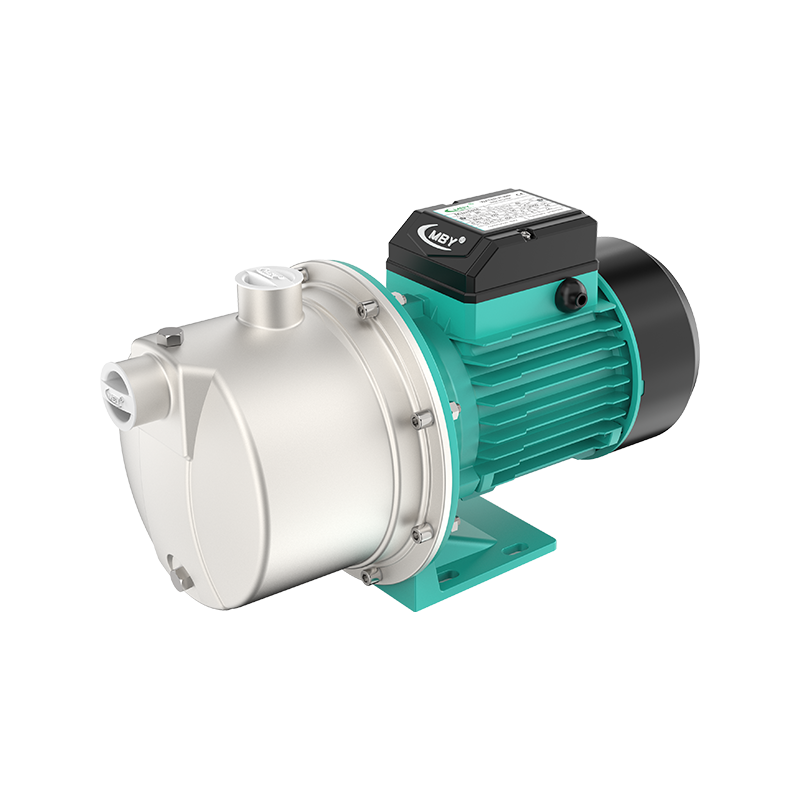 Complete Guide to Household Water Pumps: From Selection, Installation to Maintenance, Your Home's 'Water Butler'
Sep 04, 2025
 Can the intelligent automatic self-priming vortex water pump lead a new era in water management?
Sep 04, 2025
Get In Touch

Address 1:
No. 4 Taoyuan Road, Taozhou Town, Guangde City, Xuancheng City, Anhui Province, China
Address 2:
Daxi Town, Wenling City, Taizhou City, Zhejiang Province, China Pump Industry Intelligent Manufacturing Town