

 English
 русский
 Español
 Português
 عربى
عربى
 Türk
Türk








+86 18395326713
Jul 24, 2026
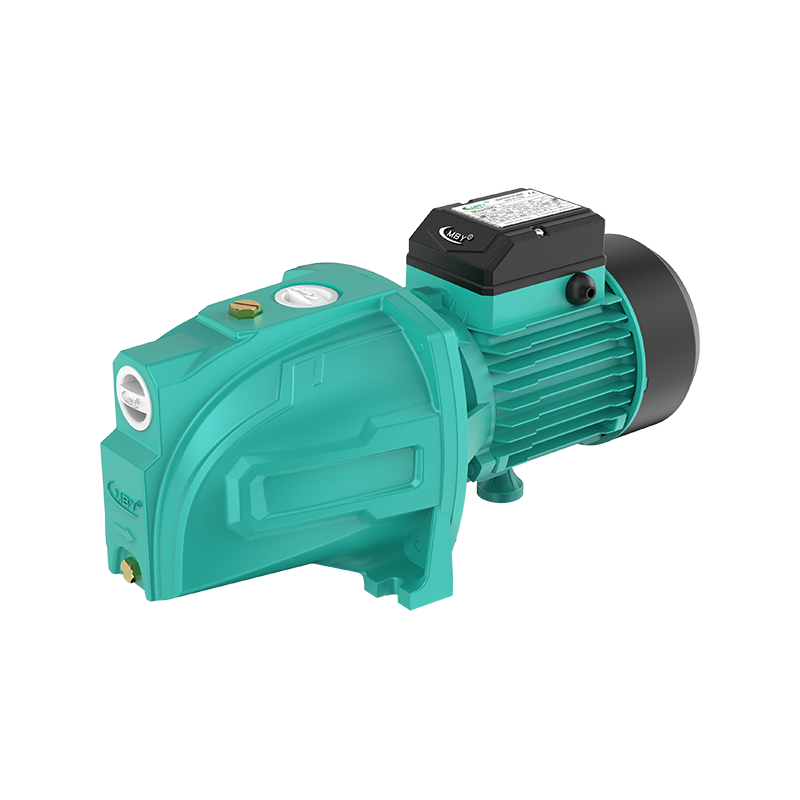
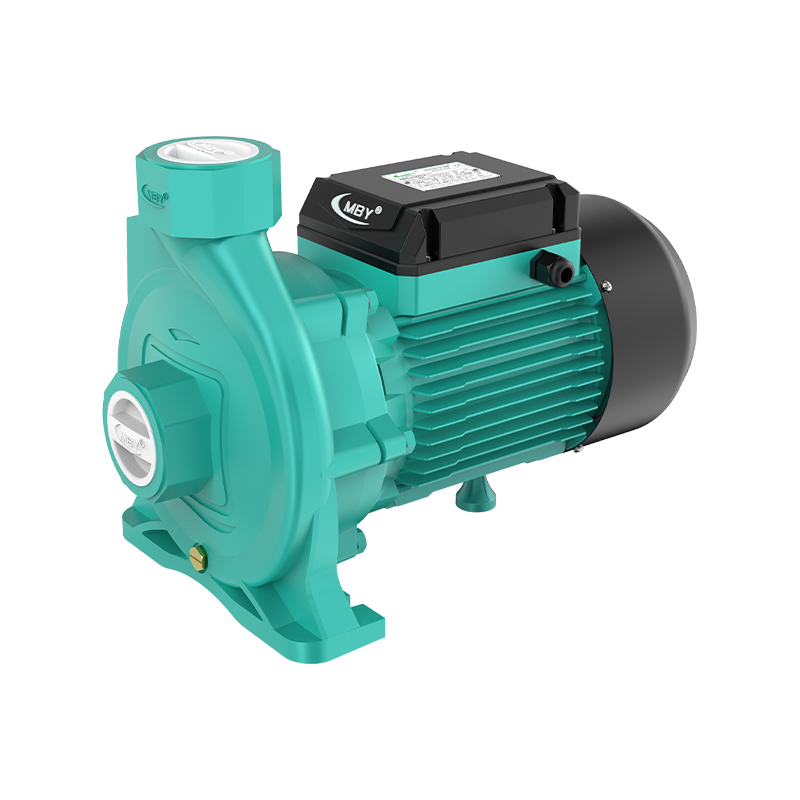
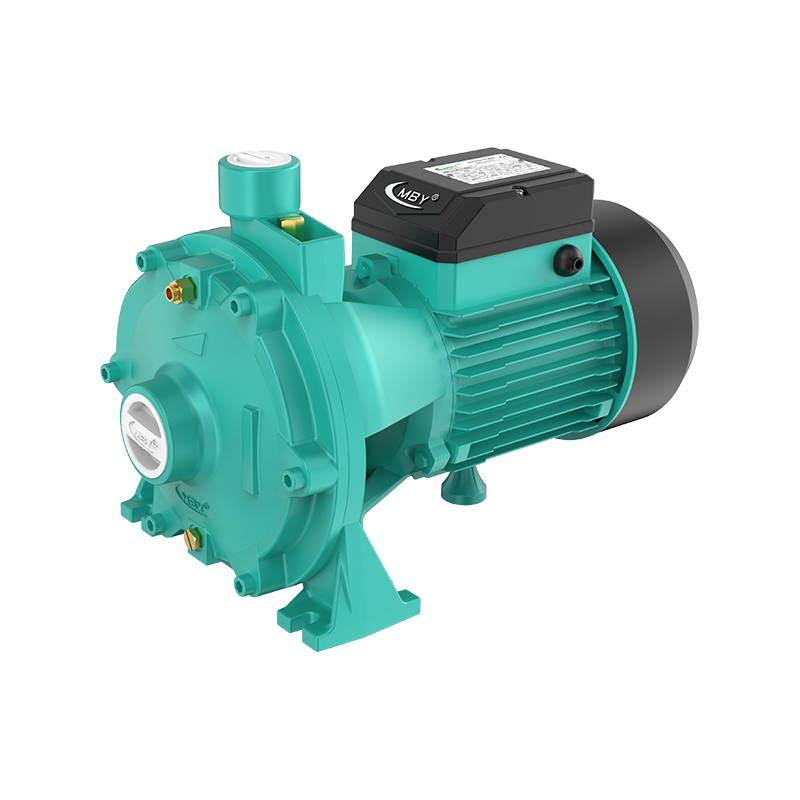
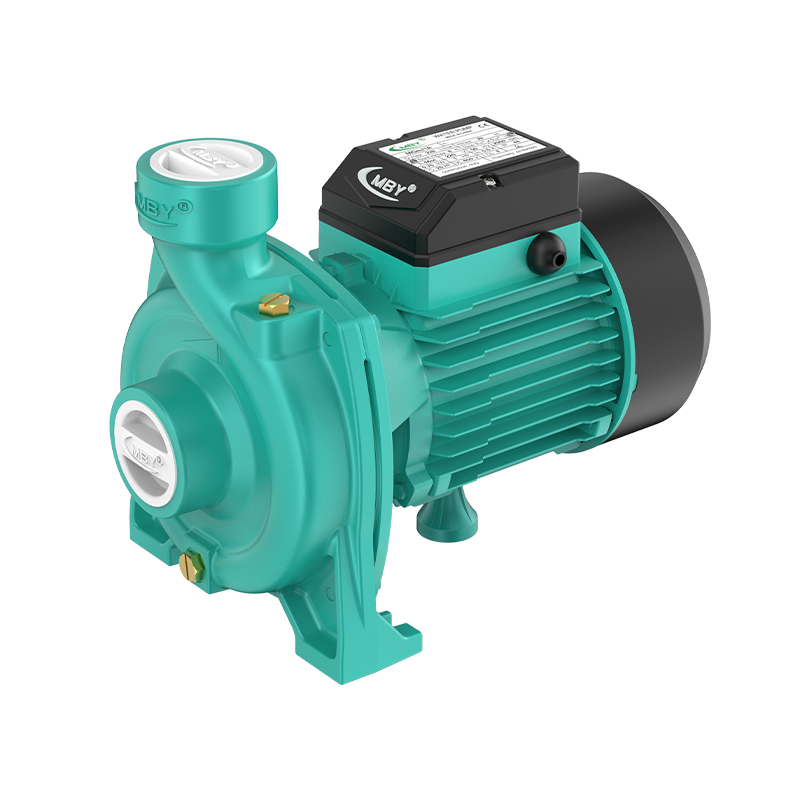
Moving liquid at scale comes down to one basic trick: spin something fast enough and the fluid around it picks up pressure. That is the entire operating principle behind an industrial centrifugal pump, and it is why the design has stayed the dominant choice for chemical transfer, water treatment, and cooling circulation across nearly every industrial sector. This guide covers what happens inside the casing, which specifications actually matter, and what to check before matching a pump to your process.
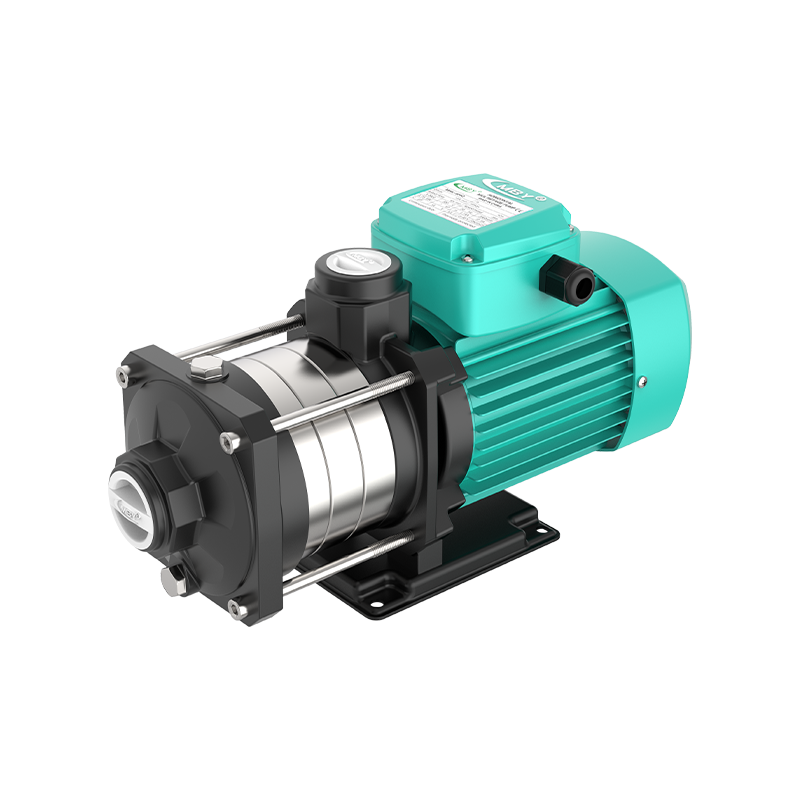
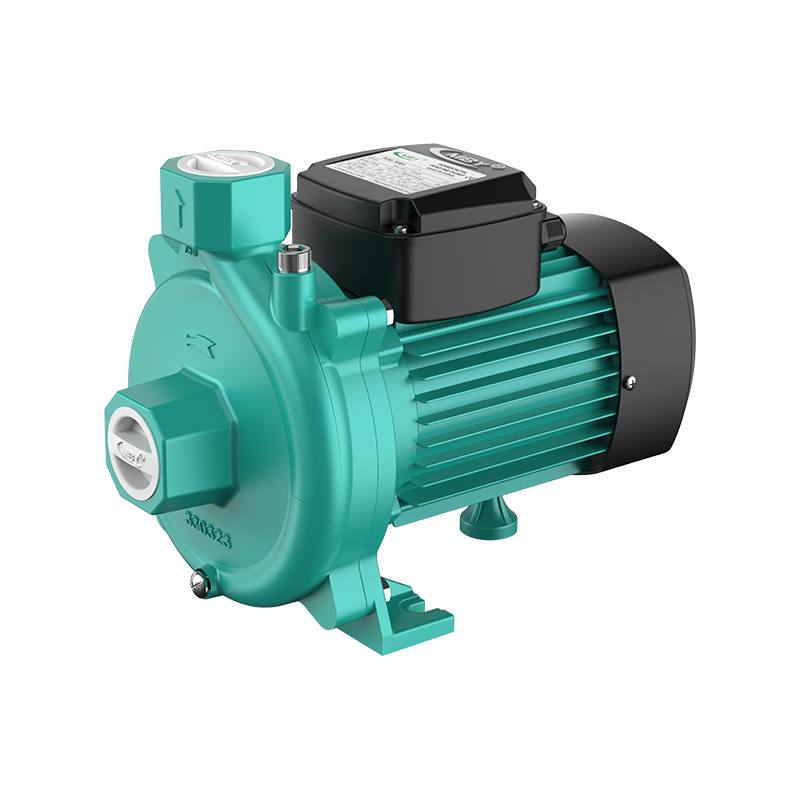
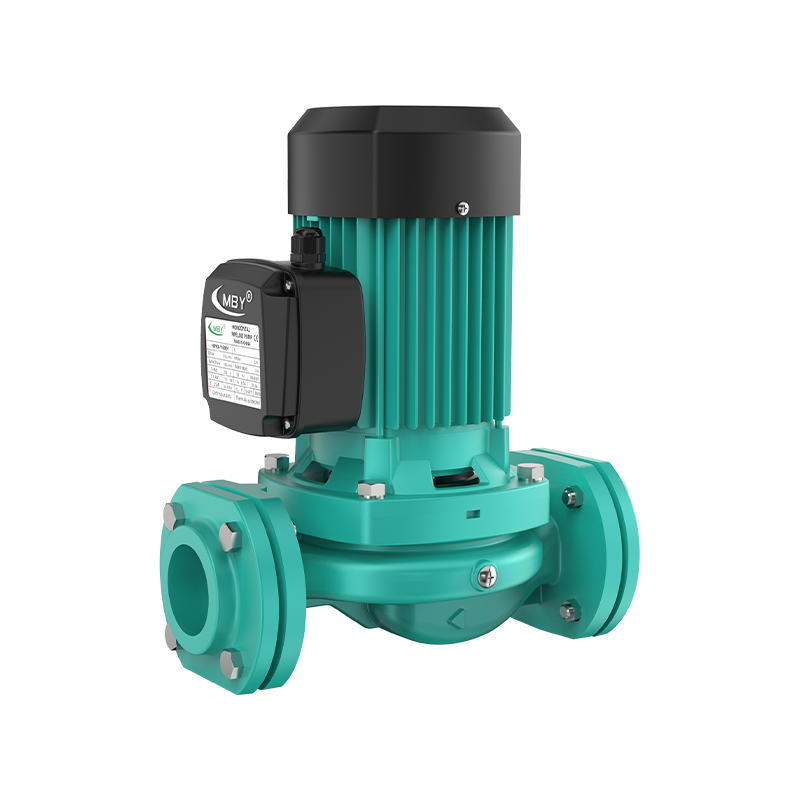
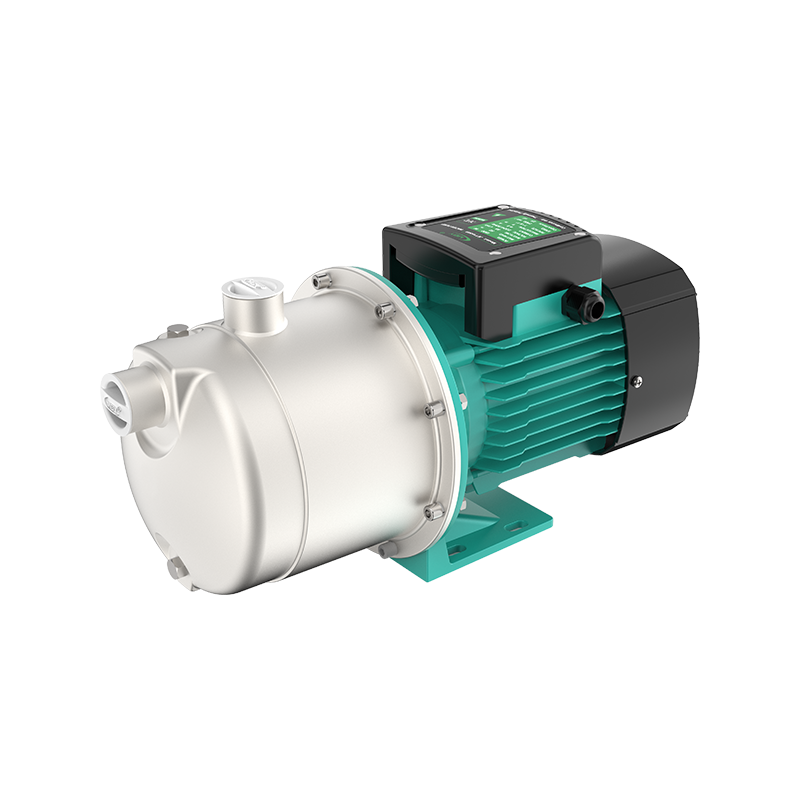
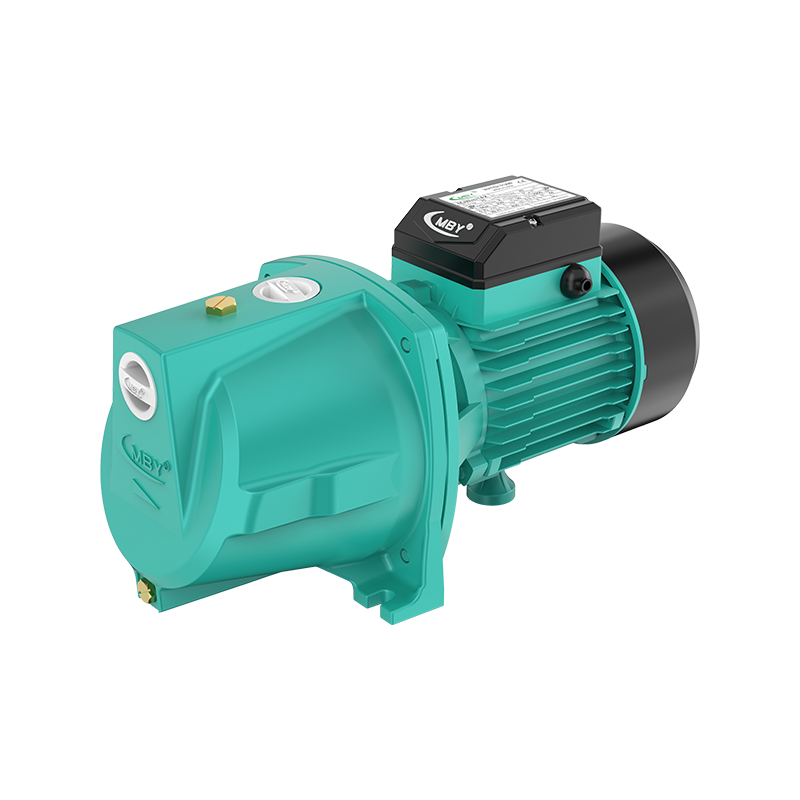
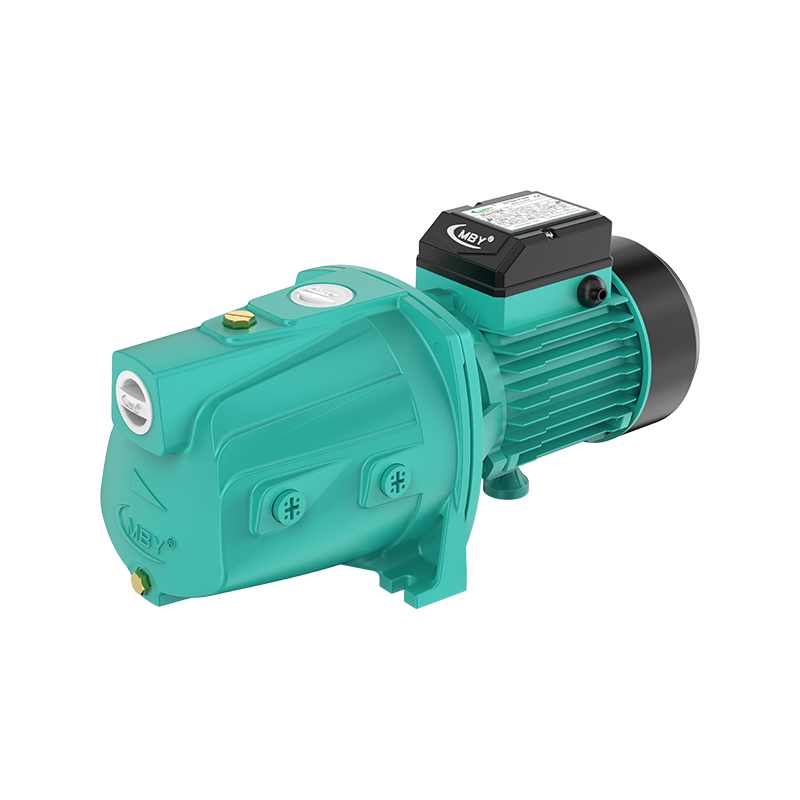
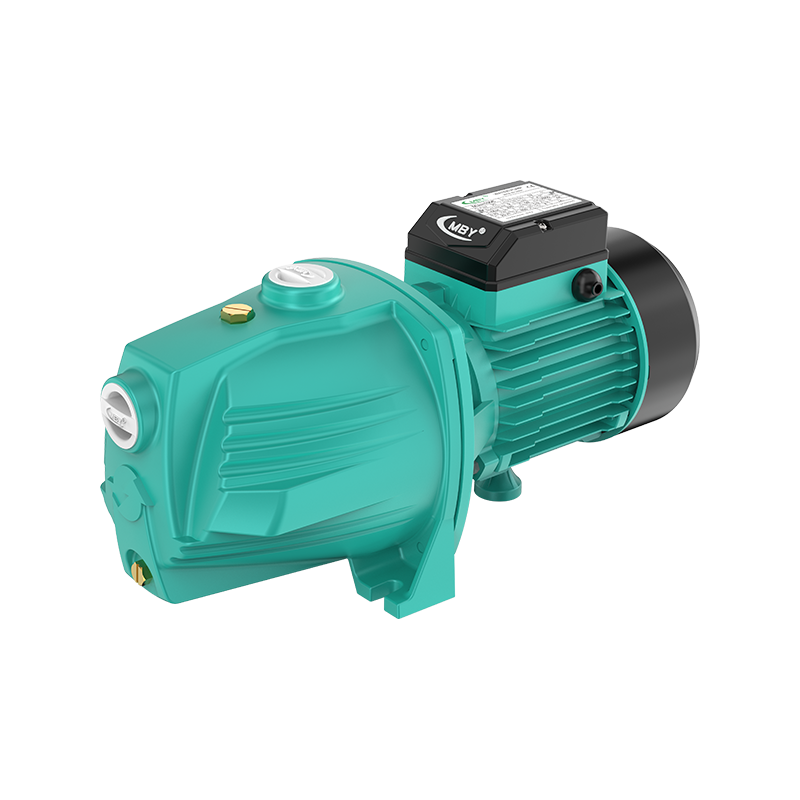
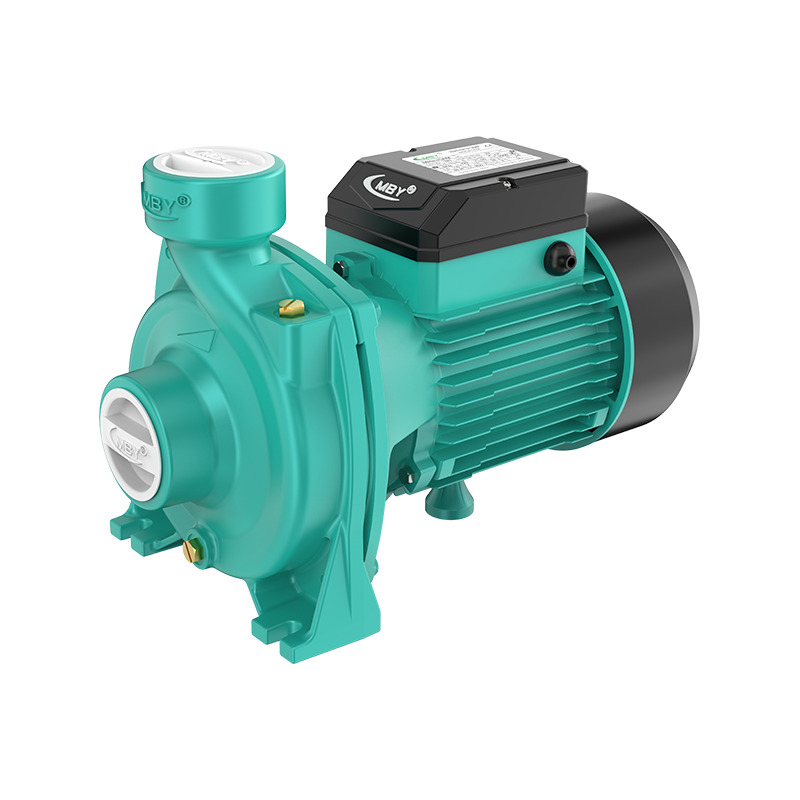
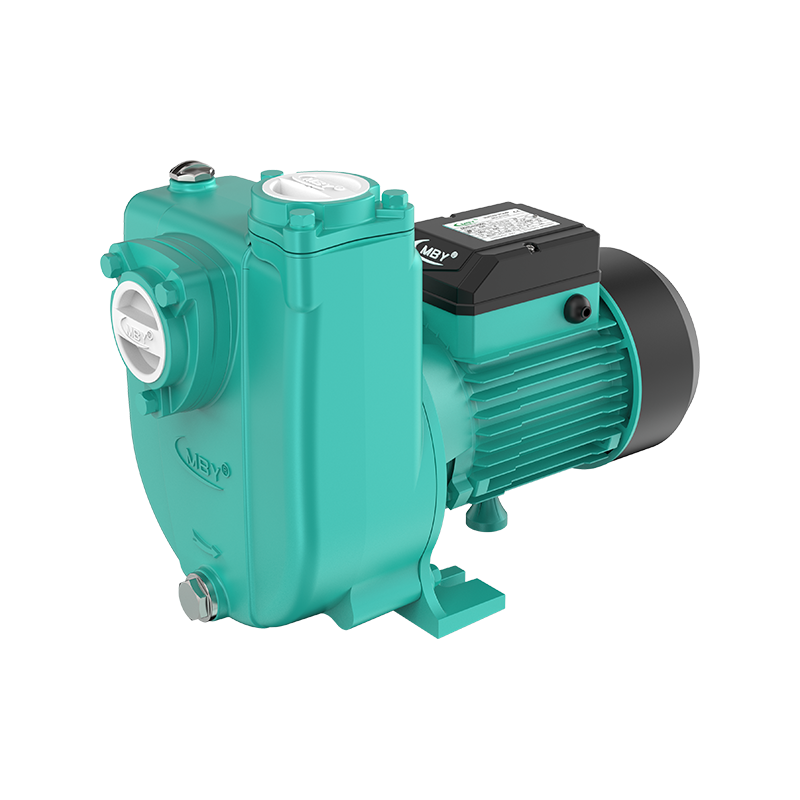
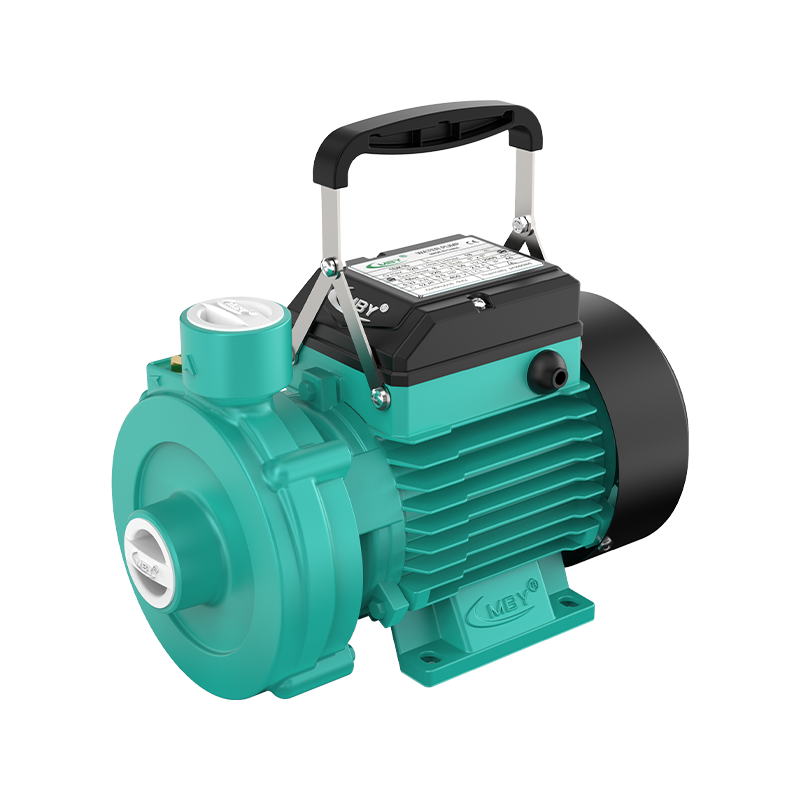
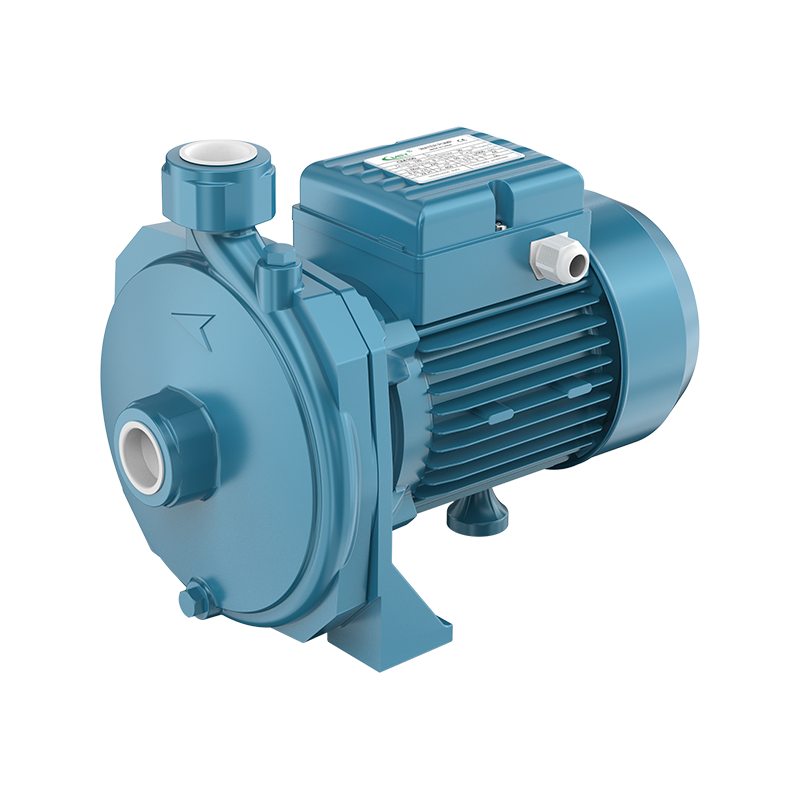
An industrial centrifugal pump converts the rotational energy of a motor-driven impeller into fluid pressure, pushing liquid through a system via centrifugal force rather than mechanical displacement.
A motor spins a shaft connected to an impeller sitting inside a curved casing. As the impeller turns, it throws fluid outward toward the casing wall, converting rotational velocity into pressure as the liquid is guided toward the discharge outlet. The simplicity of that mechanism is exactly why centrifugal pumps handle continuous industrial duty so reliably.
The fluid being pumped decides the material long before flow rate does. Corrosive chemicals call for stainless steel or engineering plastics, while general water transfer can run comfortably on cast iron. Getting this wrong shows up as premature seal failure or casing wear well before the pump's rated service life.
| Factor | Centrifugal Pump | Alternative Pump Types |
| Flow capacity | High volume, continuous flow | Often lower or pulsed flow |
| Mechanical simplicity | Fewer moving parts to maintain | Can involve more complex mechanisms |
| Fluid range | Broad, with material customization | Often limited to specific fluid types |
| Operating cost | Lower for continuous large-volume duty | Varies by design and maintenance need |
Start with the fluid itself: viscosity, temperature, and corrosiveness determine material and seal choice before flow rate ever enters the conversation. From there, match flow rate and pump head to actual system demand, since oversizing wastes energy and undersizing starves downstream equipment.
Flow rate measures how much liquid moves through the system per hour, while pump head measures the pressure boost the pump can generate to push that liquid against resistance.
It depends on material compatibility. A pump built for water may not hold up against corrosive chemicals, so material selection should match the specific fluids in use.
Mismatched materials, incorrect installation, or running the pump outside its rated pressure and temperature range are the most common causes of early seal wear.
Yes, centrifugal pumps are commonly specified for continuous duty applications, provided the unit is sized correctly and receives scheduled maintenance.
Matching flow rate, head, and material to your actual process turns an industrial centrifugal pump from a generic fluid mover into dependable, low-maintenance infrastructure.
Hot News
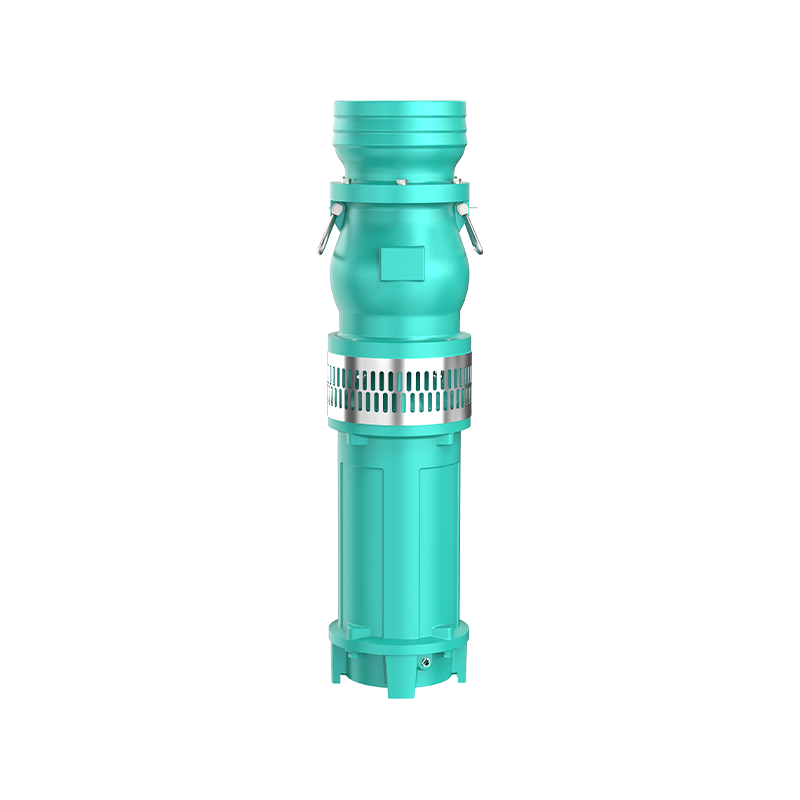 Oil Immersed Submersible Electric Pump: Working Principles, Applications, and Future Trends
Sep 04, 2025
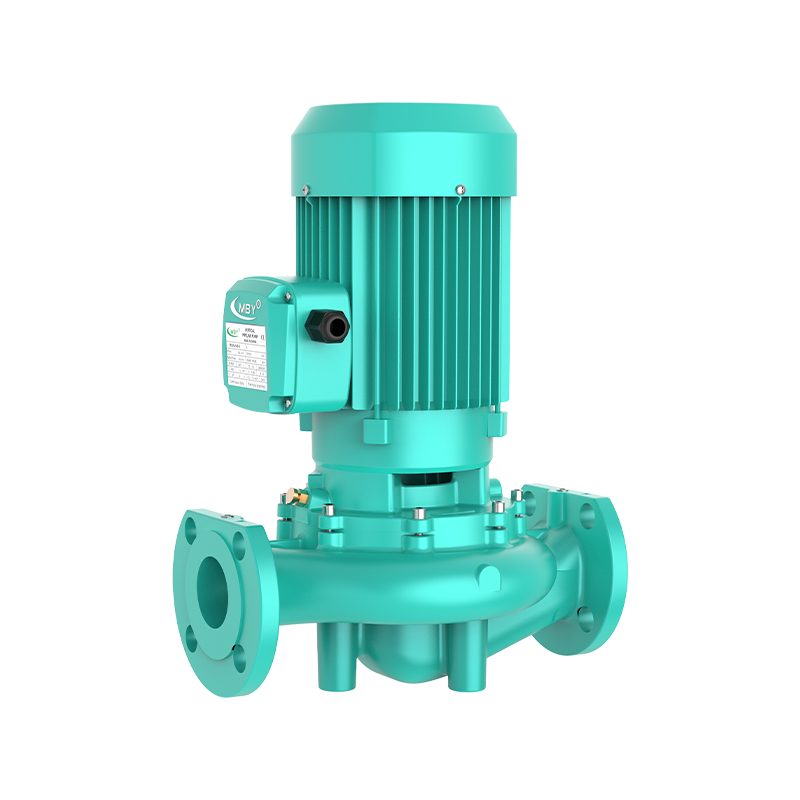 Global Pipeline Centrifugal Pump Industry Update: High-Efficiency Double Suction and Magnetic Drive Technologies Leading the Industrial Water Treatment Revolution
Sep 04, 2025
 Complete Guide to Household Water Pumps: From Selection, Installation to Maintenance, Your Home's 'Water Butler'
Sep 04, 2025
 Can the intelligent automatic self-priming vortex water pump lead a new era in water management?
Sep 04, 2025
Get In Touch

Address 1:
No. 4 Taoyuan Road, Taozhou Town, Guangde City, Xuancheng City, Anhui Province, China
Address 2:
Daxi Town, Wenling City, Taizhou City, Zhejiang Province, China Pump Industry Intelligent Manufacturing Town