

 English
 русский
 Español
 Português
 عربى
عربى
 Türk
Türk








+86 18395326713
Jul 17, 2026
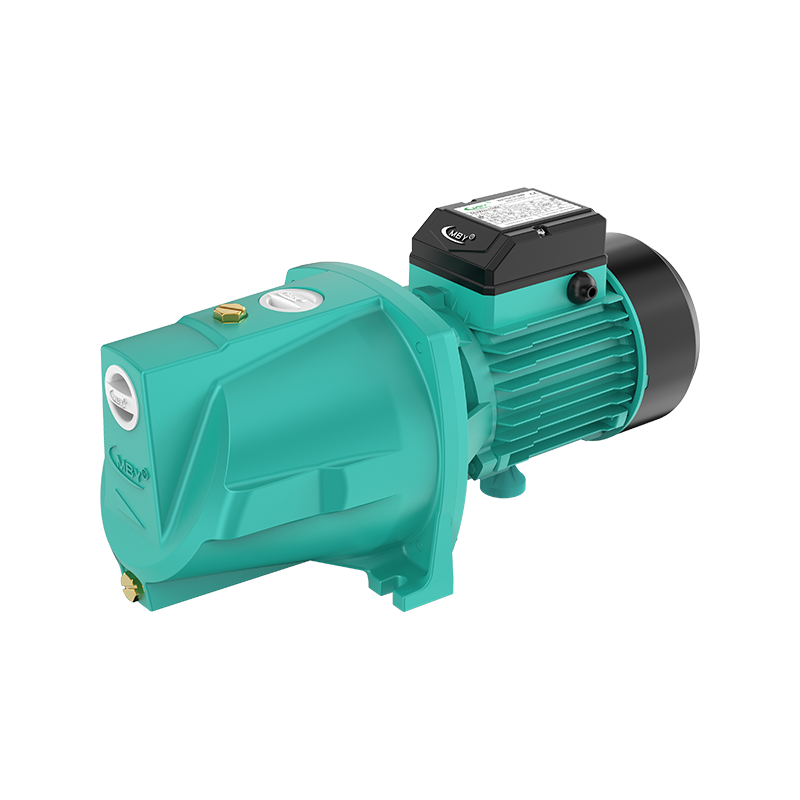
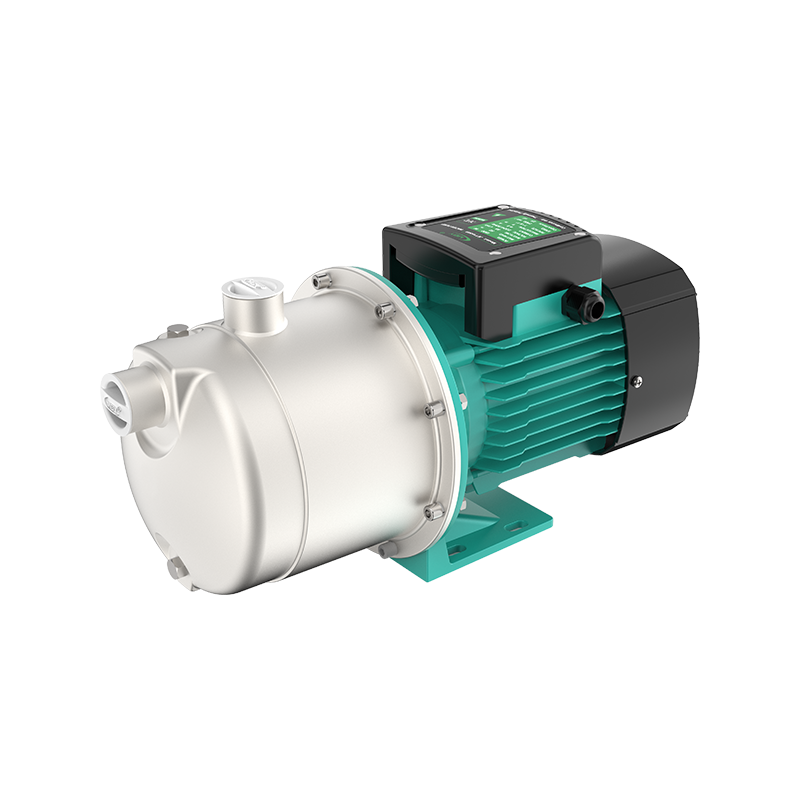
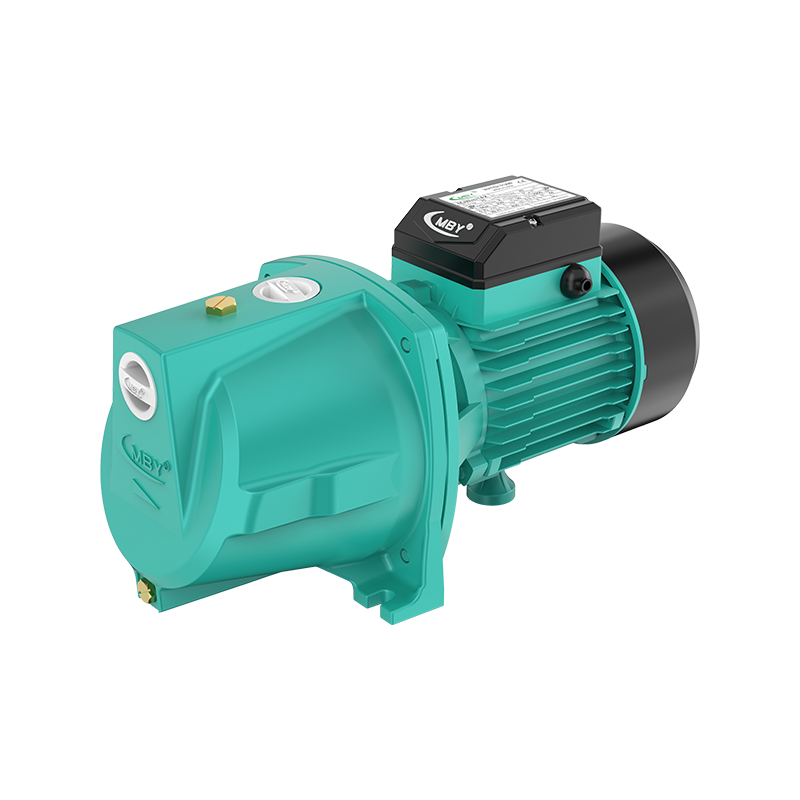
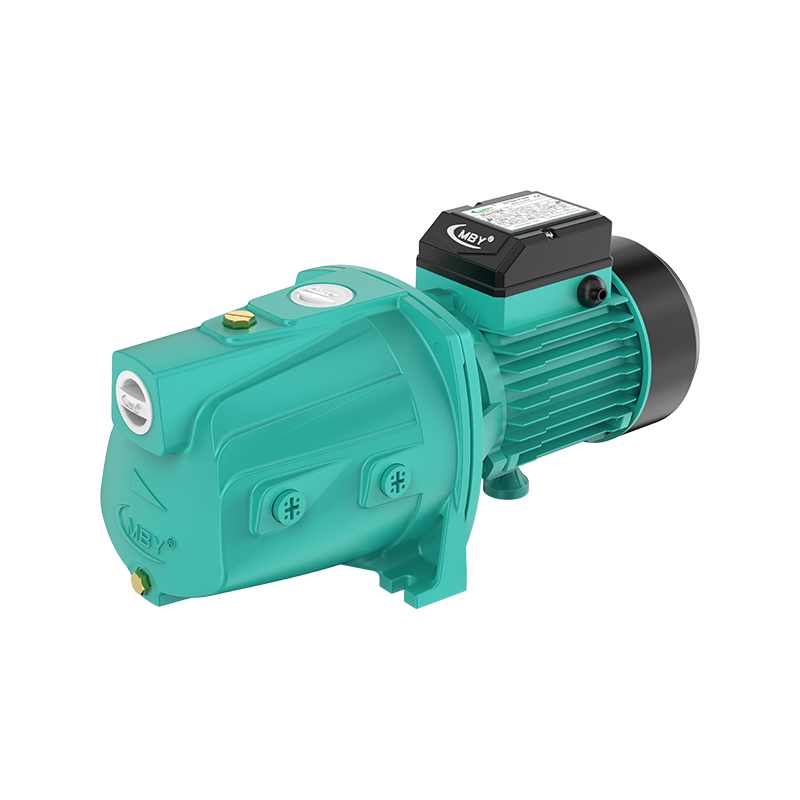
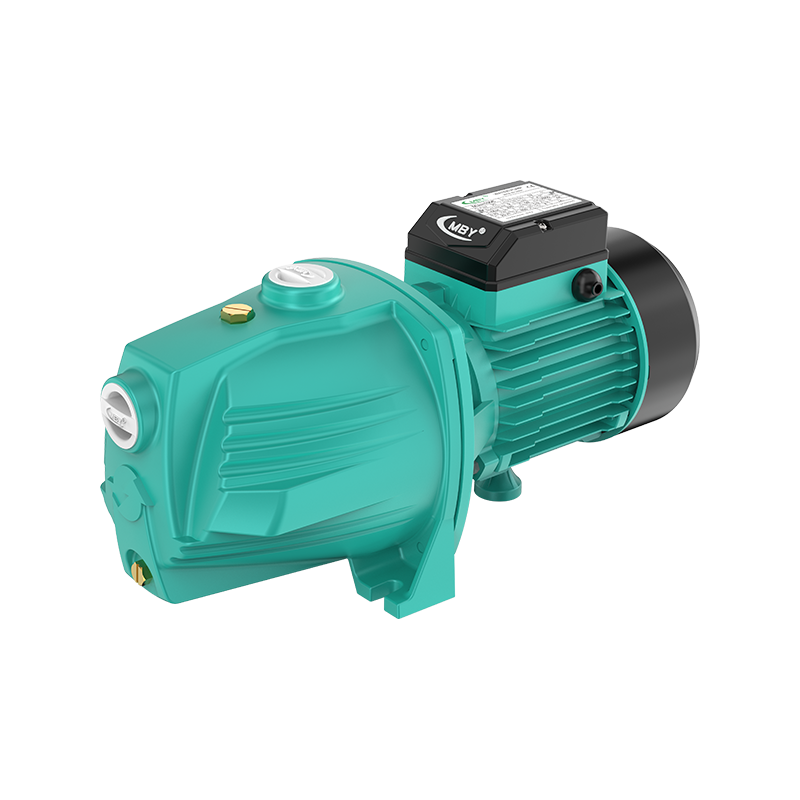
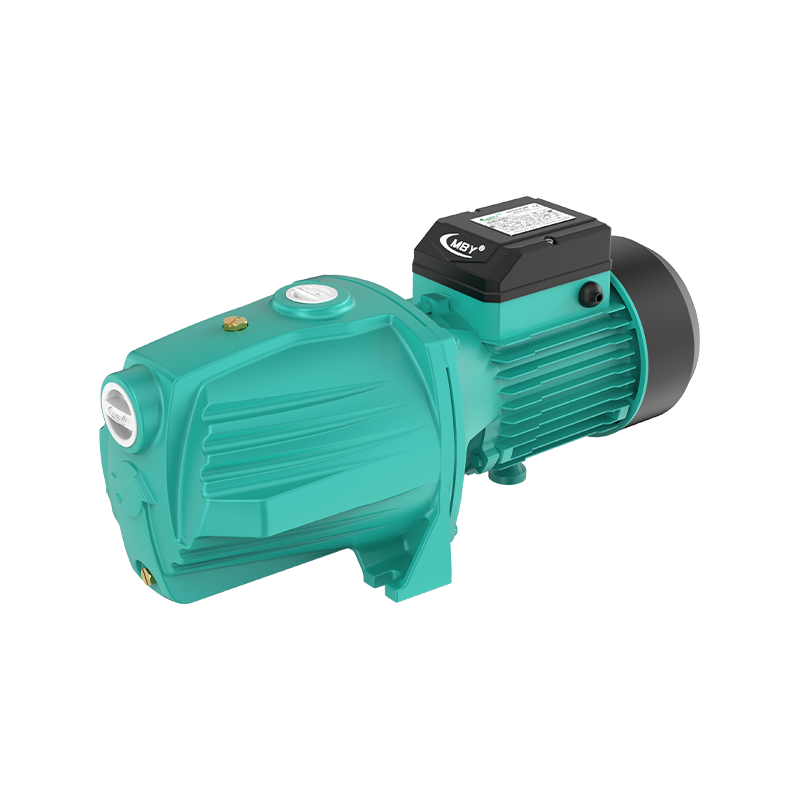
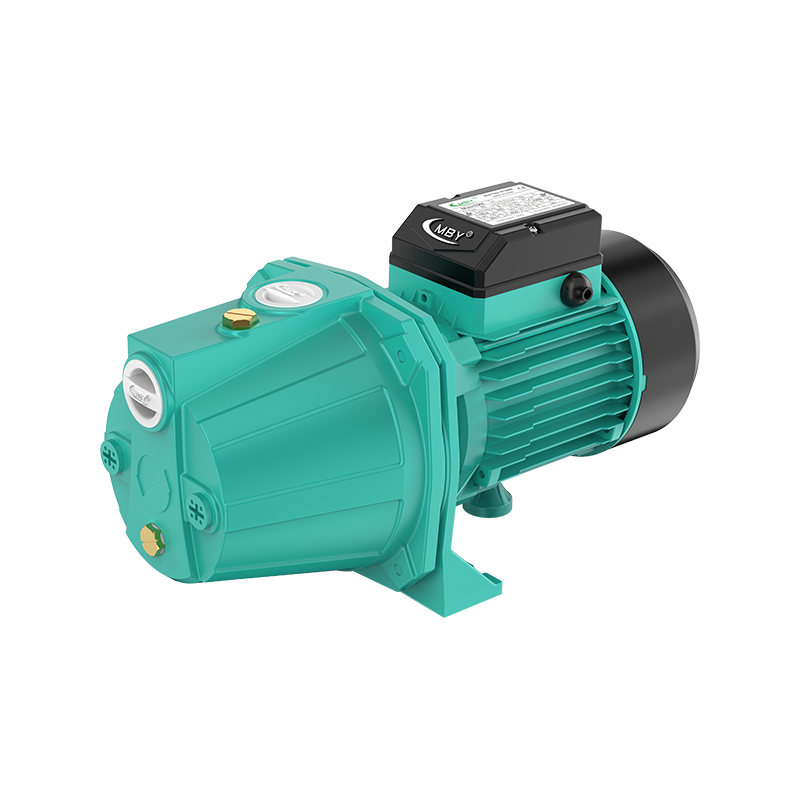
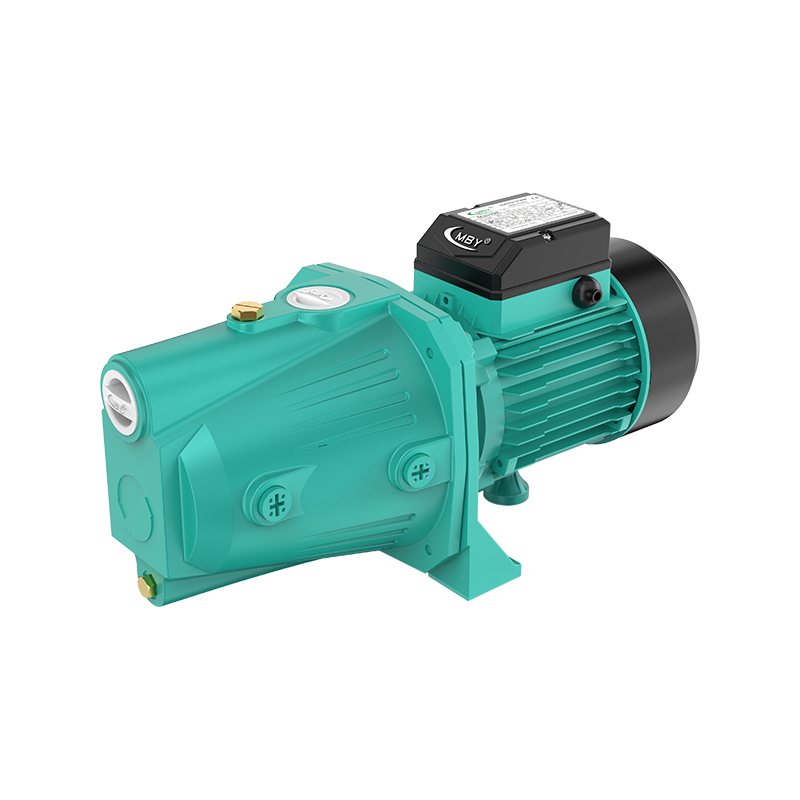
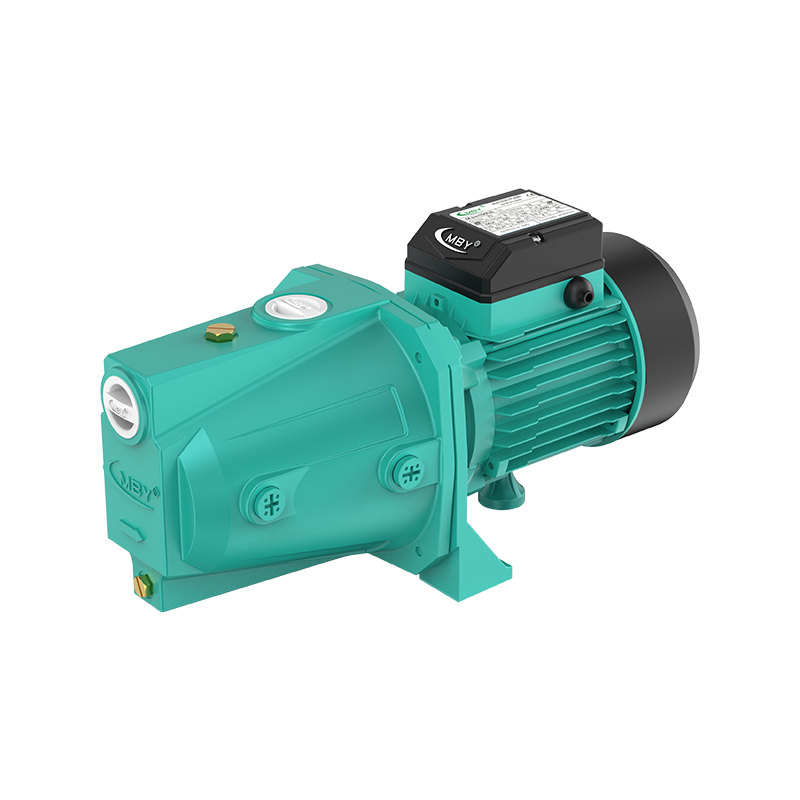
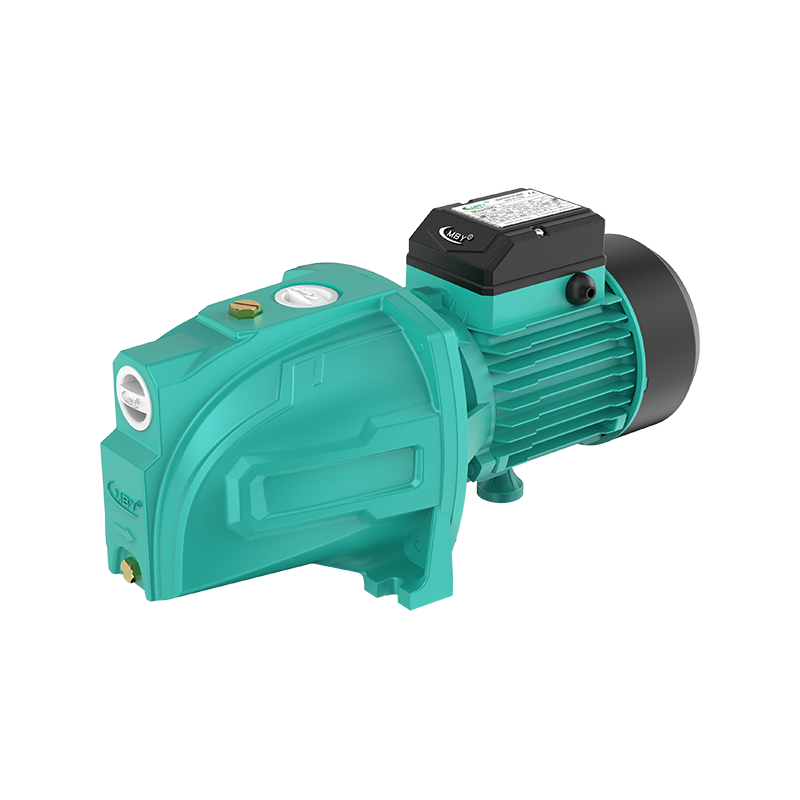
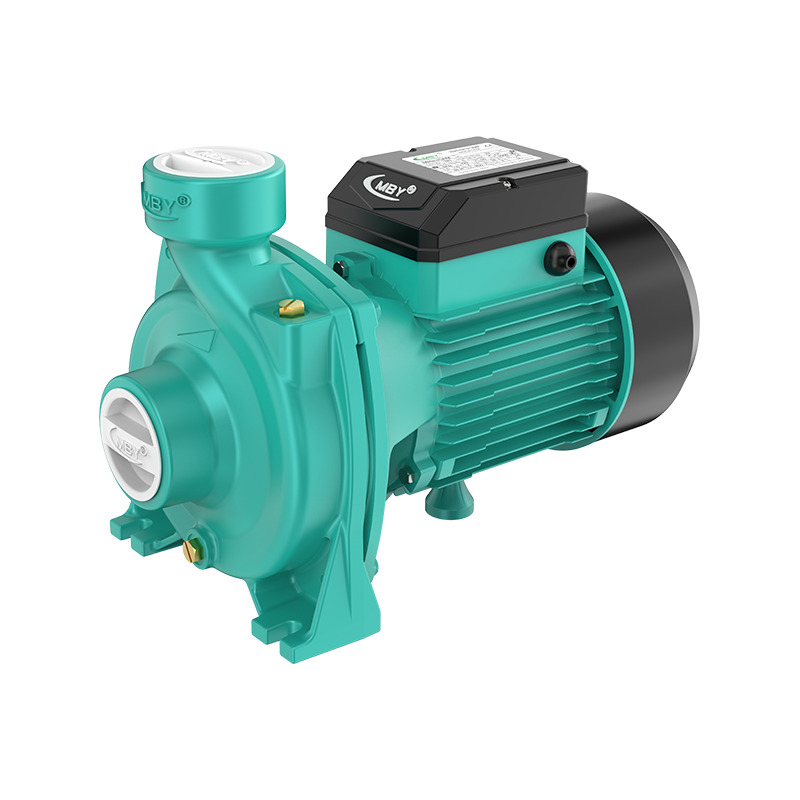
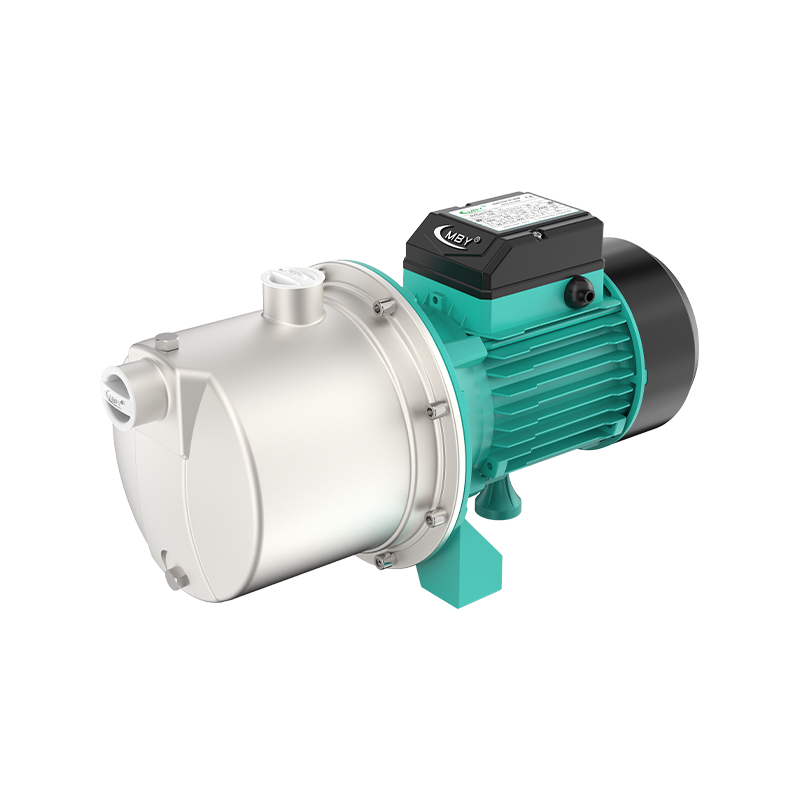
A stainless steel jet pump moves water by converting mechanical energy from a spinning impeller into hydraulic pressure, then uses a venturi nozzle to pull additional water into the flow stream. This design allows the pump to lift water from below its own installation level, which is something a standard centrifugal pump cannot do without external priming assistance.
Unlike submersible pumps that sit inside the water source, a jet pump stays above ground or in a dry pump house. This makes maintenance easier and reduces the risk of electrical failure caused by prolonged water contact. The trade off is that jet pumps have a practical suction lift limit, typically around 8 meters for shallow well configurations.
A well matched jet pump balances suction lift, flow rate, and motor power. Oversizing the motor does not fix a poorly matched suction line, and undersizing the suction pipe will choke even the strongest pump.
The operating principle behind every jet pump relies on the venturi effect. Water is recirculated through a narrow nozzle, which speeds up flow and drops local pressure. That pressure drop creates suction that draws more water in from the source, even before the pump has built up its full working pressure.
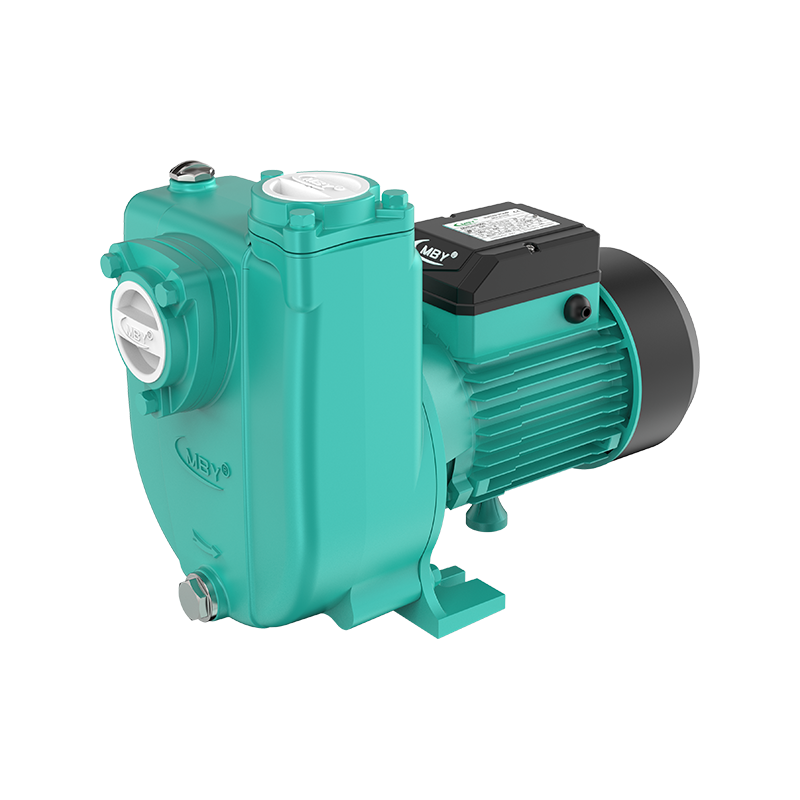
This self priming behavior is what separates a self priming jet pump from a plain centrifugal unit. Once the pump body is filled with water on first startup, it can re-prime itself after short air pockets or minor suction line disturbances without manual intervention.
Material choice directly affects the working life of a stainless steel water pump. Cast iron pump bodies are prone to internal rust once the protective coating wears down, which narrows flow passages and reduces efficiency over time. Stainless steel resists this corrosion pathway because chromium in the alloy forms a passive oxide layer that regenerates itself when scratched.
| Factor | Stainless Steel | Cast Iron |
|---|---|---|
| Corrosion resistance | High, self healing oxide layer | Moderate, depends on coating |
| Weight | Lighter for equivalent strength | Heavier |
| Water taste and clarity impact | Minimal, non reactive | Can introduce rust particles |
| Long term maintenance | Lower, fewer internal deposits | Higher, periodic descaling needed |
| Upfront cost | Generally higher | Generally lower |
For installations handling well water with dissolved minerals, or coastal properties exposed to salt laden air, the resistance offered by a stainless steel jet pump reduces the frequency of internal cleaning and part replacement compared to painted cast iron equivalents.
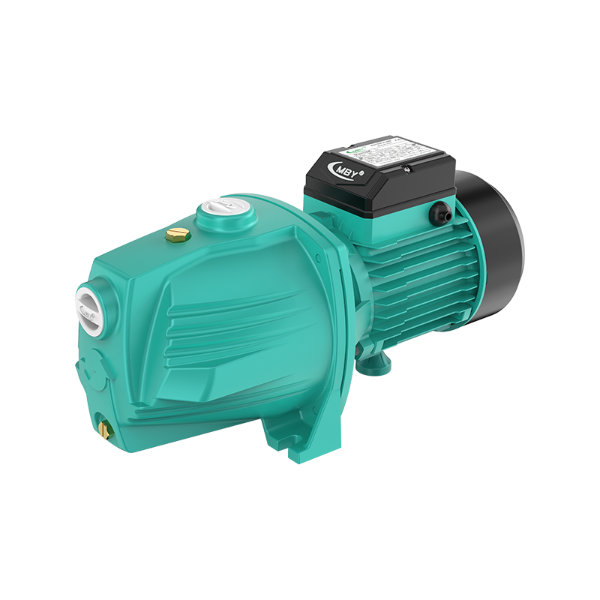
Not every property needs the same pump configuration. Suction depth, required flow rate, and how many fixtures draw water at once all shape the right choice.
A household water pump typically needs to serve two to four bathrooms with stable pressure. Mid range flow with a pressure tank buffer works well here.
An irrigation water pump usually prioritizes higher flow over high pressure, since sprinkler heads and drip lines need volume across a wider area.
A high pressure jet pump suits multi story buildings where water needs to reach upper floors without losing usable pressure at the tap.
Where the water table sits within a few meters of the surface, a standard shallow well jet configuration is usually the most cost effective setup.
Most electric jet pump units are built for intermittent duty cycles rather than uninterrupted twenty four hour operation. Continuous running raises motor temperature, and sustained heat accelerates bearing wear and insulation breakdown inside the motor windings.
In a typical household setup, the pump activates when the pressure tank drops below a set threshold, runs until pressure is restored, then shuts off. This cycling pattern keeps average run time well within the motor duty rating. For applications that genuinely need near continuous flow, such as certain agricultural or commercial water transfer tasks, a pump rated for extended duty with enhanced cooling should be selected rather than pushing a standard domestic unit beyond its design intent.
Pressure loss is one of the most frequent complaints reported for both centrifugal jet pump units and self priming models. The underlying causes usually fall into a small set of recurring issues.
| Symptom | Likely Cause | Suggested Action |
|---|---|---|
| Gradual pressure decline over weeks | Worn impeller or scale buildup | Inspect and clean internal components |
| Sudden pressure drop | Air leak in suction line | Check fittings and foot valve seal |
| Pump cycles on and off rapidly | Waterlogged or undersized pressure tank | Check tank air charge and capacity |
| Loud noise with reduced output | Cavitation from insufficient suction supply | Verify source water level and pipe diameter |
A clean water pump operating in a system with debris or sediment ingress will show gradually declining output long before it fails outright. Routine inspection of the suction strainer catches this early, before scale or grit reaches the impeller.
When evaluating a stainless steel jet pump manufacturer or supplier, technical documentation matters more than marketing claims. Look for published performance curves showing flow rate against total head, clear duty cycle ratings, and material specifications for the impeller, shaft, and casing rather than generic descriptions.
A performance curve tells you more in ten seconds than a page of promotional text. If a supplier cannot provide one, ask directly before committing to an order.
It is also worth confirming seal type and bearing specification, since these two components typically wear out before the pump body itself under normal operating conditions.
It uses a spinning impeller to pressurize water, then routes part of that flow through a venturi nozzle to create suction that draws additional water in from the source line.
Stainless steel resists internal corrosion far better than painted cast iron, which keeps flow passages clear and reduces long term maintenance and part replacement.
Most domestic units are rated for intermittent cycling rather than nonstop operation. Continuous heavy use requires a pump specifically rated for extended duty.
For corrosion resistance and long term water quality, stainless steel generally performs better, though cast iron remains a lower cost option for less demanding conditions.
Common causes include a worn impeller, scale buildup, an air leak in the suction line, or a waterlogged pressure tank that is no longer holding proper air charge.
Irrigation generally favors higher flow rate over maximum pressure, so a pump configuration optimized for volume across sprinkler or drip zones tends to work best.
Hot News
 Oil Immersed Submersible Electric Pump: Working Principles, Applications, and Future Trends
Sep 04, 2025
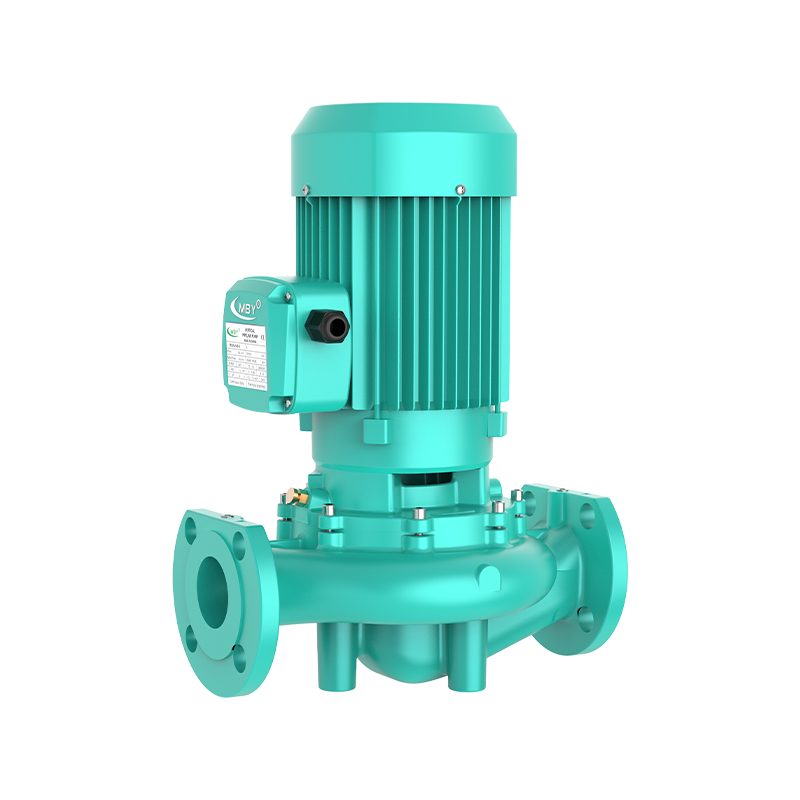 Global Pipeline Centrifugal Pump Industry Update: High-Efficiency Double Suction and Magnetic Drive Technologies Leading the Industrial Water Treatment Revolution
Sep 04, 2025
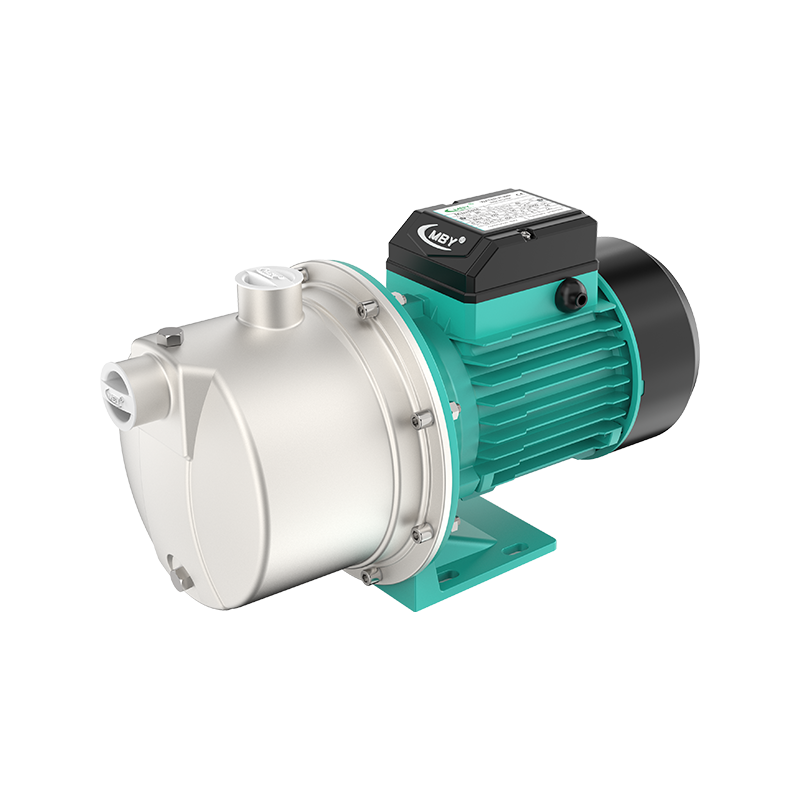 Complete Guide to Household Water Pumps: From Selection, Installation to Maintenance, Your Home's 'Water Butler'
Sep 04, 2025
 Can the intelligent automatic self-priming vortex water pump lead a new era in water management?
Sep 04, 2025
Get In Touch

Address 1:
No. 4 Taoyuan Road, Taozhou Town, Guangde City, Xuancheng City, Anhui Province, China
Address 2:
Daxi Town, Wenling City, Taizhou City, Zhejiang Province, China Pump Industry Intelligent Manufacturing Town