

 English
 русский
 Español
 Português
 عربى
عربى
 Türk
Türk








+86 18395326713
May 28, 2026
A Comprehensive Technical Exploration of Fluid Dynamics, Operational Mechanisms, and Cross-Sector Utility
In the realm of mechanical engineering and heavy manufacturing, efficient fluid management stands as a foundational pillar for operational continuity. The industrial centrifugal pump represents the most widely utilized mechanism for fluid transportation across diverse sectors. Operating on the principle of centrifugal force transformation, these systems convert rotational kinetic energy, typically derived from an electric motor or turbine, into hydrodynamic energy. As regulatory frameworks tighten and manufacturing efficiency mandates escalate globally, understanding the exact scope, functional variations, and technical deployment of these systems becomes essential for engineering professionals and procurement teams.
The contemporary landscape of manufacturing relies heavily on the capabilities developed within a specialized industrial pumps factory. These facilities design components to withstand extreme environments, ranging from highly corrosive chemical processes to high-temperature power generation systems. By integrating advanced hydraulic models, precision impellers, and robust casing designs, modern production plants ensure that fluid handling solutions deliver consistent pressure headers and flow rates while minimizing thermodynamic losses.
The operational sequence of an industrial centrifugal pump begins when fluid enters the suction nozzle and is directed into the eye of the rotating impeller. The impeller vanes capture the fluid, accelerating it radially outward toward the periphery of the pump casing. This acceleration creates high velocity, which is subsequently converted into static pressure within the volute or diffuser casing. This fundamental mechanism allows for continuous fluid movement, making the system ideal for high-volume handling scenarios where positive displacement alternatives would prove inefficient or mechanically complex.
To meet the diverse demands of international markets, an industrial pumps factory produces several configurations based on mechanical design. End-suction configurations represent the standard format for general utilities, while split-case variants allow easier access to internal components in high-flow applications. For high-pressure tasks, multistage systems employ multiple impellers mounted on a single shaft to incrementally increase fluid pressure. Selecting the appropriate category requires a detailed analysis of total dynamic head, net positive suction head available, and fluid viscosity parameters.
The versatility of fluid transport machinery enables its widespread adoption across multiple heavy industries. Each sector demands unique structural adaptations to maintain optimal efficiency and prevent premature component failure.
Within chemical processing plants, handling aggressive fluids, hazardous compounds, and highly volatile hydrocarbons demands exceptional equipment resilience. The industrial centrifugal pump utilized in this sector frequently features specialized materials such as stainless steel alloys, titanium, or fluoropolymer linings. Mechanical seals must be designed to completely prevent leakage, often utilizing dual-seal configurations with barrier fluids to protect the surrounding environment. These pumps manage continuous chemical feeds, transfer bulk chemical stocks, and support thermal regulation systems within refining columns.
Municipal water treatment facilities and wastewater management plants represent major users of fluid movement technology. In these operations, heavy duty centrifugal pumps handle raw sewage, primary effluents, activated sludge, and treated potable water. Unlike chemical applications where material purity is critical, water utility machinery must prioritize solid-handling capacity and resistance to abrasive wear. Semi-open or vortex impellers are commonly deployed to allow large particulates, debris, and fibrous materials to pass through without causing clogs or balancing problems.
Power generation facilities, whether thermal, nuclear, or hydroelectric, depend heavily on closed-loop water cycles to generate steam and cool heavy machinery. High pressure centrifugal pumps operate as boiler feed pumps, driving water into high-pressure boilers under extreme thermal conditions. Additionally, condensate extraction systems and large-scale circulating water pumps move massive volumes of cooling water from natural sources or cooling towers. Reliability in this sector is critical; any unexpected shutdown can result in widespread grid disruptions and severe financial losses.
When deployed in sanitary environments, fluid transport systems must comply with strict hygiene regulations. The sanitary heavy duty centrifugal pumps used here feature polished stainless steel surfaces, open impellers that prevent bacterial stagnation, and clean-in-place capabilities. These configurations ensure that food products, dairy liquids, and pharmaceutical compounds are transferred without contamination, while preserving the structural integrity of shear-sensitive materials.
| Industrial Sector | Primary Pump Configuration | Material Selection Focus | Critical Performance Driver |
|---|---|---|---|
| Chemical Processing | Single-Stage Chemical Process Pump | Corrosion-Resistant Alloys / Polymers | Zero-Leakage Sealing Systems |
| Water Management | Horizontal Split-Case / End-Suction | Cast Iron / Duplex Stainless Steel | Solid Handling Capacity & Abrasive Resistance |
| Power Generation | Multistage Barrel / Split-Case | High-Tensile Forged Carbon Steel | High Temperature & Pressure Tolerance |
| Food & Pharma | Sanitary Open-Impeller Configuration | Electropolished Stainless Steel | Hygiene Compliance & Cleanability |
| Mining Operations | Heavy-Duty Lined Slurry Pump | High-Chrome White Iron / Rubber | Erosion Resistance & Structural Rigidity |
Despite their robust construction, these fluid systems are susceptible to specific operational issues that can compromise efficiency and cause mechanical failure if left unaddressed. Hydraulic cavitation represents one of the most common risks. It occurs when the local static pressure within the pump falls below the vapor pressure of the fluid, causing vapor bubbles to form and rapidly collapse against the impeller surfaces. This phenomenon leads to micro-pitting of the metal, severe vibration, and significant drops in hydraulic performance.
To mitigate these risks, modern industrial pumps factory teams emphasize strict compliance with net positive suction head requirements during system installation. Furthermore, facilities are shifting away from reactive maintenance models toward predictive maintenance frameworks. By utilizing vibration analysis sensors, thermal imaging, and acoustic monitoring tools, operators can detect early signs of bearing degradation, shaft misalignment, or impeller wear. This data-driven approach allows for scheduled maintenance windows, reducing unexpected downtime and extending the operational lifecycle of the equipment.
Question: What factors determine the selection of an industrial centrifugal pump over a positive displacement pump?
Answer: Selection is primarily governed by fluid viscosity, required flow rates, and pressure consistency. Centrifugal designs excel in handling low-viscosity fluids at high volumes and constant flow rates with minimal pulsing, whereas positive displacement designs are preferred for highly viscous media or high-pressure, low-flow operations.
Question:How do variations in impeller geometry impact overall pump performance?
Answer: Impeller designs dictate fluid compatibility and efficiency. Enclosed impellers offer the highest efficiency for clean fluids but clog easily. Semi-open impellers balance efficiency with modest solid-handling capabilities, while fully open impellers are reserved for slurries and fibrous mixtures where clogging must be avoided.
Question: Why is precise shaft alignment critical for heavy duty centrifugal pumps?
Answer: Misalignment between the driving motor shaft and the pump shaft introduces parasitic mechanical stress. This stress accelerates bearing fatigue, compromises the structural integrity of mechanical seals, increases energy consumption, and can cause catastrophic mechanical failure if left uncorrected.
Question: What advancements are modern factories integrating to enhance efficiency?
Answer: Advanced production facilities utilize computational fluid dynamics software to optimize internal flow paths, apply specialized anti-friction coatings to volute interiors, and implement smart sensors for real-time monitoring of performance metrics.
As modern manufacturing processes become more complex, the role of reliable fluid transport systems remains undeniably central to industrial progress. The industrial centrifugal pump continues to evolve through improvements in materials science, smarter hydraulic design, and integration with automated control systems. By collaborating closely with an experienced industrial pumps factory, enterprises can implement customized fluid management solutions that optimize energy usage, minimize environmental footprints, and ensure stable operations across global supply chains.
Hot News
 Oil Immersed Submersible Electric Pump: Working Principles, Applications, and Future Trends
Sep 04, 2025
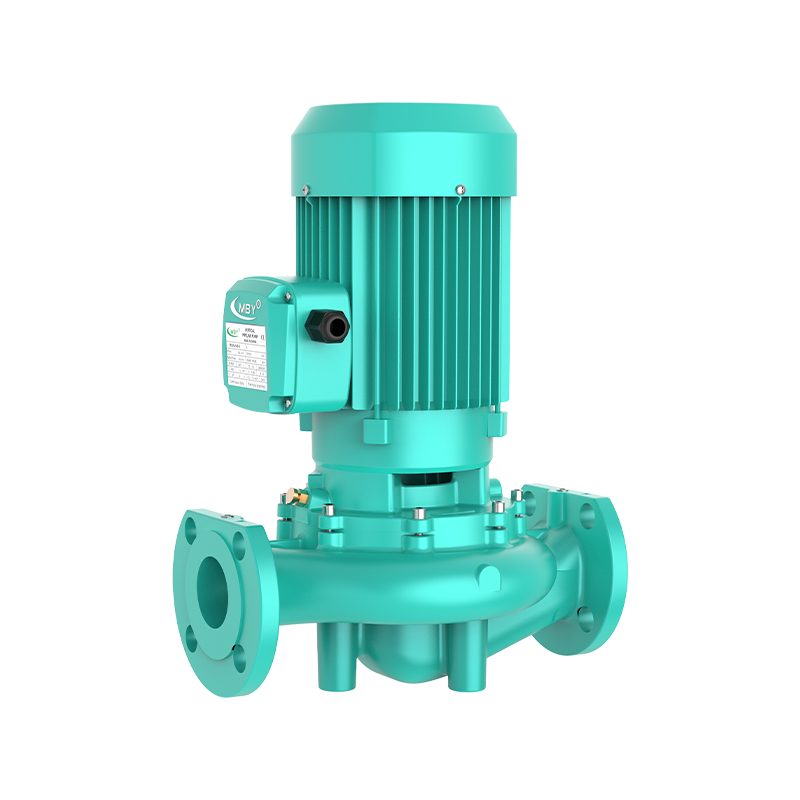 Global Pipeline Centrifugal Pump Industry Update: High-Efficiency Double Suction and Magnetic Drive Technologies Leading the Industrial Water Treatment Revolution
Sep 04, 2025
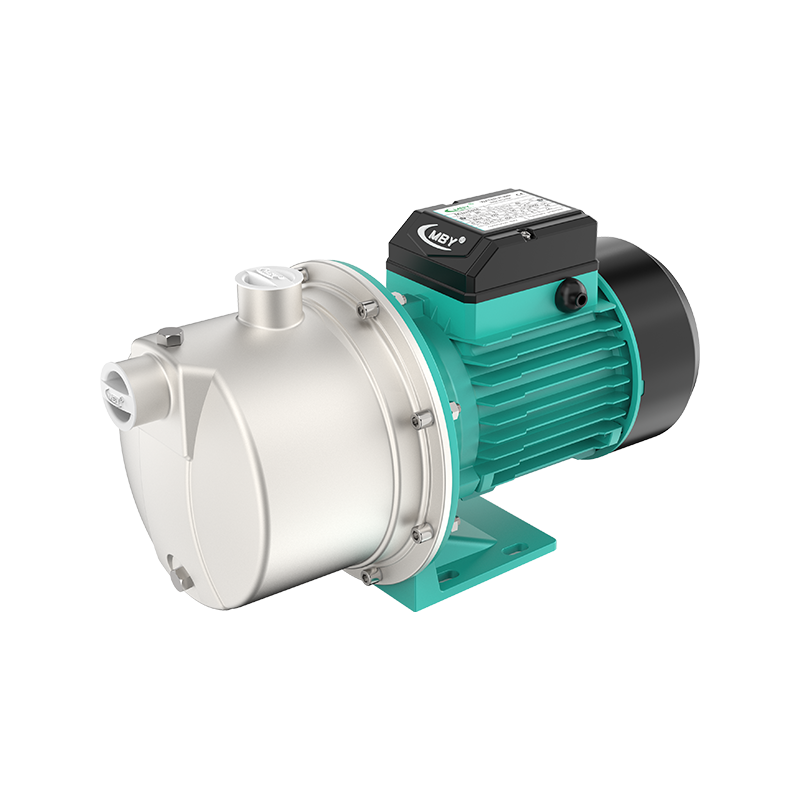 Complete Guide to Household Water Pumps: From Selection, Installation to Maintenance, Your Home's 'Water Butler'
Sep 04, 2025
 Can the intelligent automatic self-priming vortex water pump lead a new era in water management?
Sep 04, 2025
Get In Touch

Address 1:
No. 4 Taoyuan Road, Taozhou Town, Guangde City, Xuancheng City, Anhui Province, China
Address 2:
Daxi Town, Wenling City, Taizhou City, Zhejiang Province, China Pump Industry Intelligent Manufacturing Town