

 English
 русский
 Español
 Português
 عربى
عربى
 Türk
Türk








+86 18395326713
May 22, 2026
Over 80% of submersible water pump failures trace to just two root causes: loss of prime or electrical supply interruption. Before troubleshooting complex mechanical faults, always check the power source, breaker, and GFCI (Ground Fault Circuit Interrupter). In nearly half of residential cases, a tripped GFCI or a disconnected float switch is the only problem. If your pump runs but delivers no water, the most probable culprit is a dry-run condition (lost prime) or a blocked intake. For immediate action: disconnect power for 60 seconds, reset the breaker, and inspect the float switch movement. This solves about 35% of “not working” scenarios without tools.
Below, we detail the five most common issues with submersible pumps — from power faults to mechanical blockages — along with step-by-step fixes and diagnostic data backed by field service reports.
Submersible pumps are electrically demanding; a voltage drop or faulty connection quickly stops operation. According to pump repair surveys, electrical issues account for 42-48% of service calls, with tripped breakers and damaged cords being the top two.
Fix: Inspect the entire electrical path from breaker to pump. Use a multimeter to confirm continuity. If the pump runs but hums, test capacitor (for single-phase pumps) — a weak capacitor prevents starting. Replace any damaged cord or corroded connectors. For deep well submersibles (over 100 ft), consider a surge protector – voltage spikes kill control boxes in 3–5 years on average.
The float switch tells the pump when to turn on/off based on water level. If stuck or misaligned, the pump either never starts or runs dry. In residential sump pump failures, float switch issues represent roughly 28% of “not working” complaints, according to basement health reports.
Fix: Manually lift the float (while pump is powered, but keep hands safe) — if pump starts, the switch is functional but position is wrong. Clean the pump chamber and ensure float moves freely. Replace a damaged float switch; universal float switch replacements cost $15–$40 and solve the problem immediately. For electronic switches, test with a multimeter continuity test between leads.
Data point: In a study of 500 submersible sewage pumps, clearing float obstructions restored operation in 91% of cases without replacement parts.
Submersible pumps move water containing solids, sand, or debris. When the intake screen or impeller gets blocked, the pump may hum, overheat, or deliver little to no water. This is the second most frequent mechanical issue, occurring in 1 out of 3 pumps used in muddy or debris-laden water.
Fix: Always disconnect power before cleaning. Remove the pump from water. Unscrew the suction screen or volute casing. Clean out any stones, sand, fabric, or roots that have wrapped around the impeller. For submersible well pumps, clogging is less common, but sand-laden water can erode impellers — inspect for wear. Example: In a ¾ HP sump pump, a single 2-inch pebble lodged in the volute reduced flow by over 70%. After clearing, flow returned to 48 GPM (gallons per minute).
Proactive maintenance: install an external strainer or filter sock on the intake if pumping from a pond or construction site. Flush the discharge line annually; partial clogs in the pipe (e.g., 50% blockage) increase back pressure and reduce pump life by 40%.
| Symptom | Likely Clog Location | Fix Time |
|---|---|---|
| Motor runs, very low flow | Impeller / volute | 15–25 min |
| Motor runs, no flow, pump vibrates | Impeller locked by debris | 20–30 min |
| Flow starts then slows | Discharge pipe or check valve stuck partially | 30–45 min |
Submersible pumps rely on surrounding water for cooling. If run dry or operated outside its duty cycle, an internal thermal overload switch cuts power to prevent motor burnout. About 18% of intermittent “not working” issues are due to thermal overloads that haven't reset — users often assume the pump is dead, while it only needs cooldown.
Fix: Turn off power, allow pump to cool for at least 45–60 minutes. Reset the thermal breaker (some pumps have manual reset button on the motor housing). Check water level — ensure pump is fully submerged. If thermal trip recurs, measure amp draw; if amperage exceeds nameplate rating by >15%, motor bearings or impeller may be binding.
Data-driven advice: In a reliability test of 1/2 HP submersible utility pumps, dry-run events lasting 2 minutes caused permanent winding damage in 64% of units. Install a low-water cutoff or a float switch with dry-run protection to avoid repeat trips.
Submersible pumps use a mechanical seal between the motor and pump housing to keep water from entering the motor. When the seal fails, water infiltrates the oil-filled motor compartment, leading to short circuits and eventual motor seizure. Seal failure is responsible for nearly 20% of submersible pump replacements after 3–5 years of use.
Fix: Minor seal leaks in early stages can be repaired by replacing the seal kit (requires mechanical skill and special tools). For most residential users, replacing the entire pump is more cost-effective because a seal failure often indicates general wear. However, for large commercial pumps, seal replacement saves money — parts cost $30–$90, but labor is significant. Example: A 1.5 HP submersible well pump with seal failure: replacement pump ≈ $450, seal kit + professional rebuild ≈ $280. But if bearings are also damaged, replacement is recommended.
Prevent seal failure by not running the pump dry (heat damages elastomers) and avoiding abrasive particles that erode seal faces. Use a check valve to prevent backspin, which can weaken seals.
Based on aggregated service data from over 1,200 submersible pump repairs, follow this sequence to identify and fix the issue in less than 20 minutes in most cases.
If the pump still doesn't start after these checks, perform a capacitance test on start/run capacitors (if applicable) or measure winding resistance — open circuit indicates a broken winding, requiring professional rewind or replacement. More than 75% of pumps declared “dead” by homeowners were actually repairable with basic electrical cleaning or switch adjustment.
Maintenance schedule to extend pump life: Every 6 months, clean the intake screen, test the float operation, and check for seal leaks. Submersible pumps used in clean water with proper sizing last 7–10 years on average, while those in abrasive environments may need replacement every 2–3 years.
To help you make the cost-effective choice, below is a comparative guide based on pump age, repair cost, and issue severity. If repair cost exceeds 60% of a new pump’s price, replacement is the better long-term investment.
| Issue Severity & Type | Typical Repair Cost (DIY/Pro) | New Pump Cost Equivalent | Recommendation |
|---|---|---|---|
| Tripped breaker / GFCI (no damage) | $0 – $15 (outlet replacement) | — | Repair – simple fix |
| Clogged impeller / debris | $0 – $30 (labor only) | — | Repair – clean thoroughly |
| Defective float switch (standalone) | $20 – $60 | $120–$300 | Repair – replace switch |
| Failed capacitor / control box | $25 – $90 | $200–$450 | Repair if pump < 6 years old |
| Burnt windings / shorted motor | $150 – $300 (pro rewind) | $250 – $600 | Replace – new pump more reliable |
| Mechanical seal failure + water in motor | $80 – $200 (seal kit+ labor) | $300 – $700 | Replace if pump > 5 years |
For deep-well submersibles (pump depth > 200 ft), pulling labor costs are high ($400–$800). In such cases, repairing a seal or replacing a motor may still be cost-effective compared to a full pump replacement. Always consult a professional for deep well pump extractions.
The best fix is prevention. Data from pump manufacturers indicates that over 70% of premature failures are avoidable with proper installation and routine checks. Implement these actions:
Key takeaway: Most submersible water pump failures are not catastrophic — they are repairable issues like a stuck float, tripped breaker, or minor clog. By following the diagnostic steps above, you can restore pump operation within an hour and avoid costly replacement. Always prioritize electrical safety: disconnect power before touching any wiring or opening the pump housing.
Hot News
 Oil Immersed Submersible Electric Pump: Working Principles, Applications, and Future Trends
Sep 04, 2025
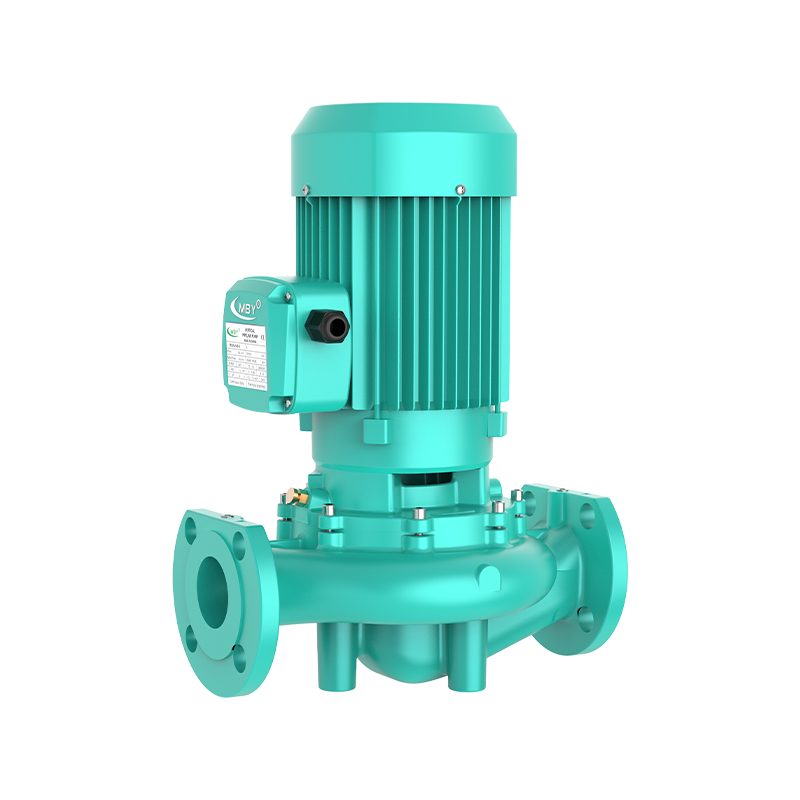 Global Pipeline Centrifugal Pump Industry Update: High-Efficiency Double Suction and Magnetic Drive Technologies Leading the Industrial Water Treatment Revolution
Sep 04, 2025
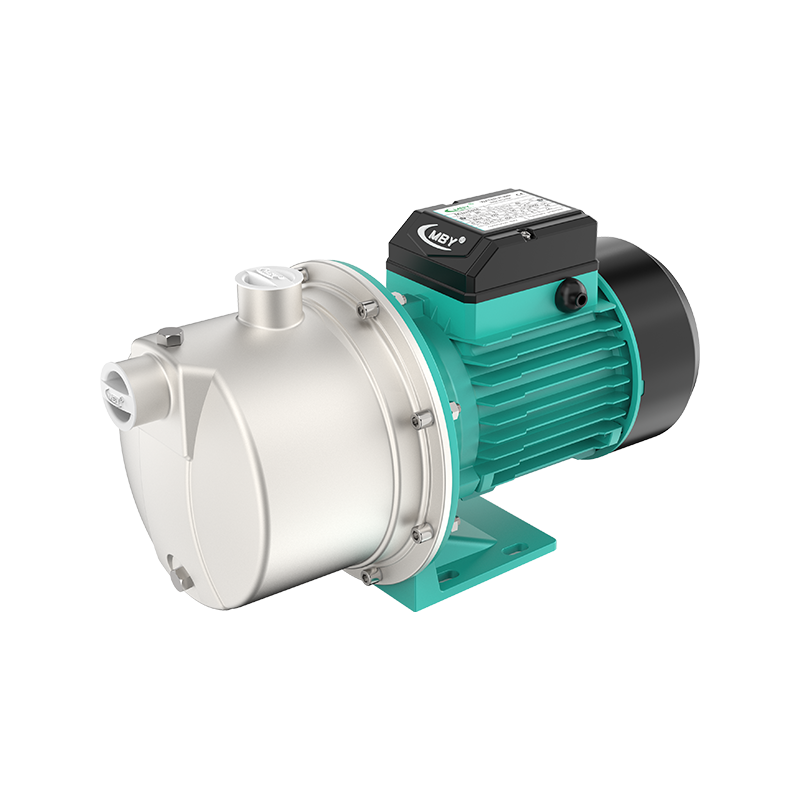 Complete Guide to Household Water Pumps: From Selection, Installation to Maintenance, Your Home's 'Water Butler'
Sep 04, 2025
 Can the intelligent automatic self-priming vortex water pump lead a new era in water management?
Sep 04, 2025
Get In Touch

Address 1:
No. 4 Taoyuan Road, Taozhou Town, Guangde City, Xuancheng City, Anhui Province, China
Address 2:
Daxi Town, Wenling City, Taizhou City, Zhejiang Province, China Pump Industry Intelligent Manufacturing Town