
 English
 русский
 Español
 Português
 عربى
عربى
 Türk
Türk








+86 18395326713
Jun 12, 2026
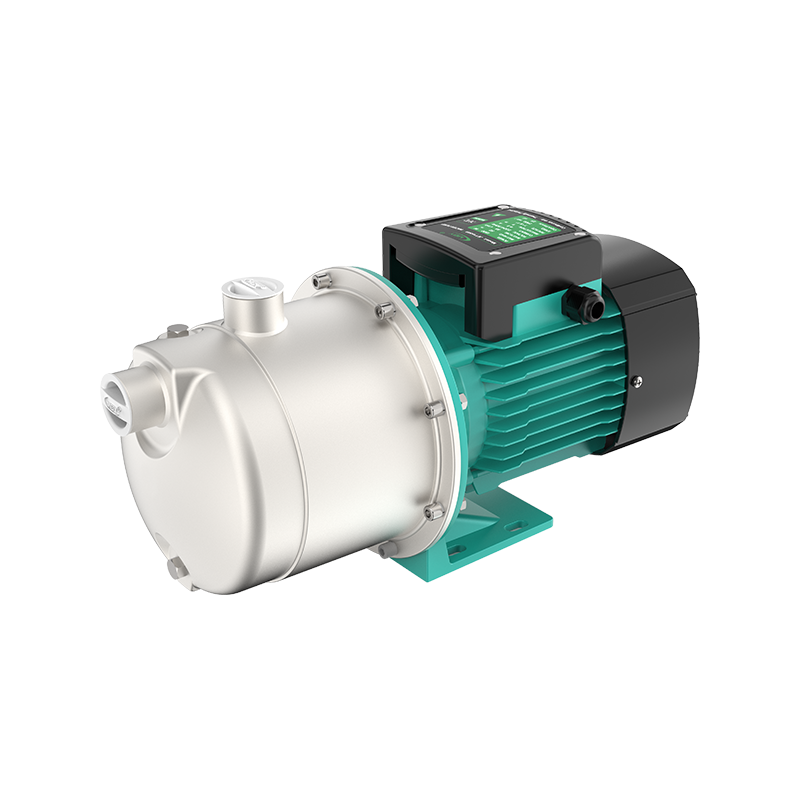
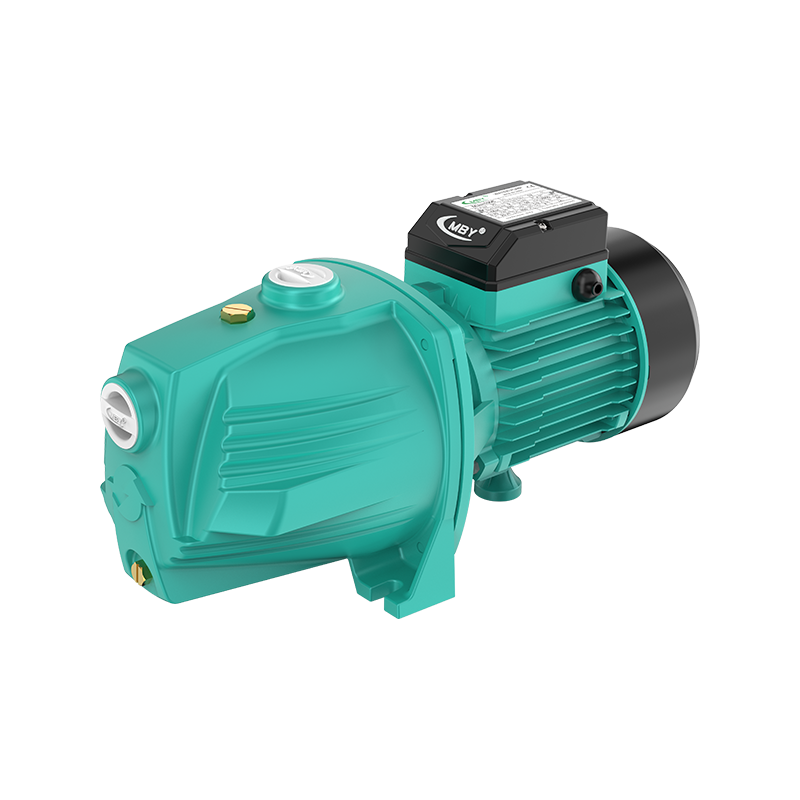
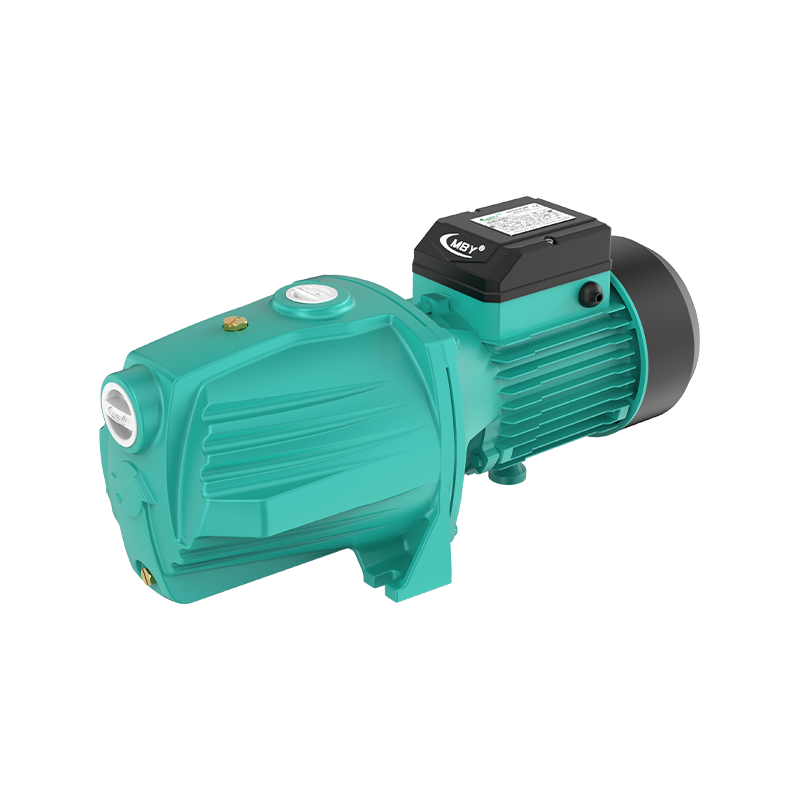
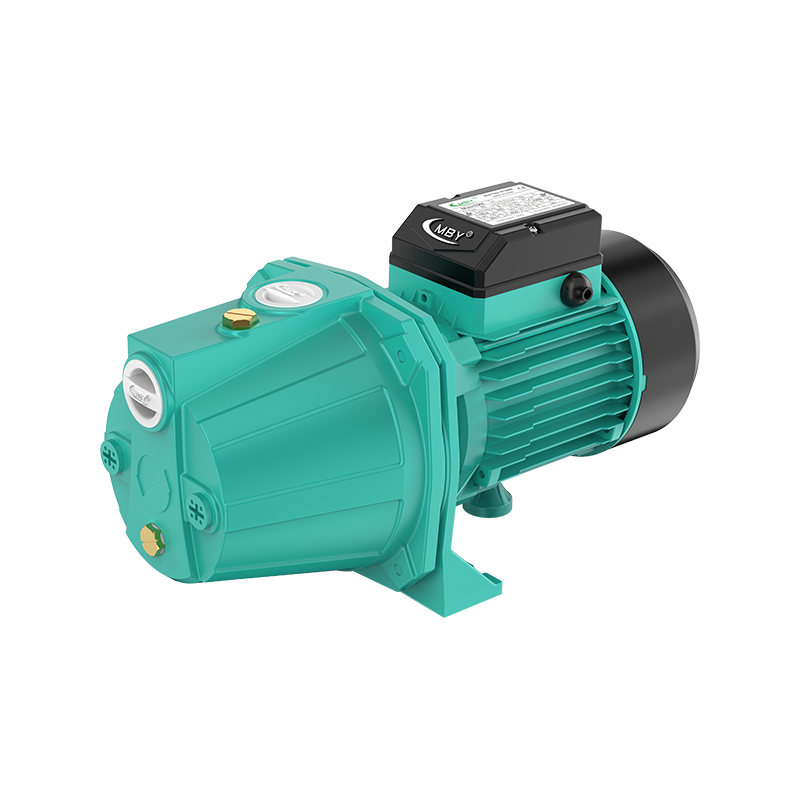
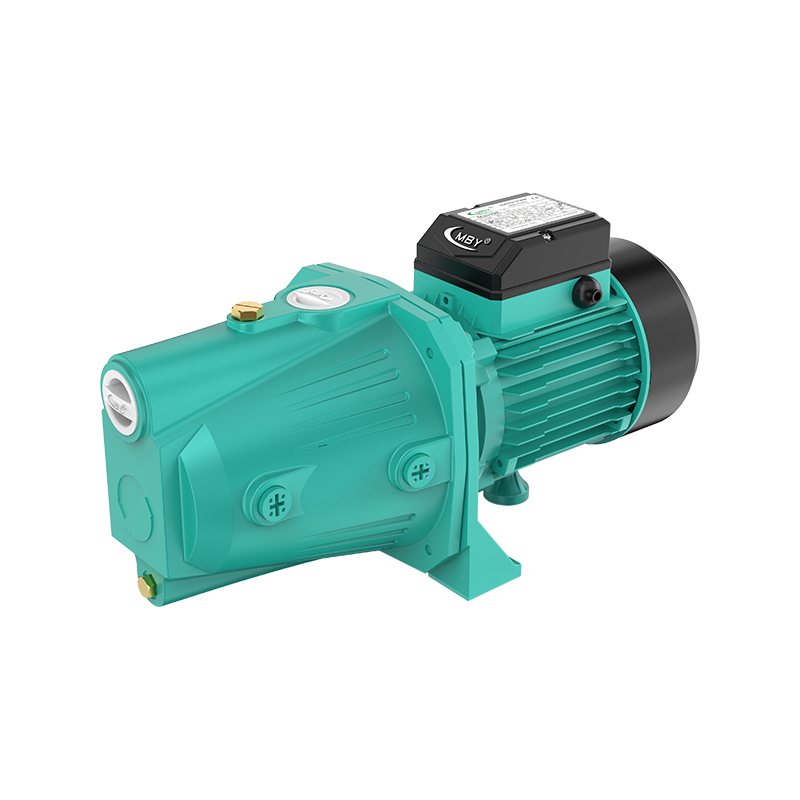
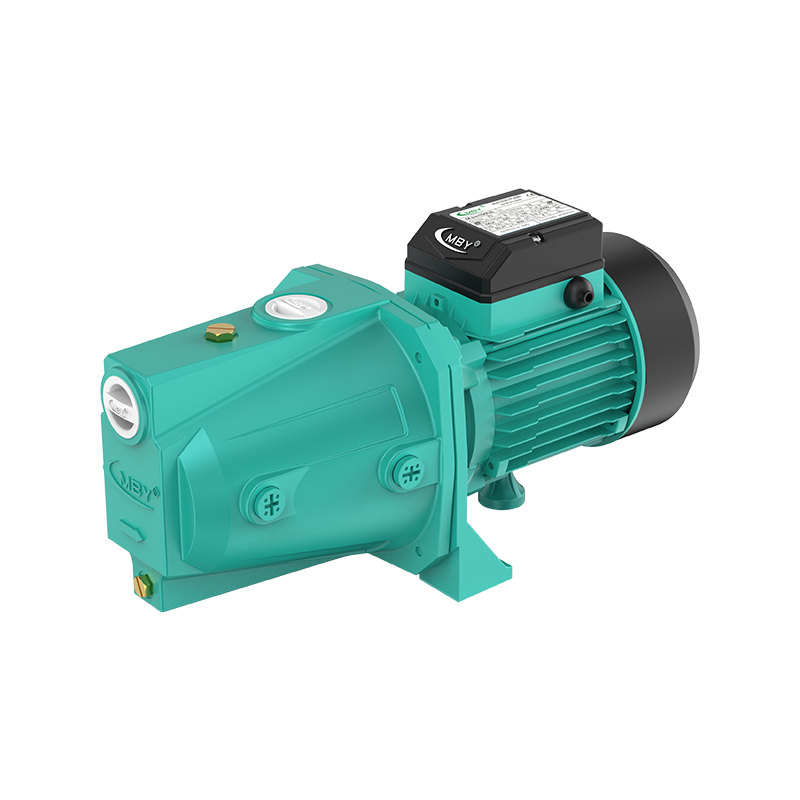
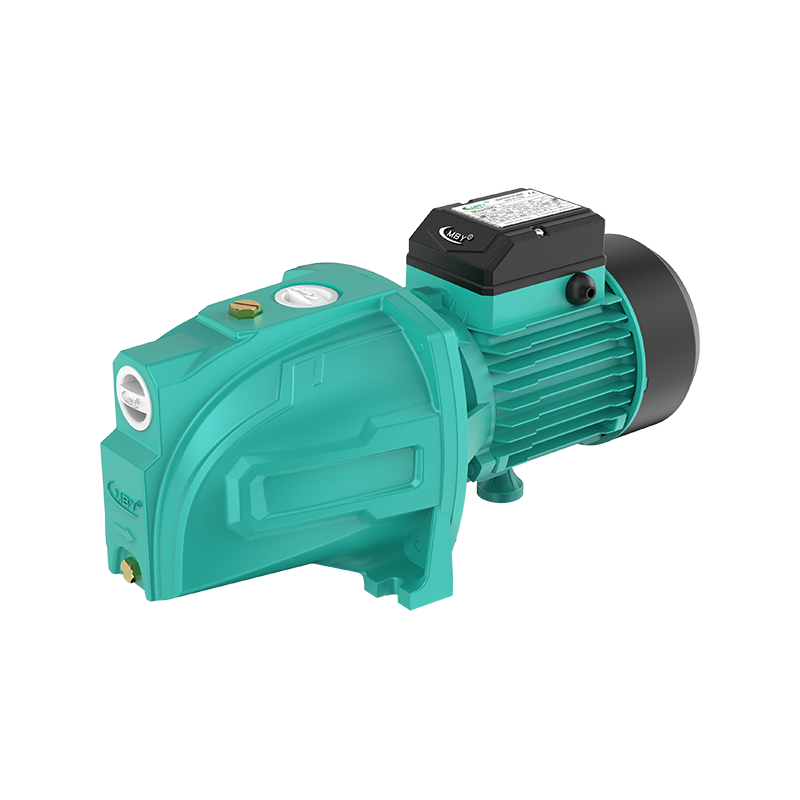
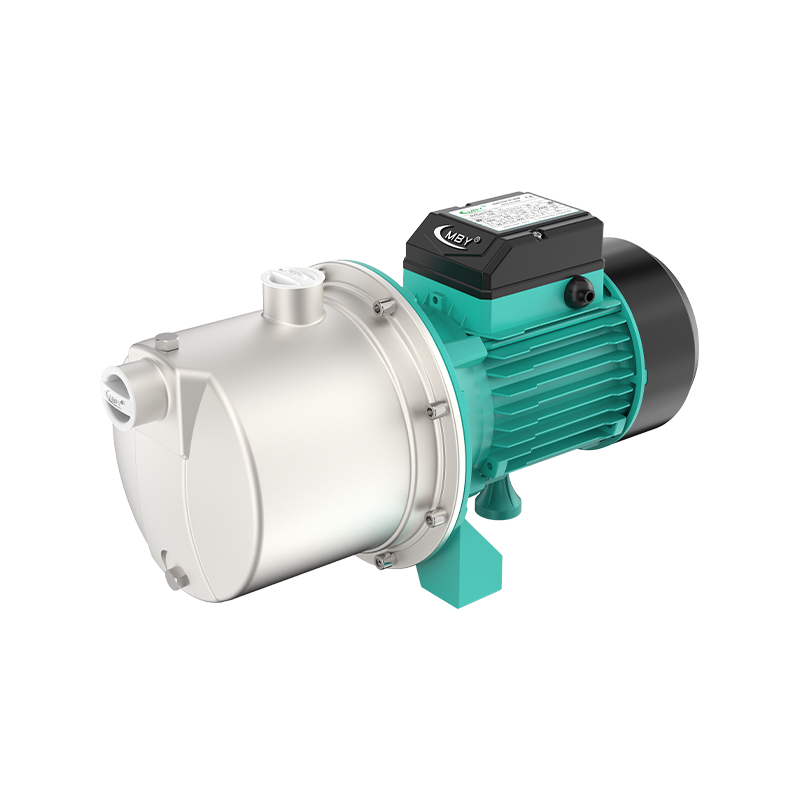
A stainless steel jet pump is a self-priming centrifugal pump combined with a jet ejector assembly, specifically engineered to lift water from wells, cisterns, or surface reservoirs. Its fundamental working principle relies on the Venturi effect: a high-speed jet of water passes through a nozzle, creating a vacuum that draws additional fluid into the pump, then converts kinetic energy into pressure energy through a diffuser. The result is efficient water lifting from depths up to 25–35 meters (80–115 feet) without submerging the pump itself. Unlike standard centrifugal pumps, the jet mechanism allows the pump to operate with excellent self-priming capability, making it ideal for domestic water supply, irrigation, and pressure boosting systems. Constructed from stainless steel (typically AISI 304 or 316), it offers outstanding corrosion resistance, longevity in aggressive water conditions, and hygienic performance for potable water applications.
In short: stainless steel jet pumps combine centrifugal force + jet recirculation to lift water reliably. The stainless steel body ensures durability, while the jet assembly extends suction lift beyond standard limits.
Understanding the anatomy of a stainless steel jet pump helps operators optimize performance and maintenance. The design integrates a pump casing, impeller, nozzle, venturi tube, and diffuser – all manufactured from high-grade stainless steel alloys.
The impeller rotates at high speed (typically 2900–3450 RPM) to generate centrifugal force. The diffuser converts velocity head into pressure. Stainless steel construction reduces wear by 40% compared to cast iron in sandy or slightly corrosive water conditions.
This duo creates the ejector action: the nozzle accelerates water, lowering pressure, while the venturi throat recovers pressure. Jet assembly geometry determines the suction lift capacity and flow curve. Most jet pumps include an adjustable nozzle to fine-tune performance.
Typically 1" to 2" NPT connections. The suction line connects to the well or water source, the discharge delivers pressurized water to the system. Stainless steel threads prevent galling and corrosion.
Premium silicon carbide or carbon/ceramic mechanical seals guarantee leak-proof operation. Seal life expectancy exceeds 8,000 operating hours when handling clean water.
The stainless steel jet pump works through a continuous recirculation cycle that amplifies suction capacity. Follow the operational sequence below for a visual understanding.
Detailed mechanism: Initially, the pump casing is primed (filled with water). The motor rotates the impeller, and centrifugal force pushes water through the nozzle at high speed (up to 15 m/s). The nozzle dramatically reduces cross-section, accelerating water and creating a low-pressure zone that pulls water from the suction line (connected to the well). Simultaneously, the venturi tube recovers dynamic pressure, allowing part of the water to recirculate while the remainder exits to the discharge pipe. This process yields up to 200% additional flow rate at moderate heads compared to a standard centrifugal pump without jet assist.
Because the moving parts are not submerged, maintenance is safer and easier. Modern stainless steel jet pumps achieve self-priming heights up to 7.5 meters (25 ft) and total suction lift above 30 meters with deep-well jet assemblies.
Thanks to their robust material and engineering, stainless steel jet pumps are widely adopted across residential, agricultural, and light industrial sectors. Below are key benefits and real-world performance advantages.
The following table summarizes practical operating ranges for typical stainless steel jet pumps. Values are based on standard hydraulic references and industry norms.
| Application Type | Suction Lift Range | Flow Rate (GPM / m³/h) | Max Discharge Head | Stainless Grade Benefit |
|---|---|---|---|---|
| Domestic water supply (shallow well) | 5 – 25 ft (1.5 – 7.6 m) | 8 – 20 GPM (1.8 – 4.5 m³/h) | 120 ft (36 m) | No rust, safe drinking water |
| Garden irrigation / sprinkler | 10 – 20 ft (3 – 6 m) | 12 – 30 GPM (2.7 – 6.8 m³/h) | 100 ft (30 m) | Resistant to fertilizer residues |
| Pressure boosting (household) | Flooded suction (0 lift) | 10 – 25 GPM (2.3 – 5.7 m³/h) | 145 ft (44 m) | Silent, scale-resistant |
| Agricultural transfer (clean water) | 8 – 20 ft (2.5 – 6 m) | 20 – 50 GPM (4.5 – 11 m³/h) | 95 ft (29 m) | Withstands UV / weathering |
Remember: Actual performance depends on pump model, nozzle/venturi size, and installation conditions. For deep wells over 25 m, dual-pipe jet pumps or convertible jet pumps with ejector submerged are recommended.
Choosing the right stainless steel jet pump requires matching hydraulic parameters to your water source. Below is a practical reference for system design and performance expectations.
This table highlights why stainless steel dominates demanding water environments. Data derived from industry engineering standards.
| Feature | Stainless Steel Jet Pump | Cast Iron / Bronze Pump |
|---|---|---|
| Corrosion resistance (salt, acidic) | Excellent (10+ years) | Moderate (rust, pitting after 3-5 yrs) |
| Weight & portability | Moderate | Heavier |
| Drinking water approval | NSF/ANSI 61 compliant | Requires coating/epoxy lining |
| Maintenance frequency | Low (every 2-3 years) | Higher (seal & wear rings) |
| Lifecycle cost (10 years) | 20–30% lower due to durability | Higher replacement/repair cost |
Proper maintenance extends service life and ensures reliable water delivery. Since stainless steel resists corrosion, the key focus is on mechanical seals, strainers, and pressure controls. Follow these preventive measures:
Following these steps yields operational reliability above 96% over a decade and reduces unplanned downtime.
Standard shallow-well jet pumps have maximum suction lift around 25 feet (7.6 meters) at sea level. For deeper wells up to 100 ft (30 m), a deep-well jet pump configuration with a two-pipe ejector kit installed down the well is required. Stainless steel models maintain better vacuum integrity than alternative materials.
Yes, but only if constructed from AISI 316 stainless steel (marine grade) which contains molybdenum for enhanced resistance to chlorides. Standard 304 stainless may pit in high salinity (above 2000 ppm chlorides). For coastal or direct seawater applications, always choose 316L grade components.
Jet pumps are optimal for wells with dynamic water levels under 25 ft (7.6 m) and for pressure boosting applications. Submersible pumps excel in deep wells (>30 m) and high-flow scenarios. Stainless steel jet pumps are more cost-effective to maintain above ground and provide easier access for inspection.
Many stainless steel jet pumps with appropriate EPDM or Viton seals can handle liquids up to 140°F (60°C). Check technical specs for temperature limits. High-temp applications may require upgraded mechanical seals. Stainless steel body remains stable far beyond that range.
Under clean water conditions, the nozzle and venturi last 8–12 years. If you notice loss of pressure or increased runtime without flow increase, inspect for wear or erosion. Abrasive particles (sand) accelerate wear and may necessitate replacement every 3–4 years.
Stainless steel jet pumps offer wire-to-water efficiencies between 35% and 55% depending on operating point. Compared to older cast iron models, energy savings can reach 12-18% due to smoother internal hydraulic surfaces and optimized impeller design, which reduces friction losses.
Hot News
 Oil Immersed Submersible Electric Pump: Working Principles, Applications, and Future Trends
Sep 04, 2025
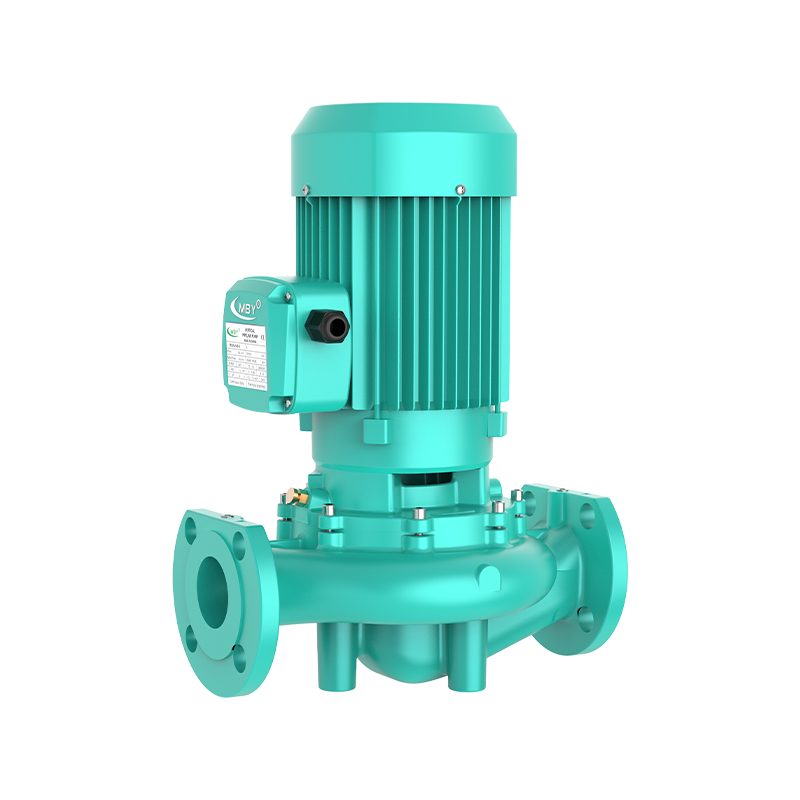 Global Pipeline Centrifugal Pump Industry Update: High-Efficiency Double Suction and Magnetic Drive Technologies Leading the Industrial Water Treatment Revolution
Sep 04, 2025
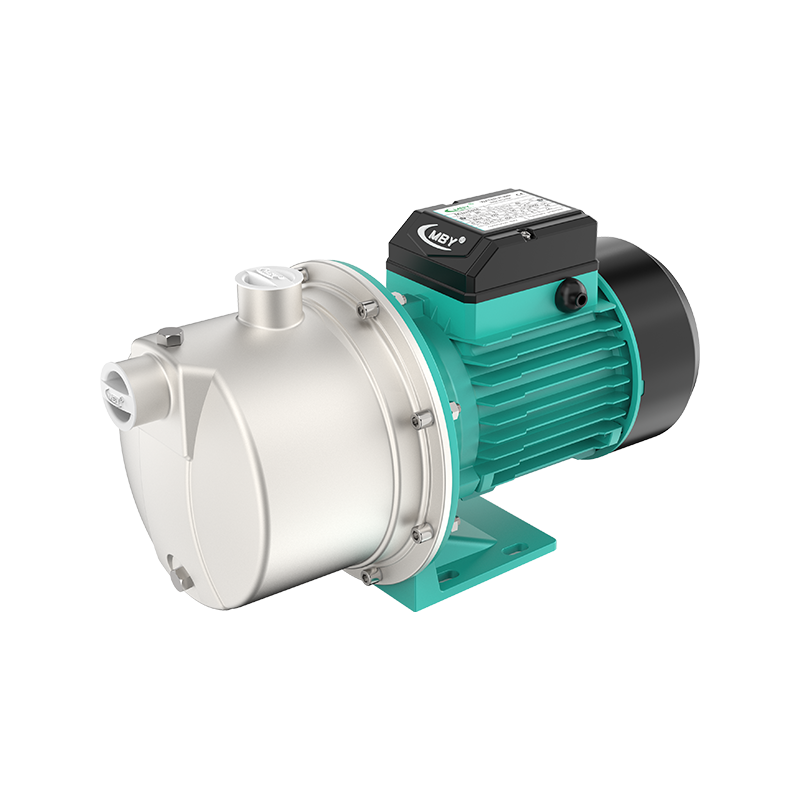 Complete Guide to Household Water Pumps: From Selection, Installation to Maintenance, Your Home's 'Water Butler'
Sep 04, 2025
 Can the intelligent automatic self-priming vortex water pump lead a new era in water management?
Sep 04, 2025
Get In Touch

Address 1:
No. 4 Taoyuan Road, Taozhou Town, Guangde City, Xuancheng City, Anhui Province, China
Address 2:
Daxi Town, Wenling City, Taizhou City, Zhejiang Province, China Pump Industry Intelligent Manufacturing Town