
 English
 русский
 Español
 Português
 عربى
عربى
 Türk
Türk








+86 18395326713
Jun 18, 2026
Submersible pumps deliver superior performance for water circulation by eliminating suction lift, preventing cavitation, reducing noise, and lowering total lifecycle costs. Unlike surface-mounted pumps that must draw water upward, submersible pumps operate directly within the fluid, pushing rather than pulling. This fundamental difference translates into measurable advantages across energy consumption, reliability, installation flexibility, and long-term operating expenses.
Submersible pumps achieve higher operational efficiency than many conventional centrifugal pumps because they are installed below the liquid level[reference:0]. The surrounding water provides positive suction pressure at the pump inlet, eliminating the energy losses associated with suction lift[reference:1]. Instead of expending energy to draw fluid upward, the pump uses its power to push fluid through the discharge line — a more efficient use of electrical input.
Field data from agricultural applications shows submersible pump efficiency reaching 87.5% under real-world conditions[reference:2]. Best-available-technology (BAT) submersible centrifugal pumps can achieve efficiencies up to 88.7%[reference:3]. This efficiency advantage is particularly pronounced in low-head circulation applications, where submersible pumps demonstrate significant power savings compared to alternative configurations[reference:4].
Beyond raw efficiency, the financial impact is substantial. Energy consumption typically accounts for approximately 85% of a pump's total lifecycle cost, while initial capital investment represents only about 5%[reference:5]. Even modest efficiency gains directly reduce the dominant cost driver over the pump's operational life.
Cavitation — the formation and collapse of vapor bubbles due to low pressure — is one of the primary causes of premature pump failure. Submersible pumps are inherently less prone to cavitation because they operate below the liquid surface[reference:6][reference:7]. The hydrostatic pressure at the inlet ensures that the Net Positive Suction Head (NPSH) requirement is consistently met, eliminating the suction-side pressure drops that trigger cavitation in dry-installed pumps[reference:8].
This advantage is particularly critical in applications involving variable water levels or high-temperature fluids, where vapor pressure increases and cavitation risk escalates. By operating in a flooded condition, submersible pumps maintain stable, consistent inlet conditions that improve reliability and reduce performance fluctuations[reference:9].
The result is extended component life: impellers, wear rings, and shaft seals experience less erosion and mechanical stress. Service lives of 10 to 20+ years are routinely achievable with proper selection and maintenance[reference:10].
Submersible pumps operate significantly quieter than surface-mounted alternatives. The surrounding water naturally dampens both airborne noise and mechanical vibration[reference:11][reference:12]. Typical submersible pump noise levels range from 30 to 50 decibels — comparable to a quiet conversation — making them suitable for residential areas, commercial buildings, and other noise-sensitive settings[reference:13][reference:14].
In contrast, above-ground pumps can produce noise levels exceeding 70 dB, requiring additional sound enclosures or remote siting. The submerged design also reduces vibration-related wear on components, as the fluid medium absorbs mechanical energy that would otherwise stress bearings and seals[reference:15]. This dual benefit — lower noise and reduced vibration — contributes to both operator comfort and equipment longevity.
Submersible pumps require minimal above-ground footprint. The entire pump-motor assembly fits within the wet well, tank, or body of water being pumped[reference:16][reference:17]. No separate pump house, suction piping, or priming system is needed[reference:18]. This compactness is especially valuable in urban environments, retrofits, and locations where real estate is at a premium[reference:19].
Installation is straightforward: the pump is lowered directly into the fluid, connected to power and discharge piping, and put into service. No complex foundation work or structural supports are required[reference:20]. For wastewater applications, this means pump stations can be fully buried, preserving surface area for other uses while eliminating visual and olfactory impacts.
Surface pumps must be primed — filled with liquid — before they can operate. If suction piping loses its prime due to air ingress or water level drop, the pump stops moving fluid and risks running dry. Submersible pumps eliminate this vulnerability entirely. Because they are already submerged, they are inherently self-priming and ready to operate the moment power is applied[reference:21][reference:22].
This feature is critical in applications such as:
Eliminating priming also removes the need for foot valves, check valves, and priming chambers — reducing both first cost and ongoing maintenance requirements.
Submersible pumps are designed for harsh, continuous-duty environments. The sealed, watertight motor housing protects electrical components from moisture ingress, while the surrounding fluid provides continuous motor cooling that prevents overheating during extended running periods[reference:23]. This cooling effect is particularly valuable in high-ambient-temperature settings or when pumping fluids at elevated temperatures.
For wastewater and sewage applications, modern submersible pumps incorporate non-clog impeller designs that handle solids, rags, and fibrous materials without blocking[reference:24][reference:25]. Larger impeller diameters and optimized blade geometry prevent clogging while maintaining hydraulic efficiency[reference:26]. The result is reduced unplanned downtime and lower maintenance frequency compared to conventional solids-handling pumps.
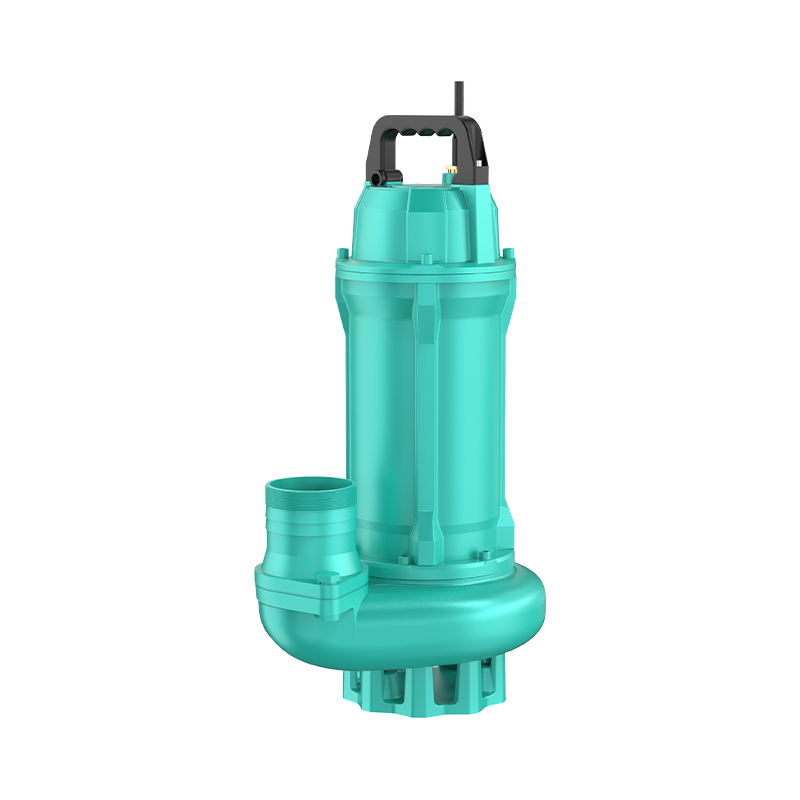
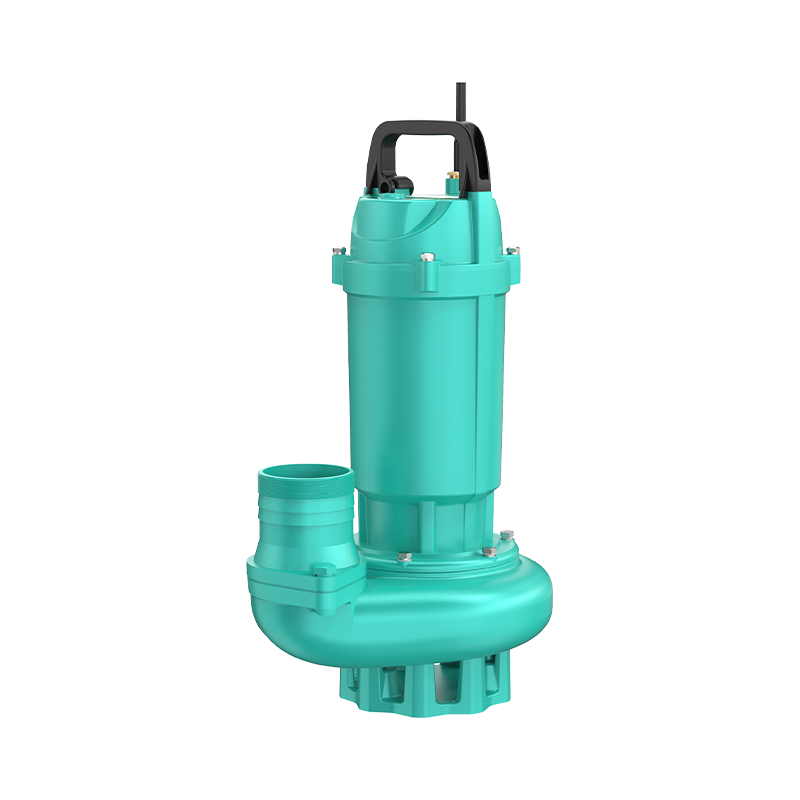
Submersible sewage pumps represent a distinct category within the broader submersible pump family, engineered specifically for the challenges of wastewater handling. Key differentiators include:
These features make submersible sewage pumps the preferred choice for municipal lift stations, industrial effluent systems, and commercial wastewater management, where reliability and energy efficiency are paramount[reference:31].
When evaluating pump selection over a 10- to 20-year horizon, submersible pumps consistently demonstrate a favorable total cost of ownership. The cost structure is dominated by energy consumption, which typically accounts for 85% of lifecycle costs, followed by maintenance (approximately 10%) and initial capital (about 5%)[reference:32].
| Cost Component | Typical Share of Lifecycle Cost | Submersible Pump Advantage |
|---|---|---|
| Energy consumption | ~85% | Higher efficiency reduces the dominant cost driver |
| Maintenance & repairs | ~10% | Fewer cavitation-related failures; longer service intervals |
| Initial capital investment | ~5% | No pump house, suction piping, or priming system required |
Studies have shown submersible pumps achieving payback periods as short as 1.7 years in agricultural applications — faster than both centrifugal (2.2 years) and reciprocating (3.0 years) alternatives[reference:33]. Over the full service life, these efficiency and reliability advantages translate into substantial cumulative savings.
Summary: The submerged configuration creates a positive feedback loop — better inlet conditions enable higher efficiency, which reduces energy costs, while the fluid environment protects the pump from cavitation, noise, and overheating, extending service life and lowering maintenance burdens.
The primary advantage is that submersible pumps operate directly in the fluid, eliminating suction lift and the energy losses associated with drawing water upward[reference:34]. They are also self-priming, less prone to cavitation, and significantly quieter[reference:35][reference:36].
Yes, in most applications. Submersible pumps benefit from positive inlet pressure and reduced hydraulic losses. Best-available-technology models can achieve efficiencies up to 88.7%[reference:37], and real-world agricultural installations have recorded 87.5% efficiency[reference:38]. The energy savings are most pronounced in low-head circulation and wastewater applications.
With proper selection, installation, and maintenance, submersible pumps commonly achieve service lives of 10 to 20+ years[reference:39]. The submerged design protects the motor from environmental exposure and provides continuous cooling, both of which contribute to extended longevity.
Maintenance requirements are generally modest. The pump can be retrieved from the wet well for inspection and service without extensive disassembly[reference:40]. Routine attention focuses on seals, electrical connections, and impeller condition. The absence of suction piping and priming systems eliminates several common failure points found in surface pump installations.
Yes. Submersible sewage pumps are specifically designed for wastewater applications, with non-clog impellers, large solids passage capacities (up to 3 inches or more), and self-cleaning hydraulics[reference:41][reference:42]. These features make them the standard choice for municipal and industrial wastewater systems.
Payback periods vary by application, but studies have documented payback as short as 1.7 years in agricultural settings — faster than centrifugal (2.2 years) or reciprocating (3.0 years) pumps[reference:43]. The combination of lower energy consumption, reduced maintenance, and eliminated infrastructure costs drives rapid return on investment.
Hot News
 Oil Immersed Submersible Electric Pump: Working Principles, Applications, and Future Trends
Sep 04, 2025
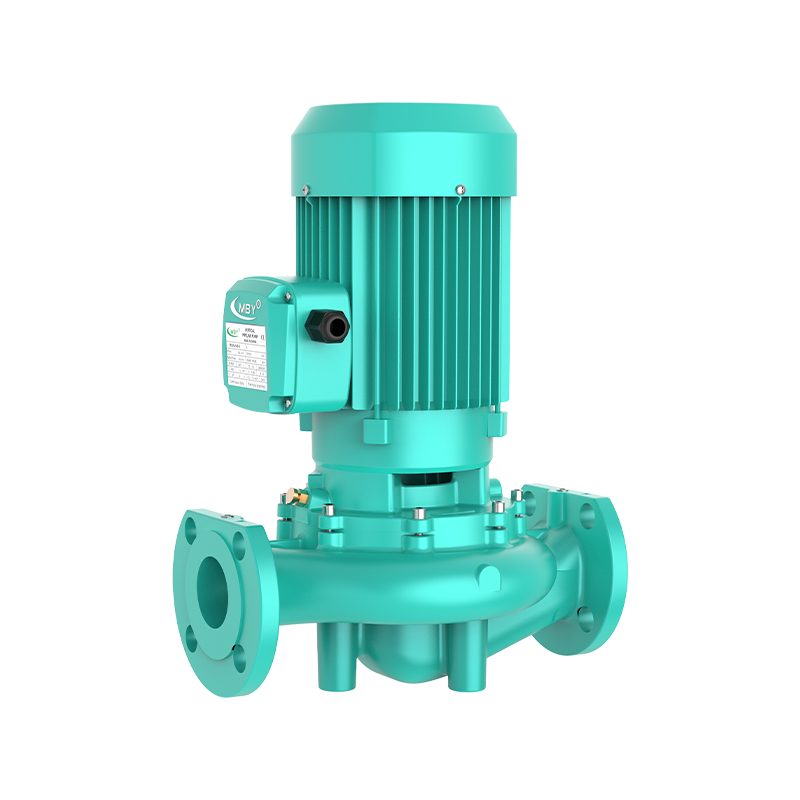 Global Pipeline Centrifugal Pump Industry Update: High-Efficiency Double Suction and Magnetic Drive Technologies Leading the Industrial Water Treatment Revolution
Sep 04, 2025
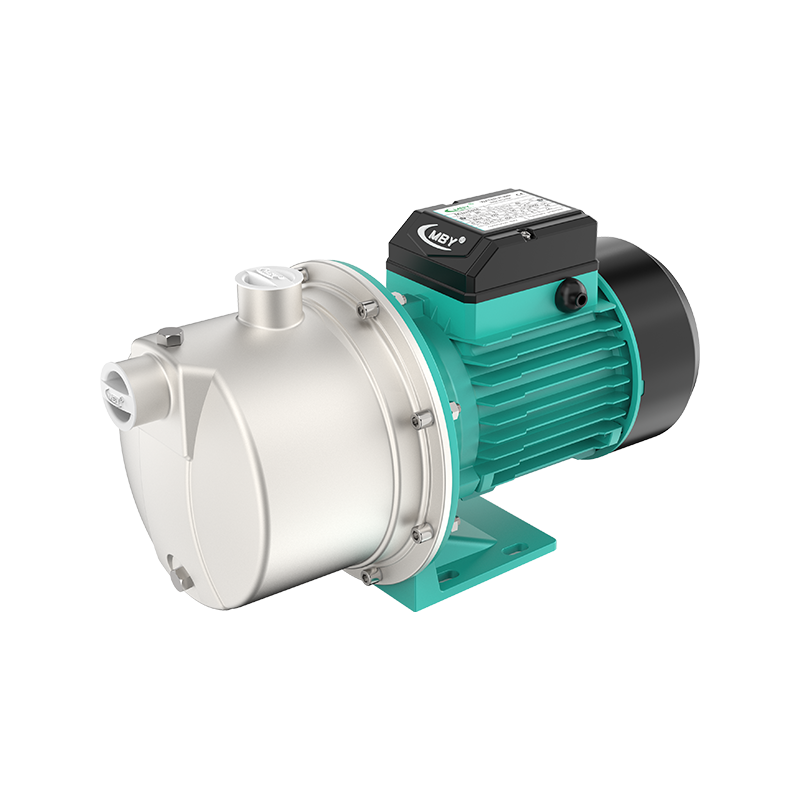 Complete Guide to Household Water Pumps: From Selection, Installation to Maintenance, Your Home's 'Water Butler'
Sep 04, 2025
 Can the intelligent automatic self-priming vortex water pump lead a new era in water management?
Sep 04, 2025
Get In Touch

Address 1:
No. 4 Taoyuan Road, Taozhou Town, Guangde City, Xuancheng City, Anhui Province, China
Address 2:
Daxi Town, Wenling City, Taizhou City, Zhejiang Province, China Pump Industry Intelligent Manufacturing Town