

 English
 русский
 Español
 Português
 عربى
عربى
 Türk
Türk








+86 18395326713
Sep 25, 2025
In modern process industries, efficiency has emerged as the defining performance measure for industrial centrifugal pumps. As manufacturing systems evolve toward higher output and lower energy use, these pumps serve as critical components that directly influence productivity, operational cost, and environmental impact. Understanding how efficiency governs their design, operation, and performance reveals why it remains the central feature driving their technological advancement and market adoption.
Efficiency in industrial centrifugal pumps refers to the ratio of hydraulic energy delivered to the fluid against the total energy consumed by the pump. High efficiency minimizes power loss and ensures stable operation under varying load conditions. For industries relying on continuous flow—such as chemical processing, water treatment, and energy systems—this translates into lower lifecycle costs and improved system reliability.
Efficient hydraulic design reduces turbulence and frictional losses, enabling high flow performance even under demanding industrial conditions. Modern industrial centrifugal pumps manufacturers increasingly focus on optimizing impeller geometry, flow passage, and bearing alignment to achieve superior energy transfer with minimal waste.
The structural design of industrial centrifugal pumps directly affects energy utilization. Two main configurations—horizontal centrifugal pump and vertical centrifugal pump—serve distinct operational purposes but share efficiency as a key design goal.
| Pump Configuration | Key Structural Traits | Efficiency Advantage | Typical Application |
|---|---|---|---|
| Horizontal Centrifugal Pump | Compact layout, accessible for maintenance | Reduced shaft deflection, smoother flow path | Industrial water circulation, process transfer |
| Vertical Centrifugal Pump | Space-saving inline design | Minimized footprint, optimized suction conditions | Cooling systems, confined industrial setups |
By refining component alignment and impeller positioning, designers minimize mechanical losses and fluid turbulence. The result is a consistent flow rate with lower power demand, crucial for continuous operation in large-scale facilities.
In heavy-duty and high-pressure applications, efficiency is magnified through the adoption of multi stage centrifugal pump designs. Each impeller stage adds incremental pressure while maintaining steady flow characteristics, allowing energy distribution across multiple points rather than concentrating stress on a single impeller.
Industrial centrifugal pumps configured in this way offer better hydraulic stability and lower vibration levels. They are ideal for high pressure centrifugal pump systems that must move water or process liquids across significant elevation or resistance without sacrificing energy performance.
Furthermore, integrating variable frequency drive (VFD) technology enhances the adaptability of multi-stage centrifugal pumps, enabling dynamic control of motor speed to match real-time flow requirements. This not only conserves energy but also reduces wear on the pump components, extending operational lifespan.
Efficiency is not achieved solely through design—it also depends on the material composition of the pump components. Stainless steel centrifugal pump models, for example, resist corrosion and maintain surface integrity, allowing smooth fluid passage over time. Their resistance to pitting and scaling minimizes internal drag, ensuring that hydraulic efficiency remains stable throughout prolonged use.
For aggressive liquids or high-temperature environments, specialized alloys and coatings further prevent energy losses associated with fluid resistance and mechanical wear. Industrial centrifugal pumps manufacturers emphasize this correlation between material choice and sustainable energy use, especially in sectors requiring long-duration, high-load performance.
Hydraulic balancing is another factor that defines the efficiency of process industry centrifugal pumps. Balanced hydraulic forces reduce axial load on the motor and bearings, leading to consistent operation and lower maintenance frequency.
Optimized impeller profiles and precision manufacturing contribute to a smooth velocity gradient within the flow channel, which minimizes recirculation zones that typically cause energy waste. These refinements result in better pump performance at both low and high discharge rates, aligning efficiency with operational versatility.
In large industrial environments, a single centrifugal pump’s efficiency impacts the entire system. When multiple industrial water centrifugal pumps or process pumps operate in parallel, even minor efficiency gains per unit can significantly reduce total power consumption.
Energy-efficient centrifugal pump configurations help industries meet regulatory requirements for sustainability and operational standards. Whether used in wastewater treatment, chemical production, or thermal management, the integration of efficient pumping systems reduces both electricity demand and carbon footprint.
| Efficiency Factor | Description | Operational Impact |
|---|---|---|
| Hydraulic Design | Optimized impeller and volute geometry | Enhanced energy conversion |
| Material Selection | Corrosion-resistant and low-friction surfaces | Reduced long-term efficiency decay |
| Variable Speed Drive | Adaptive flow control technology | Energy savings and stable output |
| System Integration | Proper pipeline sizing and pump matching | Lowered operational resistance |
Efficiency also determines maintenance requirements and total cost of ownership. Industrial circulation pump systems with balanced hydraulic design and optimized bearing load distribution experience less wear, reducing downtime.
A centrifugal pump with mechanical seal enhances system tightness, preventing leakage and fluid loss that could otherwise impact efficiency. Additionally, predictive maintenance technologies now enable operators to monitor efficiency trends through vibration, pressure, and temperature data, identifying performance degradation before mechanical failure occurs.
The result is a stable, long-life industrial centrifugal pump that operates with predictable energy use and minimal maintenance interruption—an essential quality for industries demanding continuous production cycles.
The future of industrial centrifugal pumps lies in intelligent efficiency management. Digital control systems and sensor-integrated monitoring are reshaping how pumps interact with process environments. These smart systems adjust operational parameters automatically, achieving energy optimization without human intervention.
Industrial centrifugal pumps manufacturers are investing in computational fluid dynamics (CFD) and digital twins to simulate flow behavior under multiple operating conditions. The insights gained from such modeling support the development of high flow industrial pump systems that deliver superior performance while maintaining minimal environmental impact.
Efficiency defines the value and functionality of modern industrial centrifugal pumps. From structural design to material selection and system integration, every engineering decision aims to optimize energy conversion and operational sustainability.
Hot News
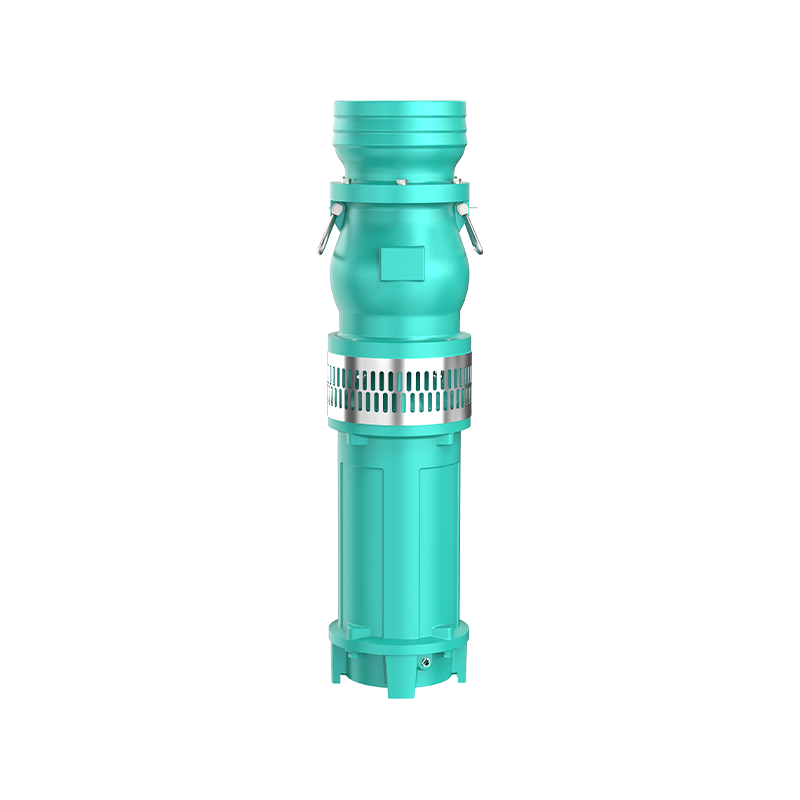 Oil Immersed Submersible Electric Pump: Working Principles, Applications, and Future Trends
Sep 04, 2025
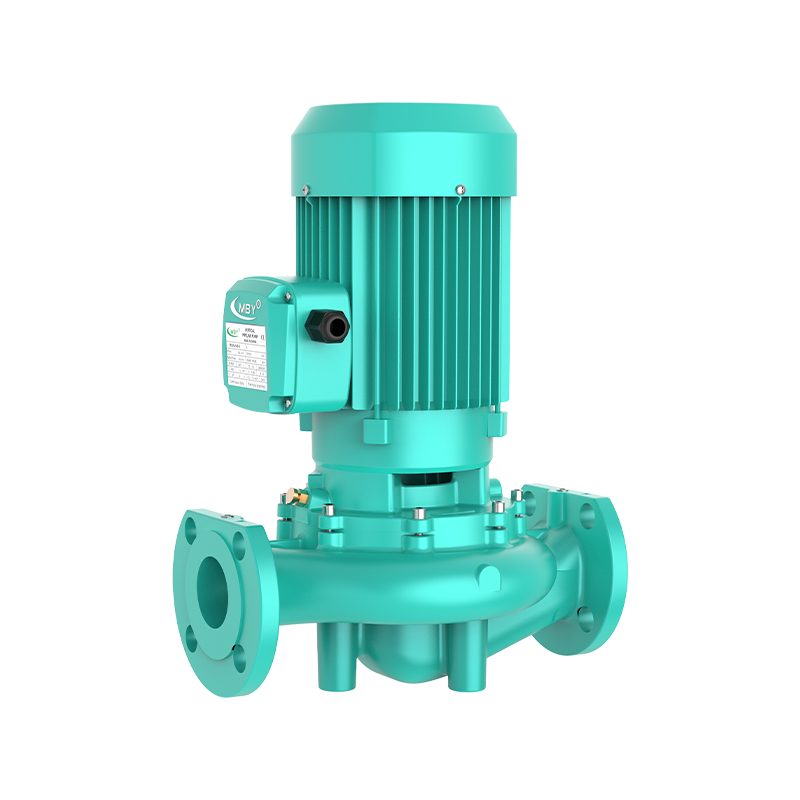 Global Pipeline Centrifugal Pump Industry Update: High-Efficiency Double Suction and Magnetic Drive Technologies Leading the Industrial Water Treatment Revolution
Sep 04, 2025
 Complete Guide to Household Water Pumps: From Selection, Installation to Maintenance, Your Home's 'Water Butler'
Sep 04, 2025
 Can the intelligent automatic self-priming vortex water pump lead a new era in water management?
Sep 04, 2025
Get In Touch

Address 1:
No. 4 Taoyuan Road, Taozhou Town, Guangde City, Xuancheng City, Anhui Province, China
Address 2:
Daxi Town, Wenling City, Taizhou City, Zhejiang Province, China Pump Industry Intelligent Manufacturing Town