

 English
 русский
 Español
 Português
 عربى
عربى
 Türk
Türk








+86 18395326713
Oct 02, 2025
In the modern residential environment, the demand for comfort extends far beyond visual aesthetics or spatial design. Sound—specifically the elimination of mechanical noise—has become a key metric in evaluating home equipment quality. Among all household utilities, household water pumps play a critical role in ensuring stable water pressure for daily usage, yet their operational sound has long been a concern. Today, low-noise technology has emerged as a defining characteristic of advanced household water pumps, reshaping how households experience water supply systems.
Before analyzing technological improvements, it is essential to understand where pump noise originates. In household centrifugal pump systems, vibration and resonance are often generated from the interaction between moving impellers and hydraulic resistance. Motor imbalance, bearing friction, and pressure fluctuations contribute to audible noise levels that can reach disruptive intensities in compact living environments.
The development of low-noise domestic water pumps relies on addressing these mechanical and acoustic origins simultaneously—through structural optimization, advanced insulation, and electronic control integration.
Modern low-noise household water pumps achieve quiet operation through a series of interdependent innovations:
| Technology Component | Function Description | Impact on Noise Reduction |
|---|---|---|
| Hydraulic Optimization | Improved impeller geometry and flow channels reduce turbulence and cavitation. | Minimizes vibration-induced acoustic output. |
| Motor Balancing Systems | Dynamic balancing of rotating elements eliminates resonance frequencies. | Lowers structural vibration and sound transmission. |
| Acoustic Insulation Housing | Multi-layer casing materials absorb operational vibrations. | Provides mechanical sound shielding for indoor installations. |
| Smart Pressure Control | Automatically adjusts motor speed to demand. | Prevents sudden pressure surges and startup noise. |
| Rubberized Base Mounts | Flexible foundation materials isolate vibration from building structures. | Reduces structure-borne noise transmission. |
While the reduction of mechanical noise is critical, it cannot compromise essential performance parameters such as water flow, efficiency, or pressure stability. For this reason, household water pumps manufacturers have adopted an integrated engineering model that treats silence as a performance parameter rather than an accessory feature.
The most successful implementations combine energy-efficient motors, compact layouts, and high-precision hydraulic balancing. The goal is not only to reduce decibel output but also to enhance smooth operational continuity—allowing home users to enjoy stable water pressure without perceivable sound variations.
The shift toward quieter domestic water systems reflects a wider societal transition in residential expectations. Homeowners increasingly equate mechanical comfort with product quality, and the quiet operation of household water pumps has become a key factor in purchase decisions.
This trend aligns with developments in smart home ecosystems, where connected water booster pumps automatically adapt to real-time consumption patterns. The integration of sound management technology makes these systems suitable for installations in confined or indoor spaces, such as kitchen cabinets or utility closets, without disturbing domestic ambience.
Low-noise household water pumps are not limited to specific building types. Their silent operation and compact structure make them ideal for diverse domestic environments.
| Residential Application | Pump Function | Operational Advantage |
|---|---|---|
| Urban Apartments | Automatic home water pump for consistent pressure. | Prevents sound reflection in small interior spaces. |
| Two-Story Houses | Domestic booster pump for upper-level water delivery. | Stable pressure with low mechanical vibration. |
| Rural Homes | Self-priming water pump for variable supply conditions. | Reduced acoustic footprint near living areas. |
| Heating Systems | Water circulation pump for home heating networks. | Continuous silent operation for night comfort. |
Noise control technologies are not isolated from performance improvements—they often complement energy-saving objectives. Hydraulic optimization reduces both turbulence and power loss, while variable speed control decreases mechanical stress during operation. As a result, energy-efficient household water pumps inherently generate less noise because smoother hydraulic flow minimizes the irregular vibrations that cause sound emission.
This synergy between efficiency and acoustics has become a strategic focus for household water pumps manufacturers seeking to align environmental objectives with residential comfort expectations.
Even the most advanced low-noise domestic water pumps require proper maintenance to preserve their quiet operation. Regular inspection of bearings, impellers, and seals prevents frictional wear that can gradually elevate noise levels.
Key maintenance considerations include:
Ensuring proper alignment between motor and pump shaft.
Replacing worn-out rubber mounts to maintain vibration isolation.
Monitoring air entrapment in suction lines that may cause cavitation.
Using suitable pipe supports to prevent structure-borne noise propagation.
The growing demand for low-noise home water systems reflects a broader evolution in household engineering priorities. The market trajectory indicates that silent operation will become a standard rather than a premium feature across residential product lines.
Future developments will likely emphasize integration between acoustic sensors, smart pressure algorithms, and real-time noise monitoring. With manufacturers refining design protocols, the line between mechanical performance and user comfort continues to blur—signaling a new phase where acoustic control is integral to engineering excellence.
Hot News
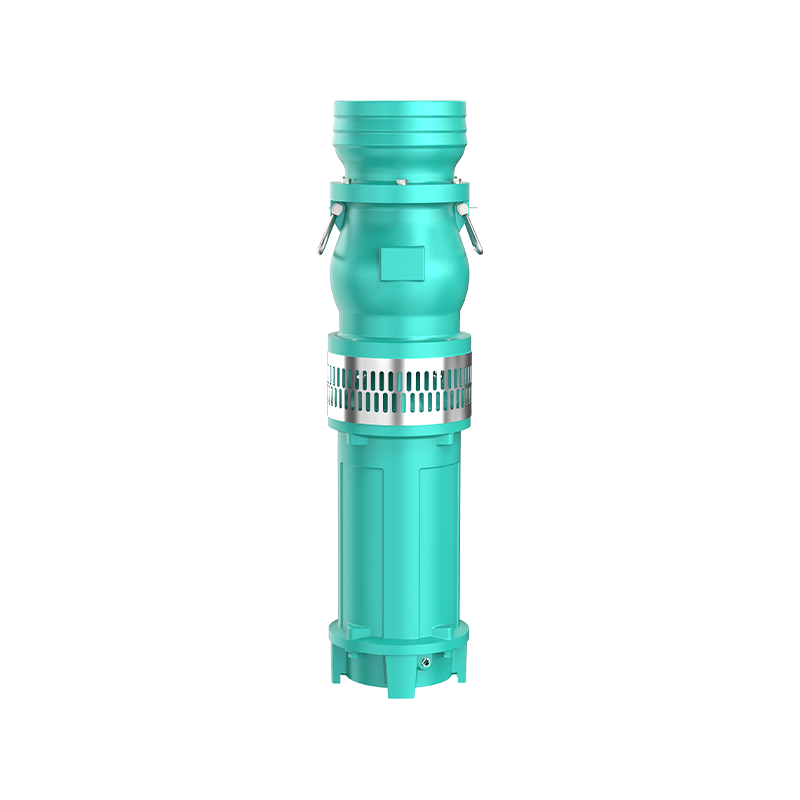 Oil Immersed Submersible Electric Pump: Working Principles, Applications, and Future Trends
Sep 04, 2025
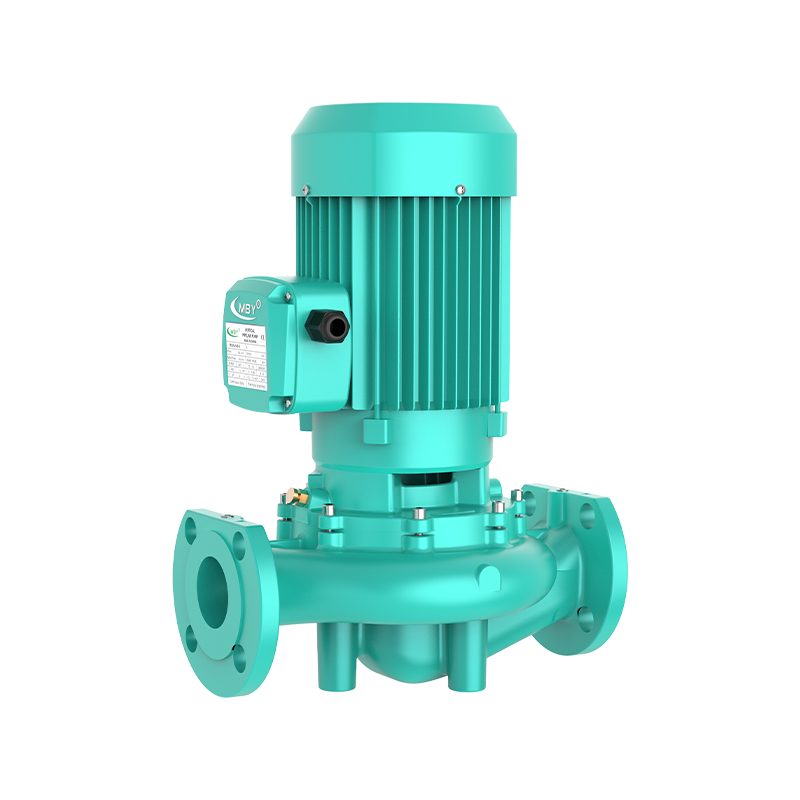 Global Pipeline Centrifugal Pump Industry Update: High-Efficiency Double Suction and Magnetic Drive Technologies Leading the Industrial Water Treatment Revolution
Sep 04, 2025
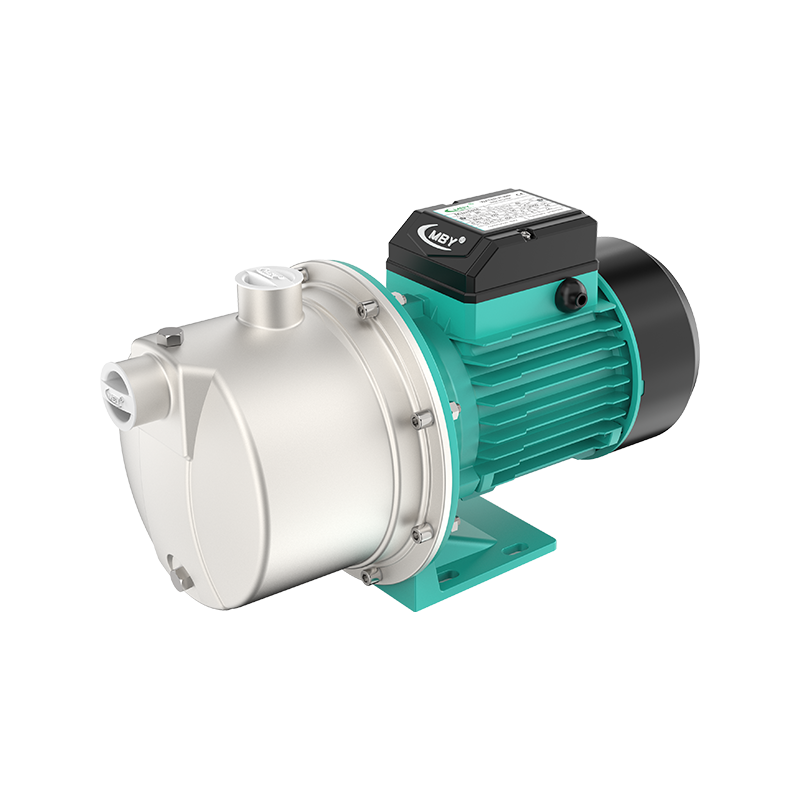 Complete Guide to Household Water Pumps: From Selection, Installation to Maintenance, Your Home's 'Water Butler'
Sep 04, 2025
 Can the intelligent automatic self-priming vortex water pump lead a new era in water management?
Sep 04, 2025
Get In Touch

Address 1:
No. 4 Taoyuan Road, Taozhou Town, Guangde City, Xuancheng City, Anhui Province, China
Address 2:
Daxi Town, Wenling City, Taizhou City, Zhejiang Province, China Pump Industry Intelligent Manufacturing Town