
 English
 русский
 Español
 Português
 عربى
عربى
 Türk
Türk








+86 18395326713
Apr 03, 2026
Industrial water pumps play a critical role in a wide range of sectors, from manufacturing and power generation to water treatment and chemical processing. These systems are designed for continuous operation under demanding conditions, making reliability and efficiency essential. However, like any mechanical equipment, industrial pumps are subject to wear, environmental stress, and operational challenges.
Understanding the most common problems in industrial pumps and how to address them is key to maintaining productivity, minimizing downtime, and reducing maintenance costs.
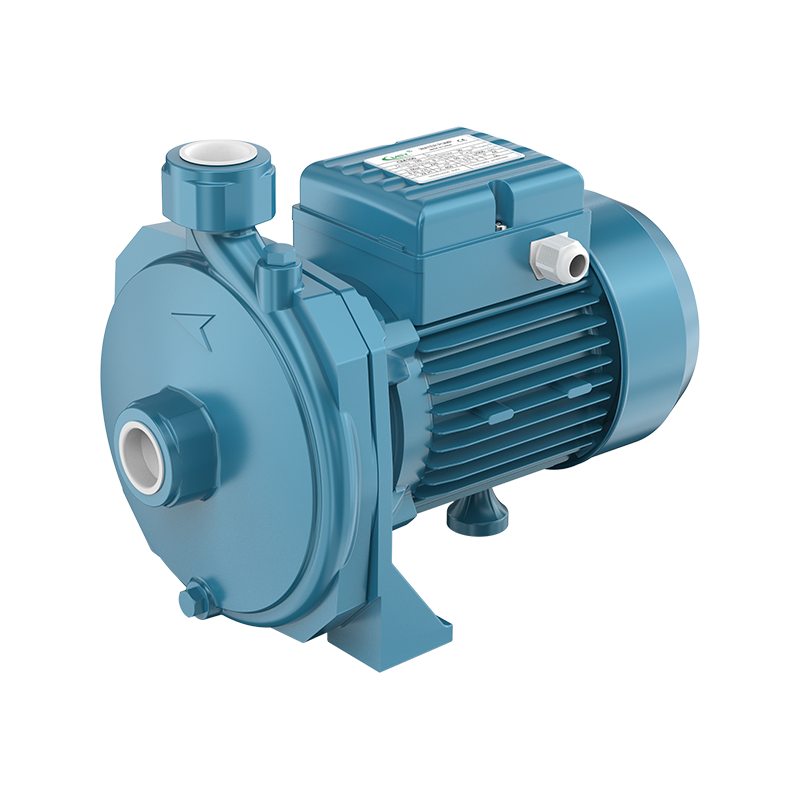
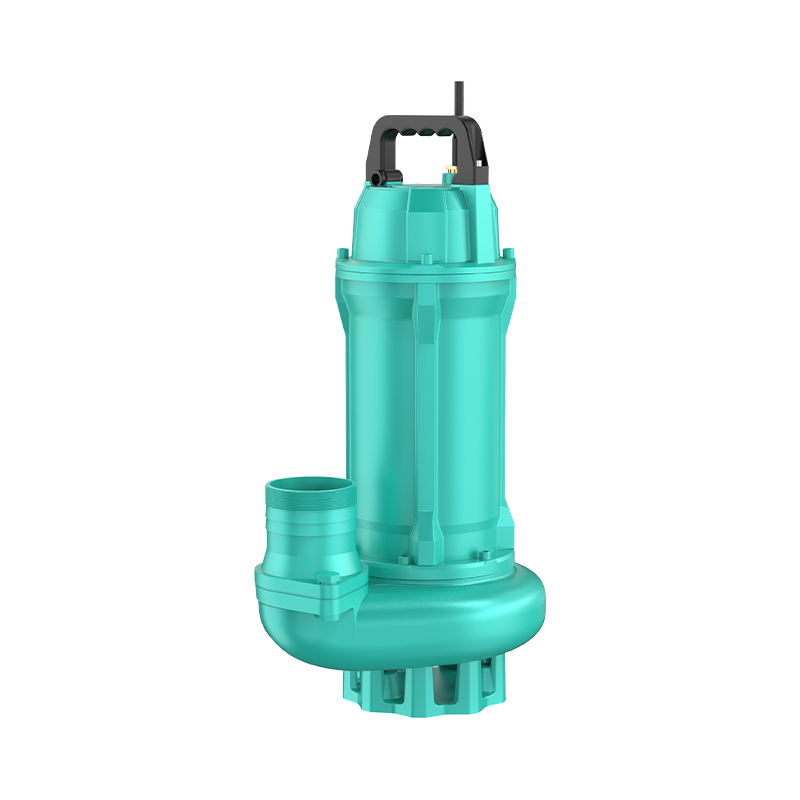
Industrial pumps are engineered to move fluids efficiently across processes. Depending on the application, they may handle clean water, corrosive chemicals, or high-temperature liquids. The most common types include centrifugal pumps, positive displacement pumps, and submersible pumps.
Each type has unique operational characteristics, but they all share common vulnerabilities when exposed to improper usage, poor maintenance, or unfavorable operating conditions.
Cavitation is one of the most frequent and damaging issues in industrial pumps. It occurs when vapor bubbles form in the fluid due to low pressure and then collapse violently, causing damage to internal components.
Causes:
Effects:
Solutions:
Overheating can severely affect pump performance and lead to premature failure. It often results from excessive friction or inadequate cooling.
Causes:
Solutions:
Leakage is a common issue that not only wastes resources but also creates safety hazards, especially when handling hazardous fluids.
Causes:
Solutions:
Excessive vibration and noise are indicators of underlying mechanical or hydraulic problems.
Causes:
Solutions:
A drop in flow rate can significantly impact system performance and efficiency.
Causes:
Solutions:
| Problem | Main Causes | Key Effects | Recommended Fixes |
|---|---|---|---|
| Cavitation | Low pressure, high temperature | Noise, damage | Improve suction conditions |
| Overheating | Dry running, friction | Component failure | Ensure lubrication and cooling |
| Leakage | Worn seals, corrosion | Fluid loss | Replace seals, inspect regularly |
| Vibration & Noise | Misalignment, imbalance | Structural stress | Align and balance components |
| Reduced Flow Rate | Blockage, wear | Low efficiency | Clean and maintain internal parts |
Preventive maintenance is essential for extending the life of industrial pumps and ensuring consistent performance. Rather than reacting to failures, proactive strategies help identify issues before they escalate.
Regular inspection of components such as seals, bearings, and impellers can prevent unexpected breakdowns. Visual checks and performance monitoring should be part of a scheduled maintenance plan.
Proper lubrication reduces friction and wear. Using the correct type and quantity of lubricant is critical for maintaining optimal pump operation.
Tracking parameters such as pressure, flow rate, and temperature allows operators to detect anomalies early. Sudden changes often indicate developing problems.
Accumulated debris can obstruct flow and damage internal components. Periodic cleaning ensures smooth operation and prevents clogging.
Ensuring the long-term reliability of industrial pumps requires a combination of proper installation, correct operation, and consistent maintenance.
Correct alignment, secure mounting, and appropriate piping design are fundamental to preventing early-stage issues.
Well-trained personnel can identify early warning signs and respond appropriately, reducing the risk of major failures.
High-quality materials and components improve durability and reduce the frequency of repairs.
Maintaining detailed records of maintenance activities and performance metrics helps in identifying patterns and improving maintenance strategies.
Industrial water pumps are indispensable components in modern industrial systems, but they are not immune to operational challenges. Issues such as cavitation, overheating, leakage, vibration, and reduced flow rate can significantly impact performance if not addressed promptly.
By understanding these common problems and implementing effective solutions, operators can enhance the efficiency, reliability, and lifespan of industrial pumps. Preventive maintenance, proper system design, and continuous monitoring are key to minimizing downtime and ensuring optimal performance.
1. What is the most common problem in industrial pumps?
Cavitation is one of the most common issues, often caused by improper suction conditions and leading to internal damage.
2. How often should industrial pumps be maintained?
Routine inspections should be conducted regularly, with detailed maintenance scheduled based on operating conditions and usage intensity.
3. What causes pump vibration?
Pump vibration is usually caused by misalignment, imbalance, or loose components, and should be addressed immediately to prevent further damage.
4. How can pump efficiency be improved?
Efficiency can be improved through proper maintenance, correct installation, and monitoring of operating parameters.
5. Why is leakage a serious issue in industrial pumps?
Leakage can lead to resource loss, environmental risks, and safety hazards, especially when handling hazardous fluids.
Hot News
 Oil Immersed Submersible Electric Pump: Working Principles, Applications, and Future Trends
Sep 04, 2025
 Global Pipeline Centrifugal Pump Industry Update: High-Efficiency Double Suction and Magnetic Drive Technologies Leading the Industrial Water Treatment Revolution
Sep 04, 2025
 Complete Guide to Household Water Pumps: From Selection, Installation to Maintenance, Your Home's 'Water Butler'
Sep 04, 2025
 Can the intelligent automatic self-priming vortex water pump lead a new era in water management?
Sep 04, 2025
Get In Touch

Address 1:
No. 4 Taoyuan Road, Taozhou Town, Guangde City, Xuancheng City, Anhui Province, China
Address 2:
Daxi Town, Wenling City, Taizhou City, Zhejiang Province, China Pump Industry Intelligent Manufacturing Town