

 English
 русский
 Español
 Português
 عربى
عربى
 Türk
Türk








+86 18395326713
Apr 10, 2026
Selecting the right industrial centrifugal pump for your operations is critical to ensuring efficiency, reliability, and safety. With so many options available, it’s essential to understand the key features and factors that influence pump performance.
Industrial centrifugal pumps are a popular choice for moving liquids, slurries, and gases across various industries. These pumps work on the principle of centrifugal force, which pushes the fluid outward from the center of rotation through the pump’s impeller. The fluid is then directed into a discharge pipe or conduit.
When choosing the right centrifugal pump for your industry, there are several essential features to take into account:
Centrifugal pumps come in various types, each suited for specific applications. Understanding the distinctions between these types will help you make a more informed decision.
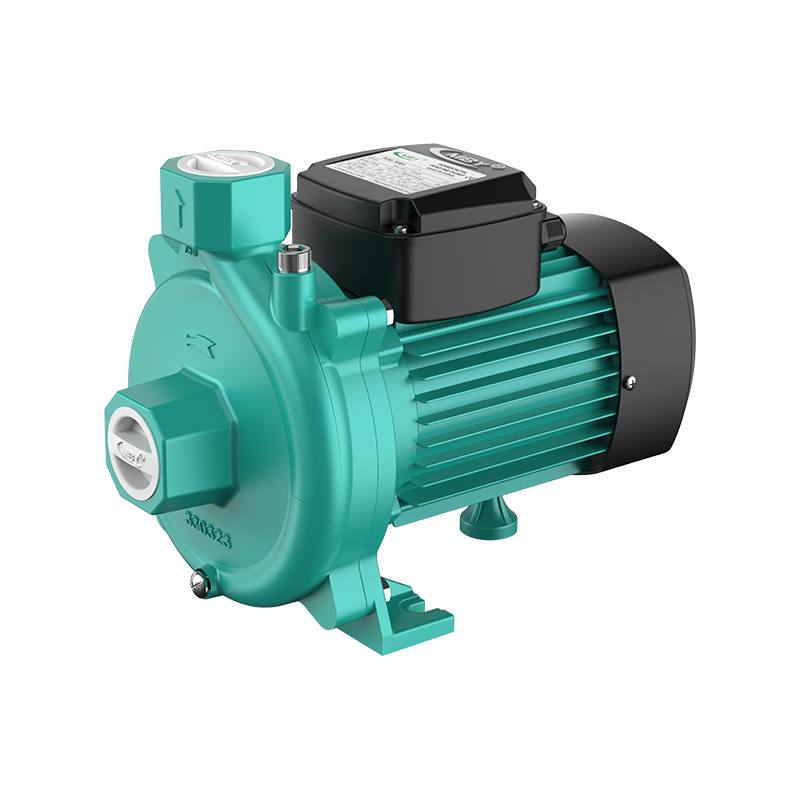
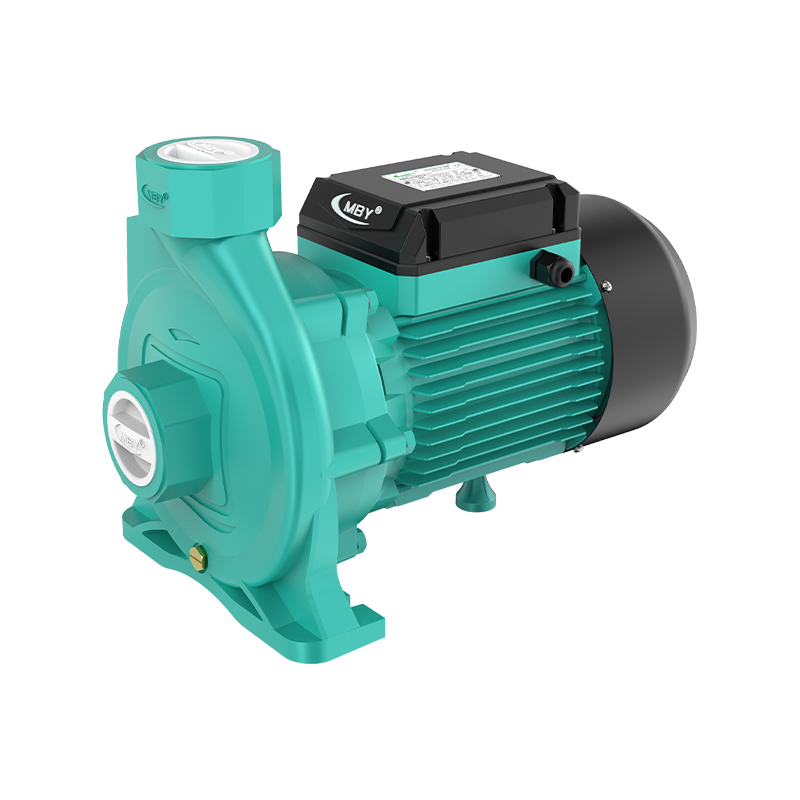
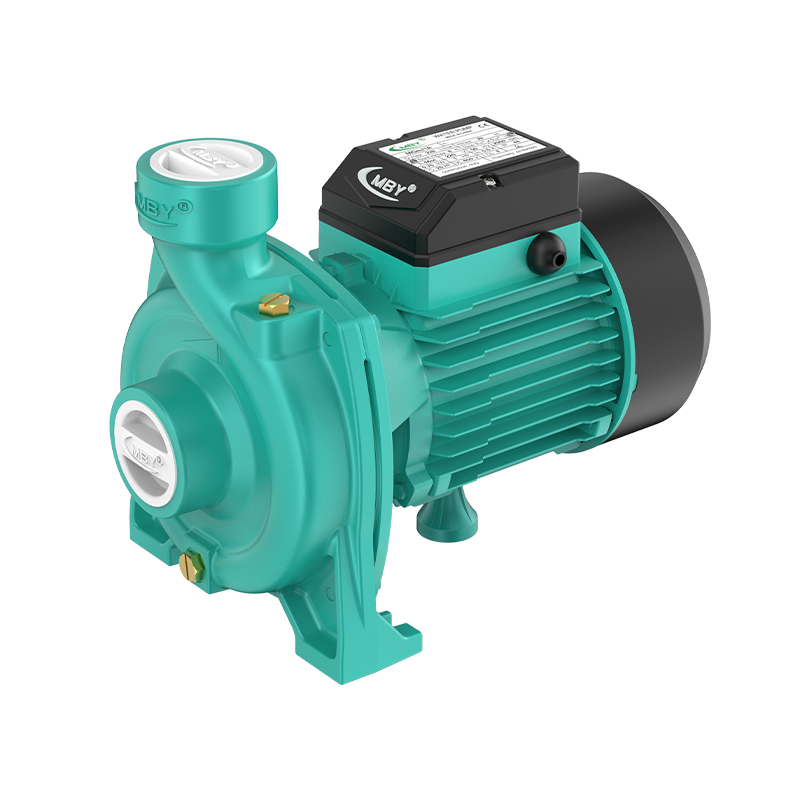
These pumps consist of one impeller and are commonly used in low-head, high-flow applications. They are ideal for moving clean, non-viscous liquids.
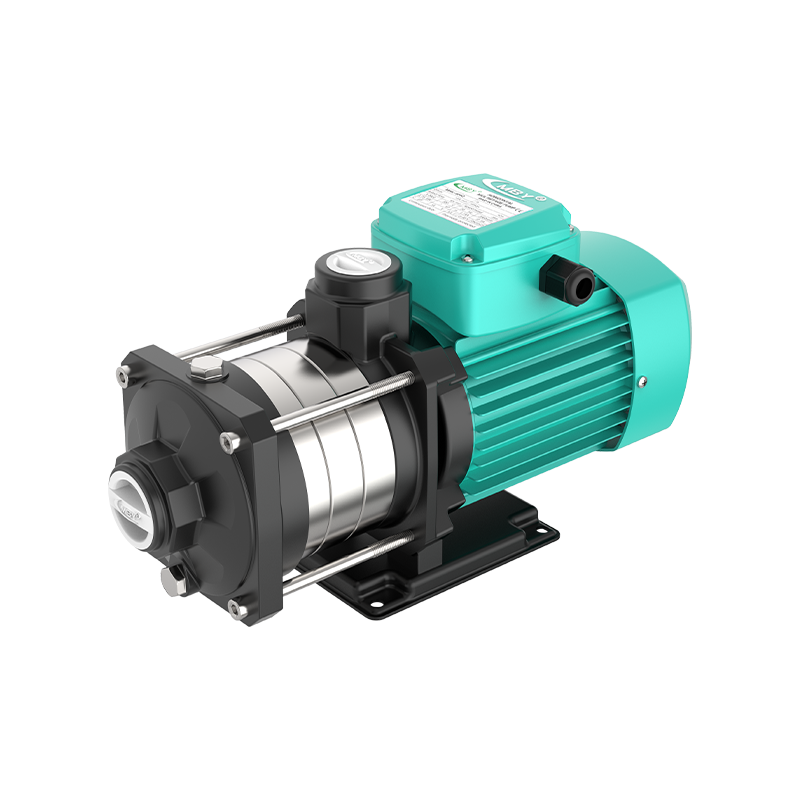
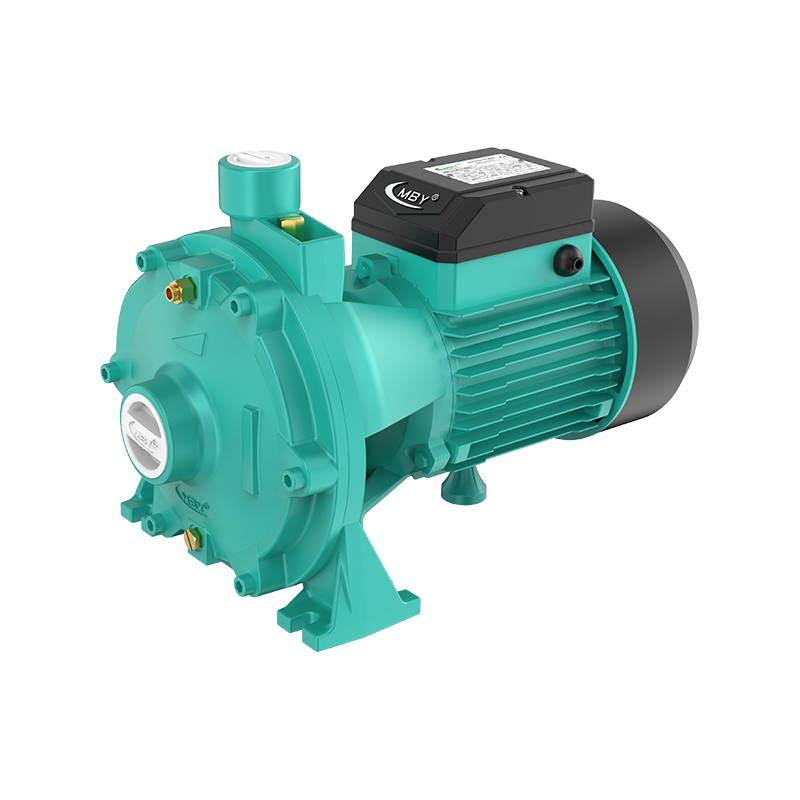
Multi-stage pumps feature multiple impellers and are designed to handle higher pressure and head requirements. These pumps are often used in applications where fluid needs to be transported over long distances or at higher pressures.
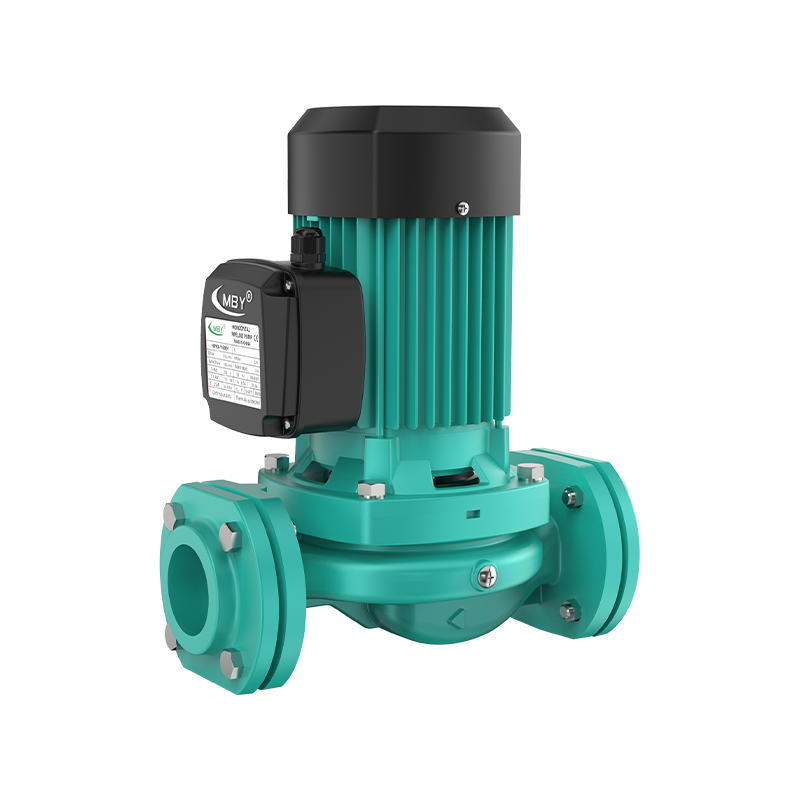
Vertical pumps are typically used in deep wells or installations where space is limited. They are known for their ability to handle high suction and pressure conditions.
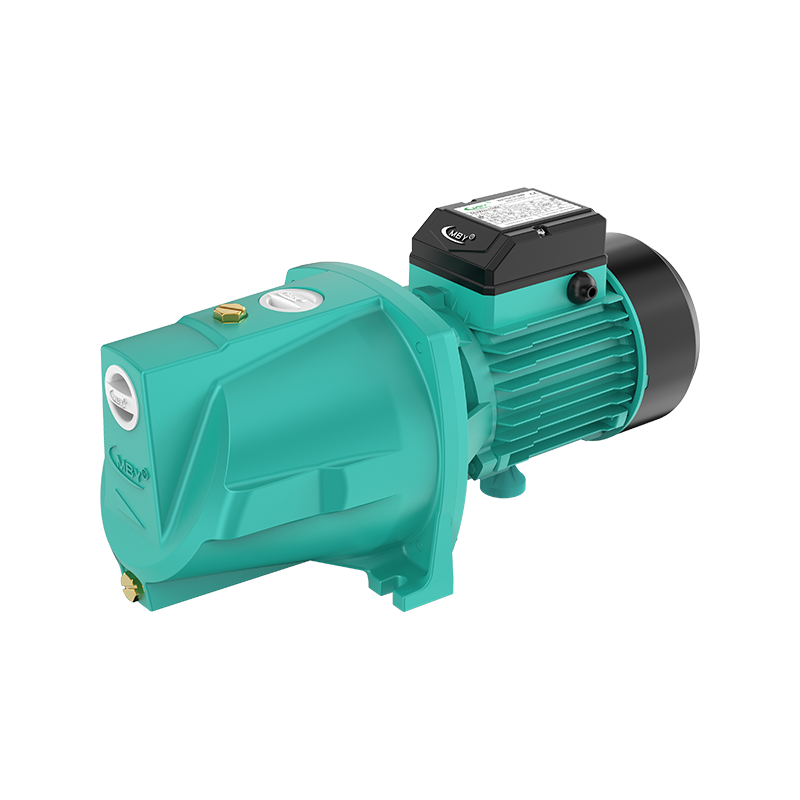
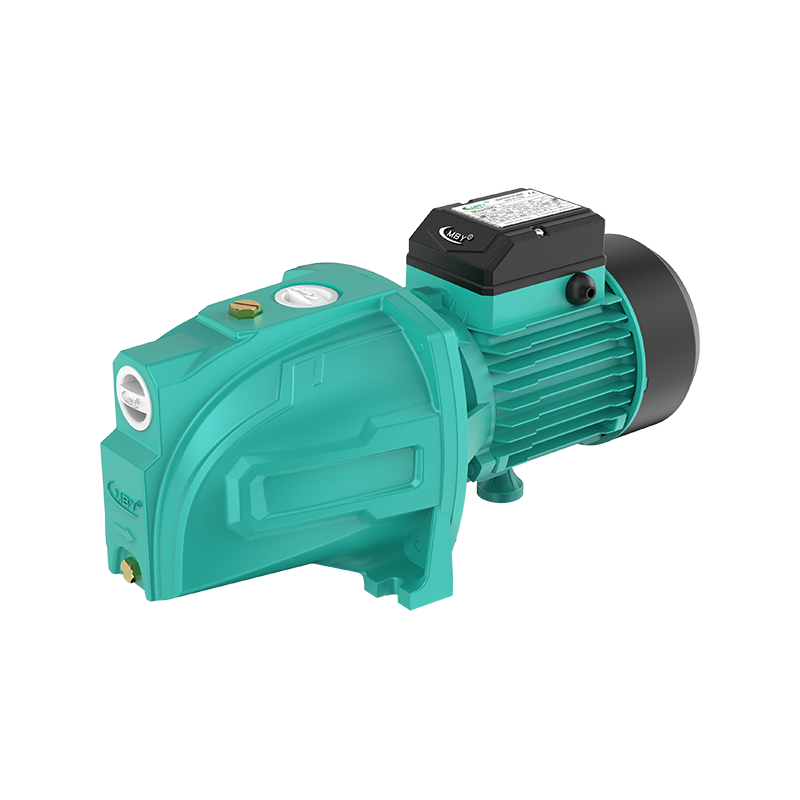
These pumps can prime themselves, making them ideal for applications where the pump must be installed above the fluid level or in environments where suction conditions can change.
The materials of construction for centrifugal pumps are critical, especially in industries that deal with aggressive, abrasive, or high-temperature fluids. Common materials include:
A pump curve is a graphical representation that shows the relationship between flow rate, head, and power consumption for a specific pump. Understanding this curve is essential to ensure the pump operates within its best efficiency point (BEP), which minimizes energy consumption and maximizes performance.
Different industries require different specifications from their pumps. Here are a few examples of how centrifugal pumps are used across various industries:
| Industry | Application | Pump Type |
|---|---|---|
| Water Treatment | Moving clean water or wastewater | Single-stage or multi-stage pumps |
| Chemical Processing | Handling corrosive chemicals | Stainless steel centrifugal pumps |
| Food and Beverage | Transferring liquids and syrups | Hygienic, corrosion-resistant pumps |
| Oil and Gas | Transferring crude oil or gas | High-pressure, durable pumps |
| Mining and Construction | Slurry pumping | Heavy-duty, self-priming pumps |
Pump efficiency is one of the most important factors in choosing a centrifugal pump. A highly efficient pump reduces operational costs over time. It’s essential to balance upfront cost with long-term energy savings. Often, industrial centrifugal pumps manufacturers provide performance data that can help you evaluate energy usage versus initial investment.
A key consideration in pump selection is maintenance. Regular inspection and servicing can significantly extend the life of the pump. Look for pumps that are easy to maintain and have readily available parts for repairs. Additionally, consider the warranty and customer support offered by manufacturers.
When selecting an industrial centrifugal pump, some common mistakes to avoid include:
Choosing the right industrial centrifugal pump for your operations involves understanding your system’s requirements, evaluating various pump types, and considering materials, efficiency, and maintenance needs. Whether you’re looking for a pump to handle clean water, chemical slurries, or high-pressure systems, there is a centrifugal pump designed to meet the demands of your industry.
1. What is the difference between single-stage and multi-stage centrifugal pumps?
Single-stage pumps are ideal for low-head applications, while multi-stage pumps handle higher pressures and can transport fluids over greater distances.
2. How can I increase the efficiency of my centrifugal pump?
Regular maintenance, ensuring the pump operates at its best efficiency point (BEP), and selecting the correct pump for your application can significantly improve efficiency.
3. What materials are best for centrifugal pumps used in the chemical industry?
Stainless steel or other corrosion-resistant materials are ideal for chemical processing applications due to their durability in aggressive environments.
4. How do I determine the correct pump size for my system?
Accurate calculation of flow rate, head, and system requirements, based on your application, will help determine the correct pump size.
Hot News
 Oil Immersed Submersible Electric Pump: Working Principles, Applications, and Future Trends
Sep 04, 2025
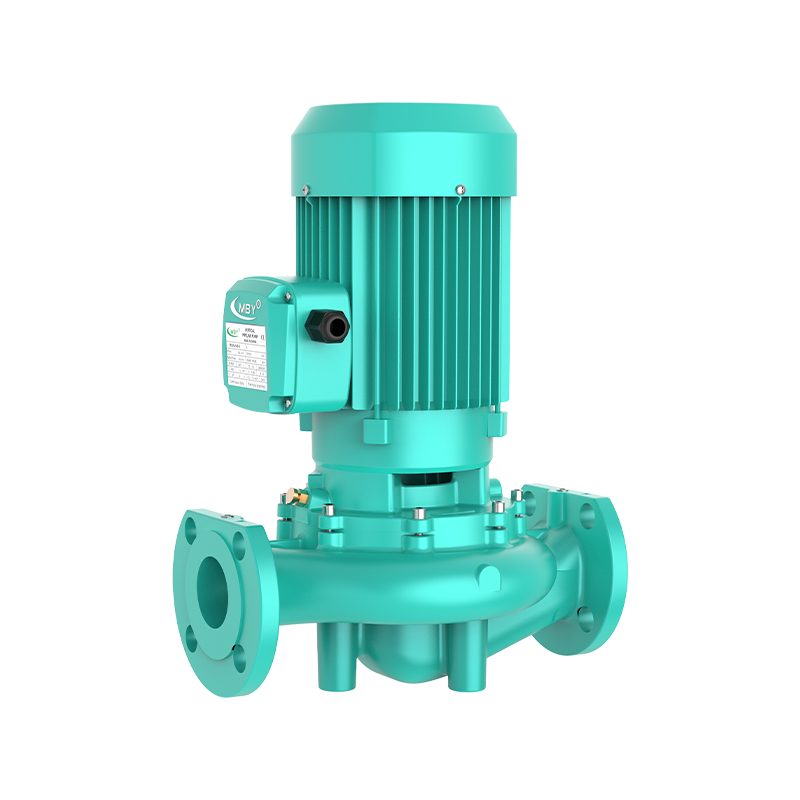 Global Pipeline Centrifugal Pump Industry Update: High-Efficiency Double Suction and Magnetic Drive Technologies Leading the Industrial Water Treatment Revolution
Sep 04, 2025
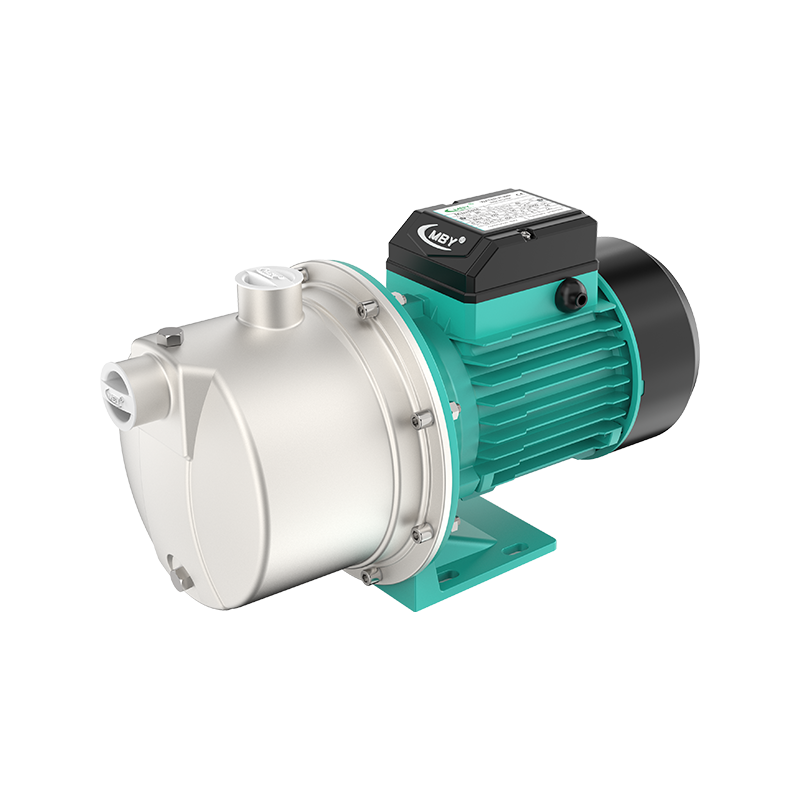 Complete Guide to Household Water Pumps: From Selection, Installation to Maintenance, Your Home's 'Water Butler'
Sep 04, 2025
 Can the intelligent automatic self-priming vortex water pump lead a new era in water management?
Sep 04, 2025
Get In Touch

Address 1:
No. 4 Taoyuan Road, Taozhou Town, Guangde City, Xuancheng City, Anhui Province, China
Address 2:
Daxi Town, Wenling City, Taizhou City, Zhejiang Province, China Pump Industry Intelligent Manufacturing Town