
 English
 русский
 Español
 Português
 عربى
عربى
 Türk
Türk








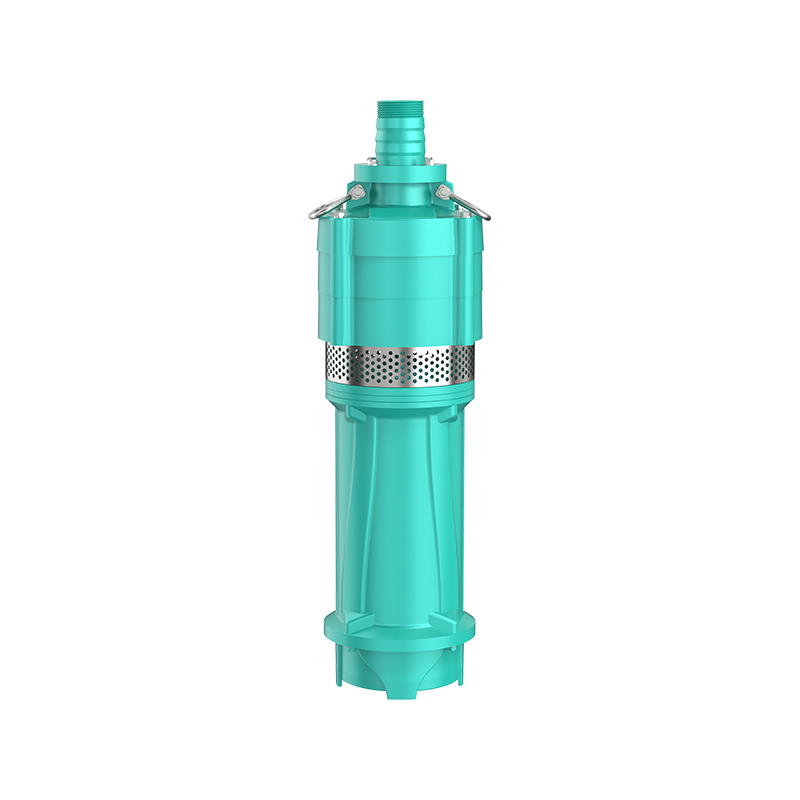
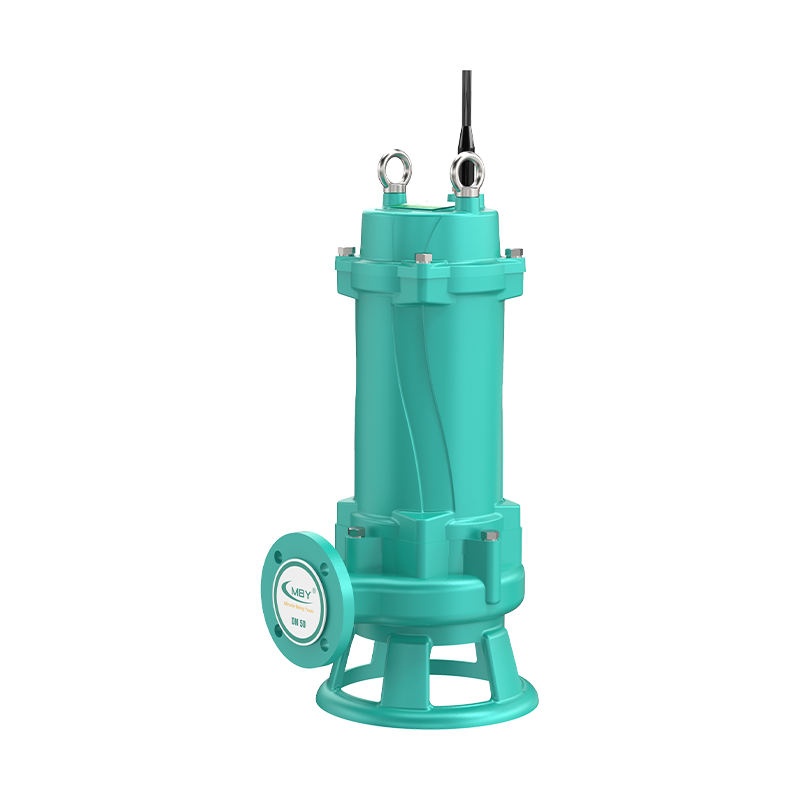
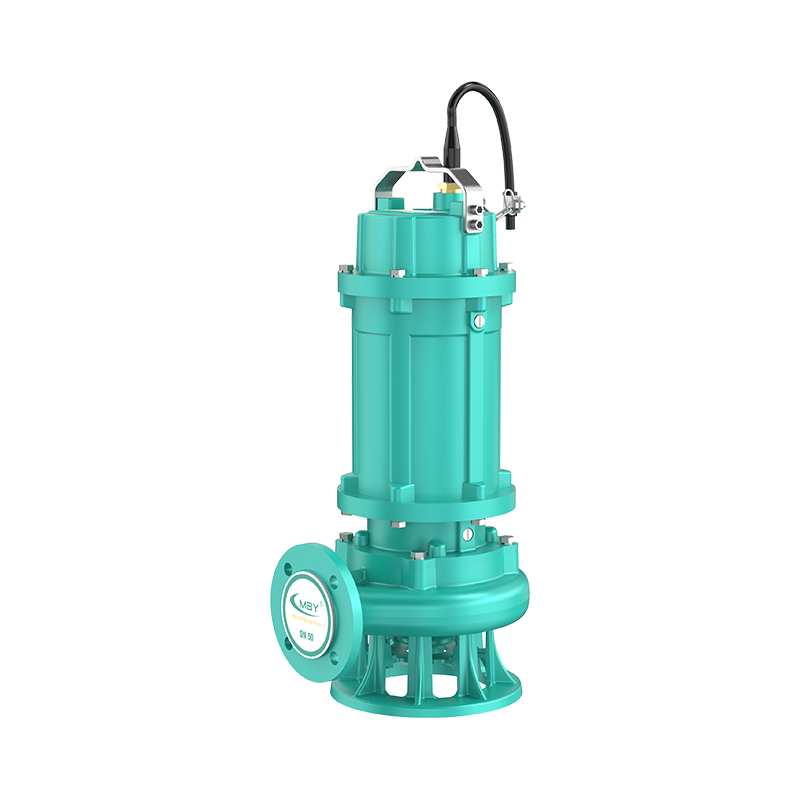
+86 18395326713
Mar 26, 2026
In the realm of residential water pumping systems, one type of pump stands out due to its versatility and efficiency: the submersible pump. Unlike other pumps that require external mechanical components and exposure to air, submersible pumps are designed to work completely submerged in water, offering numerous advantages for homeowners in various settings. From domestic water extraction to agricultural irrigation and urban drainage, submersible pumps are the go-to solution for many applications. But how do these pumps compare to other types commonly used in residential settings?
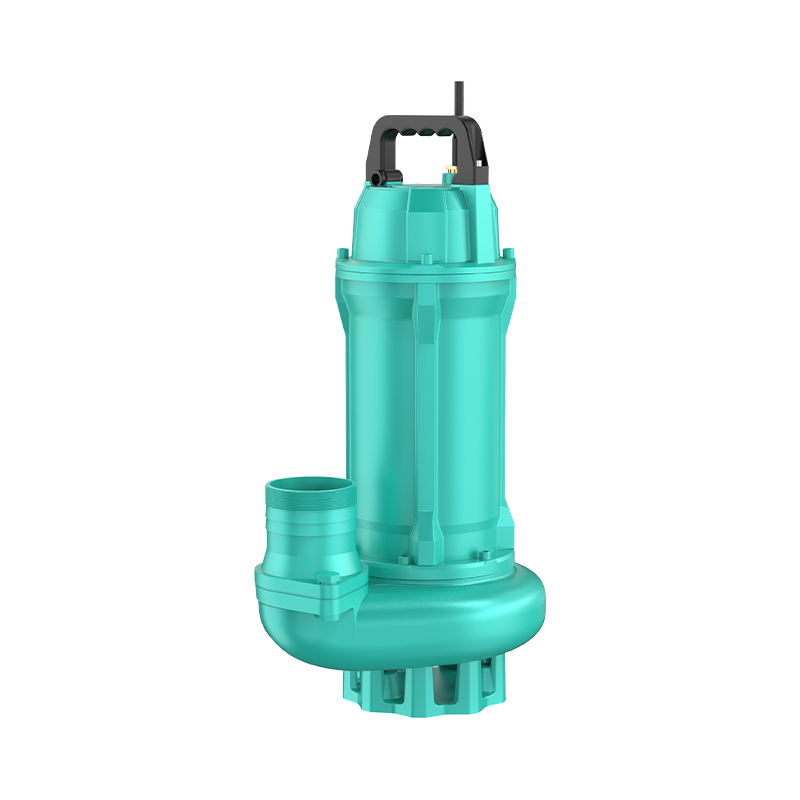
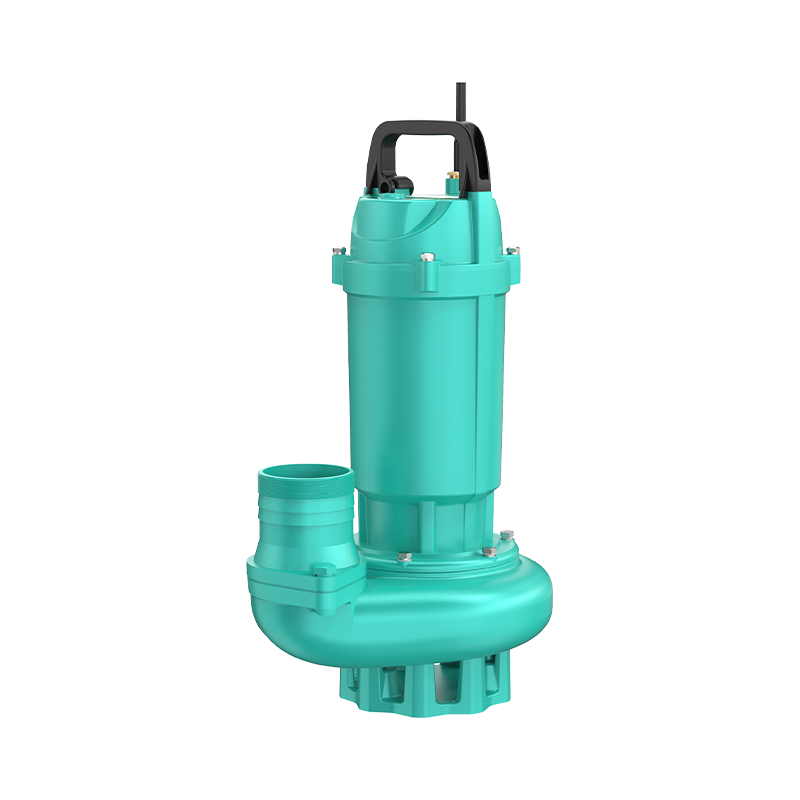
A submersible pump is designed to be completely submerged in water, with its motor and pump housed in a single, integrated unit. This design minimizes the need for external drive shafts, which helps the pump run more smoothly and efficiently. Commonly used for deep-well applications, these pumps are also ideal for draining water from areas prone to flooding or where water needs to be extracted from a deep reservoir.
When considering different types of pumps for residential use, it’s essential to evaluate factors like efficiency, installation, space requirements, and maintenance. Let’s compare submersible pumps with centrifugal and jet pumps, which are also commonly used in residential settings.
| Feature | Submersible Pump | Centrifugal Pump | Jet Pump |
|---|---|---|---|
| Design | Integrated motor and pump in a single unit. | Separate motor and pump, requires external components. | Motor and pump are usually separated, air suction involved. |
| Efficiency | High efficiency due to direct water movement. | Moderate efficiency, depends on the height of water lift. | Less efficient than centrifugal pumps, especially for deep water lifting. |
| Installation | Submerged, no external components. | Requires external motor, pump body. | Needs priming and is external to the water source. |
| Maintenance | Requires less maintenance due to fewer parts exposed to wear. | More parts exposed, potentially more maintenance. | Often requires frequent maintenance due to priming needs. |
| Ideal Use | Deep wells, hot spring baths, urban drainage, and more. | Surface water, general water circulation. | Shallow well water extraction, residential pools. |
Submersible pumps come in various designs tailored to different applications, such as clean water pumps, sewage pumps, and seawater pumps. Each variation is designed with specific materials and construction techniques to handle its intended liquid medium effectively. Here’s a look at their performance characteristics:
Clean Water Submersible Pumps:
These are ideal for extracting water from wells, rivers, or reservoirs. They have high sealing to prevent any leakage into the motor, ensuring durability and long-term performance.
Sewage Submersible Pumps:
Designed to handle wastewater, these pumps can move water containing solids without clogging. They feature robust construction to endure corrosive elements.
Seawater Submersible Pumps:
Constructed with corrosion-resistant materials, these pumps are perfect for coastal applications or marine environments where seawater needs to be pumped.
One of the key advantages of submersible pumps is their efficiency. Due to their design, which minimizes the need for external mechanical components, submersible pumps tend to consume less energy compared to traditional pumps. They can operate at a high flow rate while maintaining a relatively low power consumption, making them a sustainable choice for residential water management.
Compact and Space-Saving Design:
Because they don’t require external mechanical components, submersible pumps occupy less space, making them suitable for small areas such as basements or tight utility spaces.
Reduced Noise Levels:
Operating fully submerged in water, submersible pumps are quieter than many other pumps, which is beneficial in residential settings where noise can be a concern.
Minimal Maintenance Needs:
The design of submersible pumps means fewer parts are exposed to wear and tear. As a result, these pumps require less frequent maintenance, saving homeowners both time and money.
Energy Efficient:
Submersible pumps tend to use less energy, reducing operational costs over time. They also tend to have a longer lifespan compared to other pump types, which further contributes to cost savings.
While submersible pumps offer several benefits, it’s important to consider certain factors before selecting the right model for your home:
Pump Depth and Head:
Different submersible pumps have varying lifting capacities. If you’re pumping from a deep well or underground water source, ensure that the pump has the necessary head (vertical lift capacity).
Water Quality:
For clean water applications, a standard submersible pump will suffice. However, for sewage or heavily contaminated water, specialized pumps with better filtration and durability are necessary.
Power Requirements:
Depending on the pump’s size and power, ensure that your electrical system can support the pump’s energy needs.
Durability and Material:
Ensure the pump is made from materials that can withstand the environment in which it will be used. For instance, seawater pumps need to be constructed from corrosion-resistant materials.
Submersible pumps have proven themselves as reliable and efficient solutions for various water management tasks in residential settings. Whether you’re looking to extract clean water from a well, manage wastewater, or protect your home from flooding, a submersible pump could be the most suitable option. Its compact design, efficiency, and minimal maintenance requirements make it a top contender compared to centrifugal and jet pumps.
While each type of pump has its unique advantages and applications, submersible pumps often provide the best performance for deeper water sources and areas with limited space. By considering the specific needs of your residential water system, you can choose the most effective pump to meet those requirements.
1. What is the main advantage of a submersible pump over other types of pumps?
Submersible pumps are more energy-efficient, quieter, and require less maintenance than many other pumps due to their integrated design and full submersion in water.
2. Can submersible pumps be used for both clean and dirty water?
Yes, there are different types of submersible pumps designed for specific applications, such as clean water pumps, sewage pumps, and seawater pumps.
3. What factors should I consider when choosing a submersible pump for my home?
Consider factors such as the depth of the water source, the type of water (clean or sewage), the pump’s power requirements, and its durability in your specific environment.
4. Are submersible pumps suitable for irrigation systems?
Yes, submersible pumps are ideal for agricultural and residential irrigation systems, especially in areas with deep wells or limited access to surface water.
5. How long can a submersible pump last?
With proper maintenance, a submersible pump can last for many years. Its lifespan is often longer than that of other pumps, due to its reduced exposure to wear and tear.
Hot News
 Oil Immersed Submersible Electric Pump: Working Principles, Applications, and Future Trends
Sep 04, 2025
 Global Pipeline Centrifugal Pump Industry Update: High-Efficiency Double Suction and Magnetic Drive Technologies Leading the Industrial Water Treatment Revolution
Sep 04, 2025
 Complete Guide to Household Water Pumps: From Selection, Installation to Maintenance, Your Home's 'Water Butler'
Sep 04, 2025
 Can the intelligent automatic self-priming vortex water pump lead a new era in water management?
Sep 04, 2025
Get In Touch

Address 1:
No. 4 Taoyuan Road, Taozhou Town, Guangde City, Xuancheng City, Anhui Province, China
Address 2:
Daxi Town, Wenling City, Taizhou City, Zhejiang Province, China Pump Industry Intelligent Manufacturing Town