
 English
 русский
 Español
 Português
 عربى
عربى
 Türk
Türk








+86 18395326713
Feb 19, 2026
Household water pumps play a critical role in ensuring the availability of clean water for various domestic uses, such as drinking, cooking, cleaning, and irrigation. These pumps come in various types, each designed for specific applications. Understanding the different types of household water pumps and how they operate can help homeowners make informed decisions based on their needs.
Water pumps are an essential part of modern households, especially in areas where direct access to municipal water supplies is limited or unreliable. They can be used to draw water from wells, rainwater harvesting systems, or storage tanks. Household water pumps ensure that clean water is available for domestic use, offering convenience and efficiency.
Water pumps for household use can be broadly classified into several types, each suited for different applications. Below are some of the most common types of household water pumps:
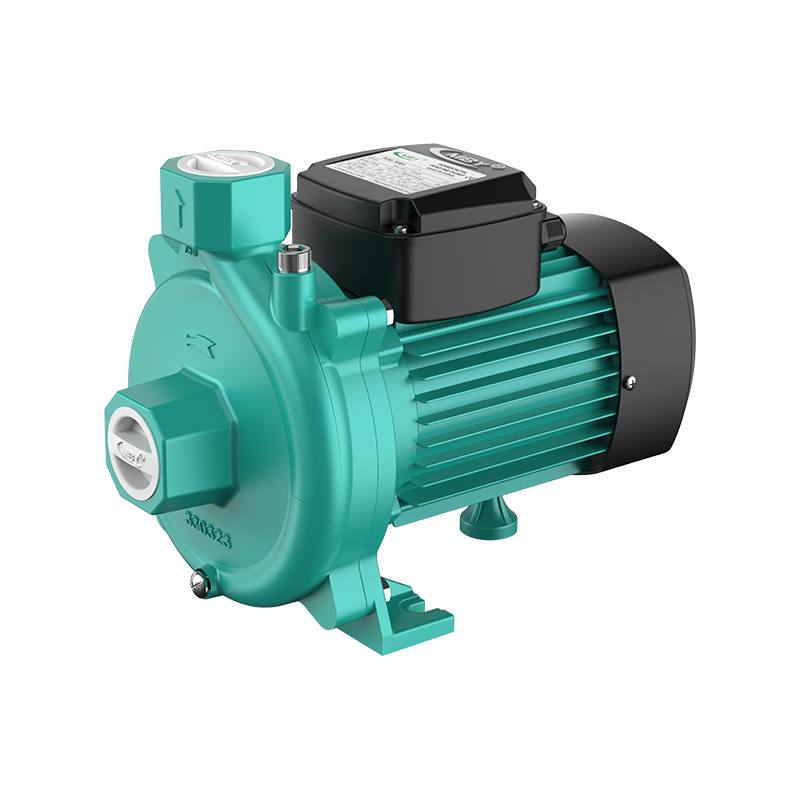
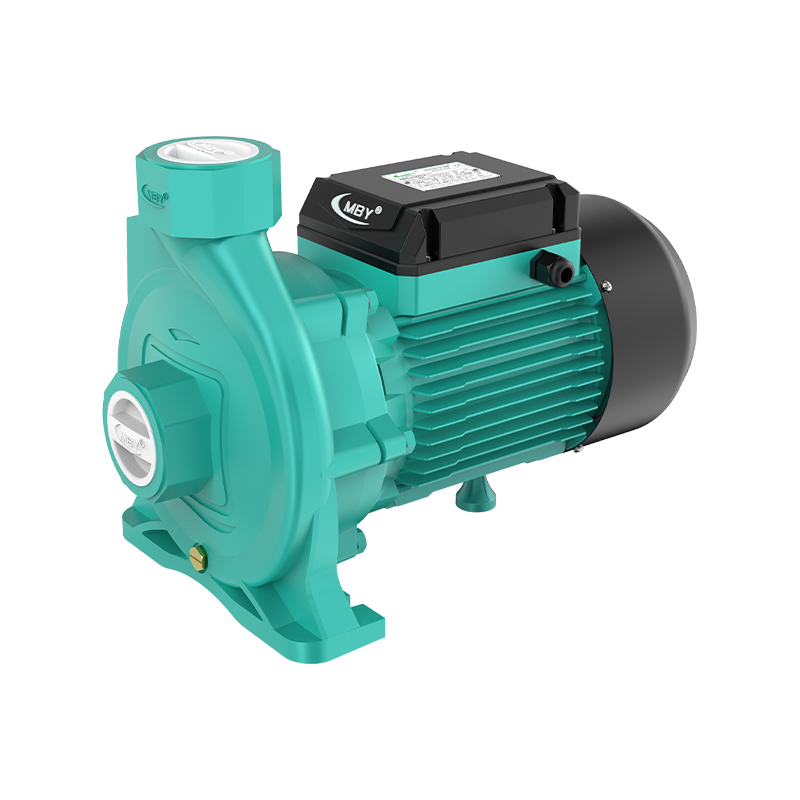
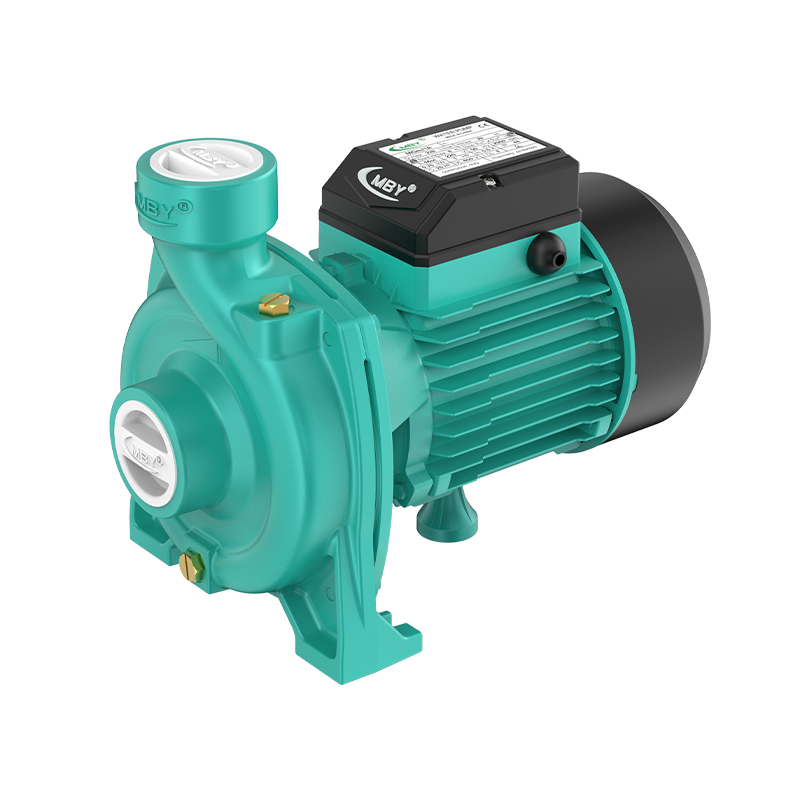
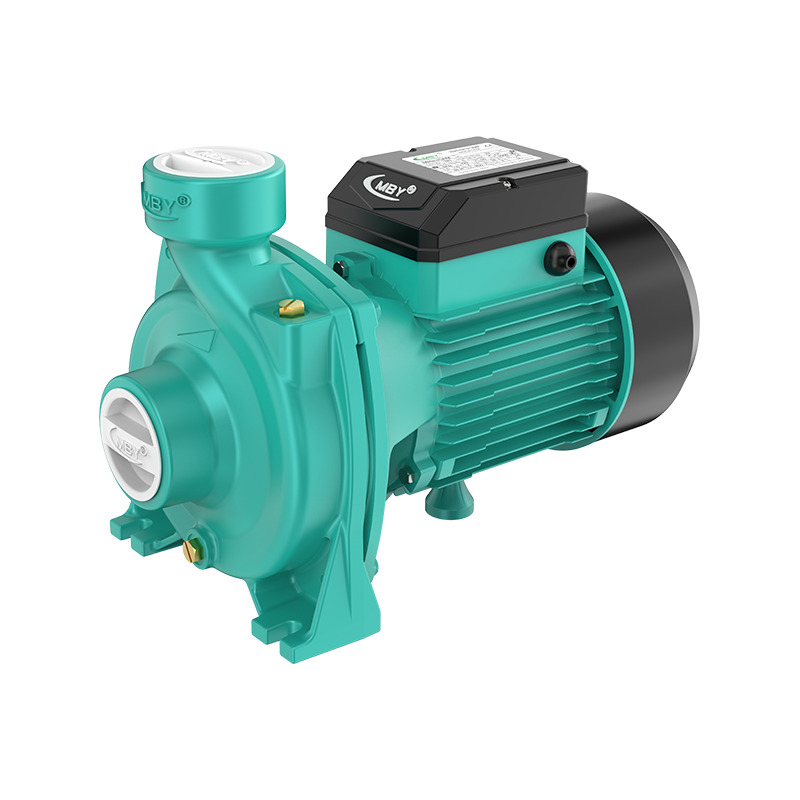
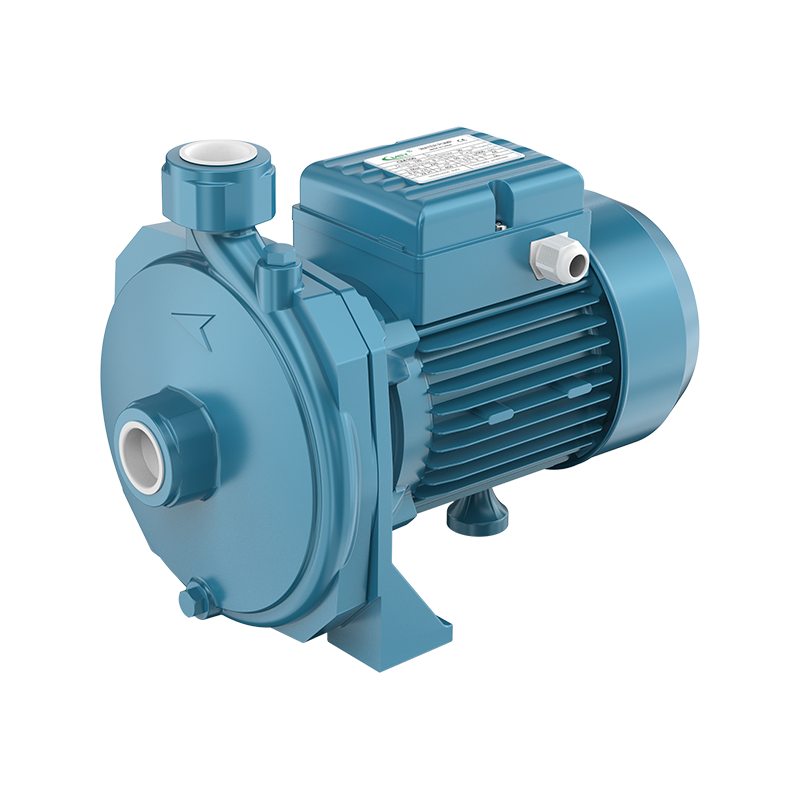
Centrifugal water pumps are one of the most commonly used pumps in household applications. They work by using rotational energy to move water. The pump uses a rotating impeller to push water from a low-pressure area to a high-pressure area, which then forces the water out of the pump.
Applications:
Advantages:
Disadvantages:
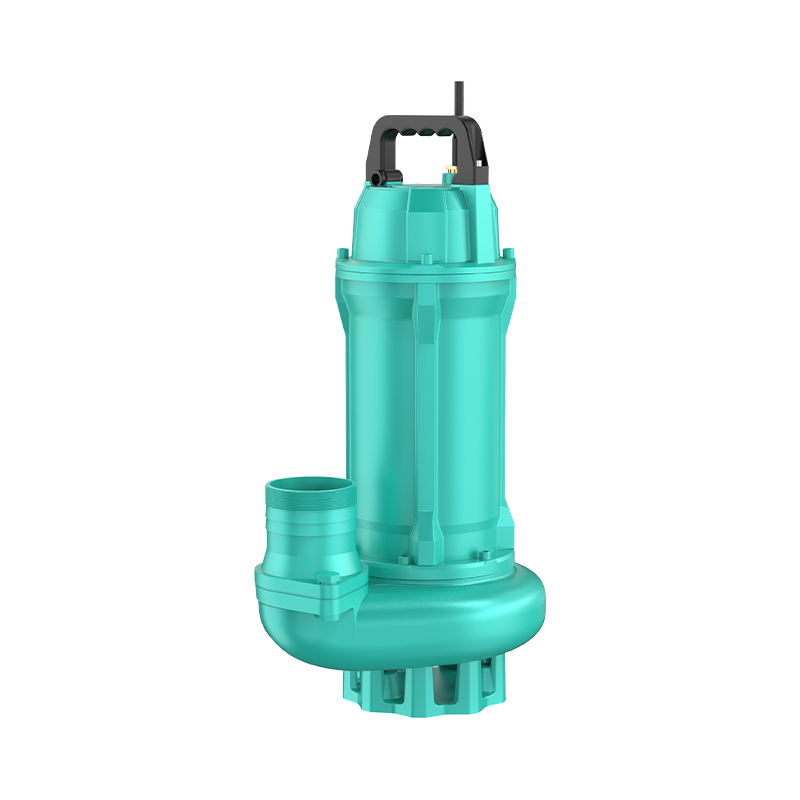
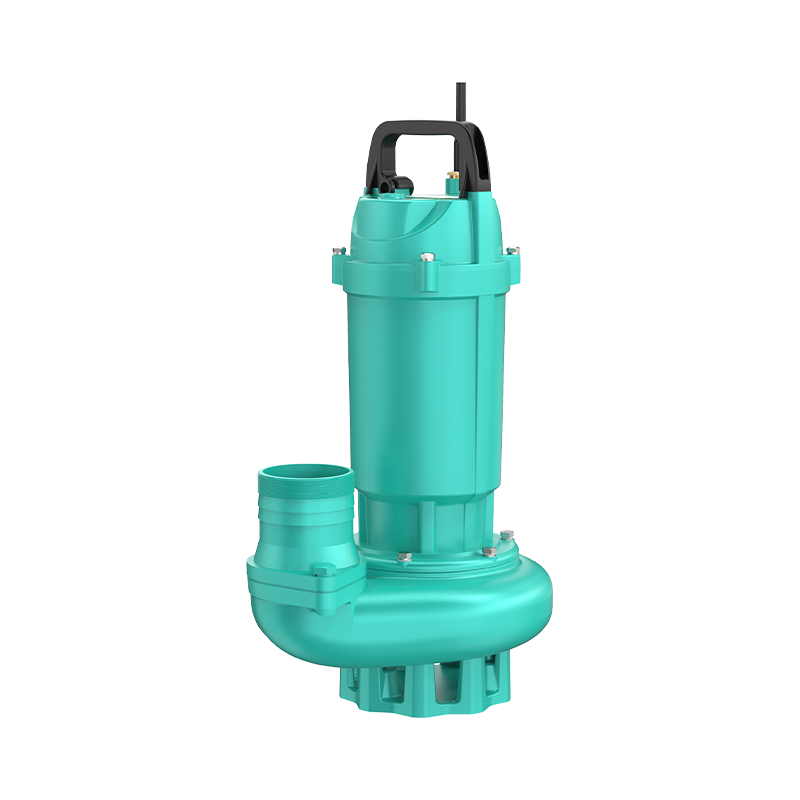
Submersible pumps are designed to operate underwater. As the name suggests, these pumps are completely submerged in the water source, such as a well or a tank. They are highly effective at lifting water from deep sources due to their design and ability to operate while submerged.
Applications:
Advantages:
Disadvantages:
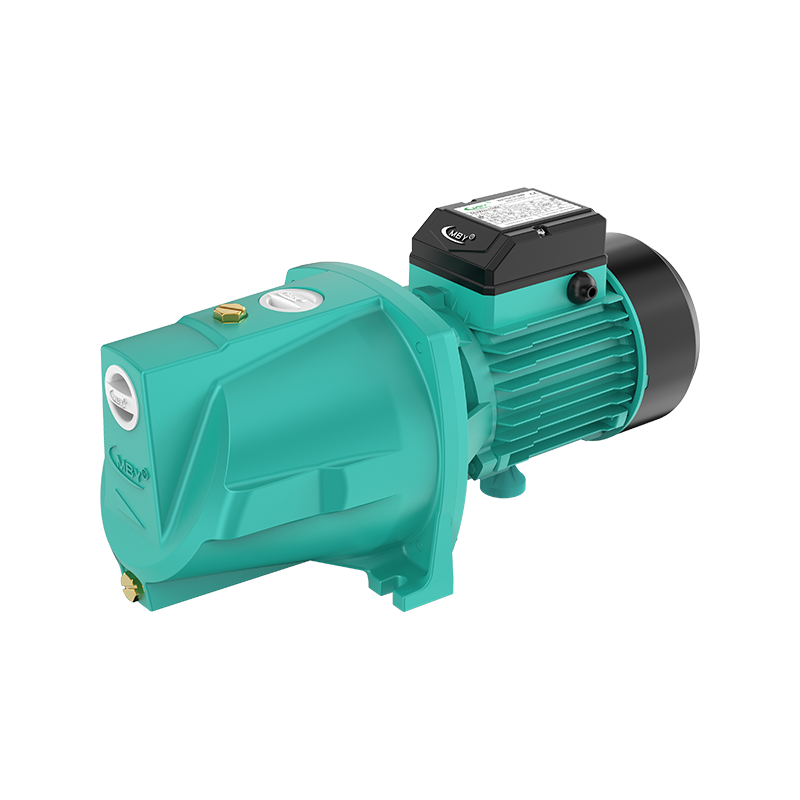
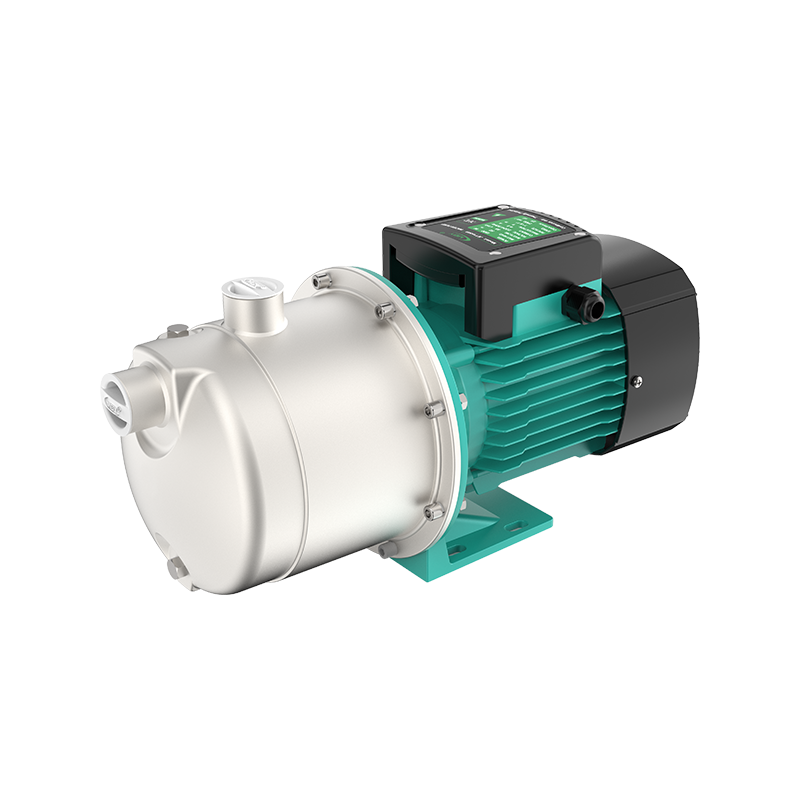
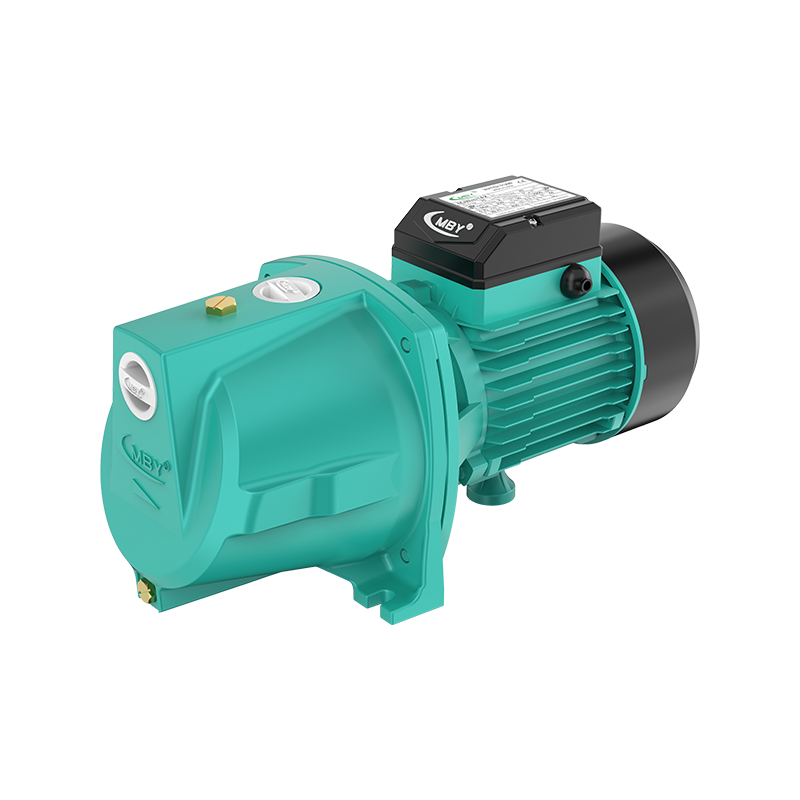
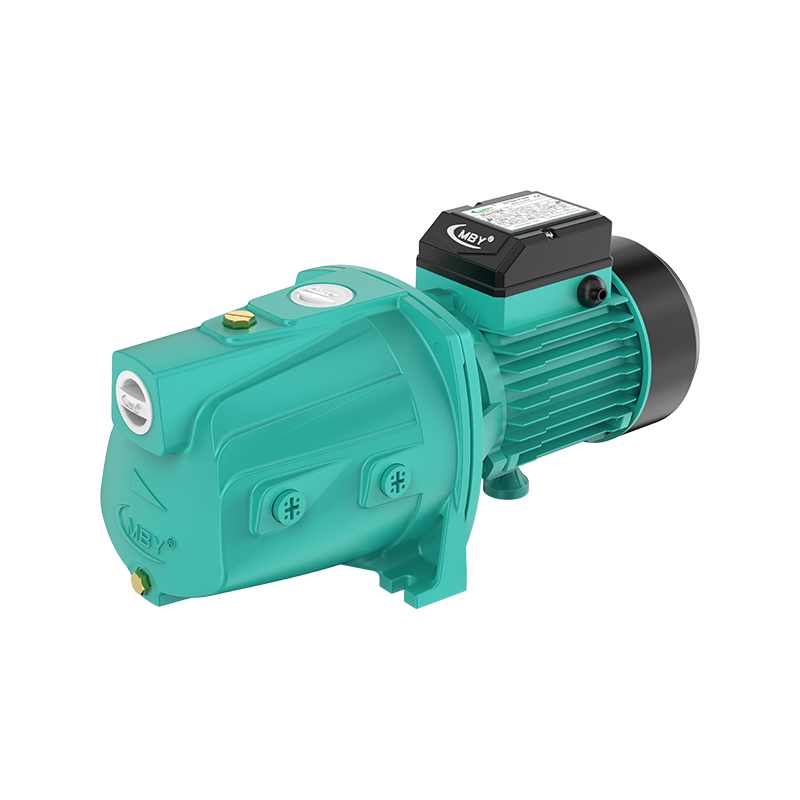
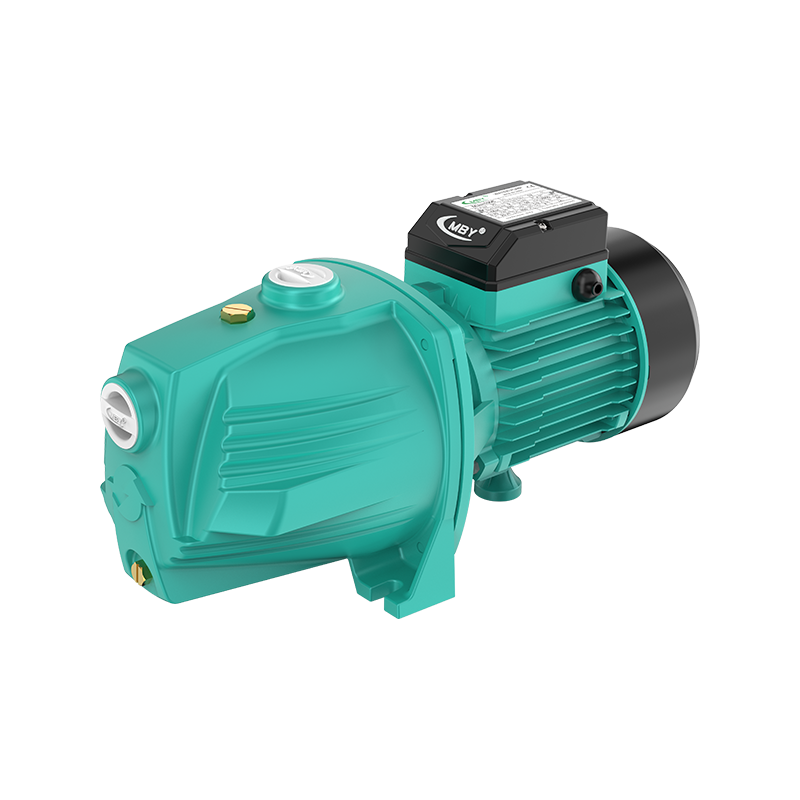
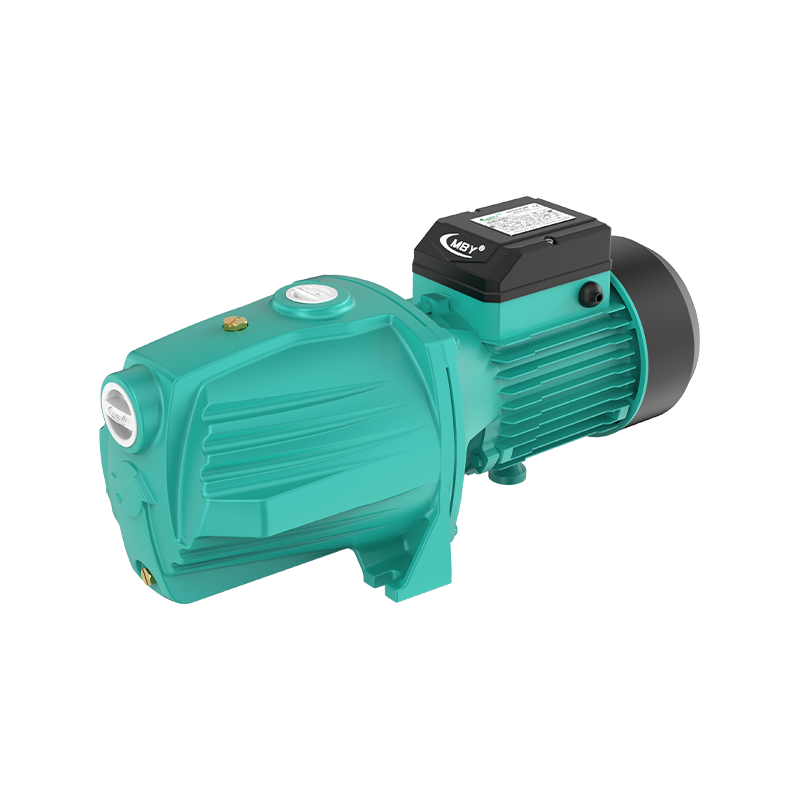
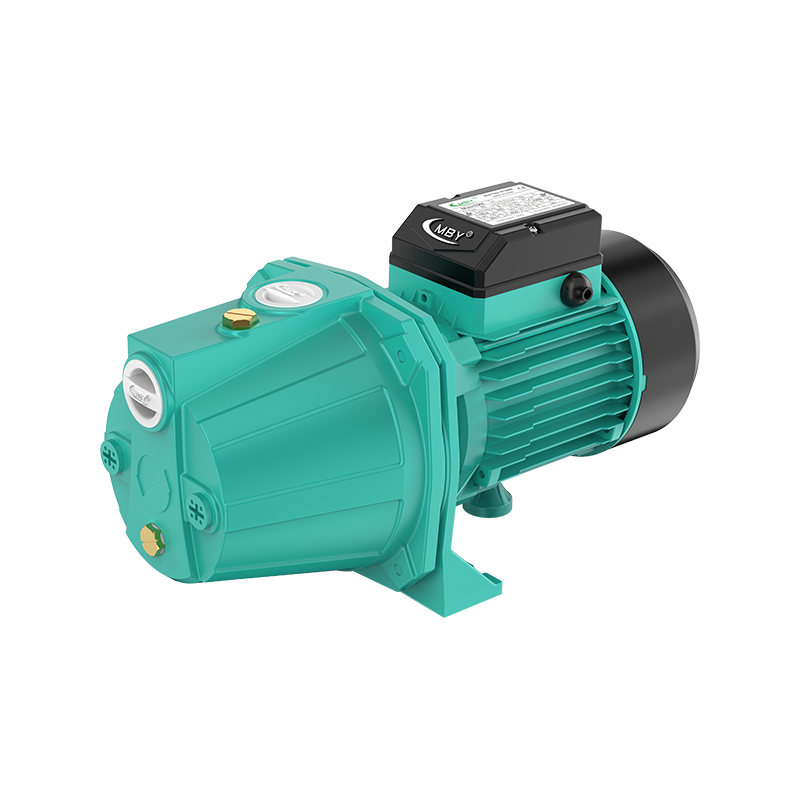
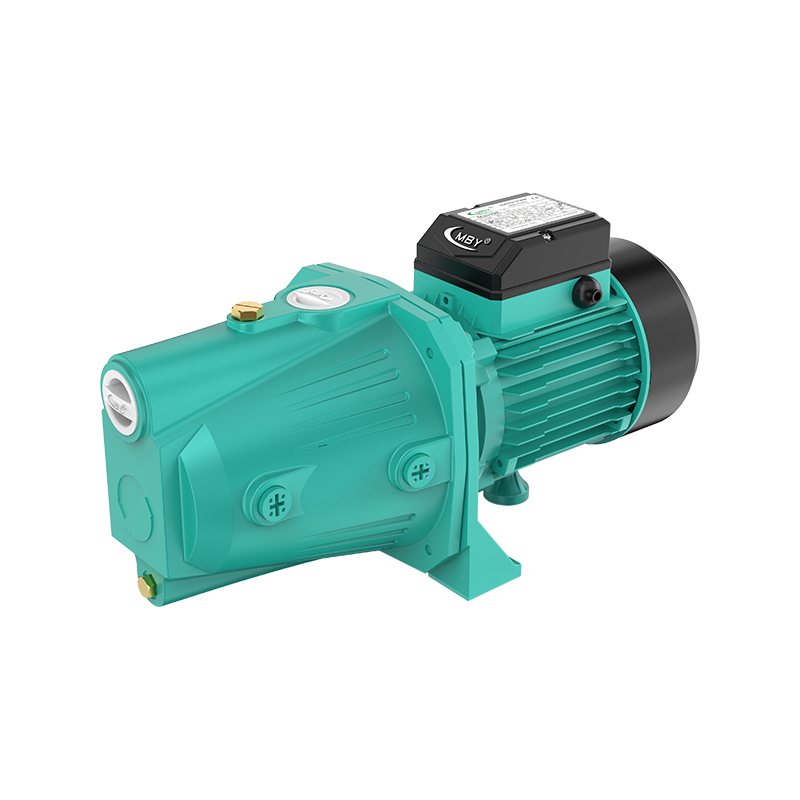
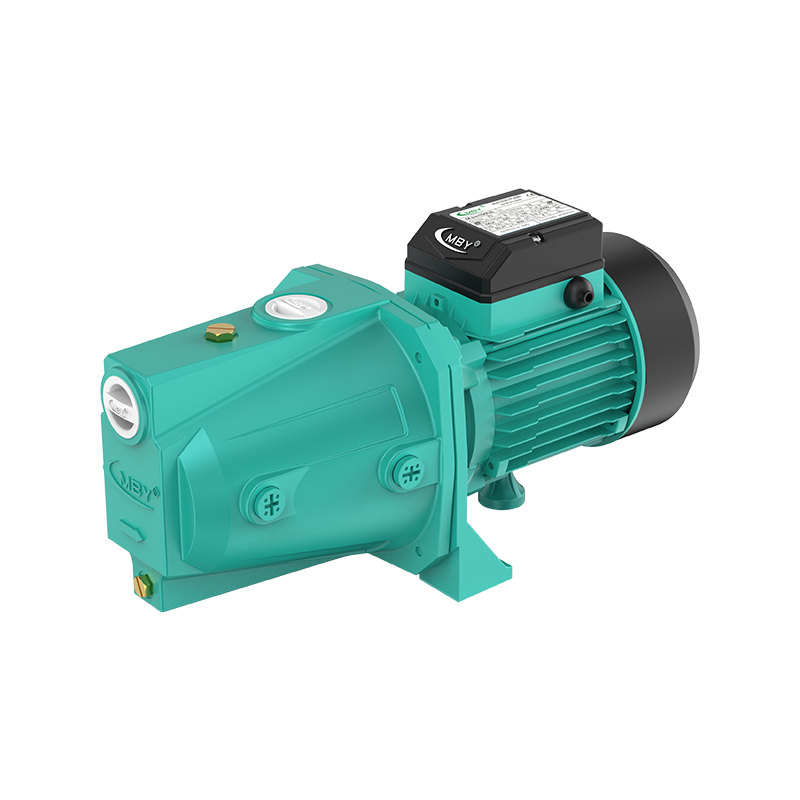
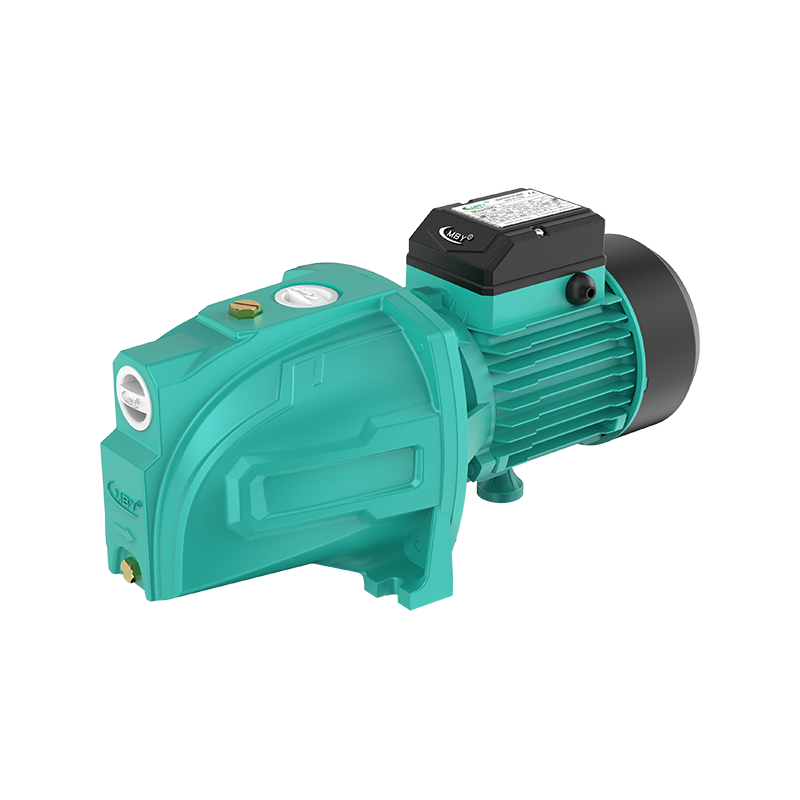
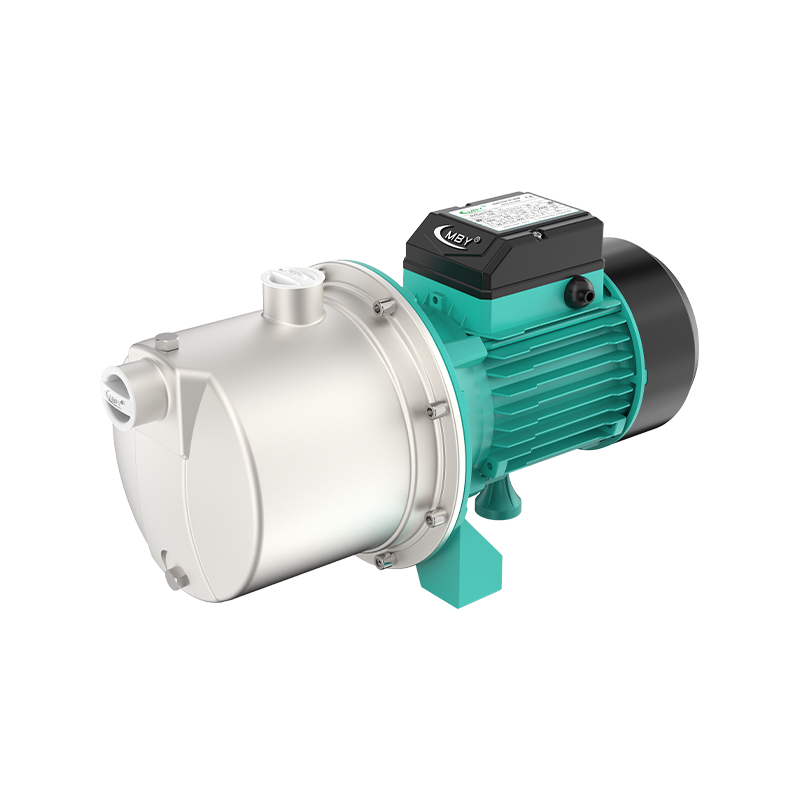
Jet pumps are another common type of household water pump. These pumps are typically used to pump water from shallow wells, and they work by creating a vacuum to draw water into the pump. The pump’s jet action helps to propel water out with force.
Applications:
Advantages:
Disadvantages:
Diaphragm pumps use a flexible diaphragm to create suction and move water. These pumps are often used for transferring water in systems with low flow rates and where gentle pumping is required.
Applications:
Advantages:
Disadvantages:
Booster pumps are designed to increase the water pressure in plumbing systems. They are typically used in homes where water pressure is too low to ensure efficient flow, such as in multi-story buildings or large homes.
Applications:
Advantages:
Disadvantages:
Hand pumps are simple, manually operated pumps that are often used in off-grid areas. These pumps work by manually pulling or pushing a lever to generate the suction needed to draw water from a well or tank.
Applications:
Advantages:
Disadvantages:
Choosing the right household water pump depends on several factors, including the depth of the water source, the required water flow rate, and the availability of power. Here are some key considerations:
The type of water source is a significant factor in choosing the right pump. For shallow wells or rainwater tanks, a jet pump or diaphragm pump might be sufficient. However, for deeper water sources, such as deep wells or underground reservoirs, submersible pumps or centrifugal pumps would be more effective.
It is essential to determine the water pressure and flow rate required for your household needs. Booster pumps are ideal for increasing water pressure, while centrifugal and submersible pumps are better suited for maintaining a consistent flow of water.
Household water pumps can be powered by electricity, solar power, or even manual operation. Electric pumps are the most common, but solar-powered pumps are gaining popularity in off-grid or eco-friendly homes. Hand pumps, while not requiring power, are typically reserved for emergency situations.
Consider the long-term maintenance requirements of the pump. Submersible pumps, for example, may require less maintenance than jet pumps, but their initial cost can be higher. Choose a pump that is durable and designed to withstand regular use.
While most modern household water pumps are designed to be quiet, submersible pumps are often the quietest since they operate underwater. Centrifugal and jet pumps may produce more noise due to their mechanical components.
Water pumps are used in a variety of household applications, ranging from basic water supply to specialized systems. Here are some key applications:
| Application | Type of Pump | Description |
|---|---|---|
| General Water Supply | Centrifugal, Submersible | Providing water from wells, tanks, or cisterns to the household. |
| Irrigation | Jet, Diaphragm | Watering plants and gardens in the home or backyard. |
| Basement Drainage | Submersible, Jet | Removing excess water from flooded basements or crawlspaces. |
| Water Pressure Boosting | Booster | Increasing water pressure for consistent flow throughout the home. |
| Emergency Water Supply | Hand Pump | Providing water during power outages or emergencies. |
1. What is the difference between a centrifugal pump and a submersible pump?
2. How do I know which type of pump is best for my home?
3. Are there any energy-efficient options for household water pumps?
4. How often should I maintain my household water pump?
5. Can I use a water pump for both household use and irrigation?
Choosing the right household water pump depends on various factors such as the water source, required flow rate, and available power. Each type of pump has its own advantages and is suitable for specific applications. By understanding the differences between centrifugal, submersible, jet, and other types of pumps, homeowners can make the best choice for their water supply needs. Whether you need a simple solution for a small household or a more advanced system for a larger property, there’s a pump out there to meet your needs.
By selecting the right type of household water pump, you can ensure reliable and efficient water supply for your home.
Hot News
 Oil Immersed Submersible Electric Pump: Working Principles, Applications, and Future Trends
Sep 04, 2025
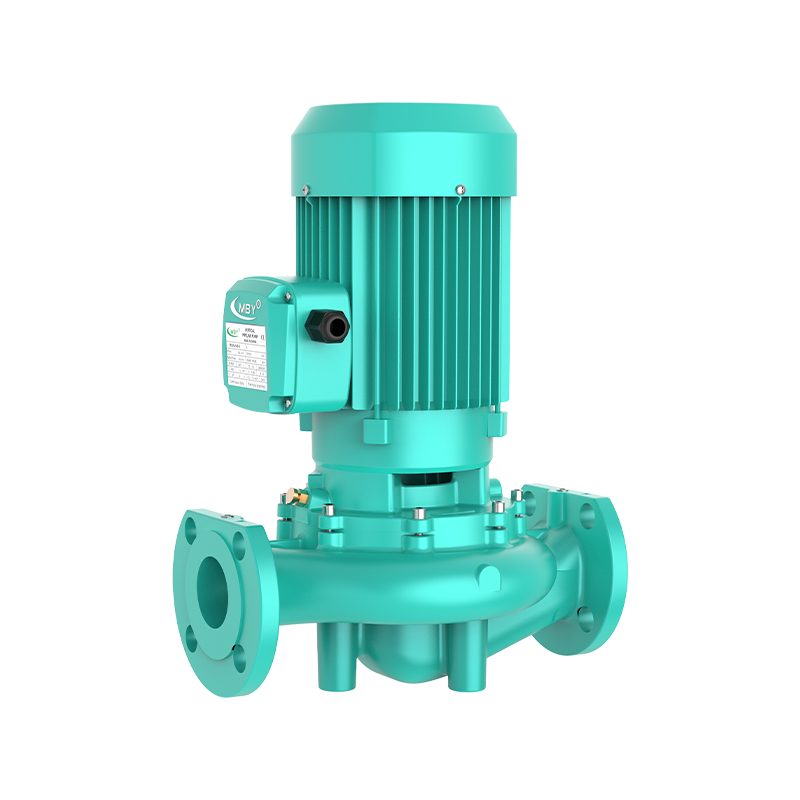 Global Pipeline Centrifugal Pump Industry Update: High-Efficiency Double Suction and Magnetic Drive Technologies Leading the Industrial Water Treatment Revolution
Sep 04, 2025
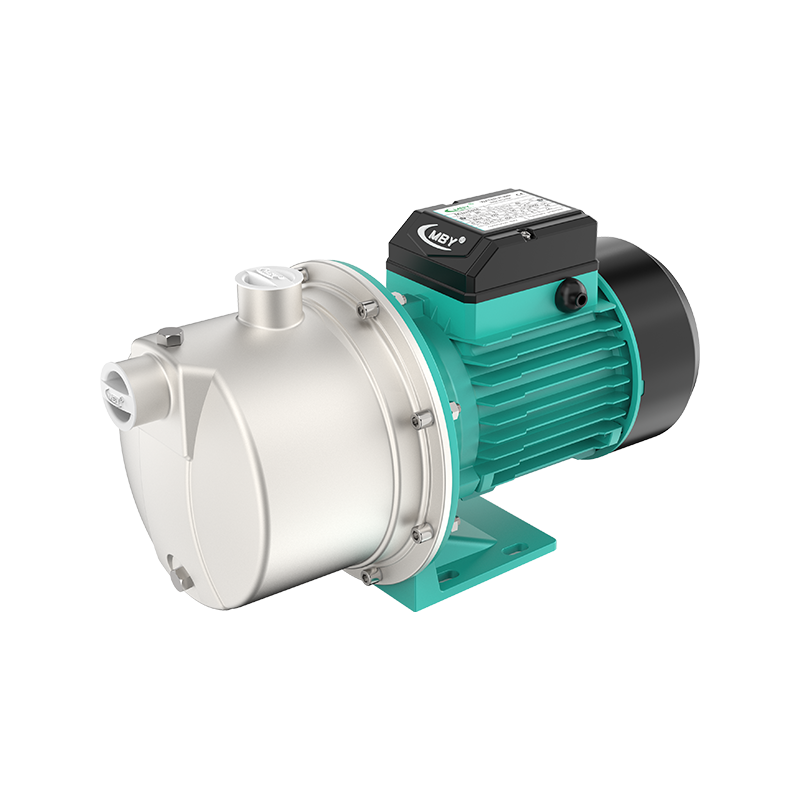 Complete Guide to Household Water Pumps: From Selection, Installation to Maintenance, Your Home's 'Water Butler'
Sep 04, 2025
 Can the intelligent automatic self-priming vortex water pump lead a new era in water management?
Sep 04, 2025
Get In Touch

Address 1:
No. 4 Taoyuan Road, Taozhou Town, Guangde City, Xuancheng City, Anhui Province, China
Address 2:
Daxi Town, Wenling City, Taizhou City, Zhejiang Province, China Pump Industry Intelligent Manufacturing Town