
 English
 русский
 Español
 Português
 عربى
عربى
 Türk
Türk








+86 18395326713
Feb 13, 2026
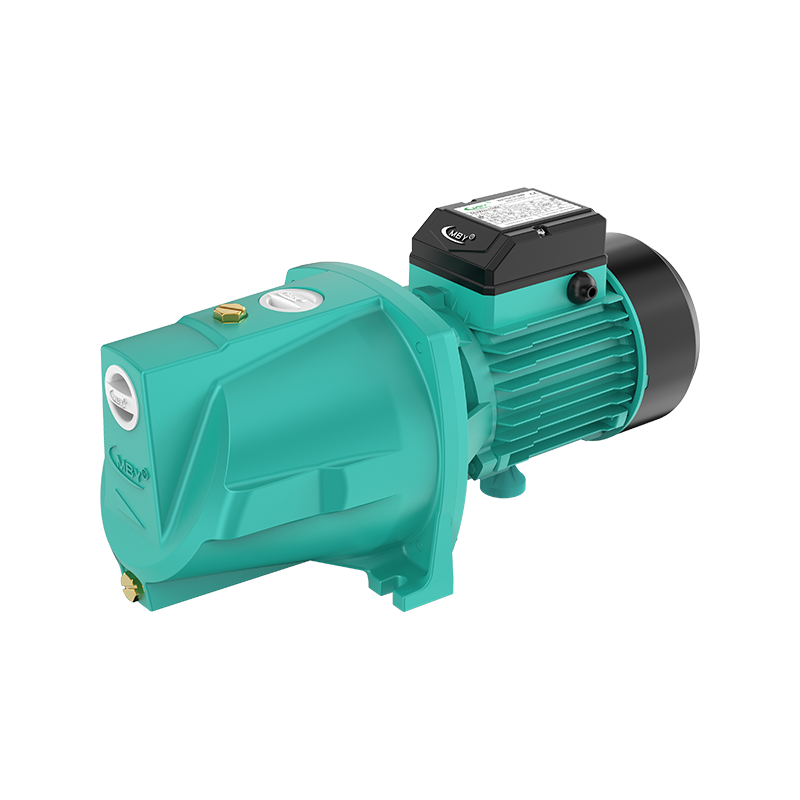
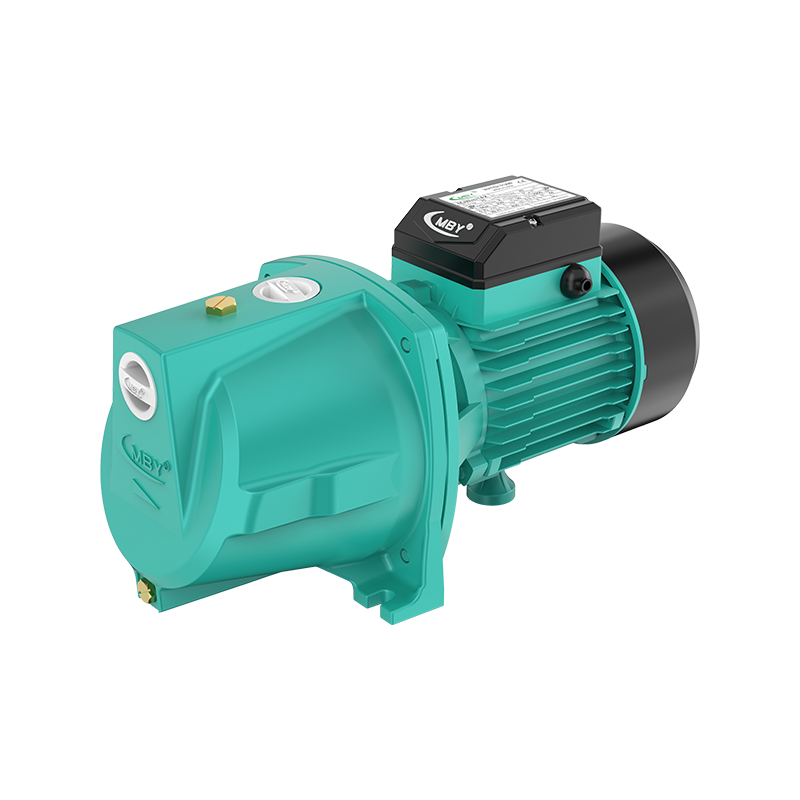
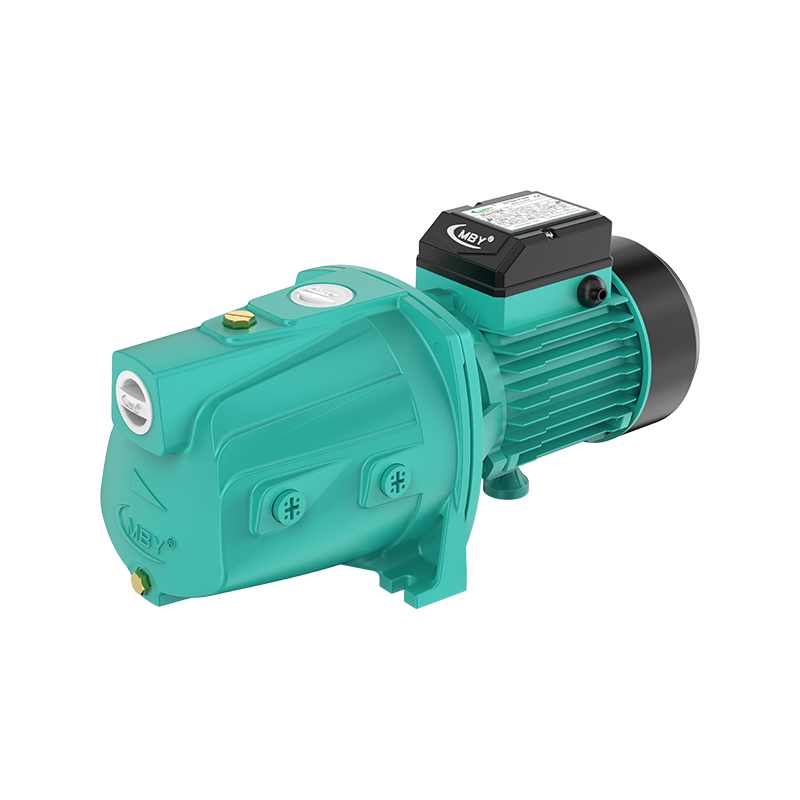
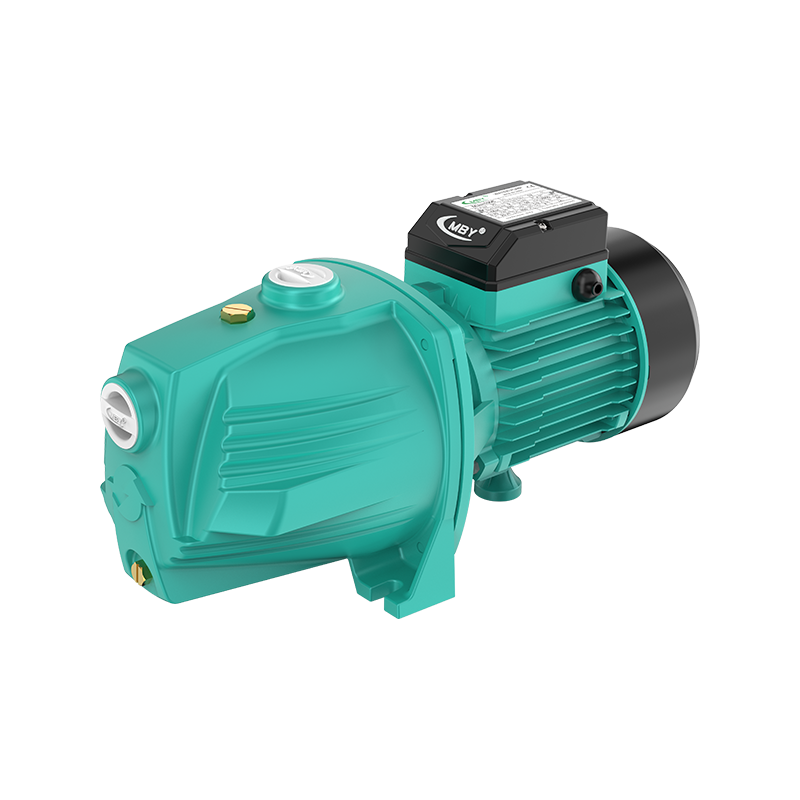
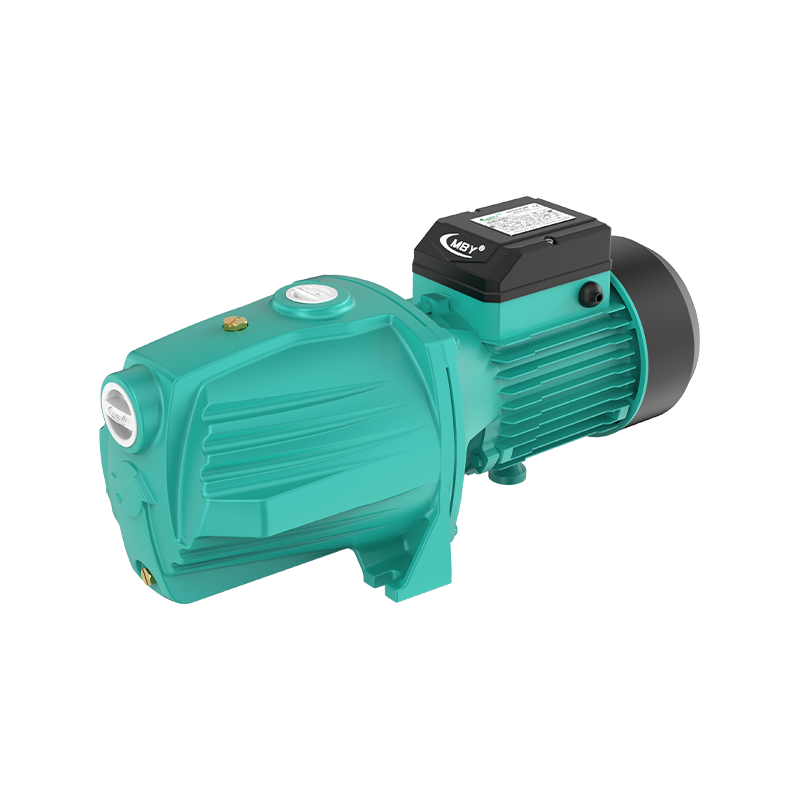
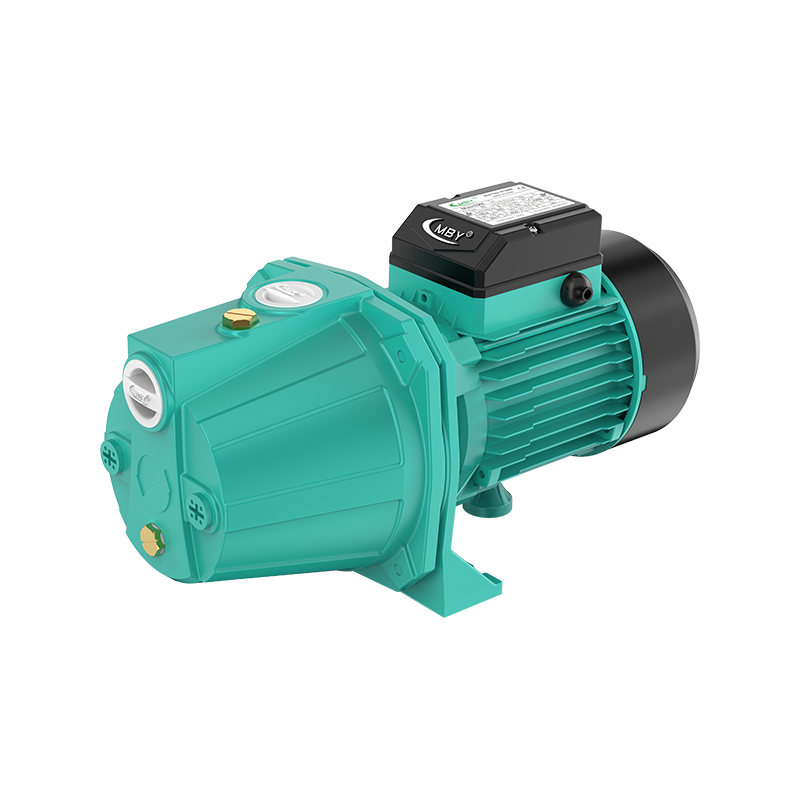
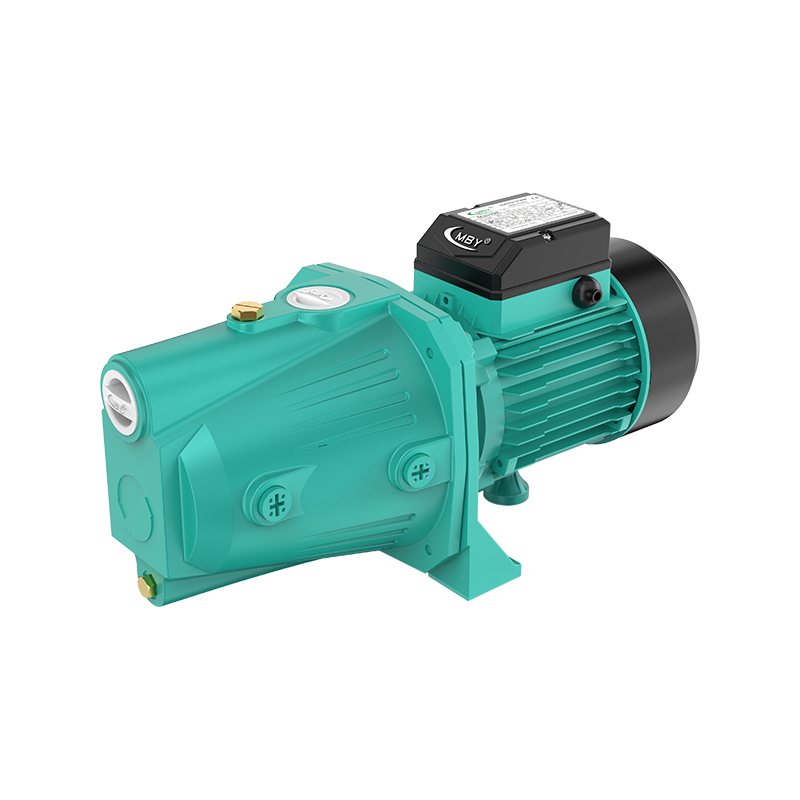
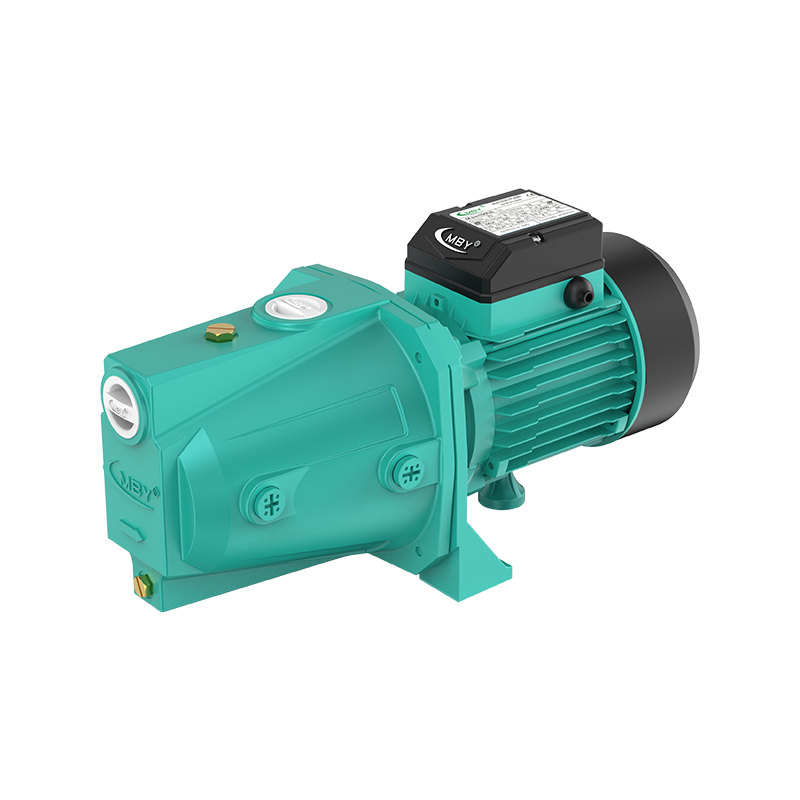
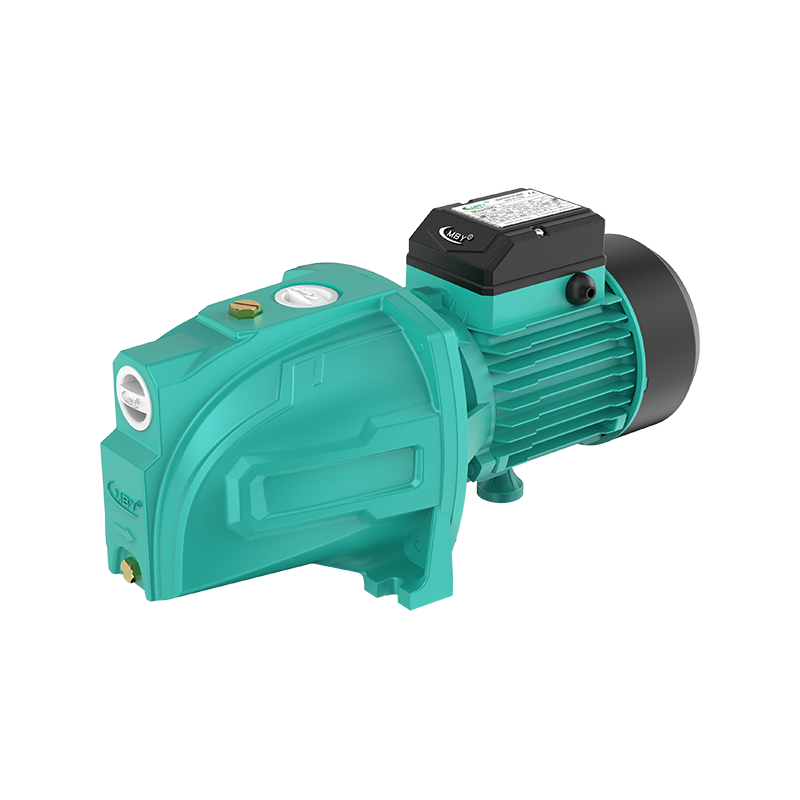
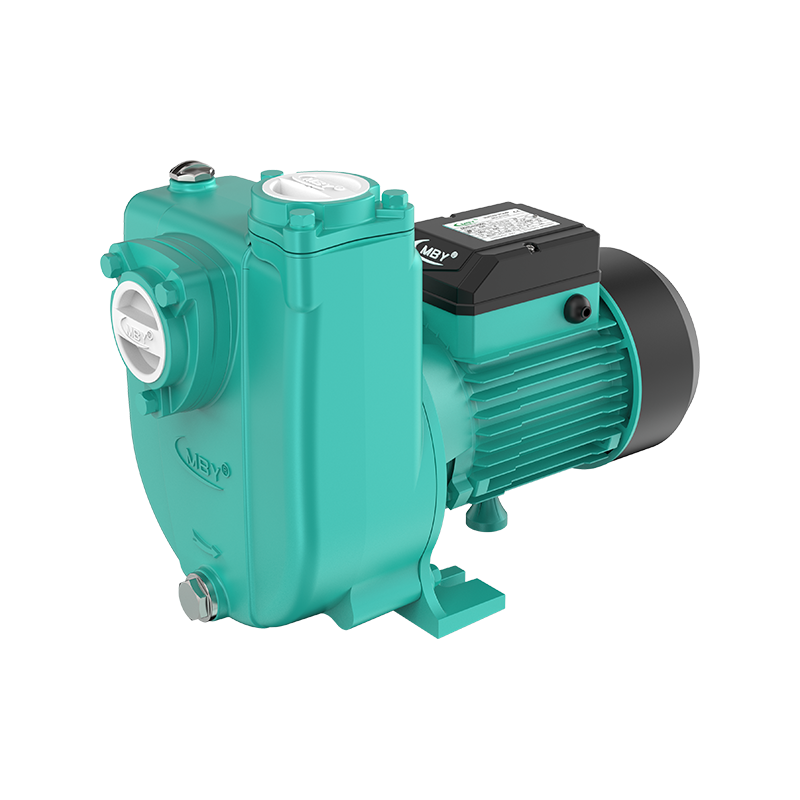
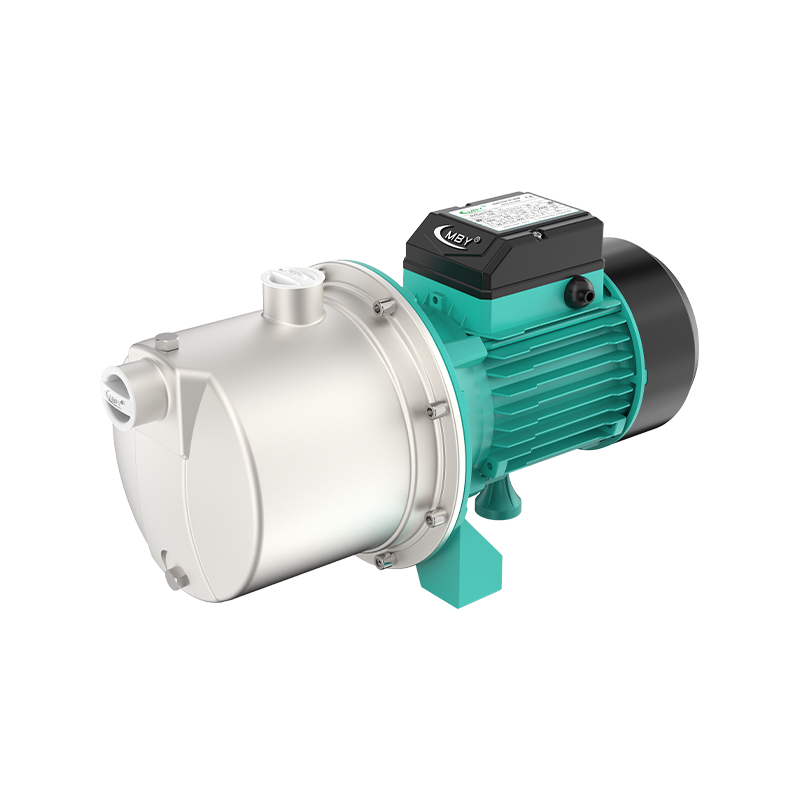
A self-priming jet pump is a vital piece of equipment used in a variety of water-related applications, including irrigation systems, swimming pools, and water distribution networks. Known for their reliability and versatility, these pumps are designed to work efficiently even when the suction line is not fully primed.
A self-priming jet pump is a mechanical device designed to draw water from a source, such as a well or tank, without the need for manual priming. This means the pump is capable of removing air from the pump and suction line and creating a vacuum, which is necessary to lift water. This functionality makes the pump ideal for situations where the water level is low or fluctuates frequently.
Understanding how a self-priming jet pump operates can help users select the right model for their needs. When activated, the pump impeller forces water through the suction line into the pump casing. Simultaneously, the pump creates a vacuum to remove any air, ensuring that the pump becomes primed and ready for continuous operation.
This process is made efficient by the design of the pump, which incorporates a jet nozzle that creates a high-velocity water stream, enhancing the suction power. As the water moves through the pump, it creates pressure to deliver the required flow rate for the intended application.
Self-priming jet pumps offer several advantages over traditional pumps:
Automatic Priming: Unlike standard pumps, self-priming jet pumps require no manual effort to start working, making them ideal for remote areas where ease of use is critical.
Higher Suction Power: These pumps are designed to handle a greater level of suction, which is essential for lifting water from deep wells or areas with low water levels.
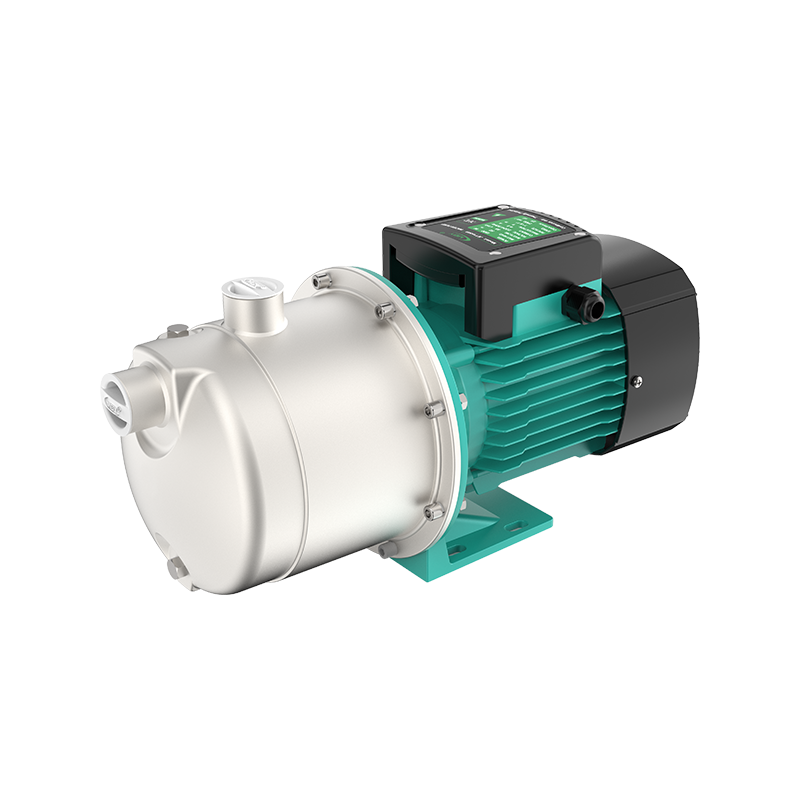
Durability and Longevity: Self-priming stainless steel jet water pumps are built to last. Stainless steel construction offers corrosion resistance, extending the life of the pump in harsh conditions.
Energy Efficiency: By efficiently handling air and water separation, these pumps reduce energy consumption compared to traditional pumps.
The versatility of self-priming jet pumps makes them suitable for a wide range of applications:
When it comes to durability and efficiency, self-priming stainless steel jet water pumps are a top choice. Stainless steel offers superior corrosion resistance, making these pumps ideal for applications where water quality might be challenging or where the pump will be exposed to harsh environmental conditions. Additionally, stainless steel pumps require less maintenance than other materials, further enhancing their value over time.
Selecting the right self-priming jet pump requires understanding your specific requirements, such as:
Like any mechanical device, self-priming jet pumps can encounter issues over time. Common problems include:
To ensure the longevity and reliability of your self-priming jet pump, regular maintenance is essential. Here are a few tips:
Inspect the pump regularly for signs of wear, including cracks or corrosion on the pump casing.
Clean the impeller to prevent clogs and ensure the pump continues to operate efficiently.
Check the suction line for any air leaks that could prevent the pump from priming properly.
Lubricate moving parts as necessary to reduce friction and extend the life of the pump.
| Feature | Description |
|---|---|
| Pump Type | Self-Priming Jet Pump |
| Material | Stainless Steel |
| Flow Rate | Up to 150 GPM |
| Max Suction Head | 25 ft |
| Max Discharge Head | 150 ft |
| Applications | Irrigation, Residential, Commercial, Industrial |
| Power Supply | Electric, Gasoline |
Q1: How long does it take for a self-priming jet pump to prime?
A: A self-priming jet pump typically takes around 3-5 minutes to fully prime, depending on the size of the pump and the suction head.
Q2: Can a self-priming jet pump handle dirty water?
A: Yes, these pumps can handle some level of debris, but it’s essential to maintain the pump and clean the impeller regularly to prevent clogs.
Q3: What is the difference between a self-priming jet pump and a standard centrifugal pump?
A: The key difference is that a self-priming jet pump can automatically remove air from the system and start working without the need for manual priming, while a standard centrifugal pump requires priming before use.
Q4: Can I use a self-priming jet pump for high-pressure applications?
A: Yes, self-priming jet pumps are designed to handle high pressures and can be used for various industrial and commercial applications.
Q5: How do I know if my self-priming jet pump is failing?
A: Signs of failure include loss of prime, poor suction power, or unusual noise during operation. Regular inspections and maintenance can help identify these issues early.
Hot News
 Oil Immersed Submersible Electric Pump: Working Principles, Applications, and Future Trends
Sep 04, 2025
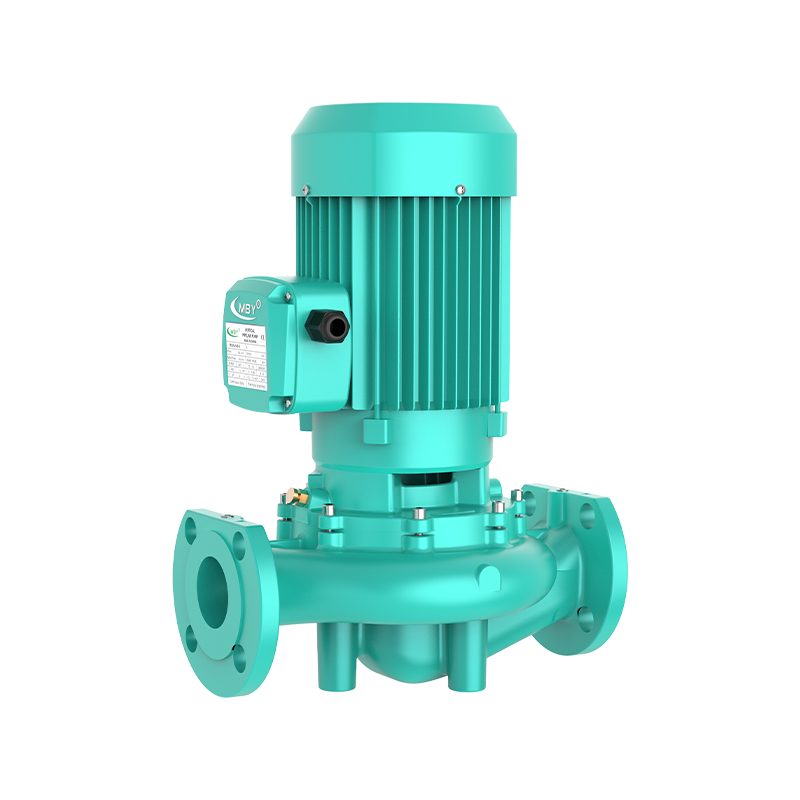 Global Pipeline Centrifugal Pump Industry Update: High-Efficiency Double Suction and Magnetic Drive Technologies Leading the Industrial Water Treatment Revolution
Sep 04, 2025
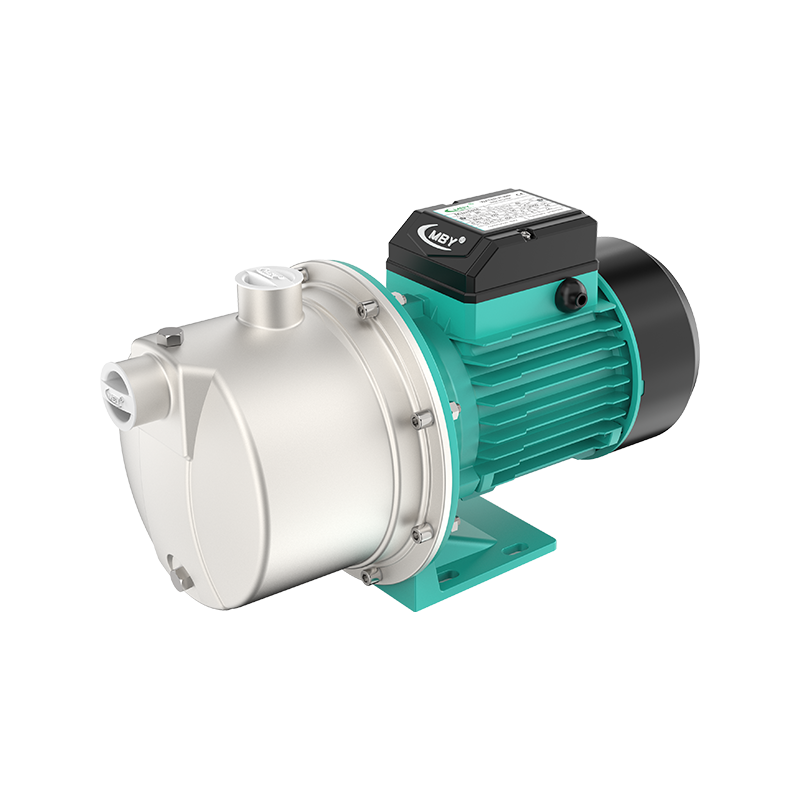 Complete Guide to Household Water Pumps: From Selection, Installation to Maintenance, Your Home's 'Water Butler'
Sep 04, 2025
 Can the intelligent automatic self-priming vortex water pump lead a new era in water management?
Sep 04, 2025
Get In Touch

Address 1:
No. 4 Taoyuan Road, Taozhou Town, Guangde City, Xuancheng City, Anhui Province, China
Address 2:
Daxi Town, Wenling City, Taizhou City, Zhejiang Province, China Pump Industry Intelligent Manufacturing Town