
 English
 русский
 Español
 Português
 عربى
عربى
 Türk
Türk








+86 18395326713
Feb 26, 2026
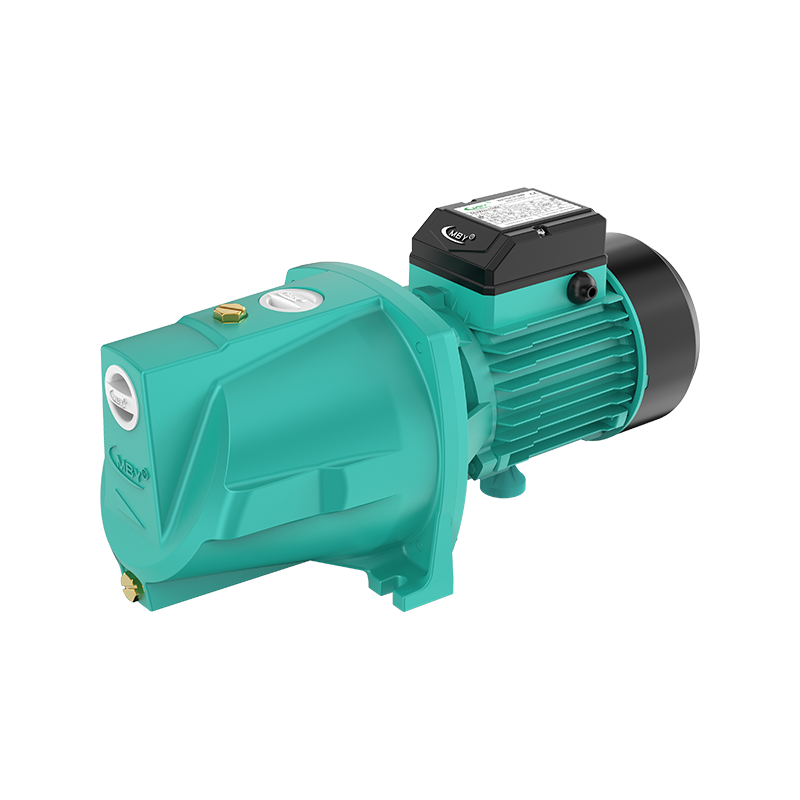
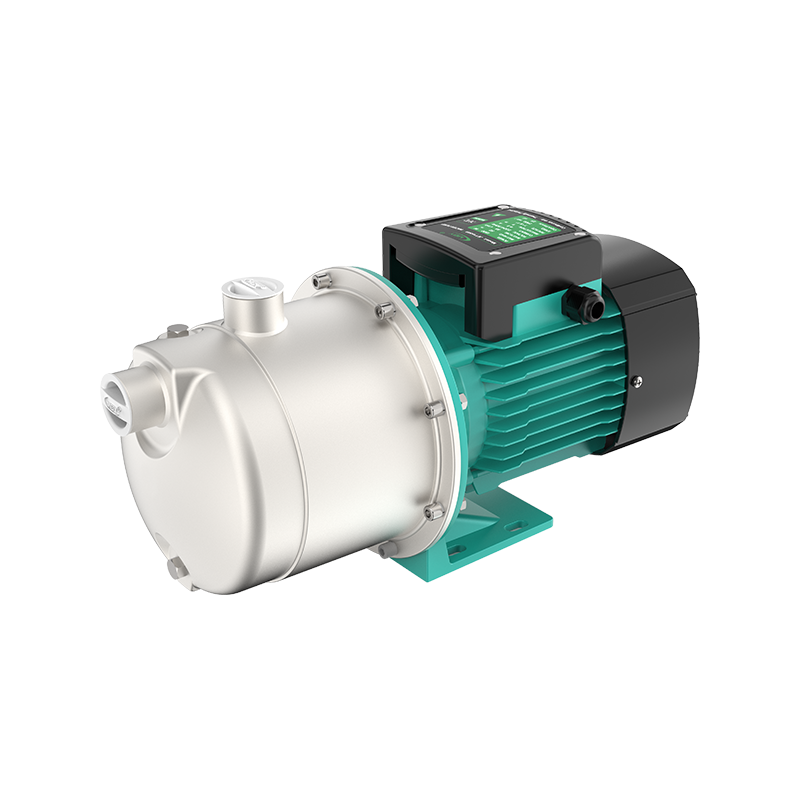
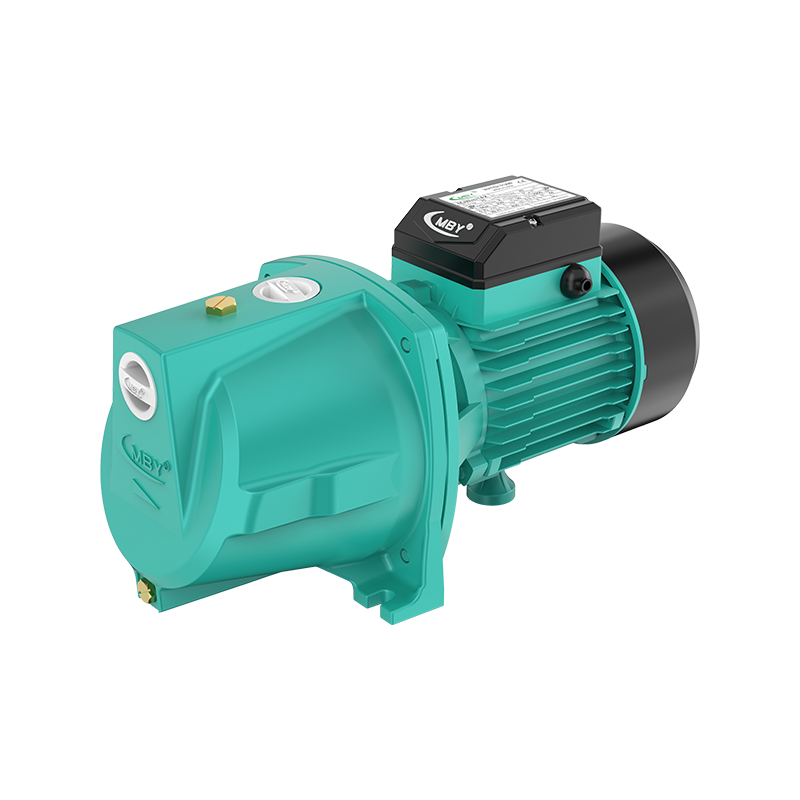
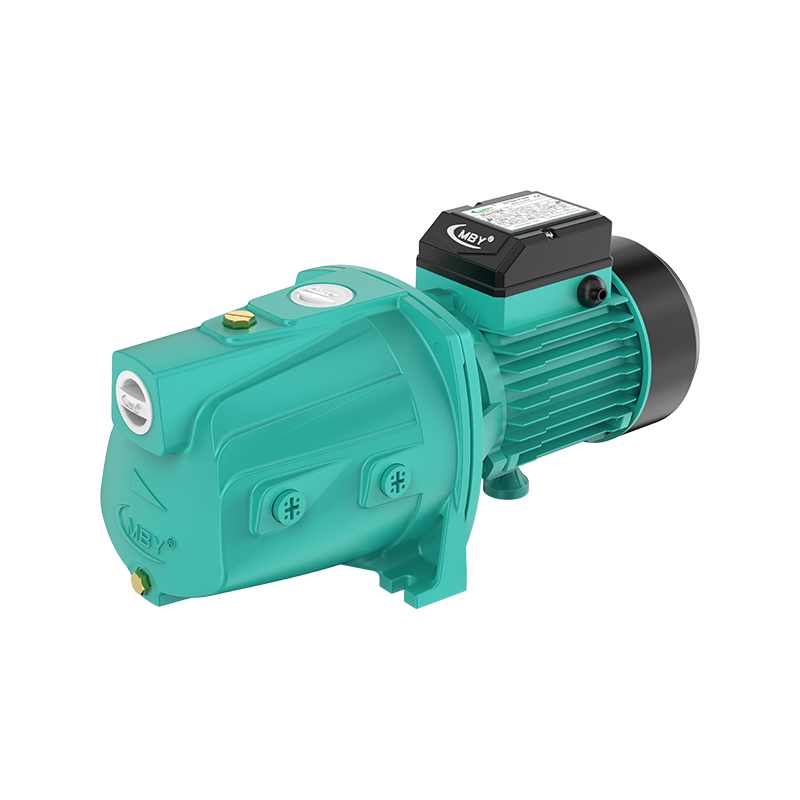
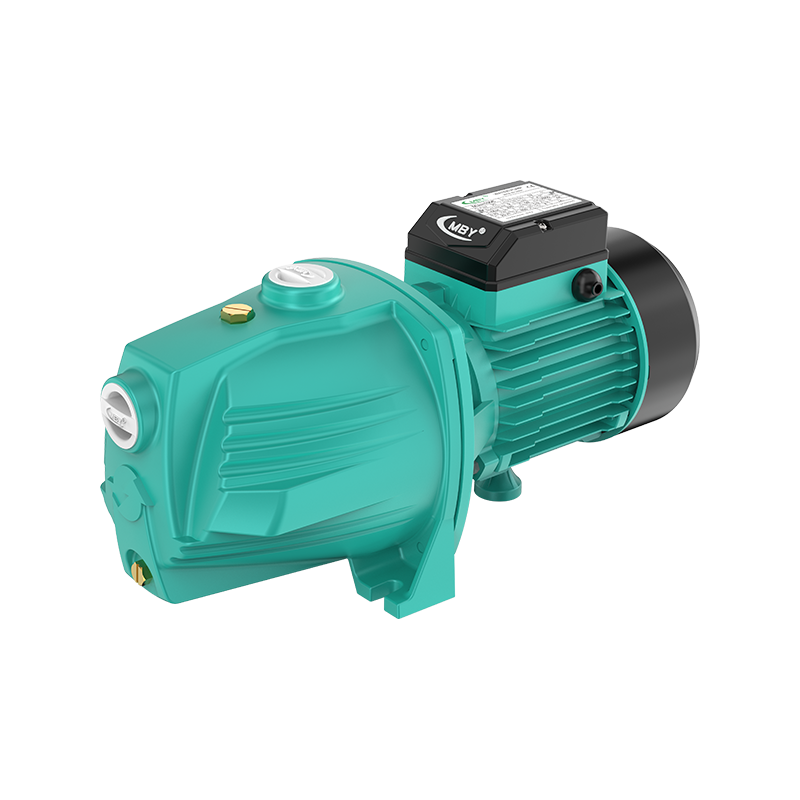
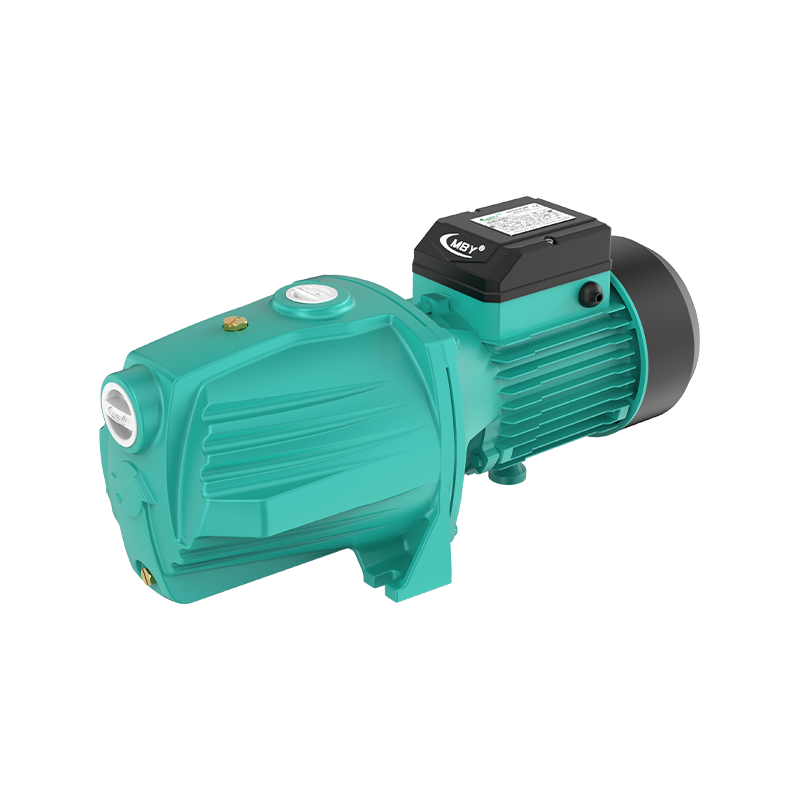
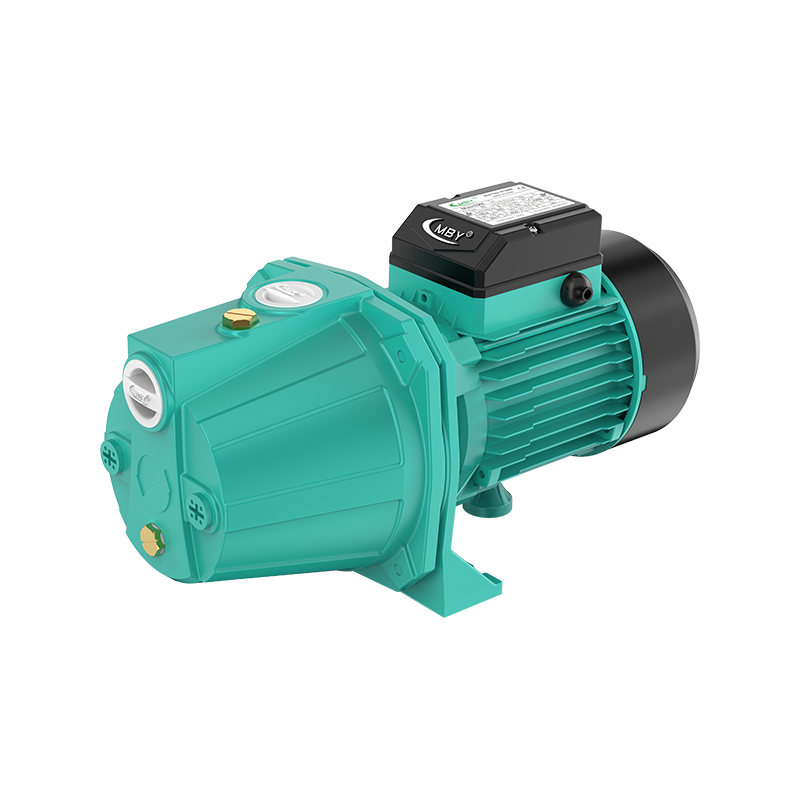
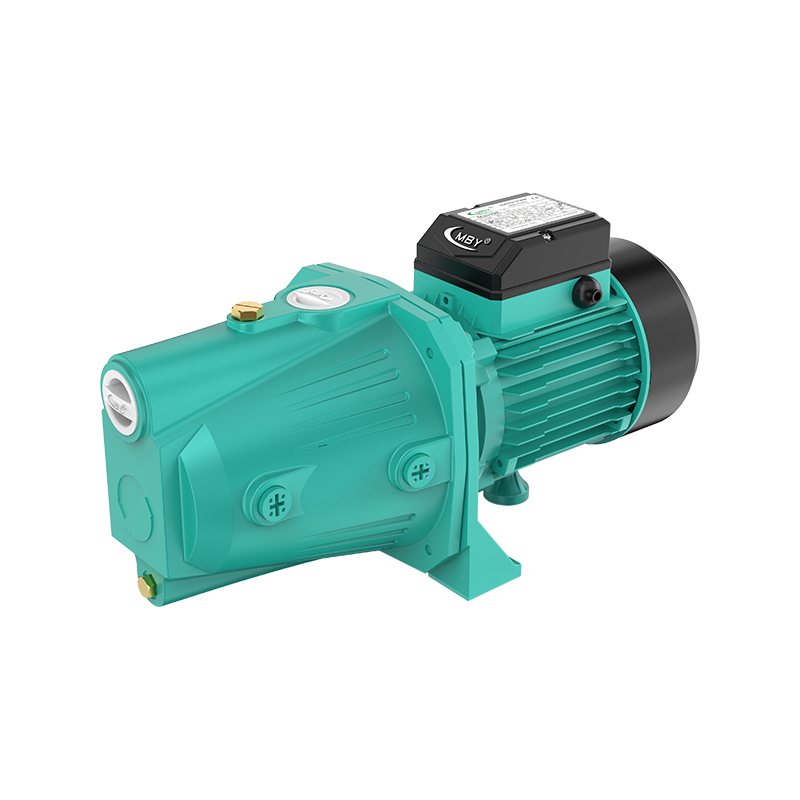
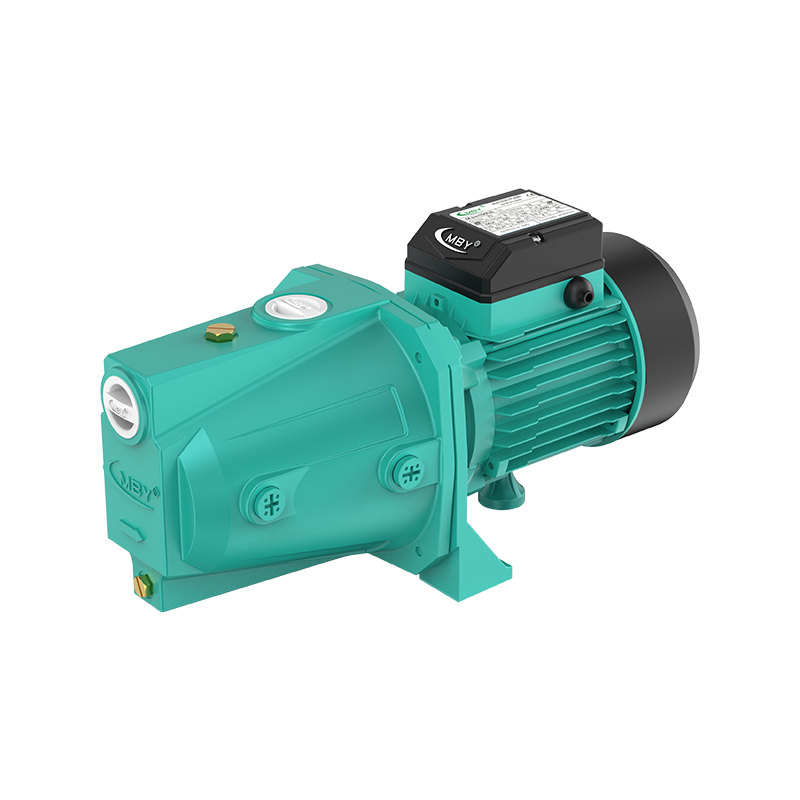
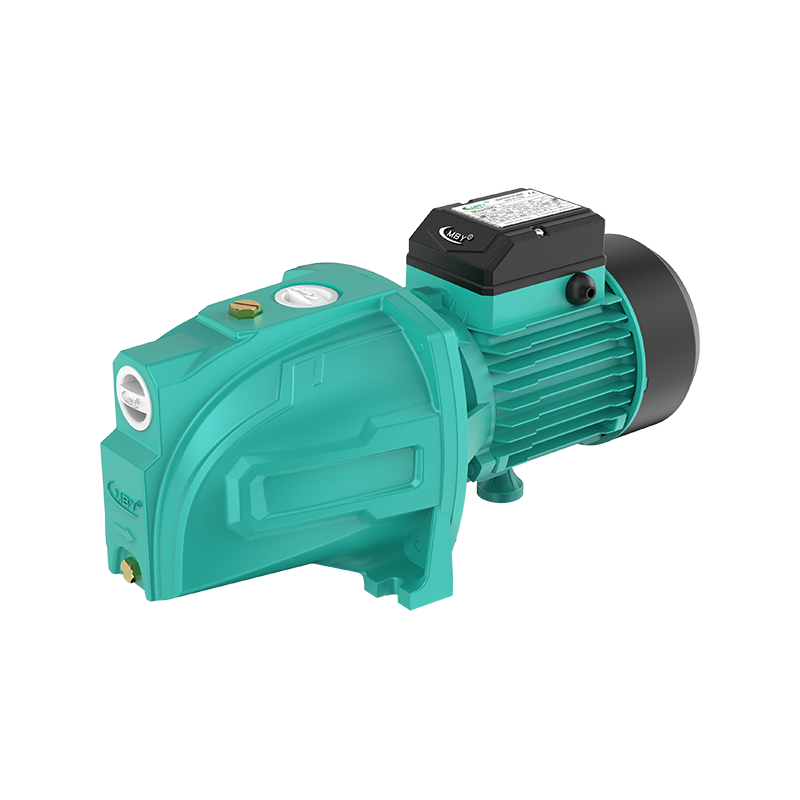
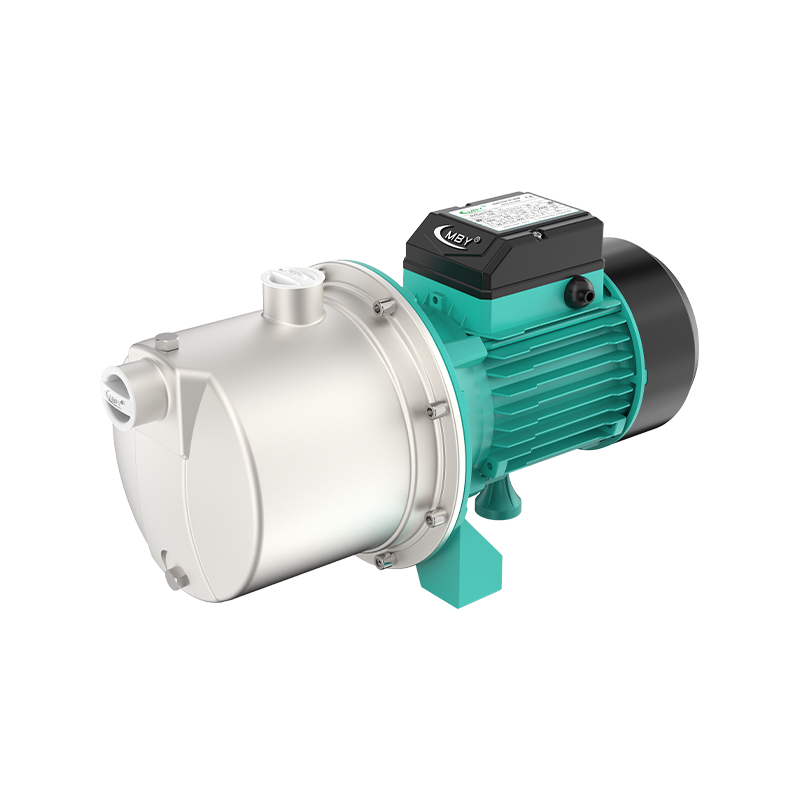
A self-priming jet pump is an innovative liquid conveying solution that combines the functionality of a traditional self-priming pump and a jet pump. These pumps are highly versatile and find applications across various industries, from agriculture to civil engineering, making them indispensable tools for a wide range of pumping needs.
Pumping systems often face several challenges such as priming issues, cavitation, and inefficiency in transferring fluids from low-level reservoirs or sources. Self-priming jet pumps have been designed to address these issues effectively. Unlike traditional pumps that require manual priming before use, self-priming jet pumps can automatically remove air from the suction line and begin pumping without the need for external priming.
A self-priming jet pump is composed of several critical components, each playing a role in its operation. These include:
The self-priming jet pump operates by creating a negative pressure area in the pump body through the kinetic energy of the high-speed liquid flow. This negative pressure sucks the liquid into the pump, filling the pump casing. Once the pump is filled with liquid, it starts to operate normally, pushing the fluid to its designated destination. The main feature that distinguishes self-priming jet pumps is their ability to self-prime, i.e., eliminate air from the suction pipe automatically, making them ideal for applications where the liquid source may be located at a lower elevation than the pump.
Traditional pumps require manual priming before they can function. If air is trapped in the suction line, the pump cannot generate the necessary pressure to move the liquid. Self-priming jet pumps eliminate this issue by automatically priming themselves.
In situations where the liquid source is situated at a lower elevation than the pump, traditional pumps may struggle to draw the liquid effectively. A self-priming jet pump can handle suction from low liquid levels, making it suitable for shallow wells, ponds, and reservoirs.
Cavitation occurs when air bubbles form in the pump, disrupting fluid flow and damaging the pump’s internal components. Self-priming jet pumps minimize the risk of cavitation by preventing air from entering the pump, thanks to their self-priming mechanism.
Many pumps lose efficiency when attempting to lift liquids from deep wells or low-level sources. Self-priming jet pumps are specifically designed for these situations, offering higher suction power and better efficiency than conventional pumps.
Self-priming jet pumps are capable of handling a wide range of fluids, including those with higher viscosities or corrosive properties. The materials used in constructing these pumps can be customized to withstand harsh environments, ensuring reliable operation over extended periods.
When choosing a self-priming jet pump, it is important to consider several factors:
Q1: What is the primary advantage of using a self-priming jet pump over a traditional centrifugal pump?
A: The primary advantage is that a self-priming jet pump can automatically remove air from the suction line and prime itself, which means it doesn’t require manual priming like traditional pumps. This feature is especially useful in applications where the liquid source is located below the pump.
Q2: Can a self-priming jet pump be used for pumping sewage or other viscous liquids?
A: Yes, self-priming jet pumps can be customized with specific materials and design features to handle viscous liquids or even sewage, making them versatile for various industrial and civil applications.
Q3: How long does a self-priming jet pump last?
A: With proper maintenance, self-priming jet pumps are designed to last for many years. Their wear-resistant construction helps prolong their service life, reducing the need for frequent replacements.
Q4: Are self-priming jet pumps energy-efficient?
A: Yes, self-priming jet pumps are generally energy-efficient due to their ability to operate at higher suction ranges with minimal energy input. However, their efficiency will depend on the specific pump model and application.
Q5: What maintenance is required for self-priming jet pumps?
A: Regular maintenance includes cleaning the pump components, checking for wear, and ensuring that the motor is functioning properly. Periodic inspections will help identify any issues before they cause serious damage.
Self-priming jet pumps offer a reliable and efficient solution to several common pumping problems, such as priming difficulties, low suction power, and pumping from low-liquid-level sources. With their simple design, versatility, and durability, they are an ideal choice for a wide range of applications in agriculture, industry, and civil engineering. By understanding their working principle, advantages, and how to select the right pump for specific needs, users can make informed decisions and optimize their pumping systems for better performance.
Hot News
 Oil Immersed Submersible Electric Pump: Working Principles, Applications, and Future Trends
Sep 04, 2025
 Global Pipeline Centrifugal Pump Industry Update: High-Efficiency Double Suction and Magnetic Drive Technologies Leading the Industrial Water Treatment Revolution
Sep 04, 2025
 Complete Guide to Household Water Pumps: From Selection, Installation to Maintenance, Your Home's 'Water Butler'
Sep 04, 2025
 Can the intelligent automatic self-priming vortex water pump lead a new era in water management?
Sep 04, 2025
Get In Touch

Address 1:
No. 4 Taoyuan Road, Taozhou Town, Guangde City, Xuancheng City, Anhui Province, China
Address 2:
Daxi Town, Wenling City, Taizhou City, Zhejiang Province, China Pump Industry Intelligent Manufacturing Town