
 English
 русский
 Español
 Português
 عربى
عربى
 Türk
Türk








+86 18395326713
Feb 05, 2026
Industrial pumps play a vital role in the efficient operation of various sectors, from manufacturing to chemical processing. However, like all mechanical equipment, industrial pumps are susceptible to wear and tear over time. Detecting early signs of damage is crucial to ensuring that these pumps continue to operate efficiently and do not cause costly system failures.
Industrial pumps are essential components in systems that transport liquids, chemicals, and other materials. Water pumps, in particular, are used extensively in various industries, such as agriculture, mining, and water treatment facilities. Because of their continuous operation, it’s easy for small issues to escalate into major problems if not addressed promptly. Understanding the early warning signs of damage can prevent costly downtime and repairs.
Early signs of damage can be subtle but should never be ignored. These include:
Industrial pumps are designed to operate smoothly with minimal noise. A noticeable increase in noise—such as grinding, rattling, or squealing—could indicate mechanical problems within the pump. The most common causes include misalignment, cavitation, or bearing failure.
Excessive vibration in an industrial water pump can be a sign of mechanical imbalance. The pump may be improperly installed, or the rotor or impeller could be damaged. Severe vibration can lead to further damage, affecting the efficiency of the pump.
Any form of leakage around the pump housing, seals, or pipes should be considered a serious warning. Leaks can lead to a reduction in pump efficiency and, if left unchecked, could result in the pump’s complete failure.
If you notice a significant drop in the flow rate or pressure output of your pump, this is a clear indicator of an issue. A drop in performance could result from several factors, including worn-out impellers, clogged pipes, or damage to the seals.
Overheating is a common problem for industrial pumps that have been running continuously for long periods. This may occur due to insufficient lubrication or damaged seals, which cause friction within the system.
The root causes of pump damage can range from poor installation to improper maintenance. Some of the most common causes of damage include:
Cavitation occurs when the pressure in the pump falls below the vapor pressure of the liquid being pumped. This causes bubbles to form and collapse inside the pump, which can lead to severe damage over time. Cavitation can cause pitting on the pump’s components and reduce its efficiency.
Like all mechanical equipment, industrial pumps suffer from general wear and tear. Over time, the bearings, seals, and other moving parts may degrade. The accumulation of dirt, debris, or abrasive materials can further exacerbate this process.
If the wrong type of pump is selected for a specific application, it can result in inefficiency and premature damage. Factors such as the liquid’s viscosity, flow rate, and pressure requirements must be taken into account when choosing a pump.
Proper lubrication is essential for the smooth operation of any mechanical system. Insufficient lubrication in an industrial pump can lead to increased friction, overheating, and ultimately pump failure.
Exposure to harsh chemicals, high temperatures, or moisture can lead to corrosion in pumps. Corrosion weakens the structural integrity of the pump and leads to leaks, rust formation, and decreased performance.
Regular inspections are crucial for detecting the early warning signs of industrial water pump damage. Here are some steps to identify potential issues before they worsen:
Set up regular monitoring schedules to inspect your pump’s performance, sound, and temperature. Advanced diagnostic tools, such as vibration analysis equipment and thermal cameras, can provide detailed insights into the pump’s health.
Monitor key performance metrics such as flow rate, pressure, and energy consumption. Any sudden changes in these metrics could signal an underlying issue with the pump.
Visually inspect the pump for any signs of wear, corrosion, or leaks. Check the seals, gaskets, and connections for signs of damage. Ensure that the motor and other components are free from dirt and debris.
Pay attention to any unusual sounds during operation. Pumps should run smoothly with minimal noise. Any irregular noises should be investigated promptly to avoid further damage.
Use temperature sensors to track the pump’s operating temperature. Overheating is often a sign of internal friction caused by poor lubrication or damaged parts.
The best way to avoid serious damage to industrial pumps is through proper maintenance and preventative measures. Below are some tips for maintaining the longevity of your pumps:
Ensure that all moving parts are properly lubricated according to the manufacturer’s guidelines. Check the oil levels regularly, and replace it if necessary to reduce friction and prevent overheating.
Proper installation is crucial for pump performance. Ensure that the pump is aligned correctly and that the pipes are properly connected. Misalignment can lead to mechanical stress, resulting in damage.
Regularly clean the pump and surrounding areas to remove debris that may cause blockages or abrasions. Install filtration systems to prevent contaminants from entering the pump.
Choosing the correct industrial pump for your specific application is essential. Consider the type of fluid, required pressure, and flow rate to select the appropriate pump. Using the wrong pump type can lead to inefficiency and damage.
Install vibration sensors to detect irregularities that may indicate imbalance or misalignment in the pump. Correct any issues immediately to prevent further damage.
When damage is detected, prompt troubleshooting is essential to minimize downtime. Common troubleshooting steps include:
By identifying and addressing these issues early on, you can extend the lifespan of your industrial water pumps and avoid expensive repairs.
Early detection of industrial water pump damage is crucial for preventing costly repairs and maintaining the smooth operation of your system. Regular maintenance, proper installation, and monitoring are key to ensuring the longevity and efficiency of your pumps. By keeping an eye out for unusual noises, vibrations, leaks, and performance drops, you can take the necessary actions to address issues before they escalate into significant problems.
Q1: How often should I inspect my industrial water pump?
A1: It is recommended to inspect your industrial water pump at least once every three months. However, more frequent inspections may be necessary for pumps operating under harsh conditions or continuous use.
Q2: Can cavitation be prevented in water pumps?
A2: Yes, cavitation can be minimized by ensuring proper pump selection, maintaining adequate inlet pressure, and avoiding excessive pump speeds.
Q3: What is the most common cause of pump failure?
A3: The most common cause of pump failure is insufficient lubrication, which leads to increased friction and overheating.
Q4: How can I extend the lifespan of my pump?
A4: Regular maintenance, proper installation, and using the correct pump for your specific application are key factors in extending the lifespan of your pump.
Q5: Is it necessary to replace a pump if it’s showing signs of damage?
A5: Not necessarily. In many cases, early signs of damage can be addressed through repairs and maintenance. However, severe damage may require pump replacement.
Hot News
 Oil Immersed Submersible Electric Pump: Working Principles, Applications, and Future Trends
Sep 04, 2025
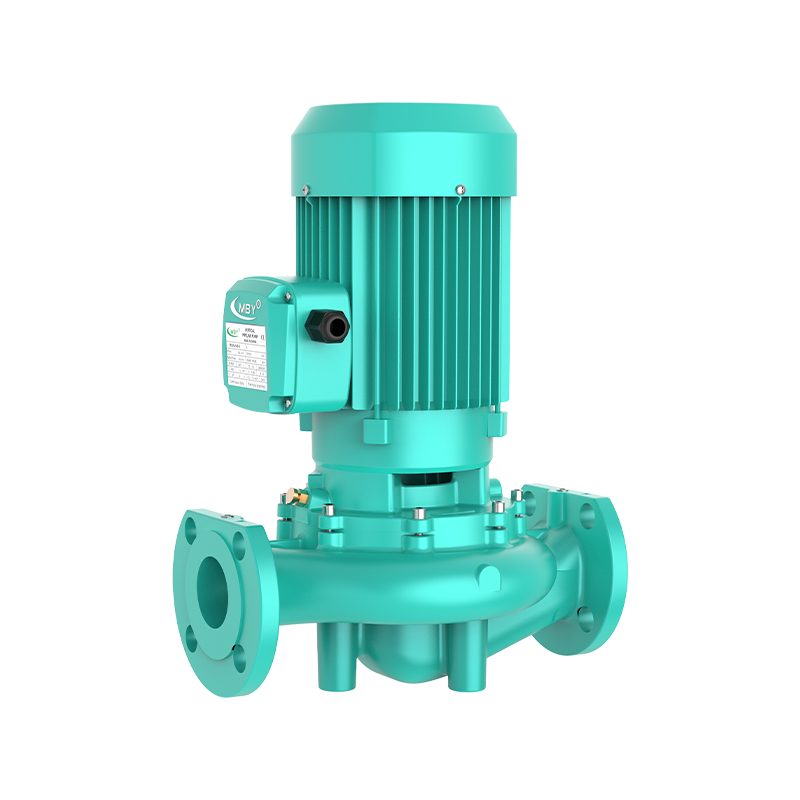 Global Pipeline Centrifugal Pump Industry Update: High-Efficiency Double Suction and Magnetic Drive Technologies Leading the Industrial Water Treatment Revolution
Sep 04, 2025
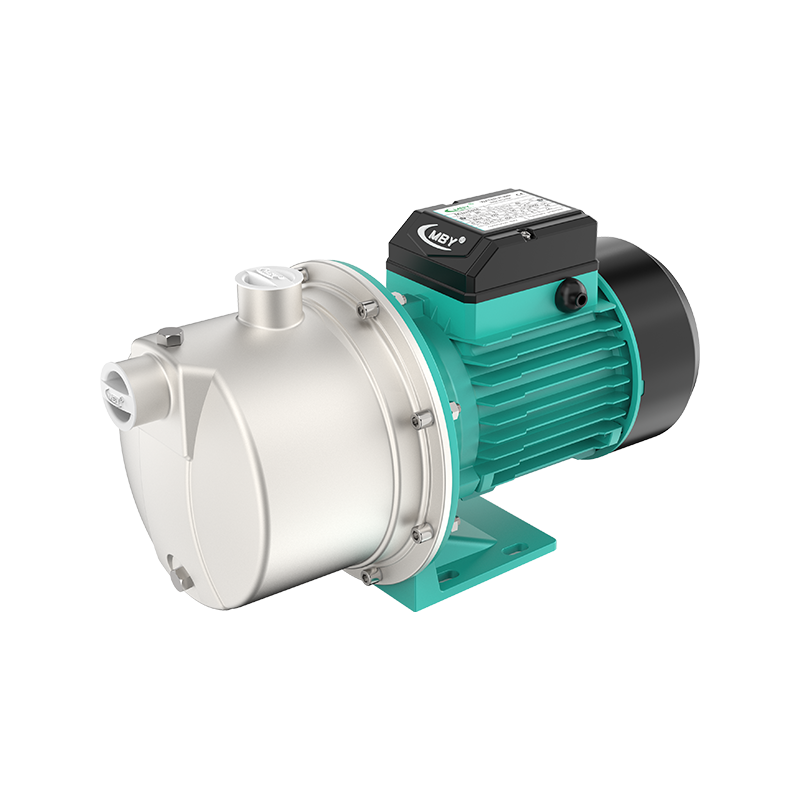 Complete Guide to Household Water Pumps: From Selection, Installation to Maintenance, Your Home's 'Water Butler'
Sep 04, 2025
 Can the intelligent automatic self-priming vortex water pump lead a new era in water management?
Sep 04, 2025
Get In Touch

Address 1:
No. 4 Taoyuan Road, Taozhou Town, Guangde City, Xuancheng City, Anhui Province, China
Address 2:
Daxi Town, Wenling City, Taizhou City, Zhejiang Province, China Pump Industry Intelligent Manufacturing Town