
 English
 русский
 Español
 Português
 عربى
عربى
 Türk
Türk








+86 18395326713
Jan 29, 2026
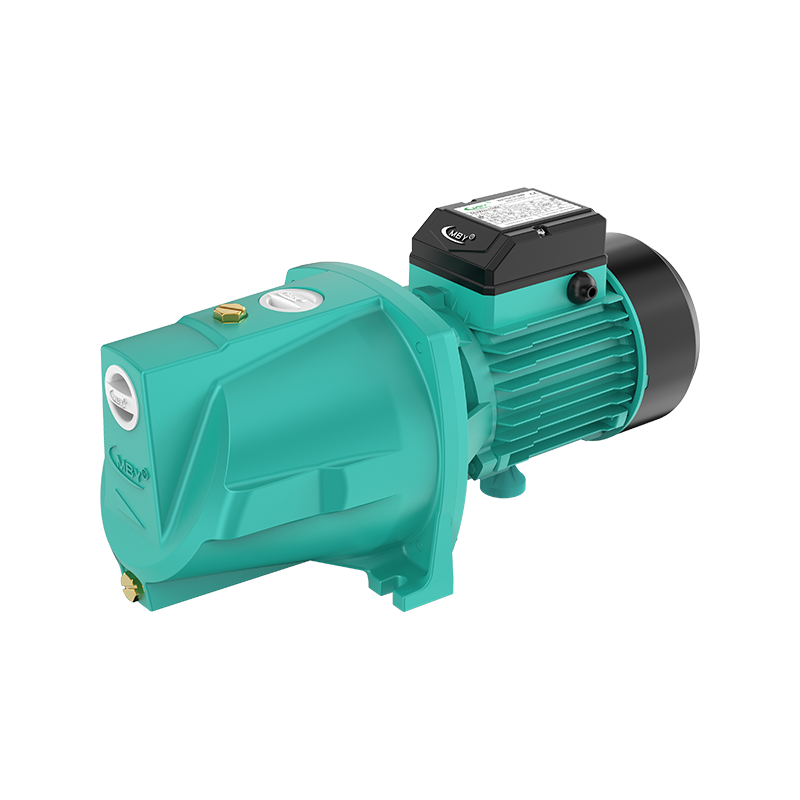
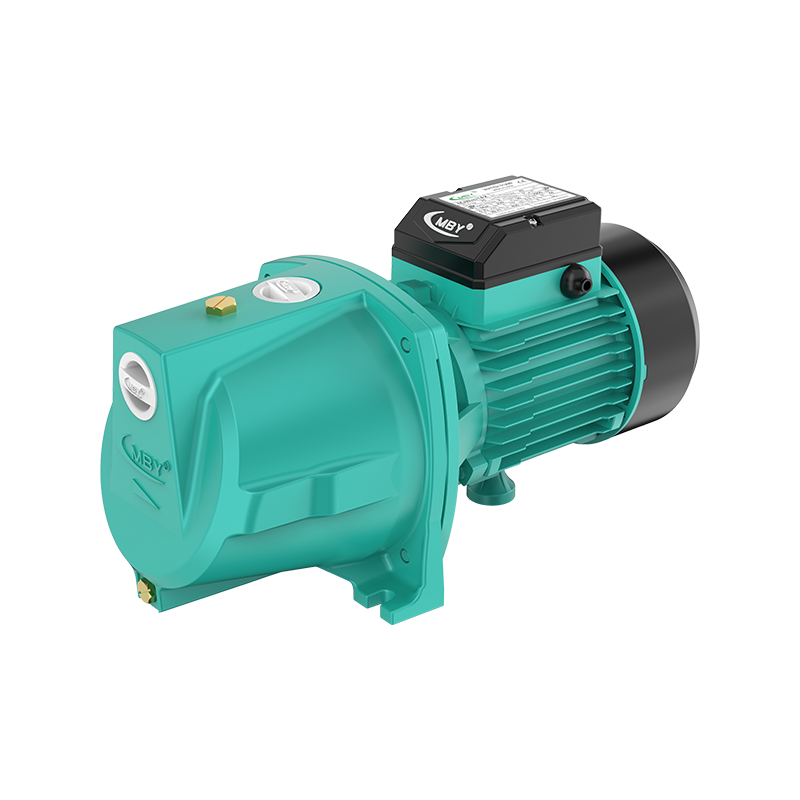
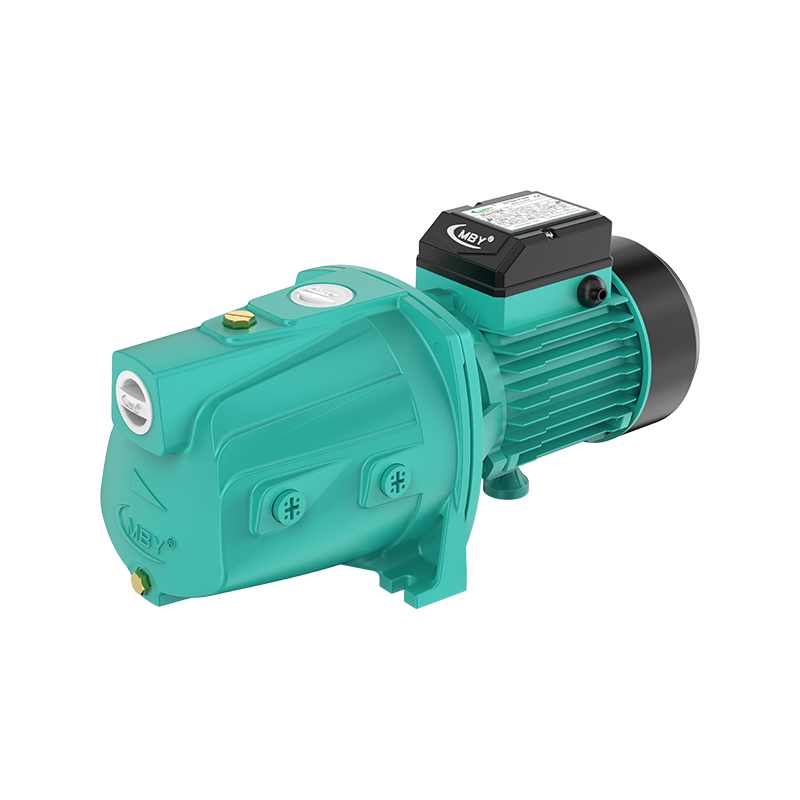
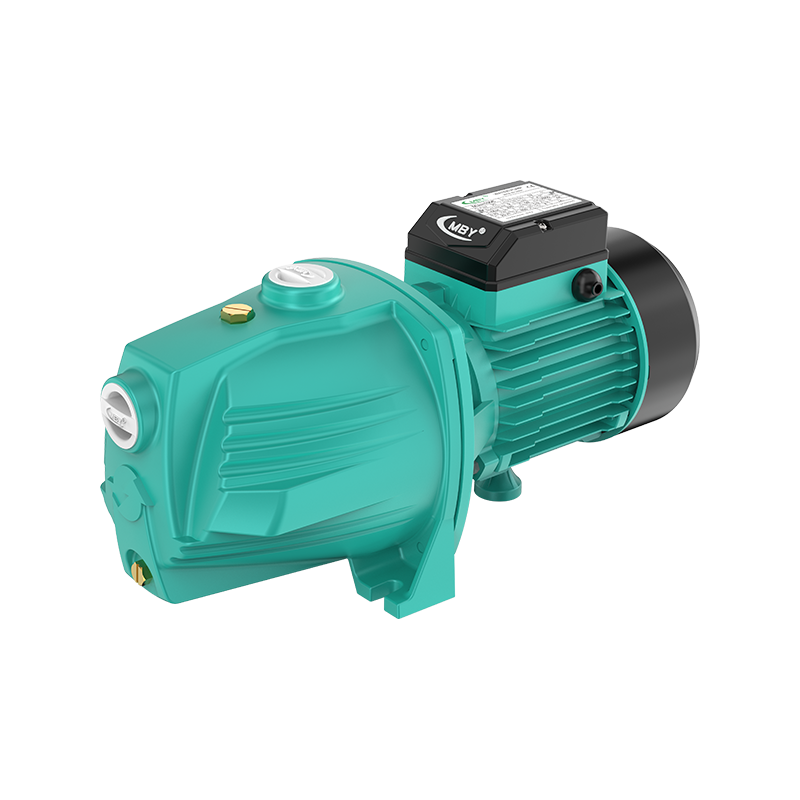
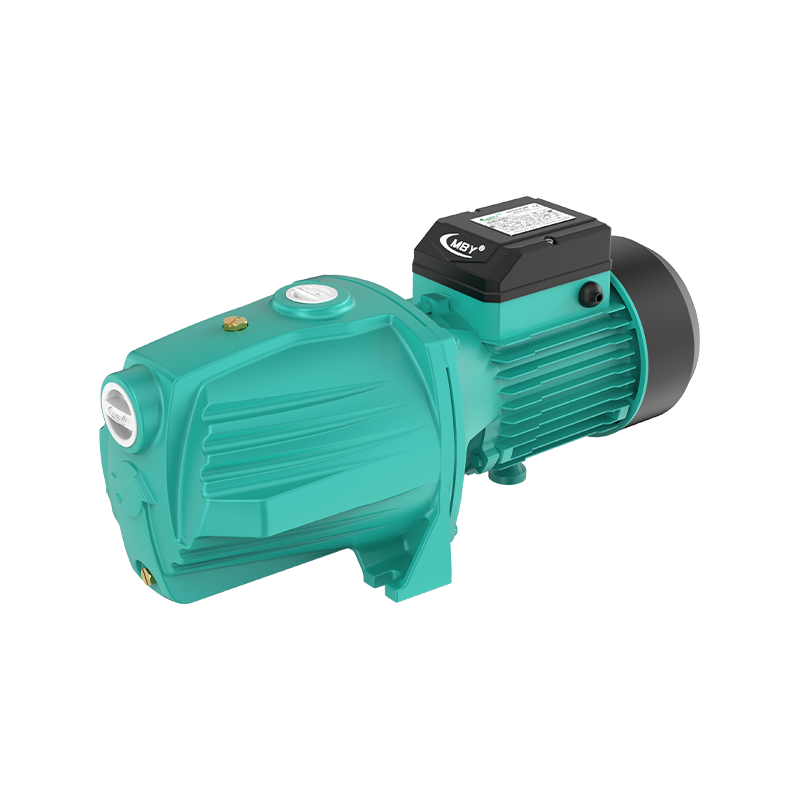
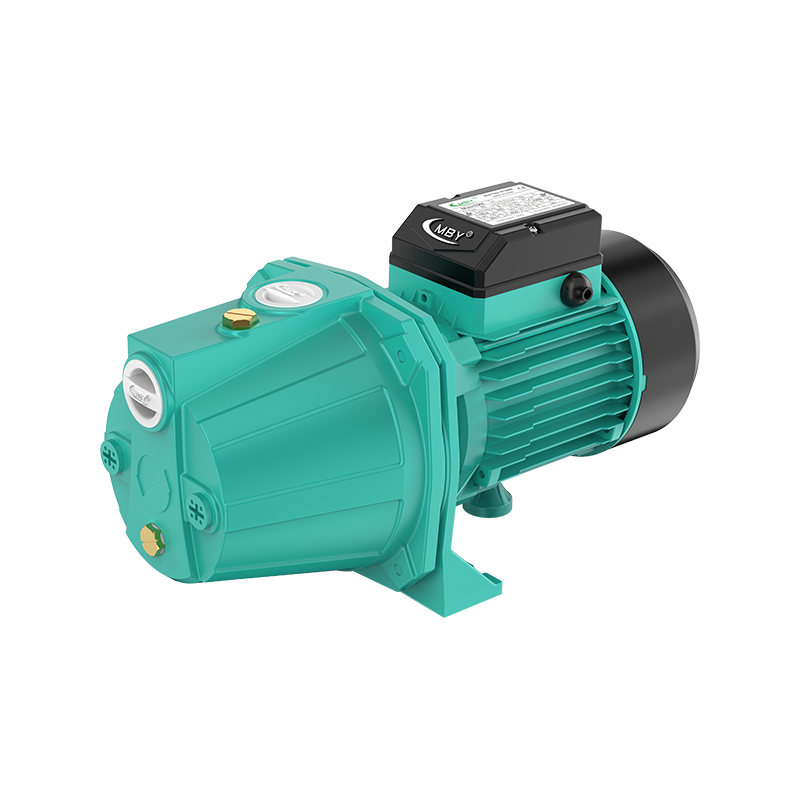
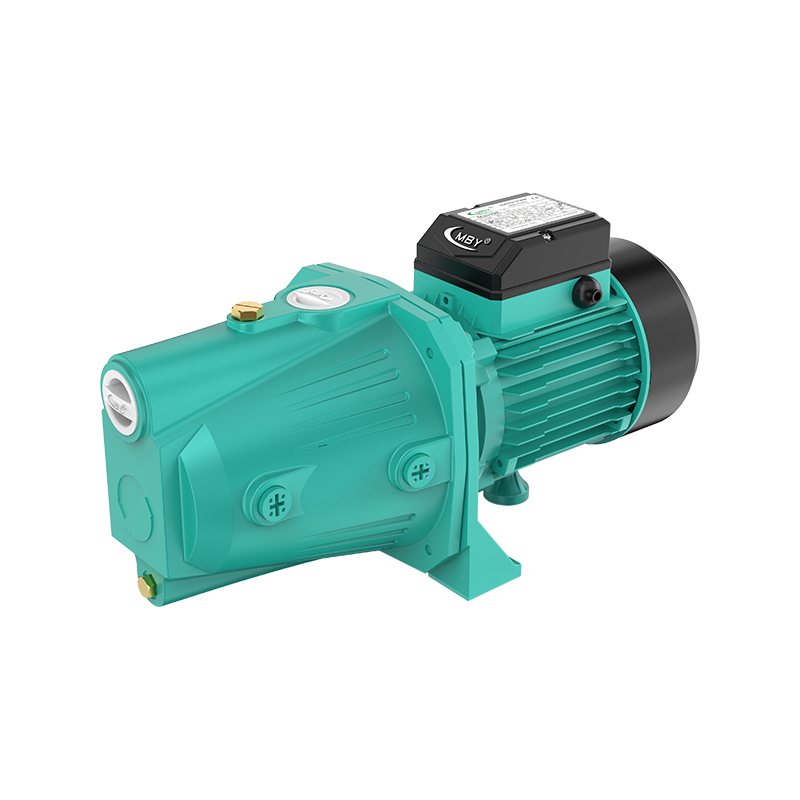
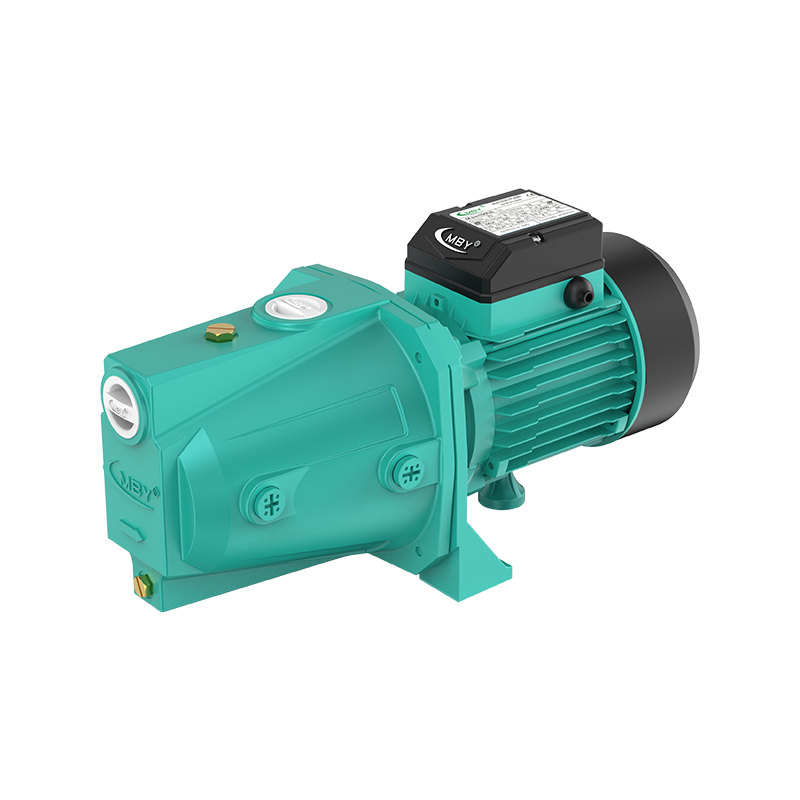
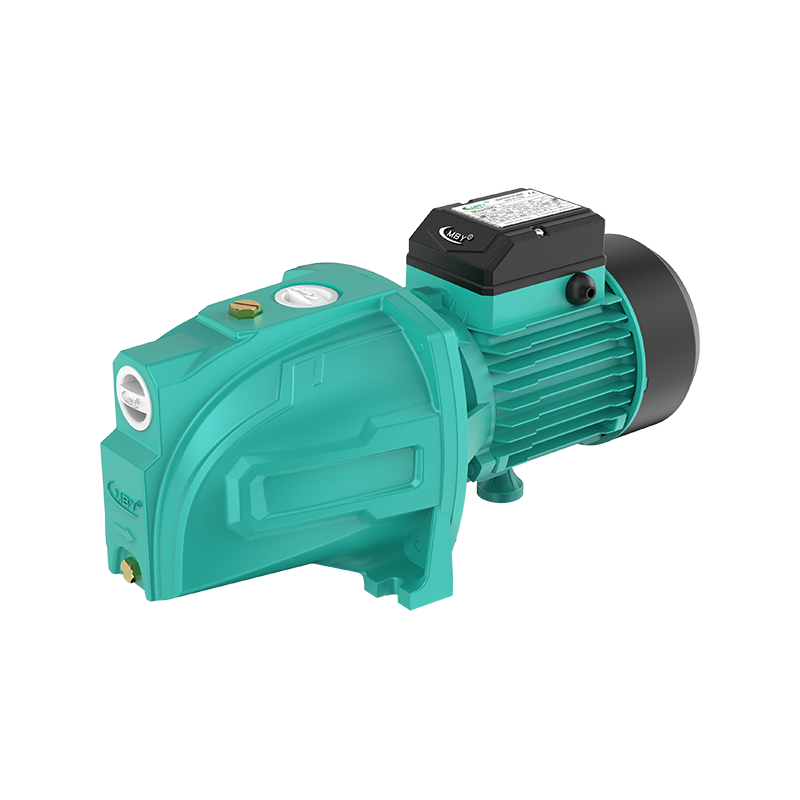
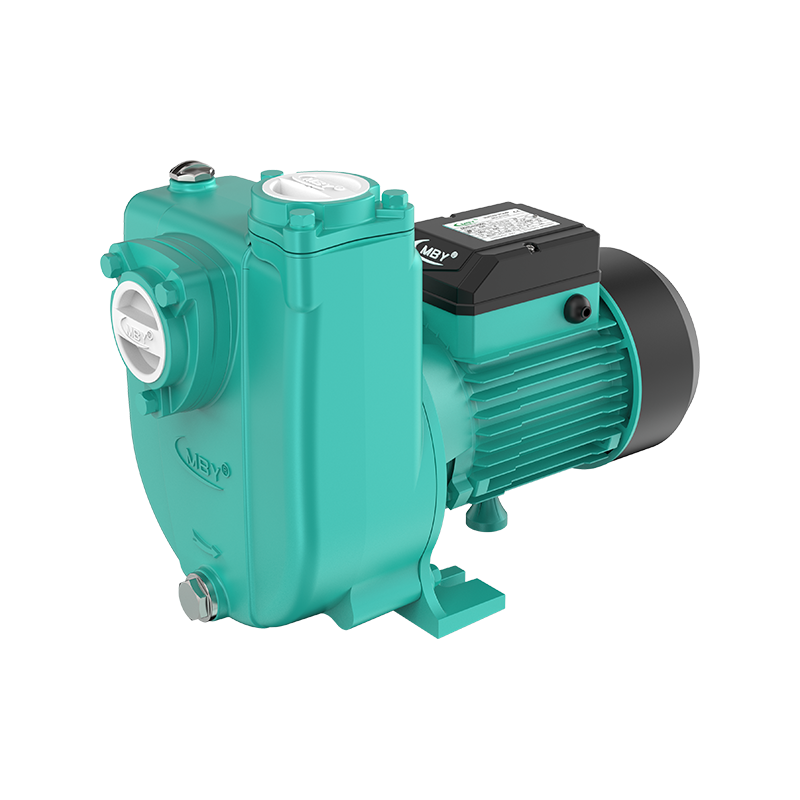
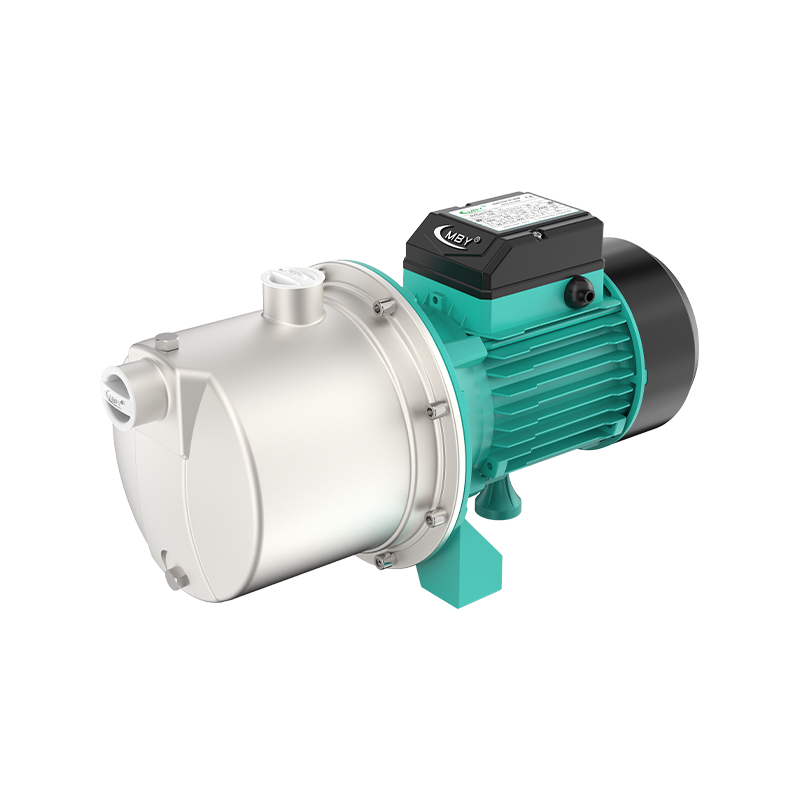
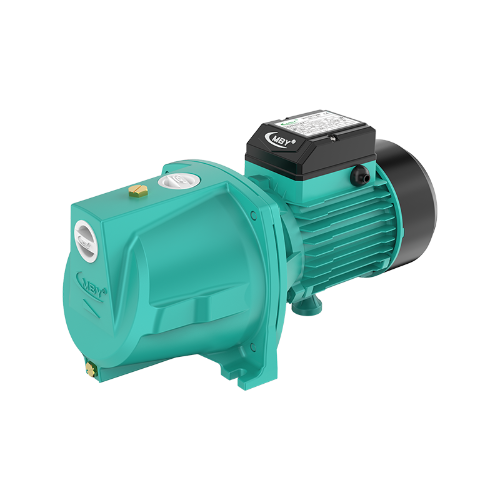
The self-priming jet water pump is an essential piece of equipment widely used across various industries and applications. Combining the features of a self-priming pump and a jet pump, this device plays a critical role in liquid conveyance for agricultural, industrial, and domestic purposes.
A self priming jet water pump is designed to deliver efficient performance in situations where water needs to be moved over a considerable distance or when the water source is located below the pump’s inlet. These pumps are highly valued for their ability to self-prime, meaning they can remove air from the pump casing and begin operation without needing external priming methods. This feature makes them versatile and convenient for a wide range of applications, from irrigation systems to domestic water supply.
Self-priming: Eliminates the need for manual priming before use.
Jet Pump Mechanism: Uses a high-speed water flow to generate suction.
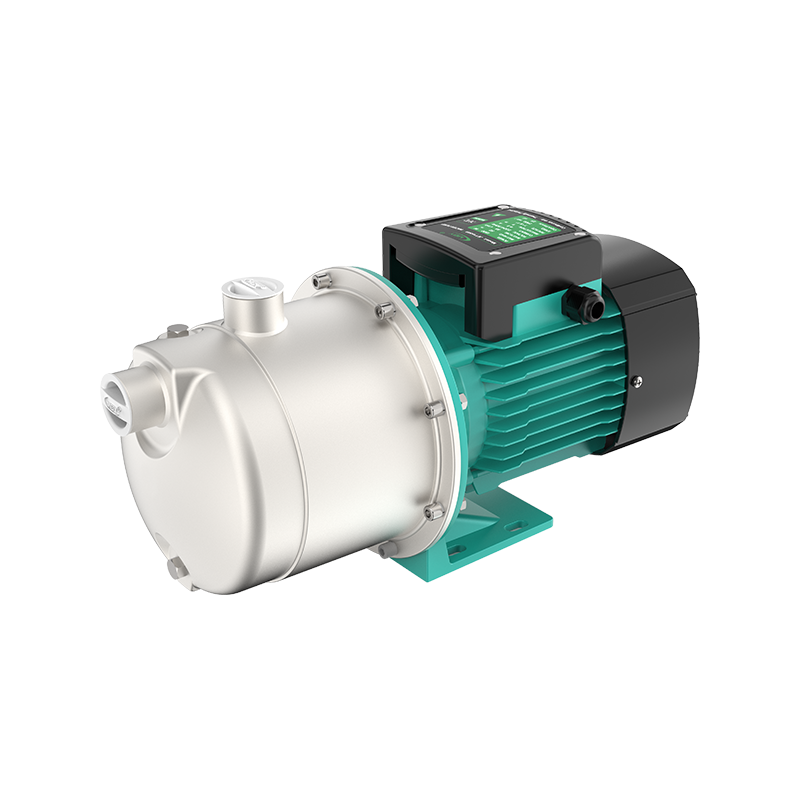
Durability: Available in various materials including self priming stainless steel jet water pumps, ensuring resistance to corrosion and high-pressure conditions.
The self-priming mechanism of the jet water pump is powered by the combination of a jet port and a suction port. The process begins when water enters the jet port at high velocity, creating a vacuum effect that draws the liquid into the pump’s static pressure chamber. The resulting negative pressure causes the external liquid to be sucked into the pump, which is then pressurized for transport.
Components of a Self-Priming Jet Water Pump:
| Component | Function |
|---|---|
| Pump Body | Houses all other components and directs water flow. |
| Water Injection Port | Allows water to enter the pump for pressurization. |
| Jet Port | Generates high-speed flow that creates a vacuum for suction. |
| Ejector | Transfers liquid from the suction port into the pressure chamber. |
| Suction Port | Draws water from the source into the pump. |
| Exhaust Port | Releases water from the pump to the desired location. |
| Motor | Drives the pump and generates the necessary flow. |
This combination of components ensures that the self priming jet water pump is effective in drawing water even from low liquid levels, making it a preferred option for environments such as ponds, streams, and other low-pressure areas.
There are various types of self priming jet water pumps designed to meet different operational needs:
Standard Self-Priming Jet Water Pumps:
These are commonly used for general water transfer tasks, especially where the water source is at a lower elevation than the pump.
Self-Priming Stainless Steel Jet Water Pumps:
Made of corrosion-resistant stainless steel, these pumps are suitable for environments where the liquid may contain aggressive elements, such as salty water or chemicals. The material offers enhanced durability and wear resistance.
High-Pressure Self-Priming Jet Water Pumps:
These pumps are designed for tasks requiring higher pressure, such as irrigation systems, industrial fluid transfer, or firefighting applications.
Each of these variants offers different benefits, such as increased durability, higher pressure, or improved performance in specific applications.
The self-priming jet water pump’s primary advantage is its ability to start pumping without needing manual priming. This feature is especially useful in applications where the water level fluctuates, or where the pump is placed in a position difficult to access for priming.
The simplicity of the pump’s design makes it easy to install, use, and maintain. Its straightforward operation is particularly beneficial for domestic users who require reliable, low-maintenance equipment.
One of the most notable benefits of the self priming jet water pump is its high suction range. This makes it ideal for low liquid-level applications, such as in ponds, shallow wells, or streams. The pump can draw water from sources where the liquid is several meters below the pump inlet.
Self-priming jet pumps, especially those made from materials like stainless steel, offer excellent wear resistance and long-lasting performance. Their ability to withstand various environmental factors ensures they can function well for extended periods with minimal maintenance.
These pumps are not limited to water alone but can convey a variety of liquids, including light oils and other fluids with low to medium viscosity. This versatility makes them suitable for a broad range of applications across different industries.
Despite their many advantages, self-priming jet pumps have certain limitations that need to be considered before use:
Relatively Low Flow Capacity: While these pumps are excellent for handling smaller volumes, they are not ideal for applications requiring the transport of large volumes of water. Their flow capacity is generally lower compared to other pump types.
Limited to Low Pressure: While they excel in generating suction, the pressure capabilities of self-priming jet pumps are often not as high as other pump types like centrifugal or diaphragm pumps. This makes them less suitable for applications requiring high-pressure water.
Self-priming jet pumps are widely used in a variety of sectors due to their versatility and reliability. Some common applications include:
Agriculture: For irrigation, particularly in areas with low water levels, such as ponds and small streams.
Domestic Water Supply: Providing water to households, especially in rural or suburban areas with fluctuating water levels.
Industry: Used in industrial applications for transferring water or light liquids in manufacturing or cleaning processes.
Swimming Pools: Helping maintain water circulation in pools, spas, and other recreational water systems.
Wastewater Management: In some cases, self-priming jet pumps can be used in wastewater treatment plants for transferring liquid waste.
When selecting a self-priming jet water pump, it is crucial to consider several factors to ensure that the pump meets the requirements of the intended application:
Flow Rate: Determine the amount of liquid that needs to be moved within a given time.
Pressure Requirements: Consider the pressure at which the liquid needs to be delivered.
Viscosity of the Fluid: For thicker liquids, a more robust pump may be required.
Material Compatibility: Ensure the materials of the pump are suitable for the liquid being transported, such as self priming stainless steel jet water pumps for corrosive or abrasive fluids.
Q1: What is the difference between a self-priming jet water pump and a standard water pump?
A self-priming jet water pump combines both the self-priming mechanism and jet pump functionality, enabling it to draw water from a lower level without manual priming. A standard water pump typically requires priming before it can operate.
Q2: Can a self-priming jet water pump handle thicker liquids?
While self priming jet water pumps are designed primarily for water and light liquids, some models can handle liquids with low to medium viscosity. However, they are not suited for highly viscous fluids unless specifically designed for such applications.
Q3: How long does a self-priming jet water pump last?
The lifespan of these pumps depends on the material used, such as stainless steel, and the conditions of use. Proper maintenance can extend the life of the pump for several years.
Q4: What are the key factors to consider when choosing a self-priming jet pump?
Key factors include the flow rate, pressure requirements, fluid viscosity, and material compatibility to ensure the pump can meet the specific needs of the application.
Q5: Are self-priming jet water pumps easy to maintain?
Yes, self-priming jet pumps are relatively easy to maintain due to their simple design. Regular cleaning and checking of components, such as the suction and exhaust ports, are usually sufficient to ensure optimal performance.
In conclusion, the self-priming jet water pump is a versatile and reliable solution for various fluid conveyance needs. With its easy installation, self-priming function, and ability to handle low liquid levels, it serves a wide range of applications in agriculture, industry, and domestic water supply. By selecting the appropriate model for your specific requirements, you can ensure optimal performance and long-term durability.
Hot News
 Oil Immersed Submersible Electric Pump: Working Principles, Applications, and Future Trends
Sep 04, 2025
 Global Pipeline Centrifugal Pump Industry Update: High-Efficiency Double Suction and Magnetic Drive Technologies Leading the Industrial Water Treatment Revolution
Sep 04, 2025
 Complete Guide to Household Water Pumps: From Selection, Installation to Maintenance, Your Home's 'Water Butler'
Sep 04, 2025
 Can the intelligent automatic self-priming vortex water pump lead a new era in water management?
Sep 04, 2025
Get In Touch

Address 1:
No. 4 Taoyuan Road, Taozhou Town, Guangde City, Xuancheng City, Anhui Province, China
Address 2:
Daxi Town, Wenling City, Taizhou City, Zhejiang Province, China Pump Industry Intelligent Manufacturing Town