

 English
 русский
 Español
 Português
 عربى
عربى
 Türk
Türk








+86 18395326713
Dec 25, 2025
In recent years, energy efficiency has become a critical factor in household appliances, and household water pumps are no exception. These devices play a vital role in ensuring a reliable water supply for domestic use, irrigation, and various household applications. With growing concerns over rising energy costs and water scarcity, energy-efficient household water pumps have emerged as a practical solution for homeowners seeking to reduce both electricity bills and water waste.
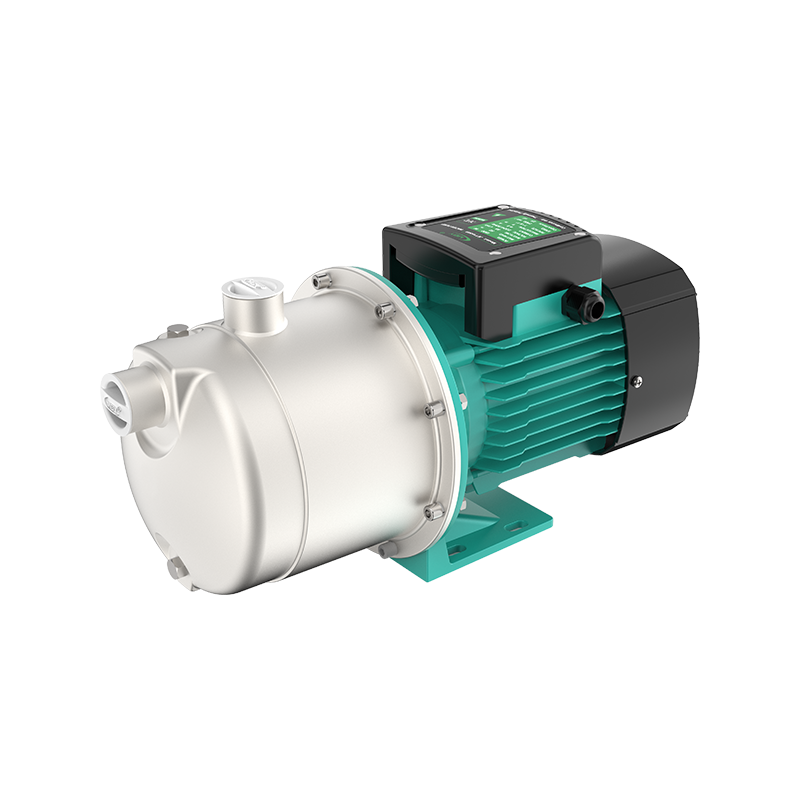
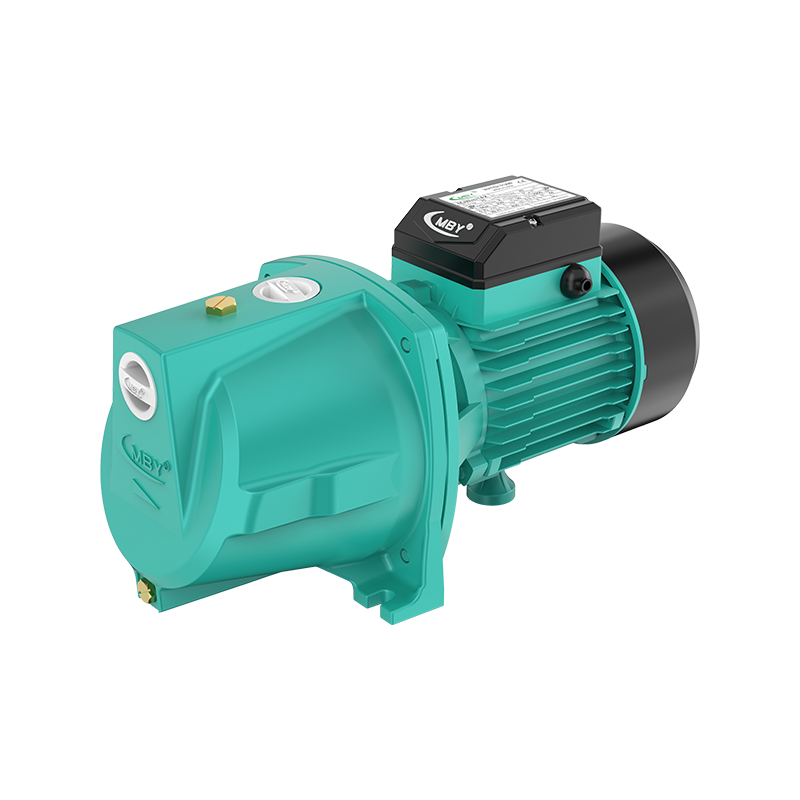
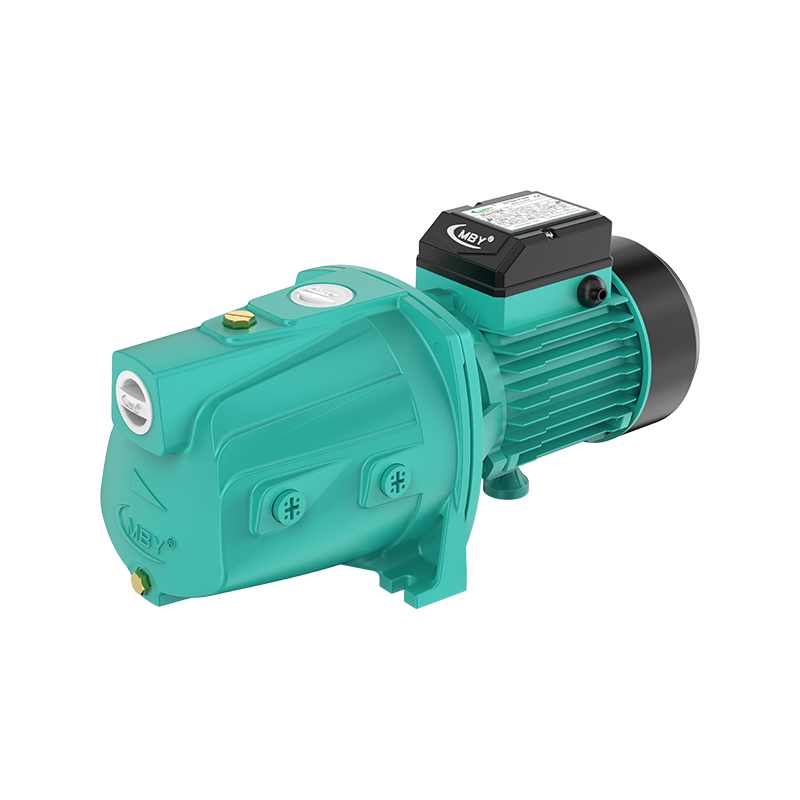
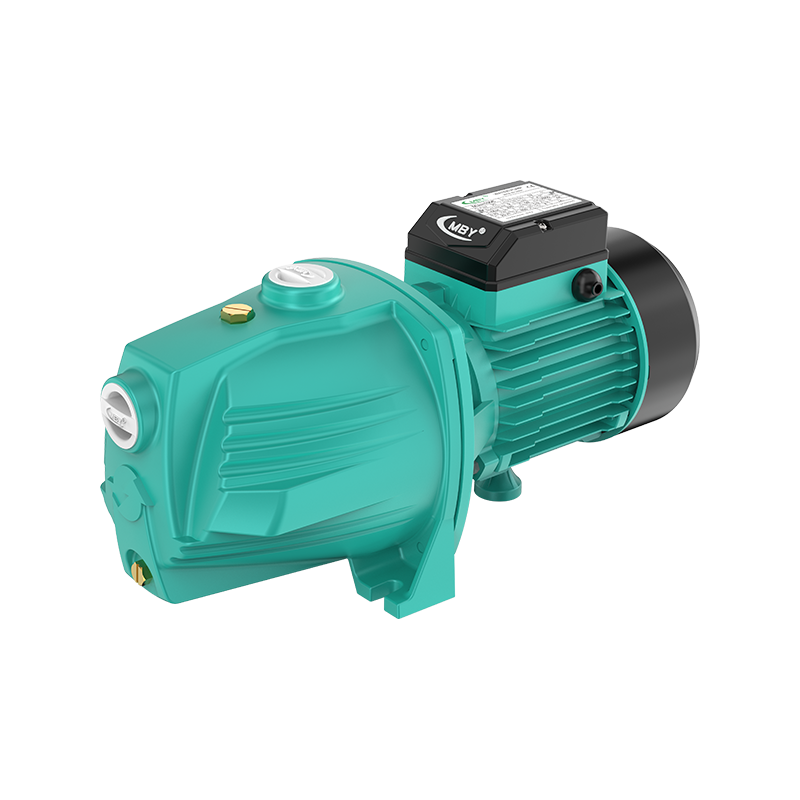
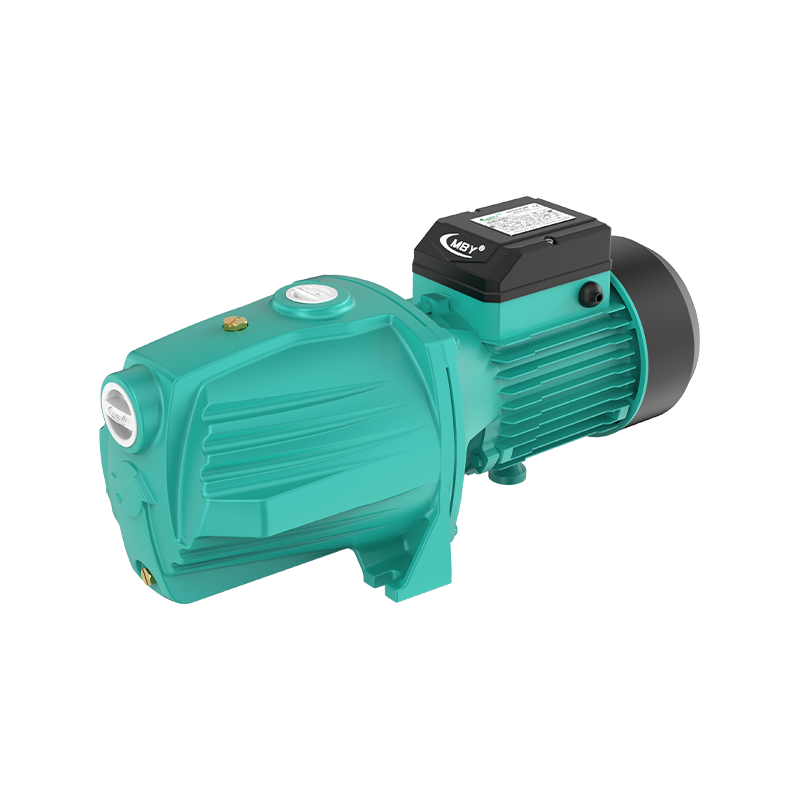
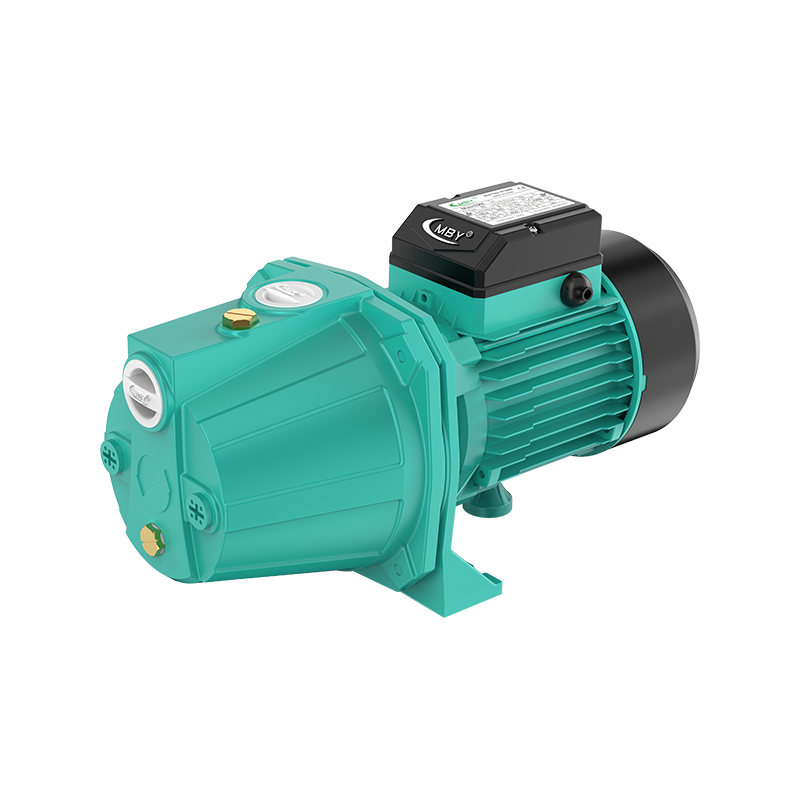
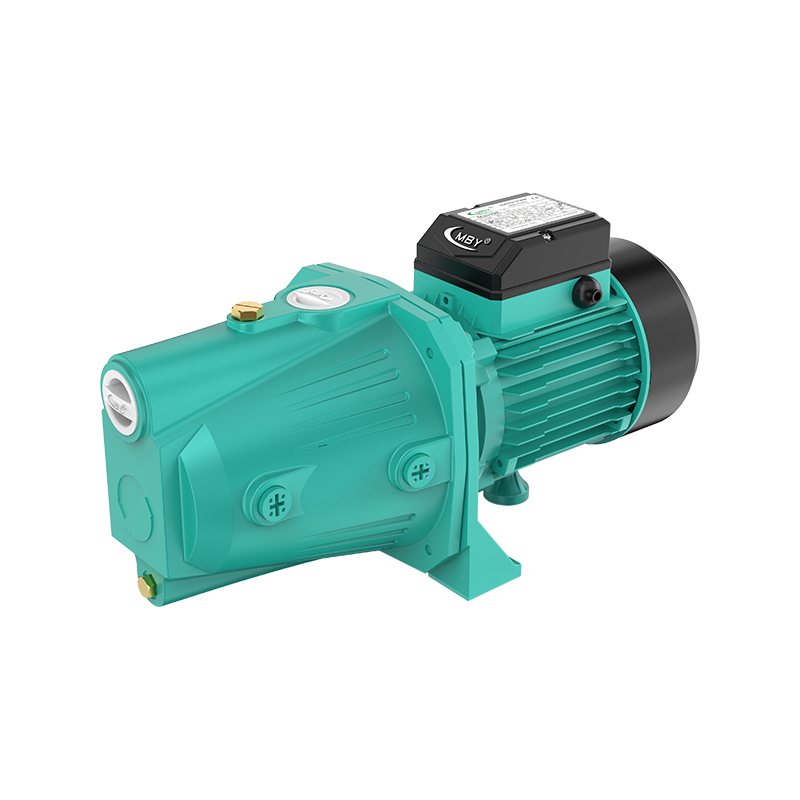
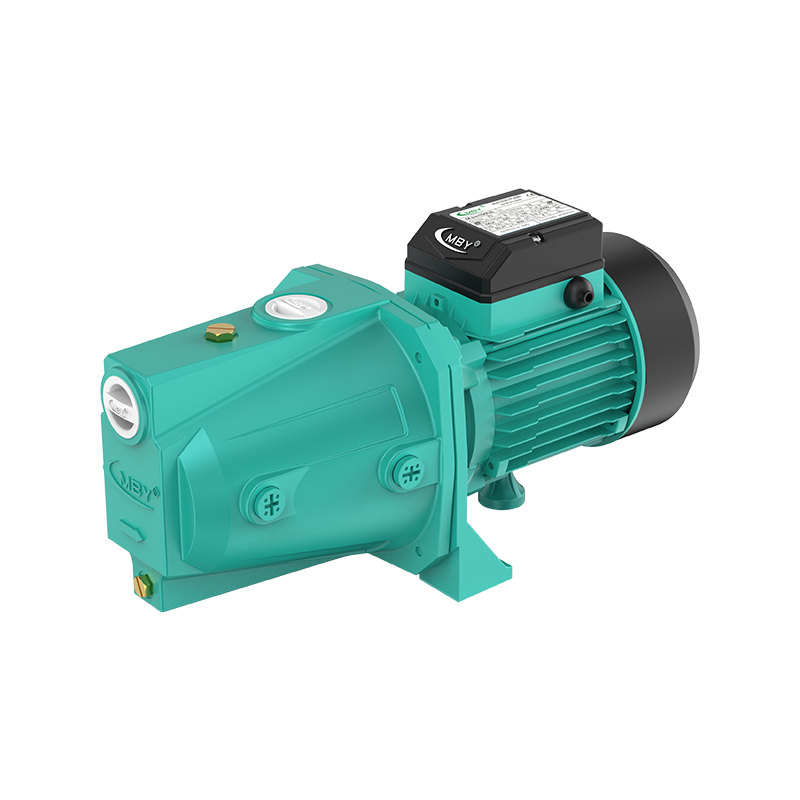
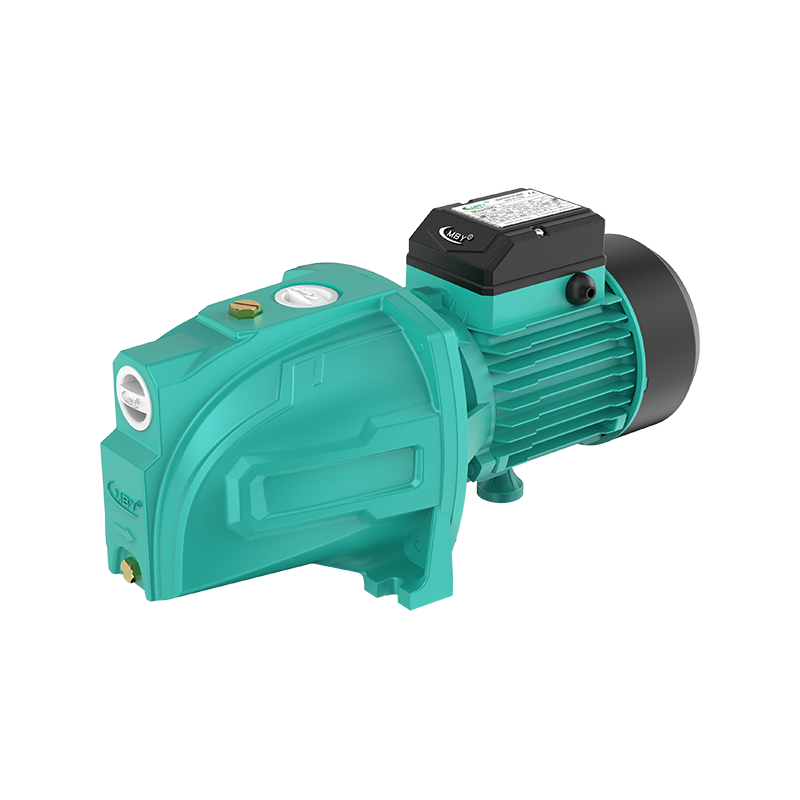
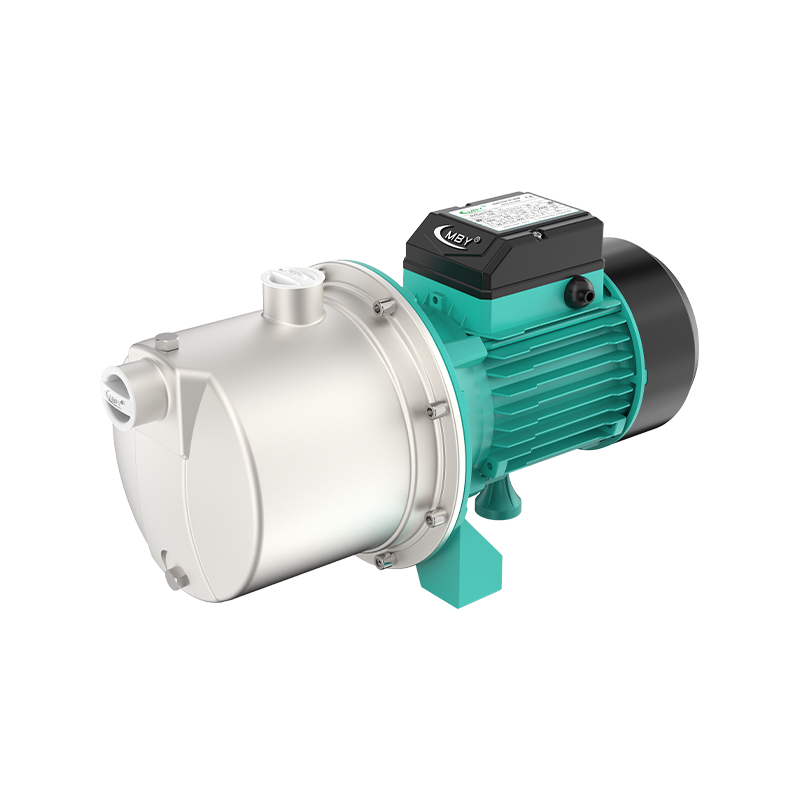
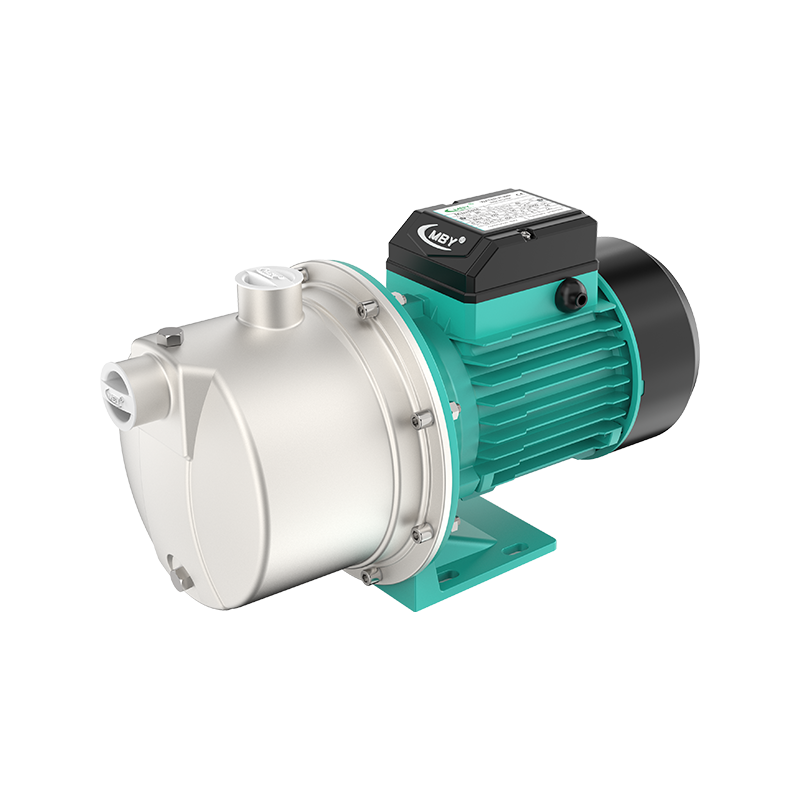
Household water pumps come in various types, each designed to meet specific water demand needs. Among them, the self-priming jet pump has gained popularity due to its unique ability to automatically prime itself, simplifying installation and maintenance. These pumps are engineered to provide steady water pressure, reduce energy consumption, and extend operational life, making them a sustainable choice for modern households.
Water pumps are typically one of the most energy-intensive devices in a home. Inefficient pumps not only increase electricity consumption but also contribute to water wastage, as inconsistent pressure can lead to leaks and overflows. Energy-efficient household water pumps help mitigate these issues by:
Maintaining consistent water pressure
Reducing motor workload
Minimizing wear and tear through optimized operation
Lowering electricity consumption without compromising performance
In addition, homeowners increasingly seek solutions that align with environmental sustainability goals. High-efficiency pumps allow for a dual benefit: cost savings and reduced ecological impact.
Modern household water pumps are designed with technological advancements that enhance both performance and efficiency. Some of the key features include:
| Feature | Description |
|---|---|
| Self-priming capability | Allows the pump to automatically remove air from the system, enabling smooth start-up without manual priming |
| High-efficiency motors | Reduces energy consumption while maintaining consistent water output |
| Corrosion-resistant materials | Extends the lifespan of pumps, especially in areas with hard or chemically treated water |
| Adjustable flow control | Provides flexibility to match water pressure requirements for various applications |
| Compact design | Facilitates easy installation in small household spaces |
Among these, the self-priming jet pump stands out for its convenience and reliability. By eliminating the need for manual priming, it reduces maintenance time and the risk of damage due to dry running.
Investing in energy-efficient household water pumps provides multiple advantages for homeowners:
Cost Savings
Energy-efficient pumps consume less electricity, translating directly into lower utility bills. While the initial investment may be higher than standard pumps, the return on investment is realized within a few years through reduced operating costs.
Water Conservation
Improved pump efficiency ensures stable water flow, minimizing leaks and excessive water usage. This is particularly valuable in regions facing water scarcity.
Reliability and Longevity
Advanced pumps are designed to handle varying water demands without overworking the motor. Reduced wear and tear extends the operational life, decreasing the frequency of replacements.
Ease of Installation and Maintenance
Self-priming features and compact designs simplify installation in residential settings. Routine maintenance is also easier and faster, reducing downtime.
Environmental Benefits
Lower energy consumption directly reduces carbon emissions, contributing to environmental sustainability initiatives.
When selecting a household water pump, homeowners should consider several technical aspects to ensure optimal performance:
| Parameter | Importance |
|---|---|
| Flow rate | Determines how much water the pump can deliver per minute; essential for household size and water usage patterns |
| Head height | The vertical distance the pump can raise water; crucial for multi-story buildings or uphill water supply |
| Motor power | Directly affects energy consumption and the pump’s ability to maintain consistent pressure |
| Noise level | Important for residential areas where quiet operation is preferred |
| Material quality | Affects durability and resistance to corrosion or chemical damage |
Understanding these parameters allows homeowners to match the right pump type with their specific needs, ensuring efficiency and reliability.
Household water pumps manufacturers play a critical role in driving innovation and setting industry standards. By investing in research and development, manufacturers optimize pump design to balance high performance with energy efficiency. Collaboration between manufacturers and engineers ensures that pumps meet regulatory standards for electricity consumption and water management, providing safe and reliable solutions for consumers.
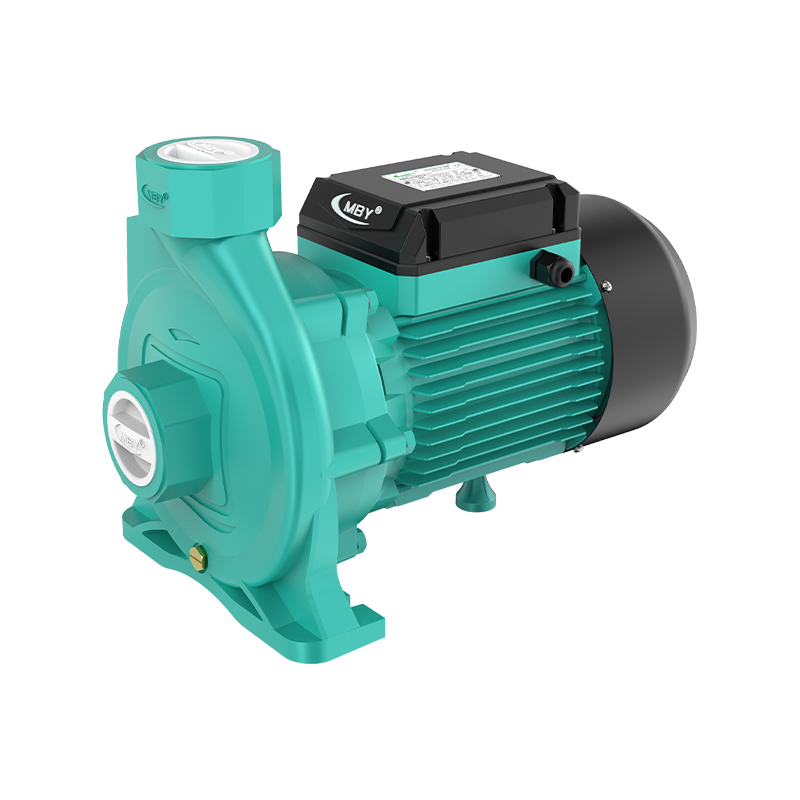
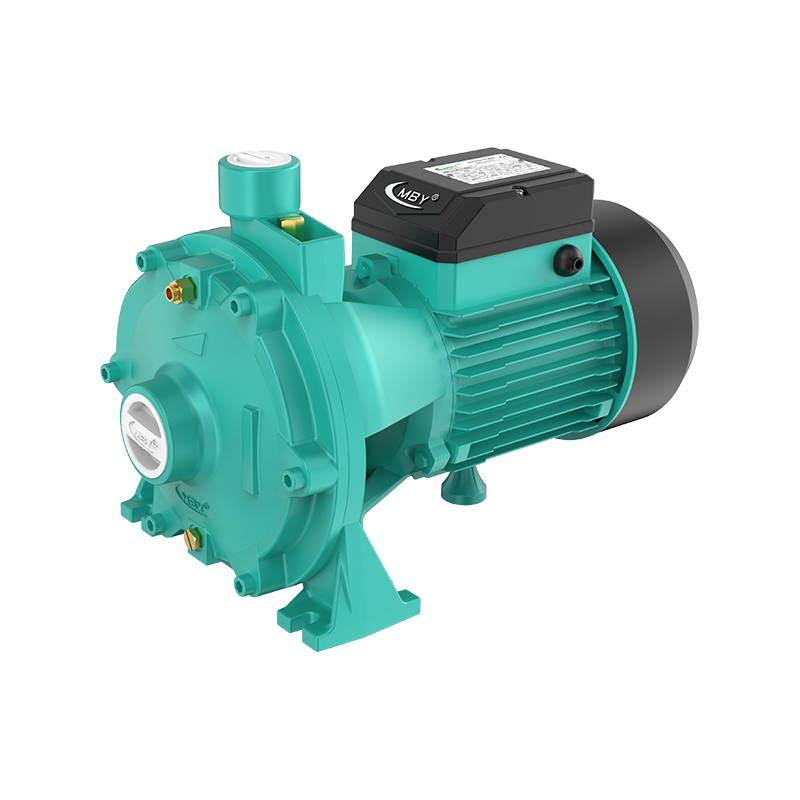
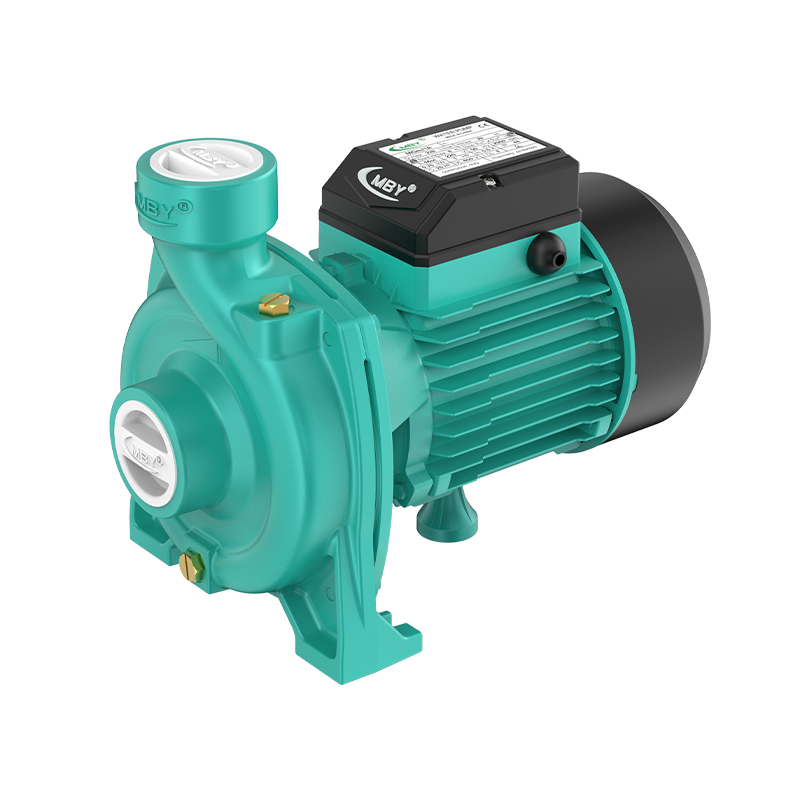
Manufacturers focus on producing a range of products, from self-priming jet pumps to high-capacity centrifugal pumps, catering to diverse domestic requirements. High-quality production techniques and rigorous quality control measures also help reduce product failures and extend service life.
The household water pump industry is experiencing several trends that influence both product development and consumer behavior:
Smart Pumps
Integration of IoT and smart controls enables homeowners to monitor pump performance, detect leaks, and adjust settings remotely.
Eco-Friendly Materials
Manufacturers increasingly use recyclable and corrosion-resistant materials, promoting sustainability and durability.
Energy Efficiency Regulations
Governments worldwide are setting efficiency standards for household pumps, pushing manufacturers to innovate and reduce energy consumption.
Modular and Compact Designs
Space-saving designs allow for flexible installation in modern homes, where utility spaces are limited.
Increased Consumer Awareness
Homeowners are becoming more knowledgeable about energy consumption and water conservation, driving demand for efficient pumps.
Proper installation and maintenance are crucial to maximizing the efficiency and longevity of household water pumps:
Installation: Ensure proper placement of the pump with minimal pipe bends and correct elevation to optimize flow and reduce motor load.
Priming: Even self-priming pumps require initial priming in some cases; follow the manufacturer’s instructions carefully.
Routine Checks: Regularly inspect for leaks, clean filters, and check electrical connections to prevent issues.
Winterization: In colder climates, drain the pump and pipes to prevent freezing damage.
Professional Service: Engage certified technicians for complex maintenance or troubleshooting.
Adhering to these guidelines ensures that energy-efficient pumps continue to operate at peak performance.
| Pump Type | Application | Advantages | Limitations |
|---|---|---|---|
| Self-priming jet pump | Residential water supply | Easy installation, automatic priming, reliable pressure | May be less suitable for very high flow applications |
| Centrifugal pump | High-volume domestic or garden irrigation | High flow capacity, consistent pressure | Requires proper priming, larger footprint |
| Submersible pump | Wells or underground water sources | Quiet, no priming needed, space-saving | Higher initial cost, maintenance can be more complex |
| Booster pump | Pressure enhancement in multi-story homes | Stabilizes pressure, improves flow | Limited to boosting existing supply, not for suction |
Each pump type has its specific niche, and selecting the correct model depends on household water requirements and space availability.
Q1: What is the main benefit of using energy-efficient household water pumps?
Energy-efficient pumps reduce electricity consumption, lower water wastage, and provide reliable water pressure, leading to both cost savings and environmental benefits.
Q2: How does a self-priming jet pump work?
A self-priming jet pump automatically removes air from the suction line, allowing the pump to start without manual priming, ensuring consistent water flow.
Q3: Can energy-efficient pumps be used for multi-story homes?
Yes, many energy-efficient pumps are designed to handle varying head heights and flow rates, making them suitable for multi-story water supply.
Q4: What maintenance is required for household water pumps?
Regular checks for leaks, cleaning filters, monitoring motor performance, and following manufacturer guidelines are essential for maintaining pump efficiency.
Hot News
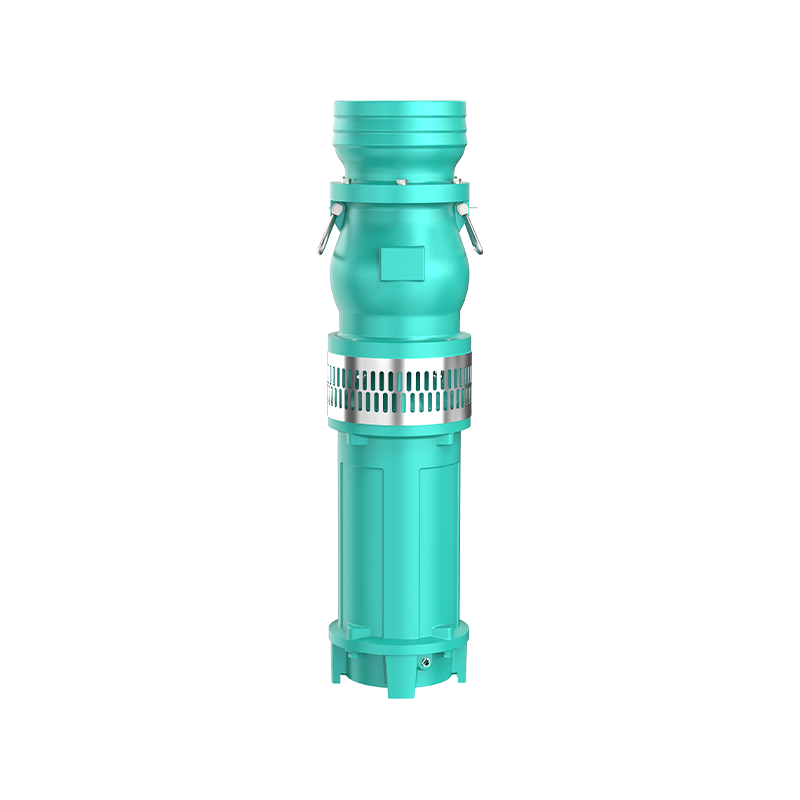 Oil Immersed Submersible Electric Pump: Working Principles, Applications, and Future Trends
Sep 04, 2025
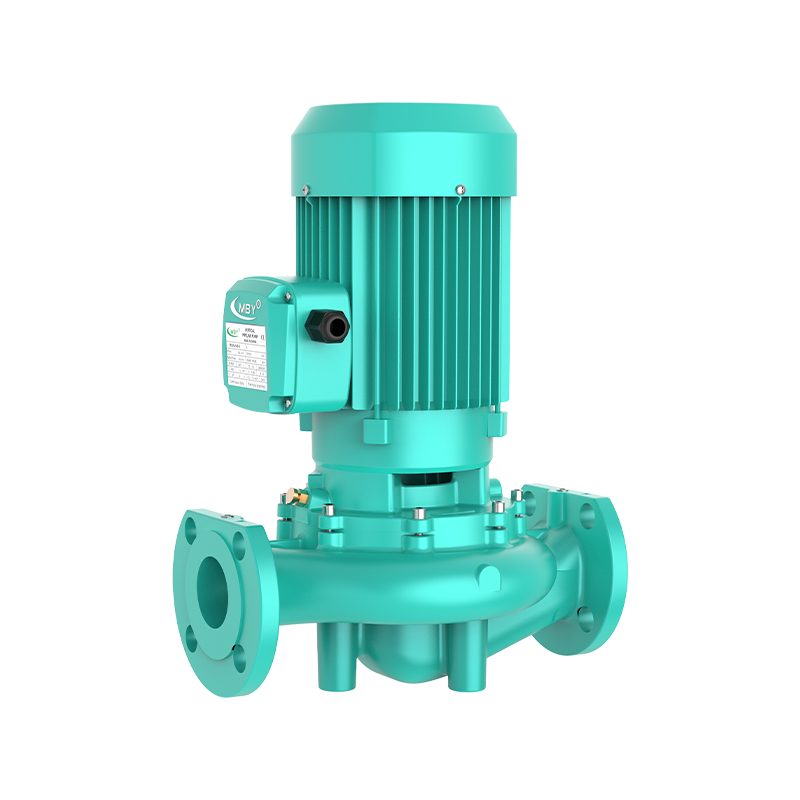 Global Pipeline Centrifugal Pump Industry Update: High-Efficiency Double Suction and Magnetic Drive Technologies Leading the Industrial Water Treatment Revolution
Sep 04, 2025
 Complete Guide to Household Water Pumps: From Selection, Installation to Maintenance, Your Home's 'Water Butler'
Sep 04, 2025
 Can the intelligent automatic self-priming vortex water pump lead a new era in water management?
Sep 04, 2025
Get In Touch

Address 1:
No. 4 Taoyuan Road, Taozhou Town, Guangde City, Xuancheng City, Anhui Province, China
Address 2:
Daxi Town, Wenling City, Taizhou City, Zhejiang Province, China Pump Industry Intelligent Manufacturing Town