
 English
 русский
 Español
 Português
 عربى
عربى
 Türk
Türk








+86 18395326713
Jan 01, 2026
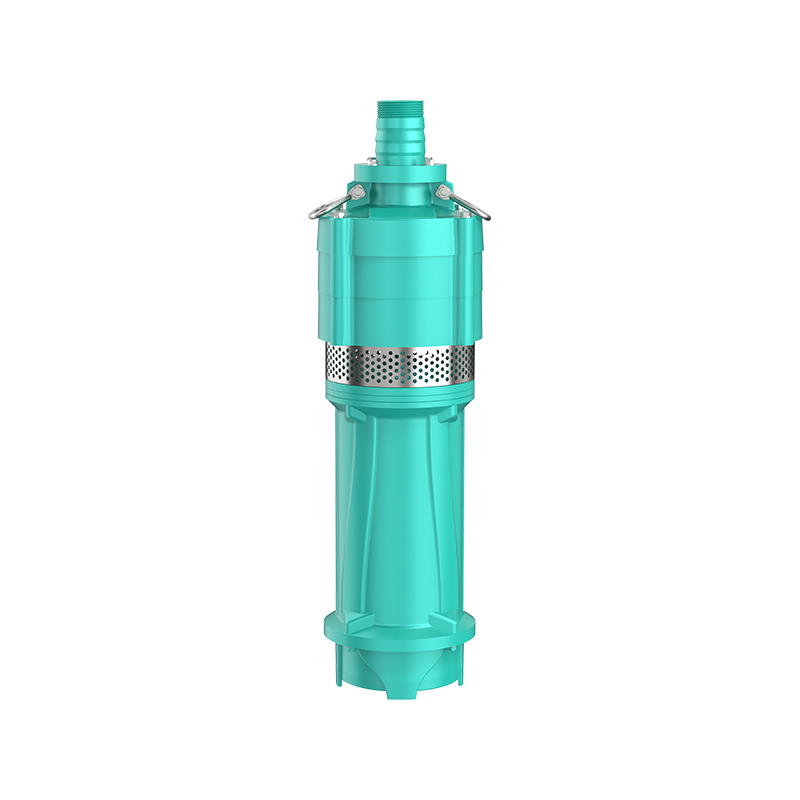
Submersible water pumps are essential devices used for pumping liquids from one place to another, particularly in situations where the pump needs to be fully submerged in the liquid. These pumps are designed to function while immersed, making them ideal for applications in water extraction, drainage, and dewatering systems.
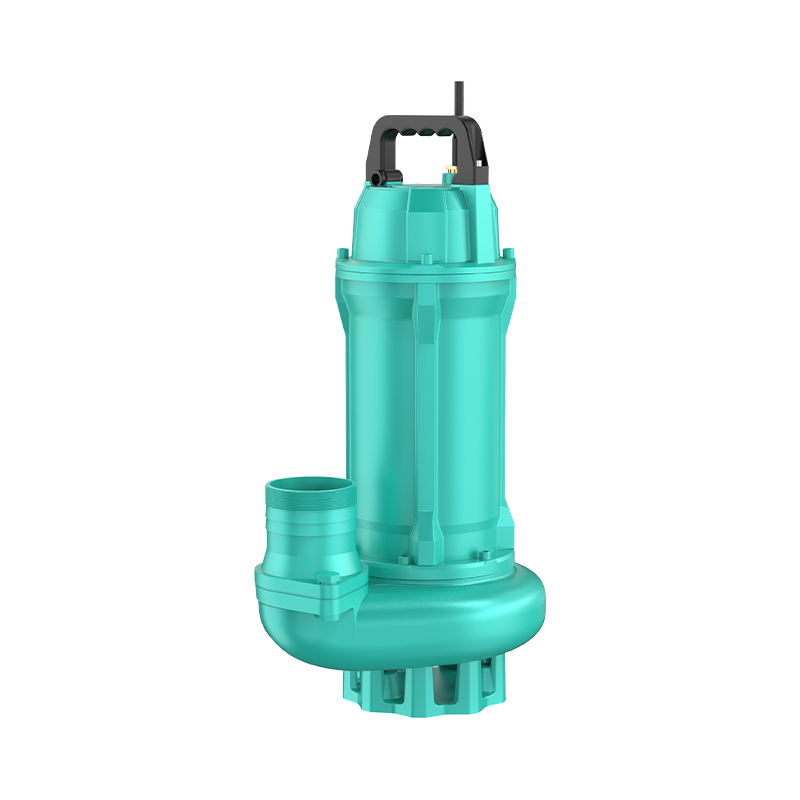
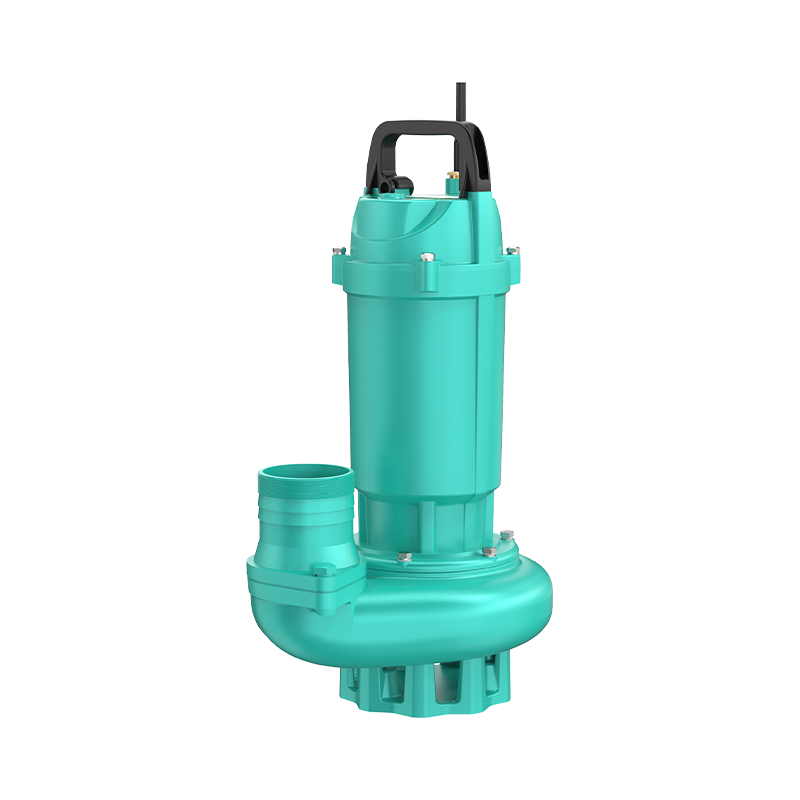
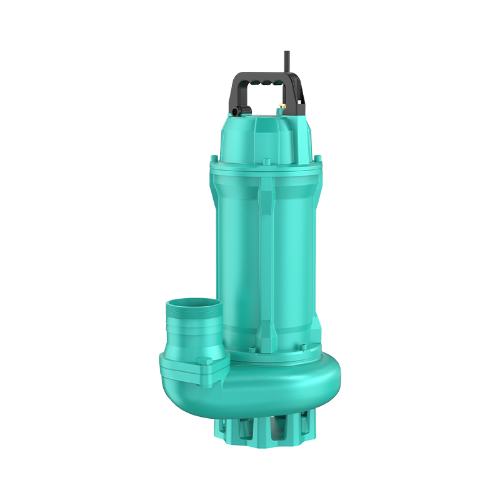
Submersible water pumps, as the name suggests, are pumps designed to operate underwater. Unlike traditional pumps, which draw water from above, submersible pumps are placed directly into the water and push the water to the surface. The motor and the pump unit are both housed inside a waterproof casing to prevent any electrical hazards or damage. These pumps come in various shapes and sizes, designed to meet specific needs based on the water flow rate, depth, and the type of liquid being pumped.
Submersible water pumps consist of several integral components that allow them to function efficiently underwater:
Motor: The motor powers the pump and is usually designed to be hermetically sealed to prevent water ingress.
Pump Impeller: The impeller is responsible for moving the water through the pump.
Pump Casing: This outer housing protects the pump components and ensures that the pump can withstand underwater conditions.
Suction and Discharge Ports: These allow for the intake and output of water, respectively.
Seals and Gaskets: These are crucial for preventing water from leaking into the motor and causing potential electrical hazards.
Submersible pumps work by pushing water to the surface rather than pulling it. The motor spins an impeller, which creates centrifugal force. This force pushes the water through the pump casing and out through the discharge port. The entire system is sealed to prevent water from entering the motor and other sensitive components, ensuring that the pump continues to work safely and efficiently.
The key advantage of submersible water pumps lies in their ability to function while fully submerged, which helps in reducing the risk of airlock and cavitation (conditions where the pump may lose efficiency or stop working). By operating beneath the water’s surface, these pumps do not require priming and are capable of working in deep water sources or high-pressure environments.
There are several types of submersible water pumps, each designed for specific applications:
Clean Water Submersible Pumps: These are designed for pumping clear water, such as in irrigation or drainage systems.
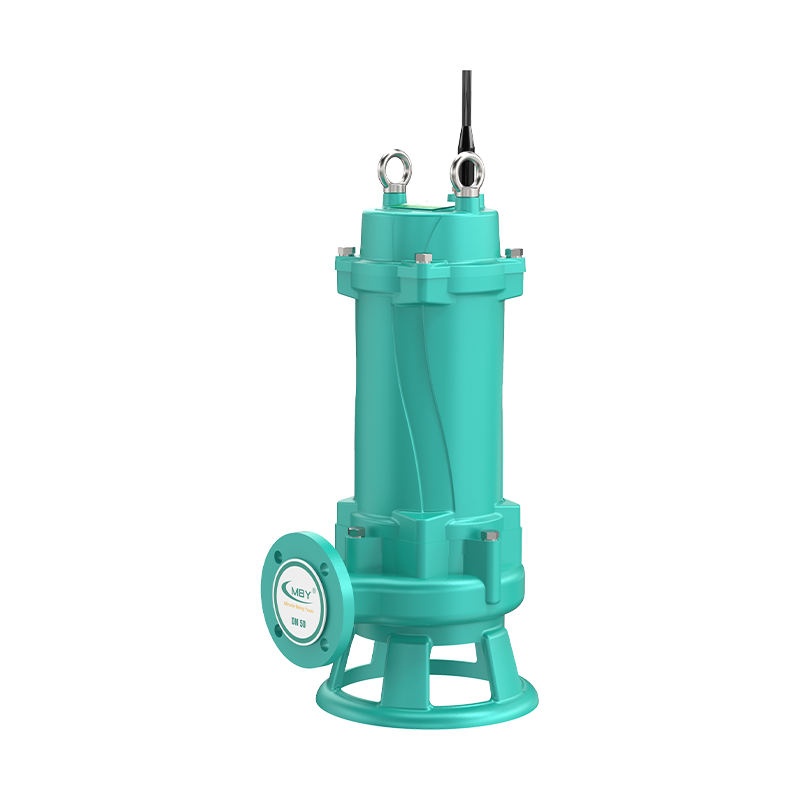
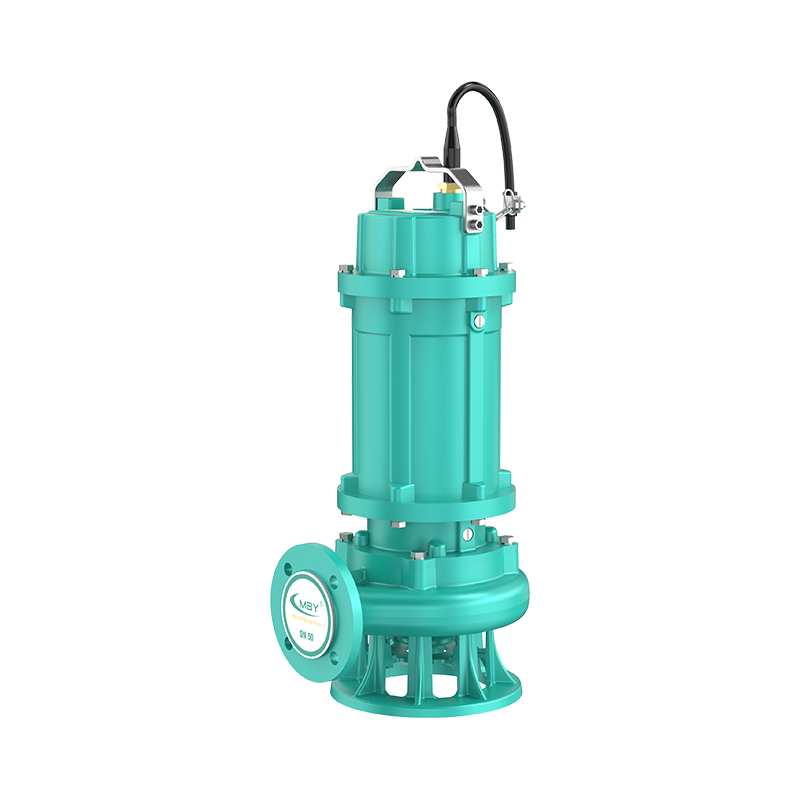
Sewage Submersible Pumps: Used for handling wastewater and sewage, these pumps are built with a rugged design to cope with solid waste and debris.
Chemical Submersible Pumps: These are built to handle aggressive liquids, including chemicals, oils, and acids.
High-Pressure Submersible Pumps: These are used in applications where high water pressure is required, such as in deep wells or for heavy-duty dewatering.
Submersible water pumps are versatile tools and find use in various industries. Some of the most common applications include:
Sewage and Wastewater Management: Submersible pumps are used in sewage treatment plants to remove waste and sludge.
Flood Control and Dewatering: In flood-prone areas or during construction projects, these pumps help drain water from basements or construction sites.
Water Wells: Submersible pumps are used for pumping water from deep wells to provide clean water for households or agricultural needs.
Aquarium and Fountain Pumps: Smaller submersible pumps are commonly used in home aquariums and decorative fountains.
Mining Operations: In mining, submersible pumps help remove water that accumulates in mines, ensuring the safety and continued operation of the mine.
Submersible water pumps offer numerous benefits that make them a preferred choice in many water pumping applications:
Efficiency: These pumps are efficient at moving water, especially in deep wells or when high pressures are required.
No Priming Needed: Submersible pumps do not require priming as they are designed to be submerged in the liquid they pump, which reduces setup time.
Quiet Operation: Since the motor and pump are submerged, the noise level is typically lower than that of traditional pumps.
Space-Saving: Their compact size and design make submersible pumps ideal for applications with limited space.
Safety: The hermetically sealed design of submersible pumps ensures that the risk of electrical hazards is minimized.
Selecting the right submersible water pump is crucial for ensuring optimal performance and longevity. Here are some factors to consider when choosing a pump:
Flow Rate: The flow rate determines how much water the pump can move per unit of time. Depending on the application, you may require a high or low flow rate.
Head Height: The total height from the pump to the discharge point. The higher the head height, the more power the pump needs.
Pump Size and Capacity: Larger pumps are needed for applications requiring high flow rates, while smaller pumps are ideal for domestic or light-duty use.
Power Requirements: Ensure the pump’s power rating matches the required output for your application.
Material Compatibility: Consider the type of liquid being pumped. Submersible pumps can be made from various materials, including stainless steel or thermoplastic, to withstand different chemical compositions.
Regular maintenance is essential to ensure the longevity and optimal functioning of submersible water pumps. Some maintenance tips include:
Clean the Pump Regularly: Debris and contaminants can clog the pump and impair its performance. Regular cleaning will keep the pump working efficiently.
Inspect Seals and Gaskets: Check the seals and gaskets for wear and tear to prevent water from entering the motor.
Lubricate Moving Parts: Regular lubrication of the impeller and motor components can reduce friction and wear, ensuring smooth operation.
Check for Overheating: Make sure the pump is not overheating by ensuring proper ventilation and operating conditions.
Submersible water pumps are a versatile and reliable solution for a wide range of water pumping needs. Their ability to operate while fully submerged makes them ideal for various industries, including sewage treatment, construction, and agricultural applications. By understanding the key components, types, and benefits of submersible pumps, users can make informed decisions when selecting the right pump for their specific needs.
Q1: How do submersible water pumps differ from centrifugal pumps?
Submersible pumps are designed to be submerged in water and push water to the surface, whereas centrifugal pumps are placed above the water and use suction to draw water up.
Q2: Can submersible water pumps handle dirty or sewage water?
Yes, sewage submersible pumps are specifically designed to handle dirty water and even solid debris, making them ideal for wastewater and sewage management.
Q3: What is the maximum depth at which a submersible water pump can operate?
The maximum depth depends on the specific pump model. Some pumps are designed for deep well applications, reaching depths of over 100 meters.
Q4: How long do submersible water pumps last?
With proper maintenance, submersible pumps can last for many years, typically ranging from 5 to 15 years depending on usage and the type of water they handle.
Q5: Are submersible water pumps energy-efficient?
Submersible water pumps are generally energy-efficient because they do not require priming and can operate without airlocks, which reduces the energy consumption compared to other types of pumps.
Hot News
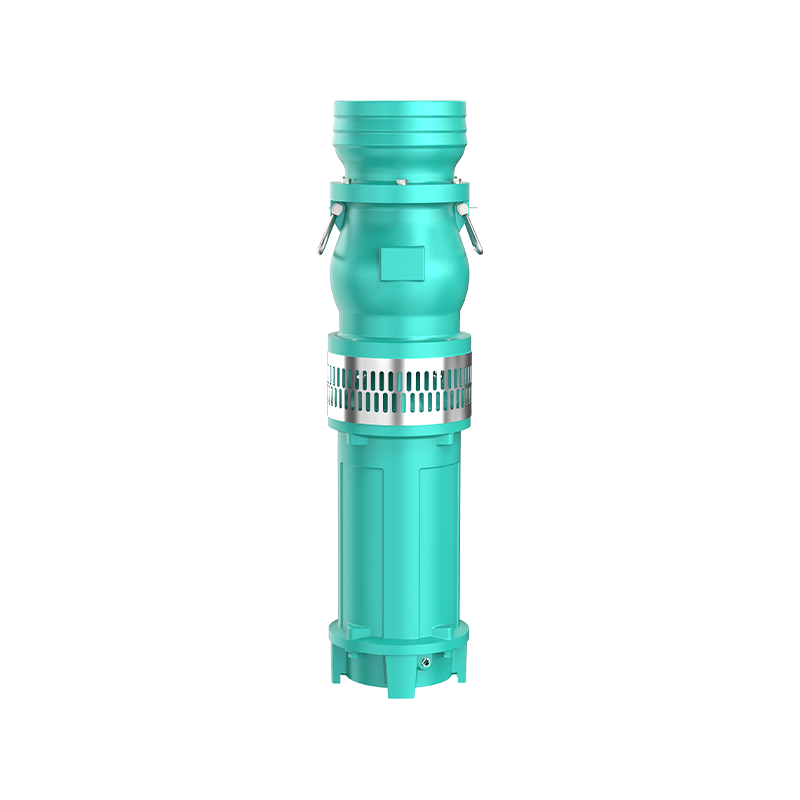 Oil Immersed Submersible Electric Pump: Working Principles, Applications, and Future Trends
Sep 04, 2025
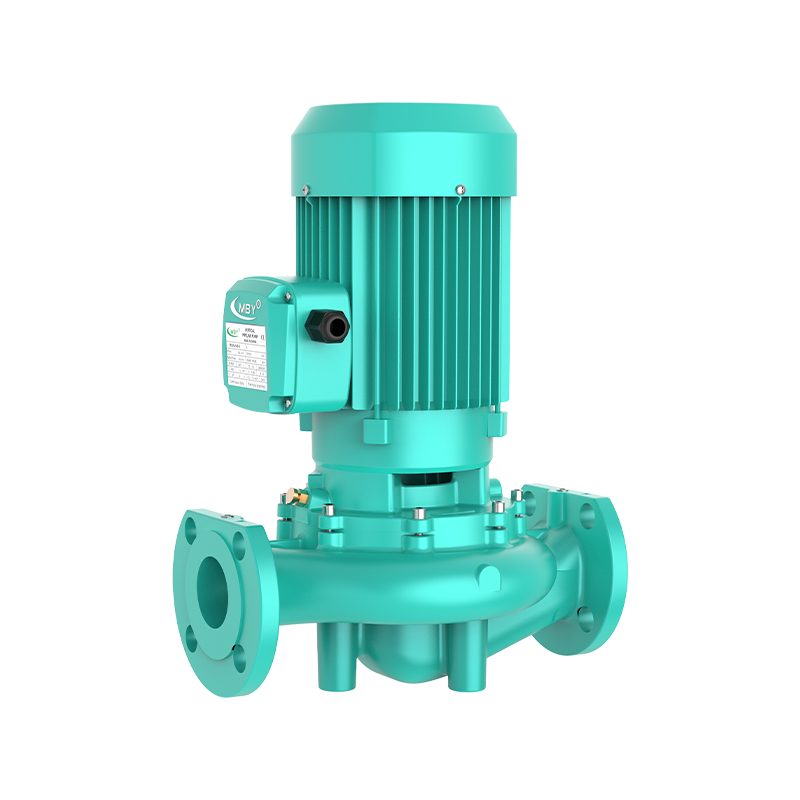 Global Pipeline Centrifugal Pump Industry Update: High-Efficiency Double Suction and Magnetic Drive Technologies Leading the Industrial Water Treatment Revolution
Sep 04, 2025
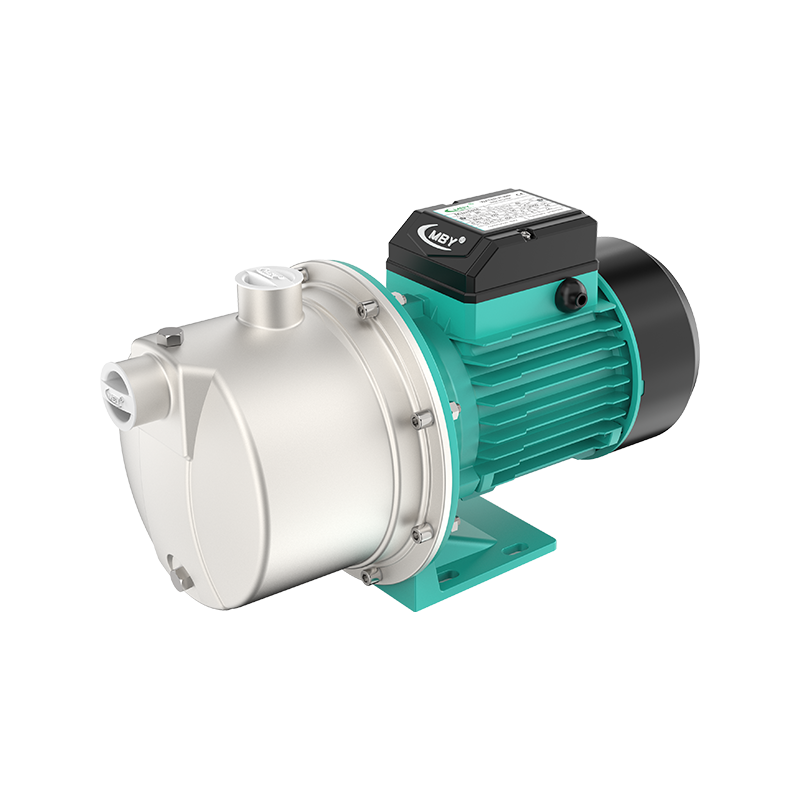 Complete Guide to Household Water Pumps: From Selection, Installation to Maintenance, Your Home's 'Water Butler'
Sep 04, 2025
 Can the intelligent automatic self-priming vortex water pump lead a new era in water management?
Sep 04, 2025
Get In Touch

Address 1:
No. 4 Taoyuan Road, Taozhou Town, Guangde City, Xuancheng City, Anhui Province, China
Address 2:
Daxi Town, Wenling City, Taizhou City, Zhejiang Province, China Pump Industry Intelligent Manufacturing Town