
 English
 русский
 Español
 Português
 عربى
عربى
 Türk
Türk








+86 18395326713
Jul 03, 2026
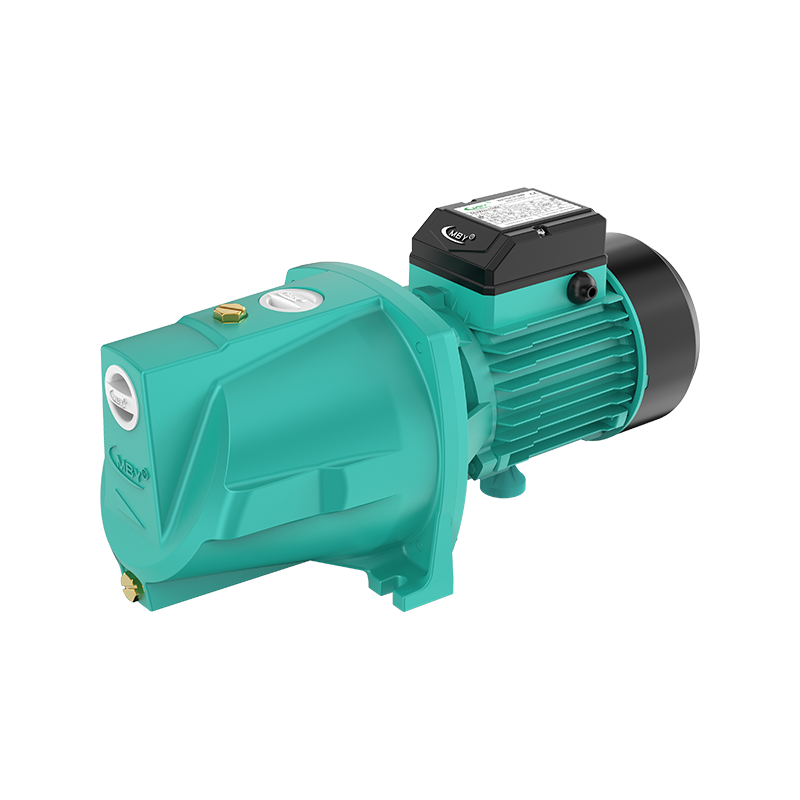
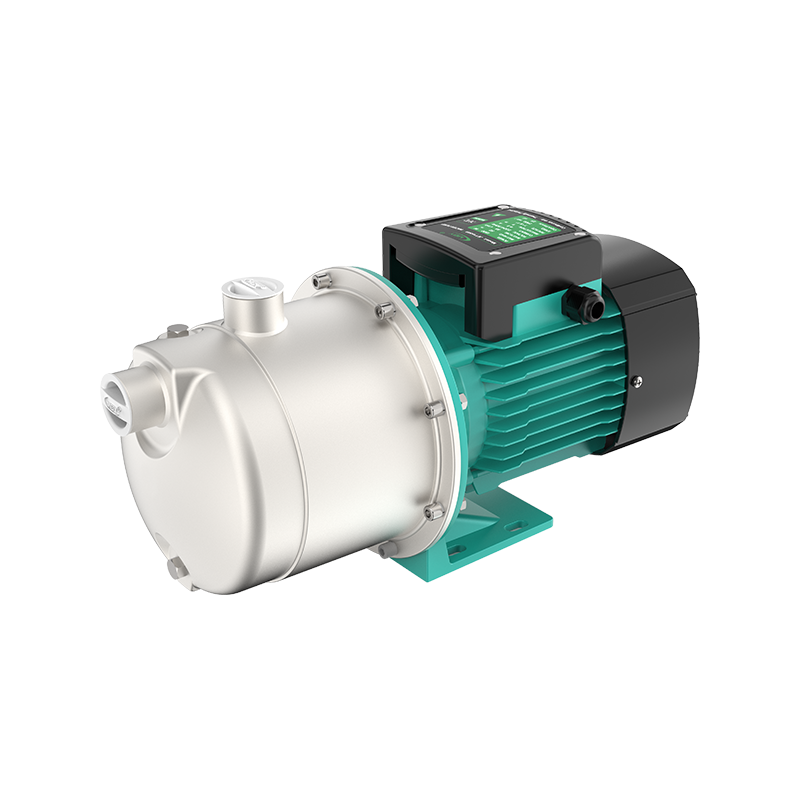
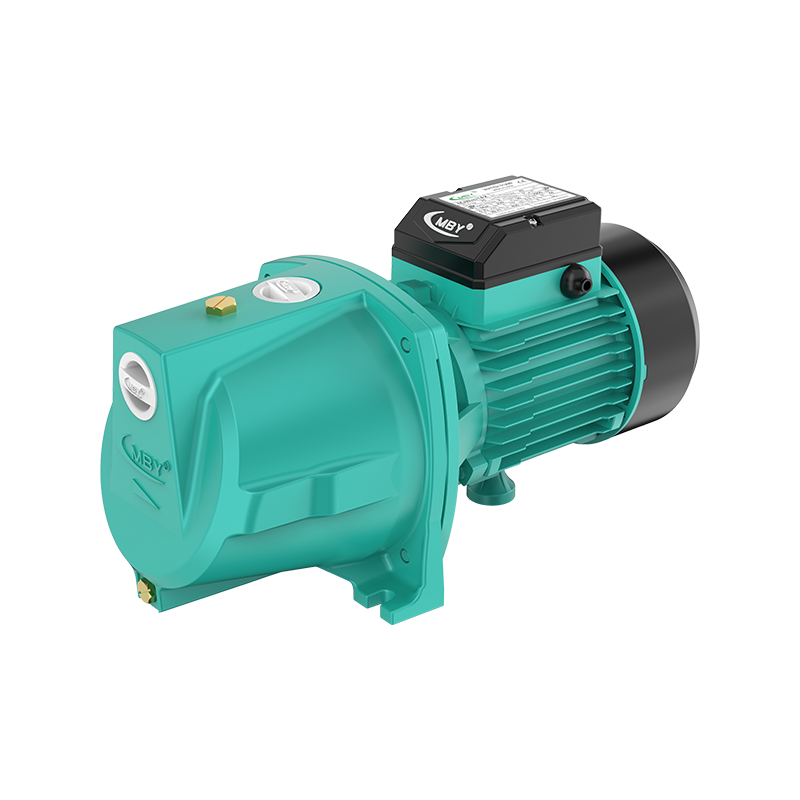
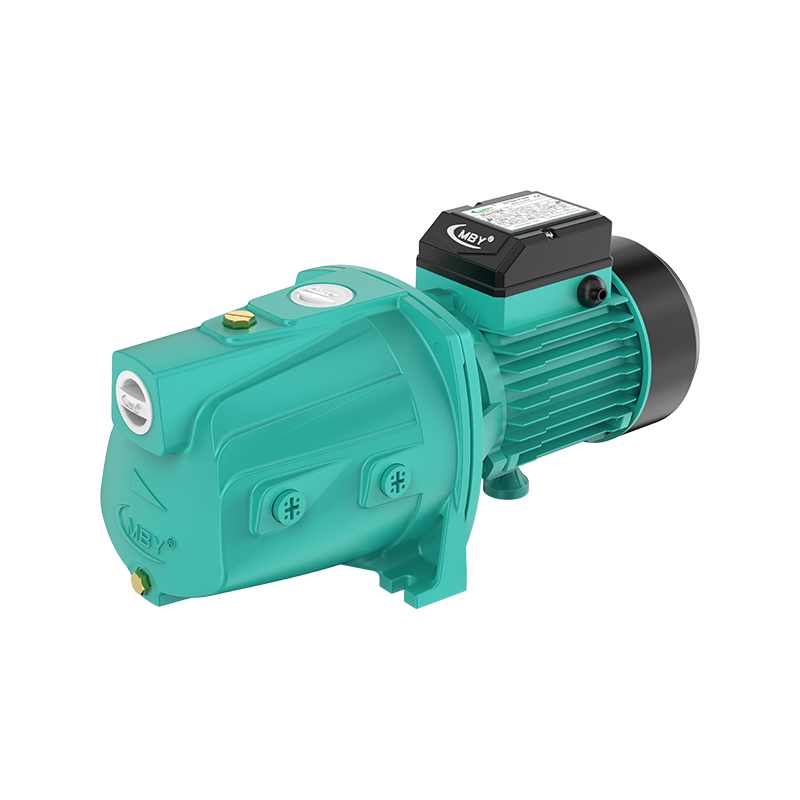
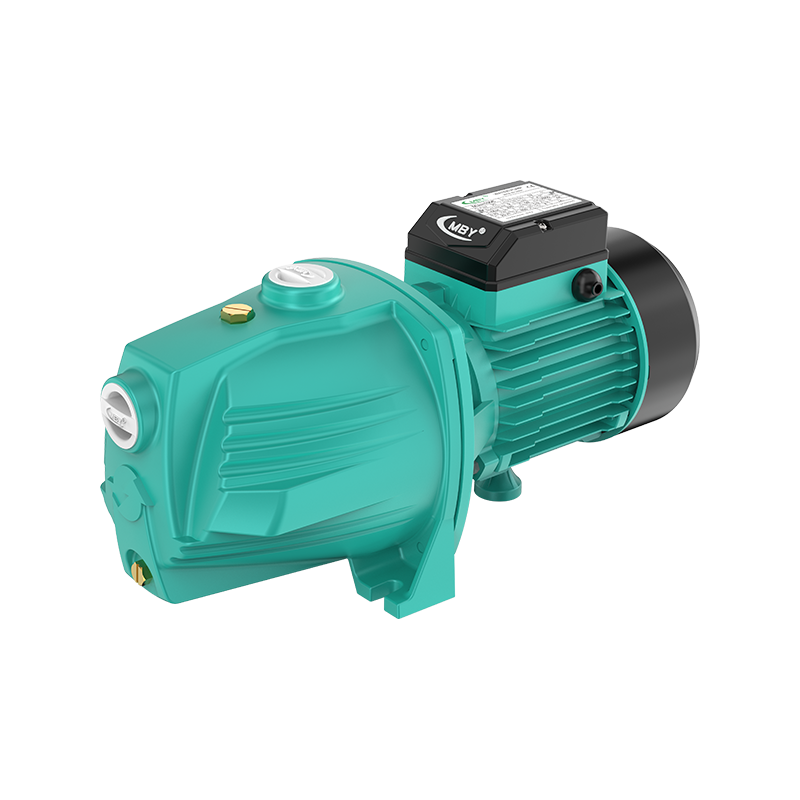
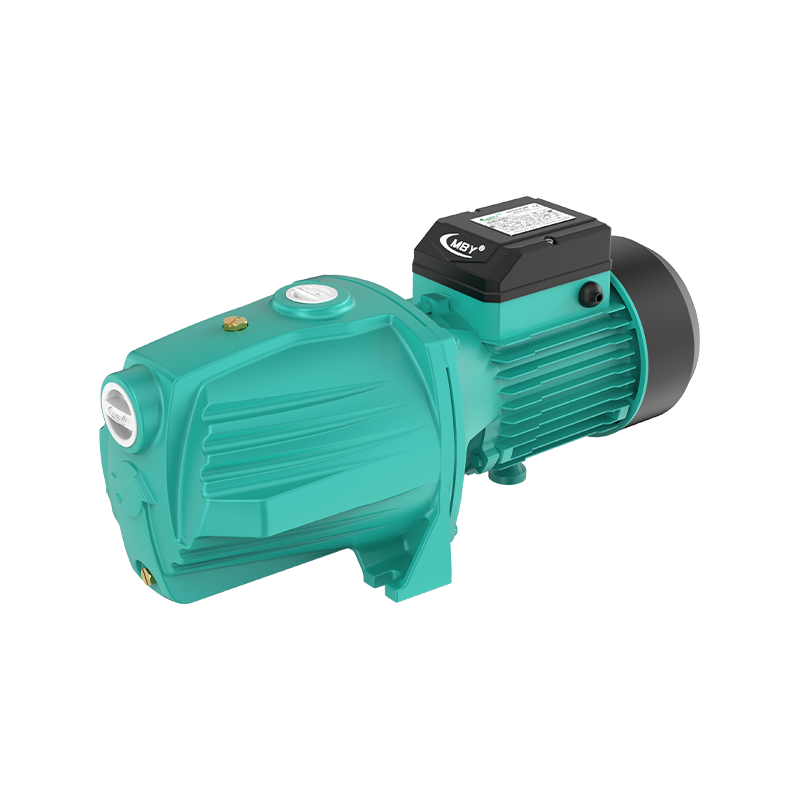
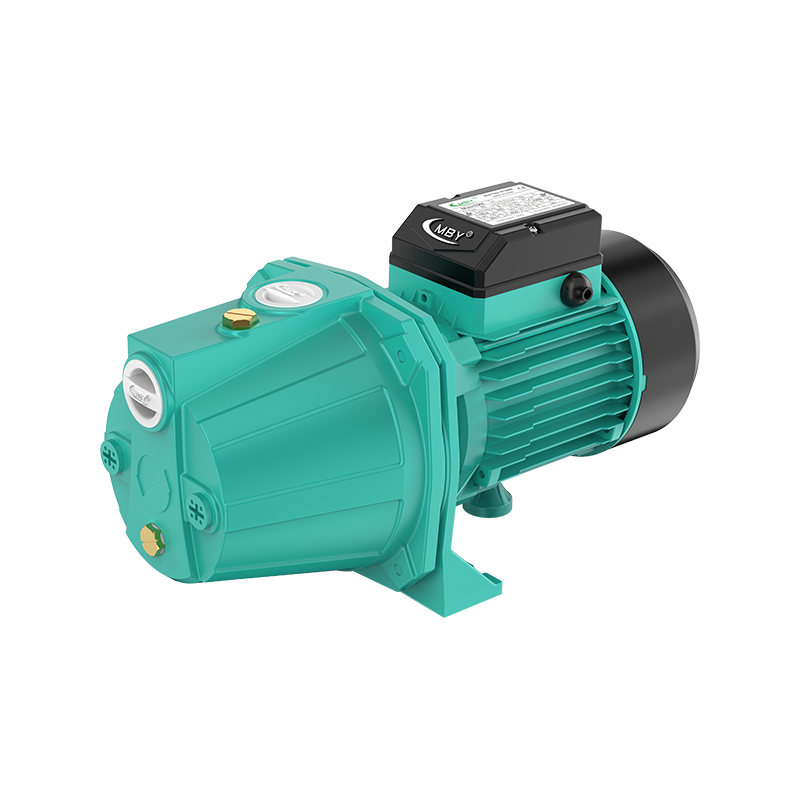
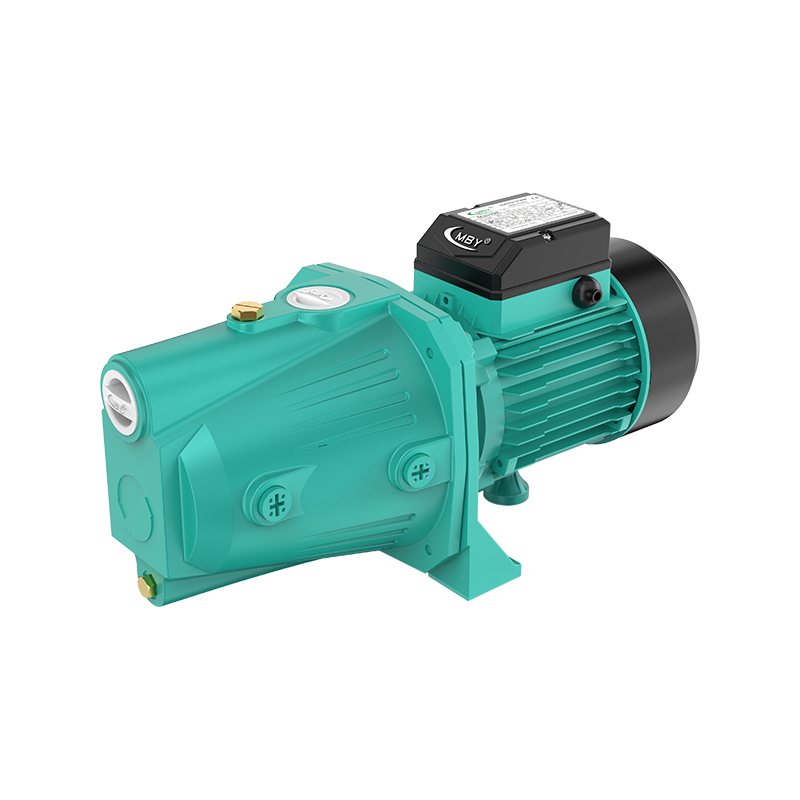
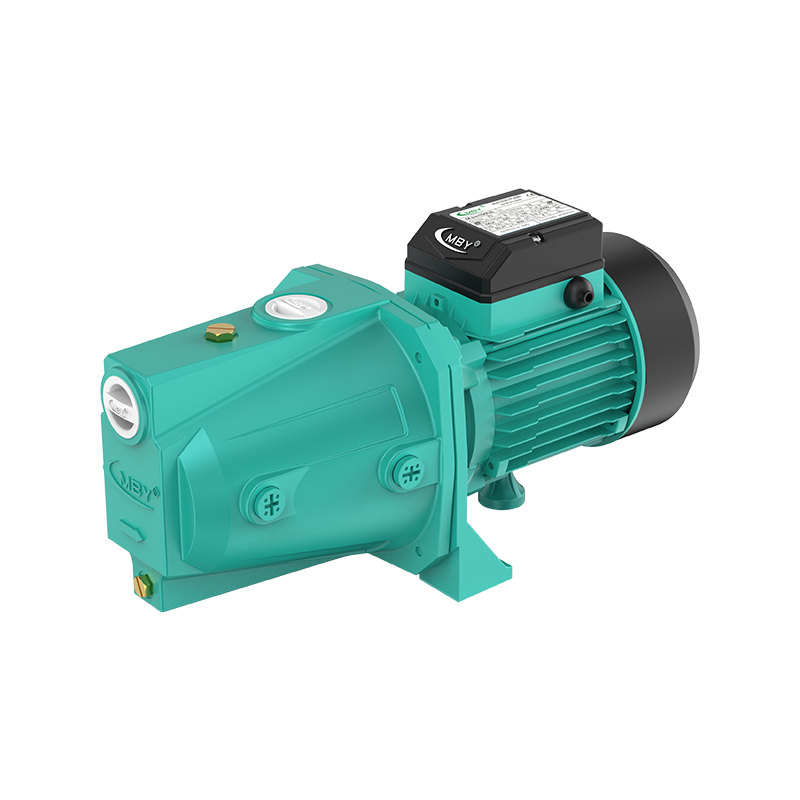
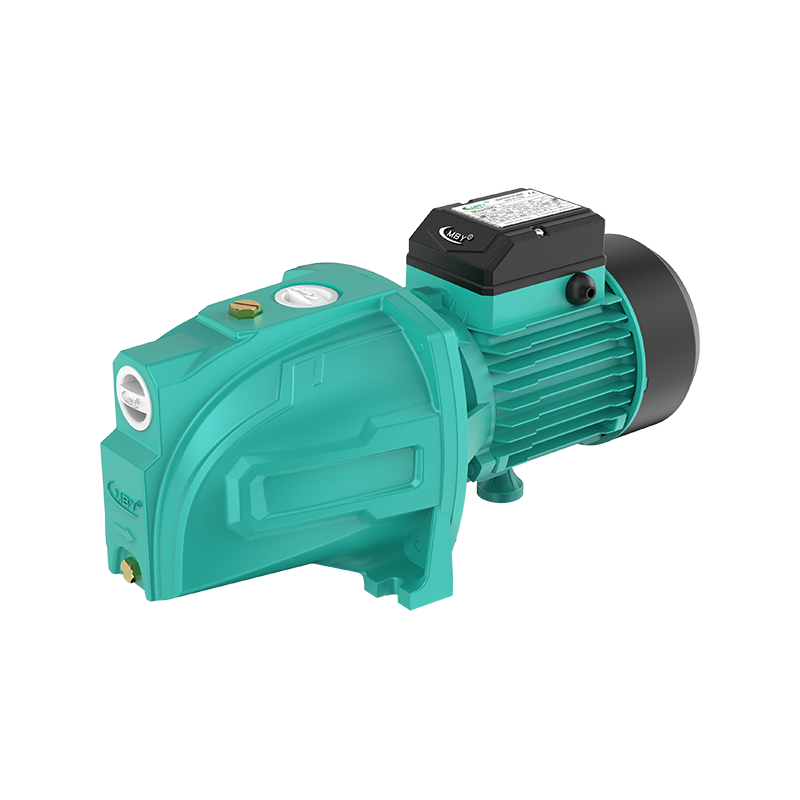
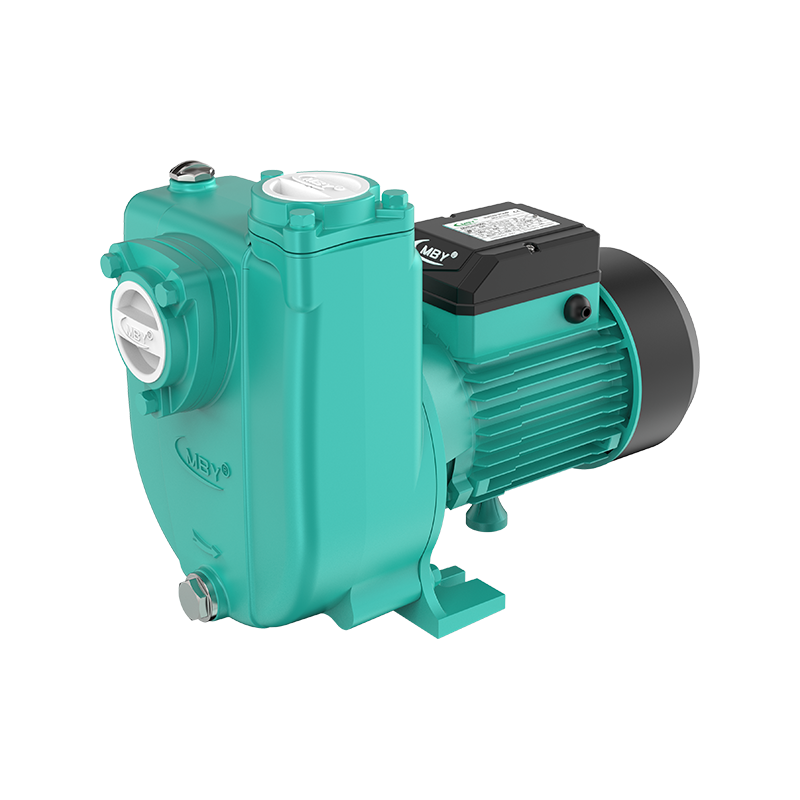
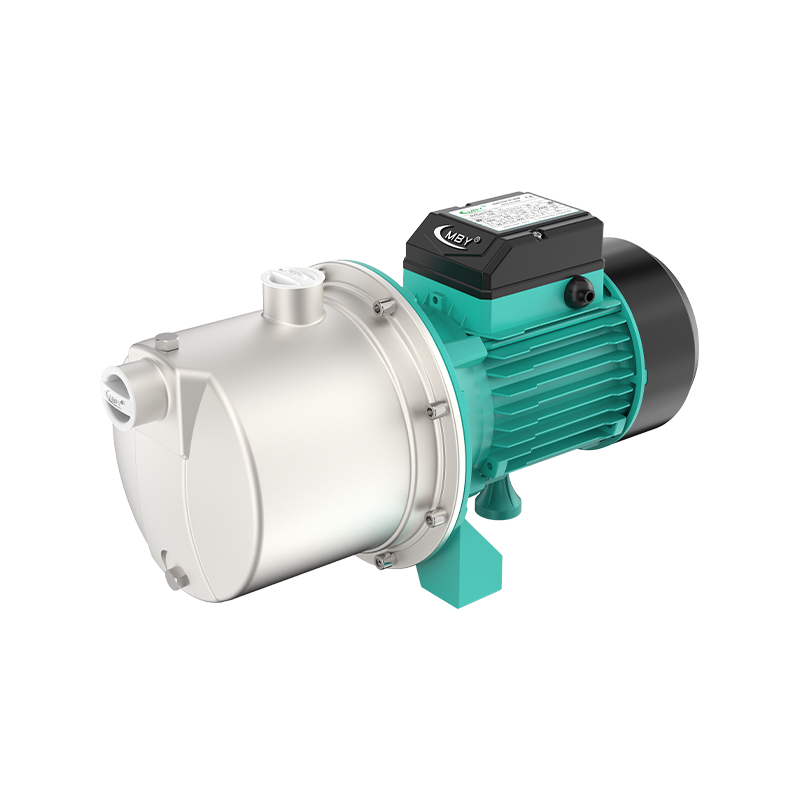
At its core, a self-priming stainless steel jet water pump delivers the decisive benefit of drawing water from depths up to 9 meters without manual refilling. This is achieved through an integrated ejector that creates a powerful vacuum, making it the go-to solution for domestic water supply, shallow wells, and pressure boosting systems where reliability and corrosion resistance are paramount.
Unlike standard centrifugal pumps that must be physically filled with liquid before operation, the self-priming jet pump automatically evacuates air from the suction line using a recirculation mechanism. Once primed, it operates as an efficient centrifugal pump, capable of maintaining consistent pressure across varying demand conditions.
The working principle revolves around the venturi effect and continuous air-liquid separation. Initially, the pump casing is filled with water (only required for the first use). When the motor starts, the impeller rotates and forces liquid through a nozzle, creating a high-velocity jet that generates a vacuum. This vacuum draws air from the suction pipe, mixing it with the pumped liquid. The mixture enters the casing where air separates and exits via the discharge port, while water recirculates to the nozzle until all air is purged.
For demanding environments, a stainless steel self-priming jet pump offers distinct advantages over cast iron or polymer variants. The use of 304 stainless steel (or equivalent) provides the following critical benefits:
Among all design parameters, the nozzle-to-throat clearance has the most significant impact on self-priming performance. Experimental studies show that adjusting this clearance can boost suction height from 6.8m to 8.4m and cut priming time from 4 minutes to just 3 minutes.
For pumps with a nozzle diameter (d₀) of 9mm and throat diameter of 16mm, the optimal clearance range is found to be 8.5mm – 9.0mm. The table below summarizes the performance differences based on empirical tests:
| Parameter | Initial Design | Optimized Design |
|---|---|---|
| Nozzle diameter (d₀) | 7–8 mm | 9 mm |
| Throat diameter | 15 mm | 16 mm |
| Nozzle-throat clearance | Variable (original formula) | 8.5 – 9.0 mm |
| Max suction height | 6.8 m | 8.4 m |
| Total priming time | ~4 min | ~3 min |
| Time to reach 5 m lift | >120 sec | 82 sec (meets <120s requirement) |
The optimized clearance enhances the mixing of suction air with the high-speed jet, accelerating air evacuation and stabilizing the priming process.
The following diagram illustrates the complete self-priming cycle of a typical stainless steel jet pump, from start-up to full operation:
This self-sustaining cycle is made possible by the radial-centripetal conveyor and flow-straightening blades inside the casing, which reduce turbulence and promote efficient air separation during priming.
When selecting a self-priming stainless steel jet pump, consider the following practical recommendations based on field data and engineering best practices:
Hot News
 Oil Immersed Submersible Electric Pump: Working Principles, Applications, and Future Trends
Sep 04, 2025
 Global Pipeline Centrifugal Pump Industry Update: High-Efficiency Double Suction and Magnetic Drive Technologies Leading the Industrial Water Treatment Revolution
Sep 04, 2025
 Complete Guide to Household Water Pumps: From Selection, Installation to Maintenance, Your Home's 'Water Butler'
Sep 04, 2025
 Can the intelligent automatic self-priming vortex water pump lead a new era in water management?
Sep 04, 2025
Get In Touch

Address 1:
No. 4 Taoyuan Road, Taozhou Town, Guangde City, Xuancheng City, Anhui Province, China
Address 2:
Daxi Town, Wenling City, Taizhou City, Zhejiang Province, China Pump Industry Intelligent Manufacturing Town