

 English
 русский
 Español
 Português
 عربى
عربى
 Türk
Türk








+86 18395326713
Jun 25, 2026
Selecting a household water pump comes down to three core measurements: flow rate, total head, and the number of simultaneous water outlets. For a typical home with 2–3 bathrooms, a pump delivering 20–50 liters per minute at 2.5–4 bar of pressure is generally sufficient. Homes with 1–2 stories typically require 0.5–1 HP, while 2–3 story homes need 200W–300W capacity. Beyond these figures, the right choice depends on your water source, plumbing layout, and usage patterns—each of which we will explore in detail below.
Before evaluating any pump specifications, you must clearly define what you need the pump to accomplish. Different applications demand different pump types and capacities.
Water supply and pressure boosting are the most common residential uses, ensuring consistent flow to kitchens, bathrooms, and showers. Homes relying on well water require pumps capable of drawing groundwater from depth. Garden irrigation, drainage from basements or low-lying areas, and water transfer between tanks are other frequent applications. Identifying your primary use case is the first and most critical step—it determines whether you need a booster pump, a submersible well pump, a transfer pump, or a drainage pump.
Each pump type serves distinct purposes. Choosing the wrong type leads to poor performance, higher energy costs, and premature failure.
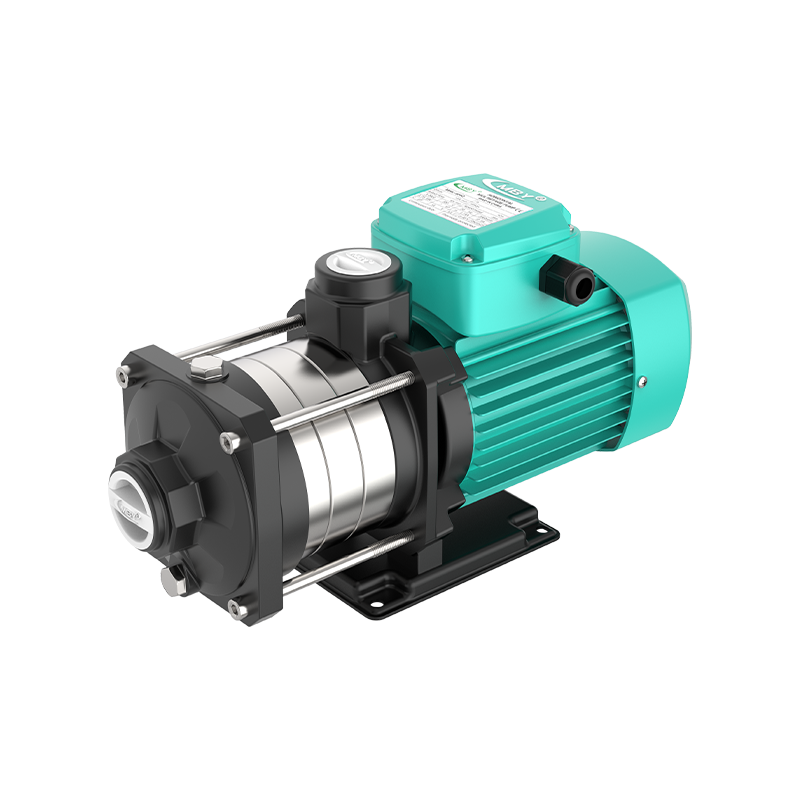
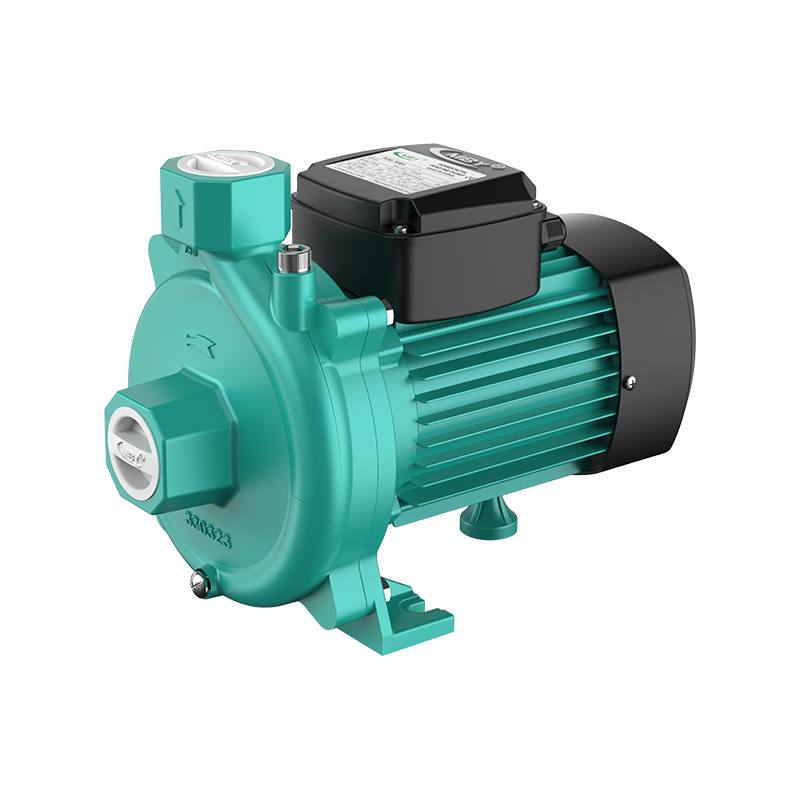
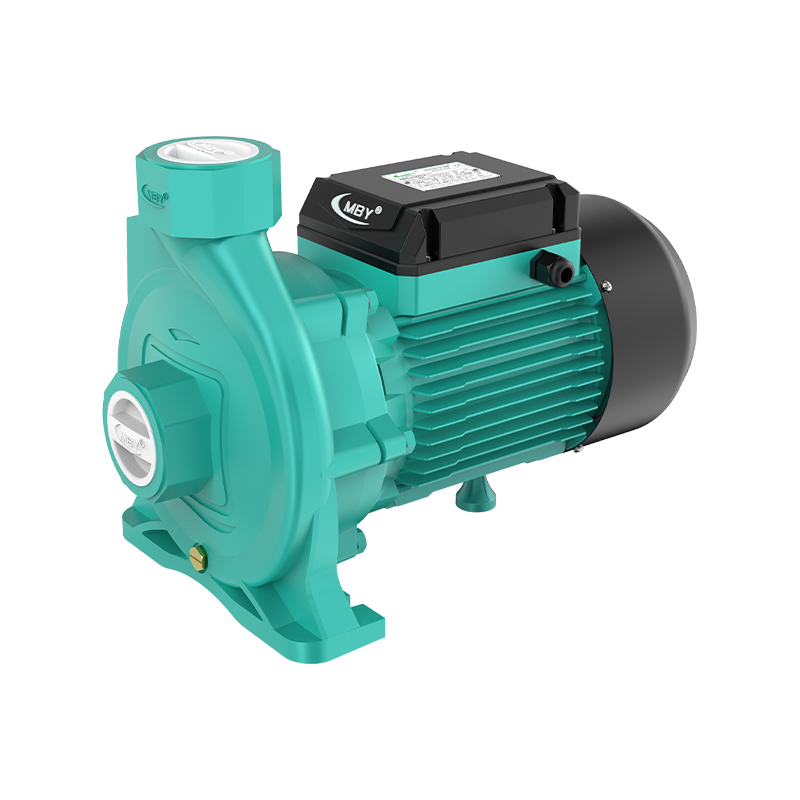
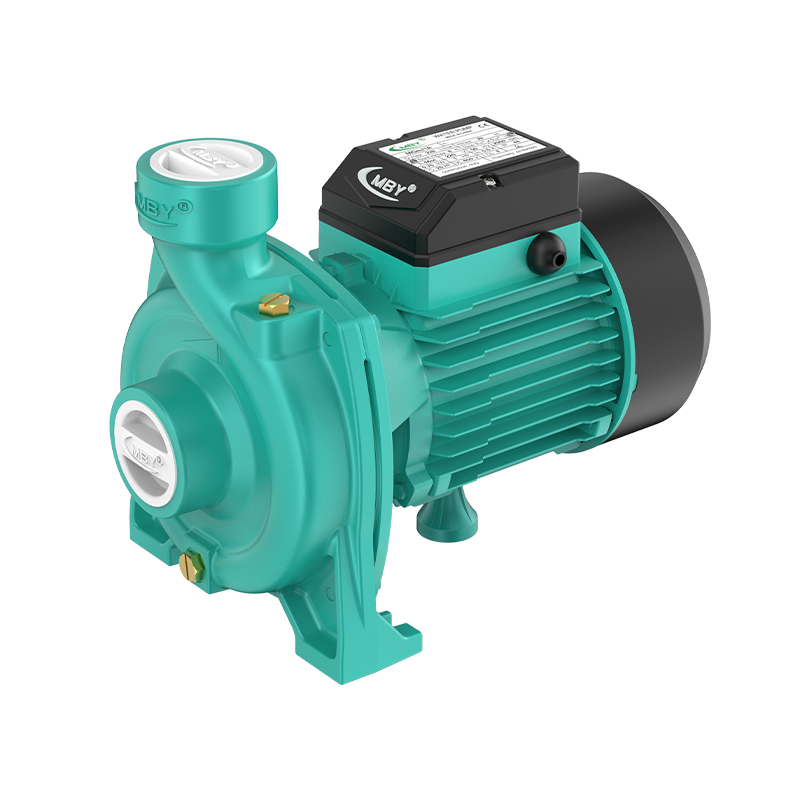
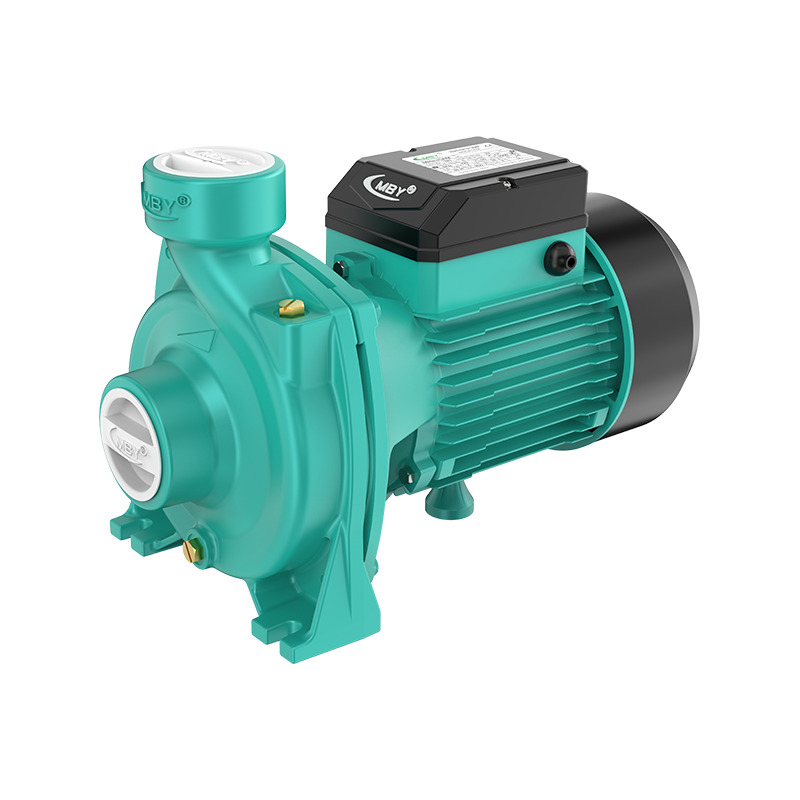
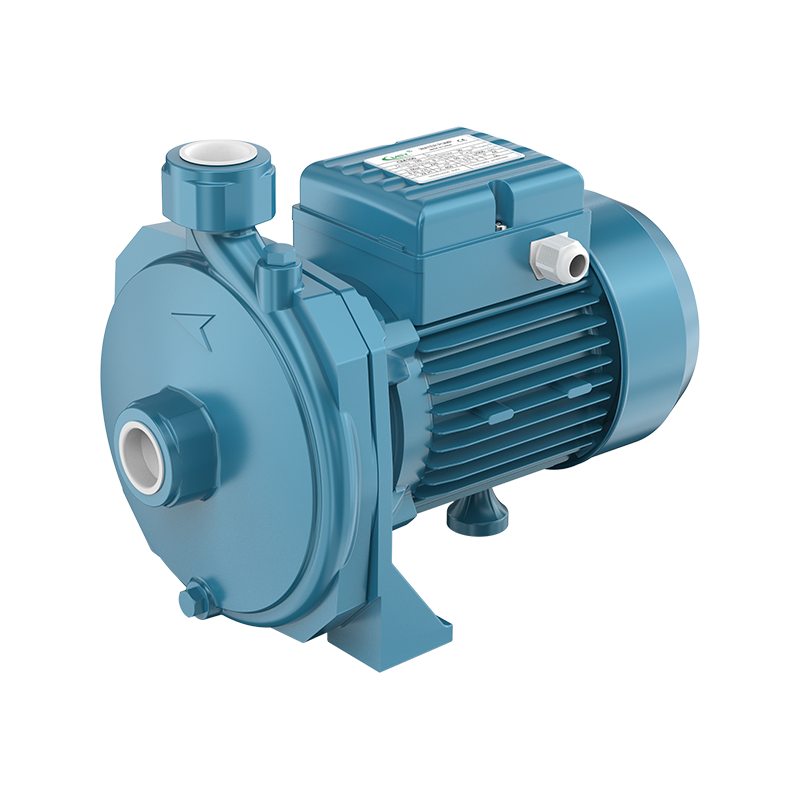
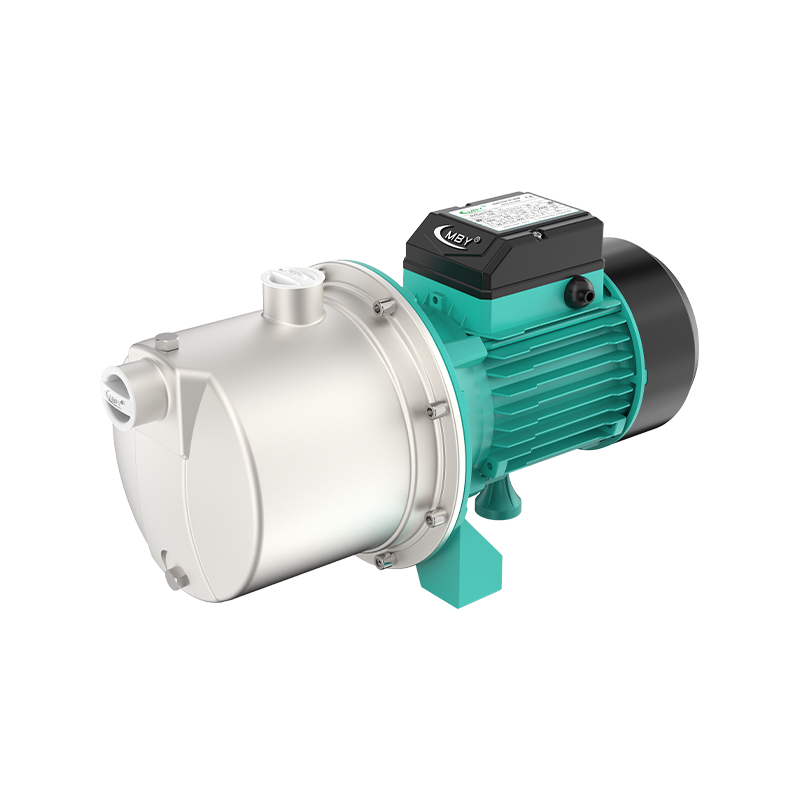
These surface-mounted pumps use a rotating impeller to move water. They are ideal for boosting water pressure, irrigation, and general water transfer where the water source is at or near ground level. Centrifugal pumps require priming (filling with water) before operation and are not suitable for drawing water from deep wells.
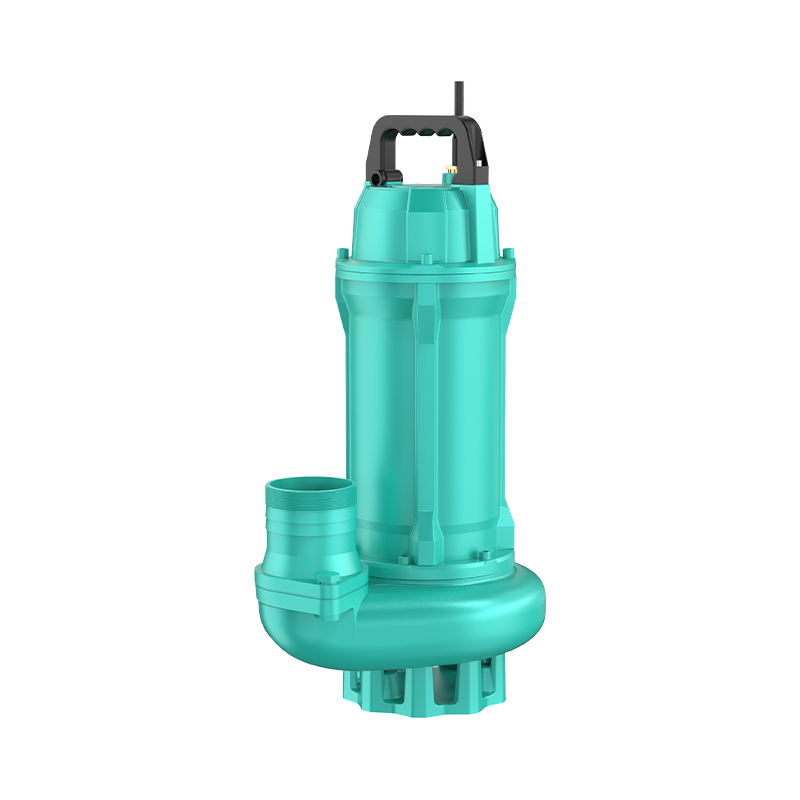
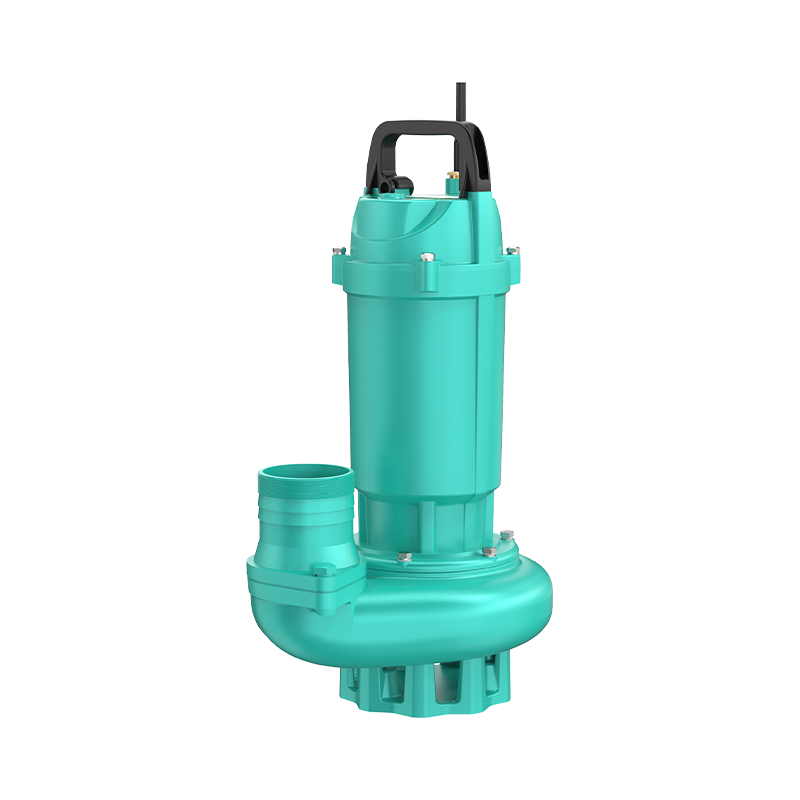
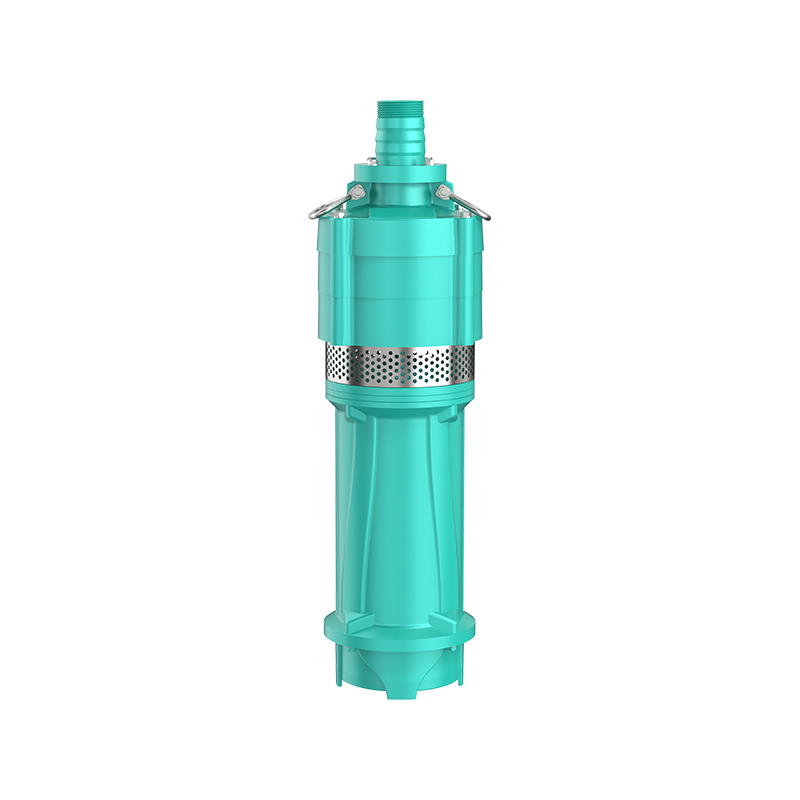
Designed to operate fully submerged in water, these pumps are the modern standard for deep wells (deeper than 7.6 meters / 25 feet). Their sealed motors are corrosion-resistant and operate quietly. Submersible pumps do not require priming and are highly energy-efficient, making them excellent for household water supply from borewells.
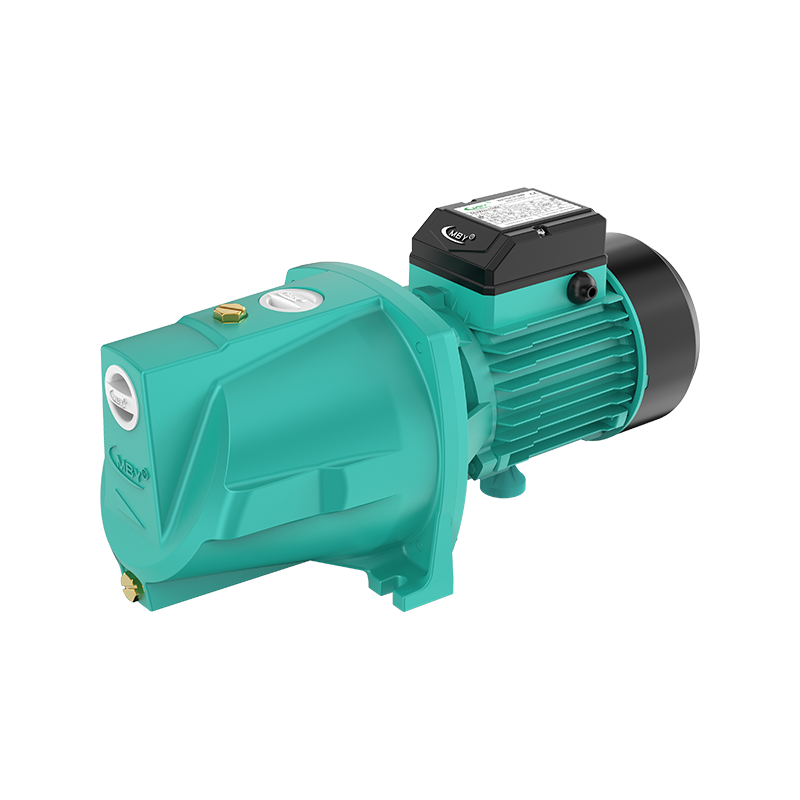
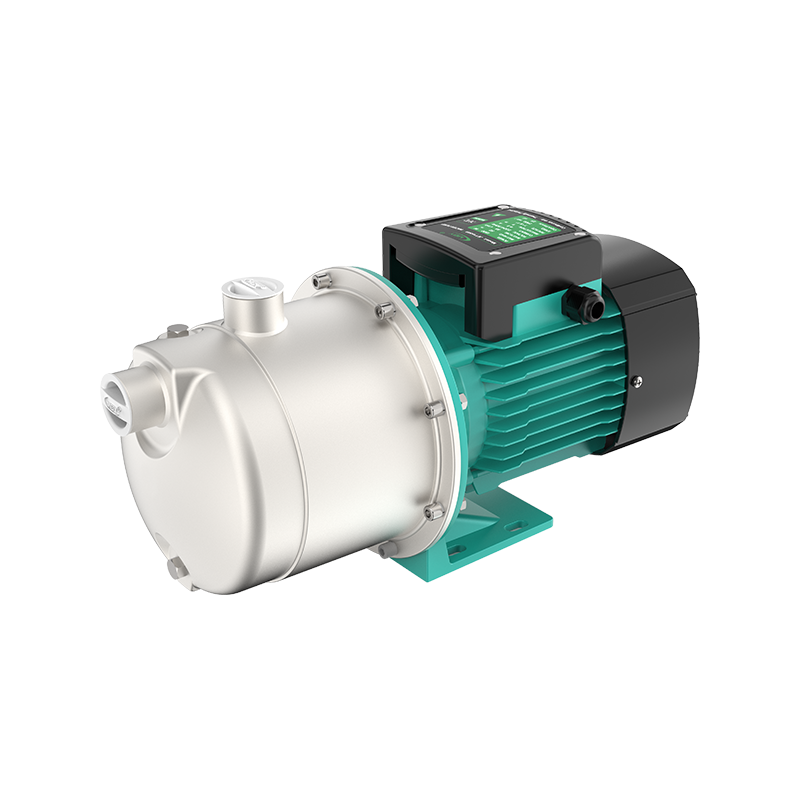
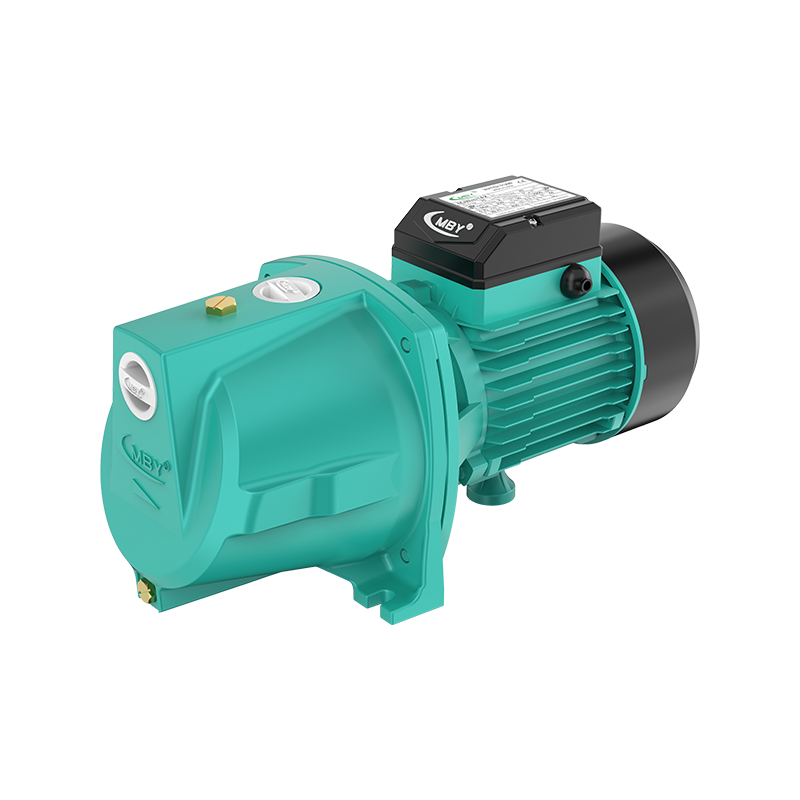
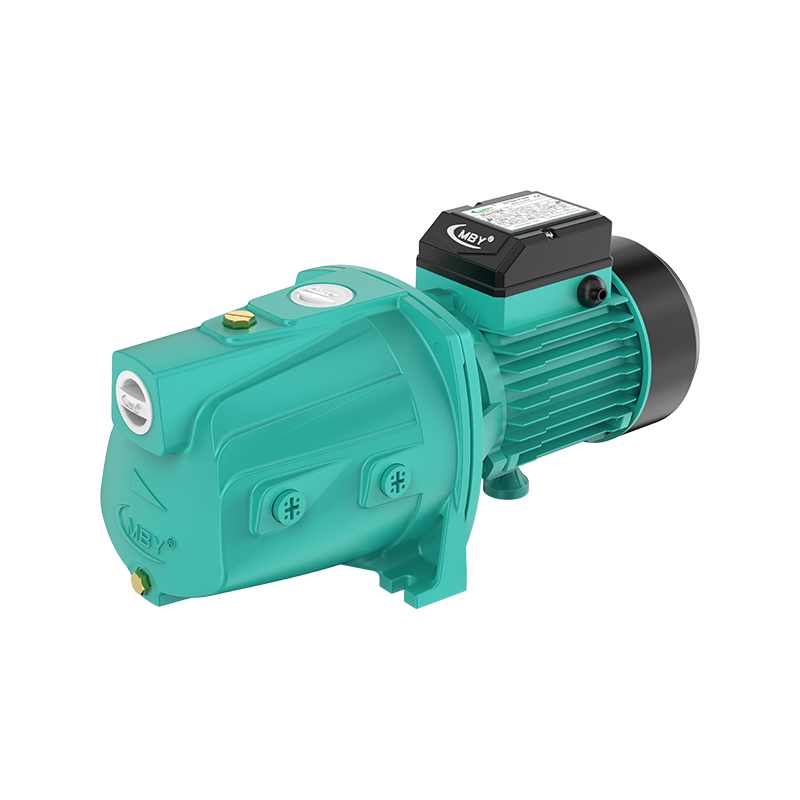
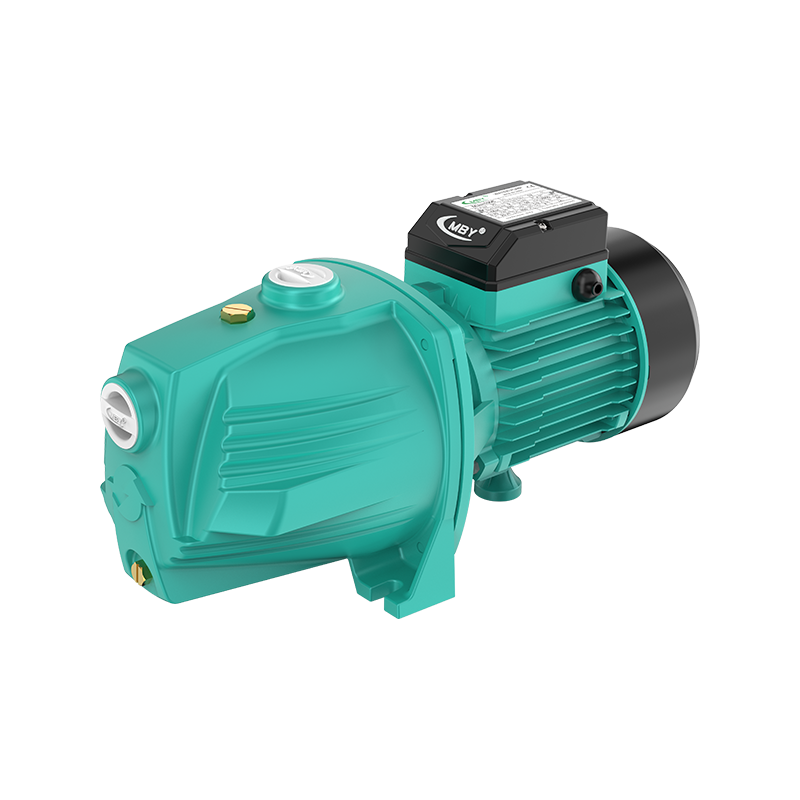
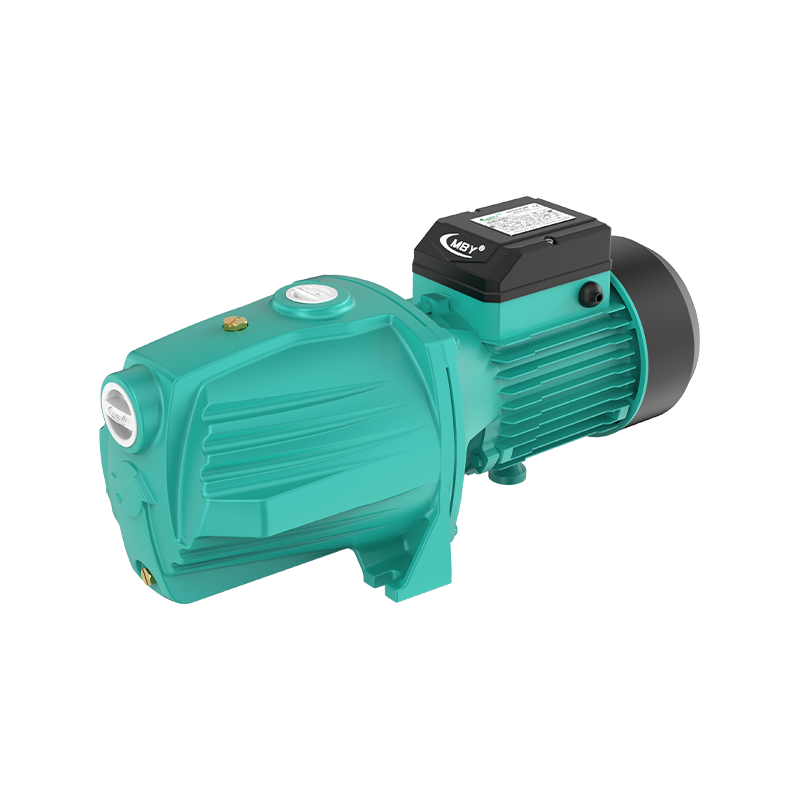
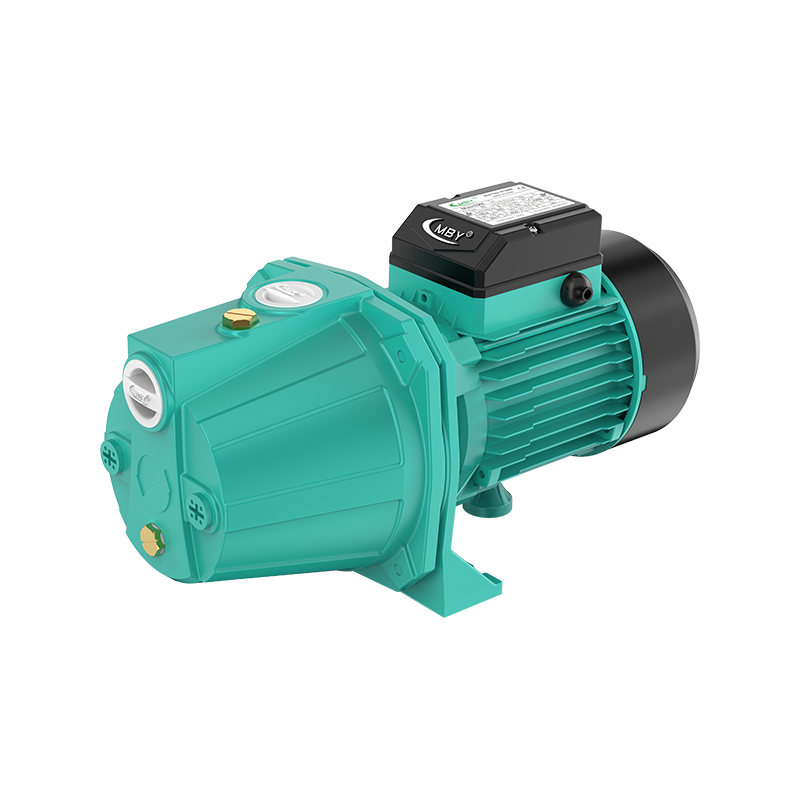
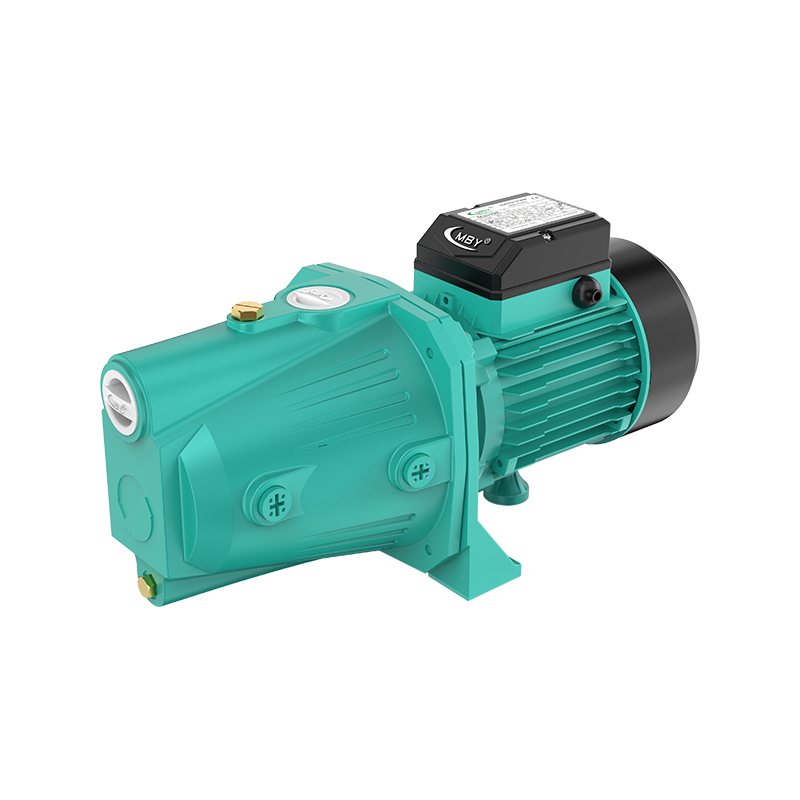
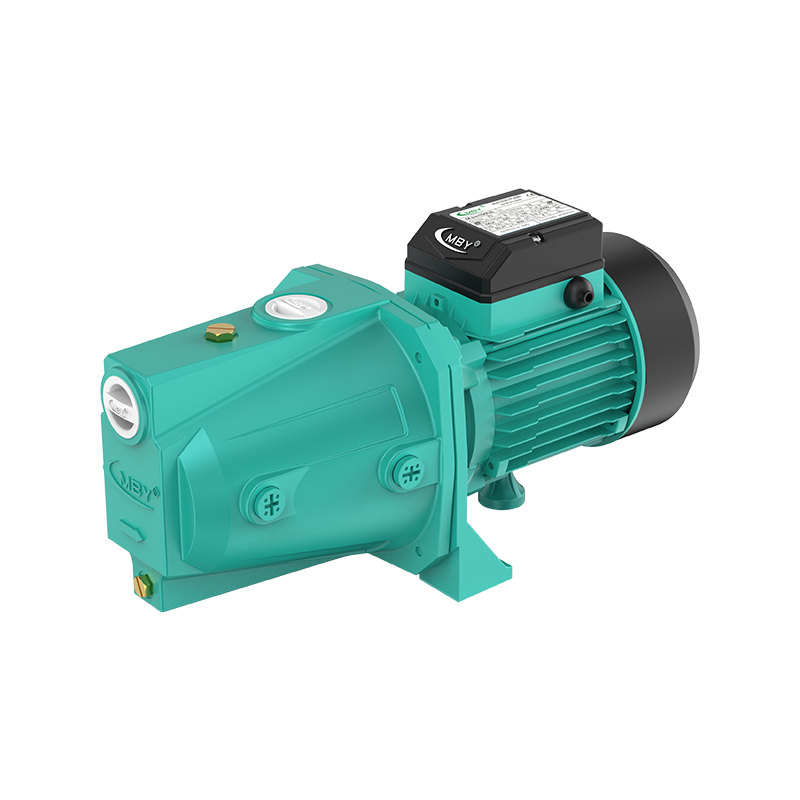
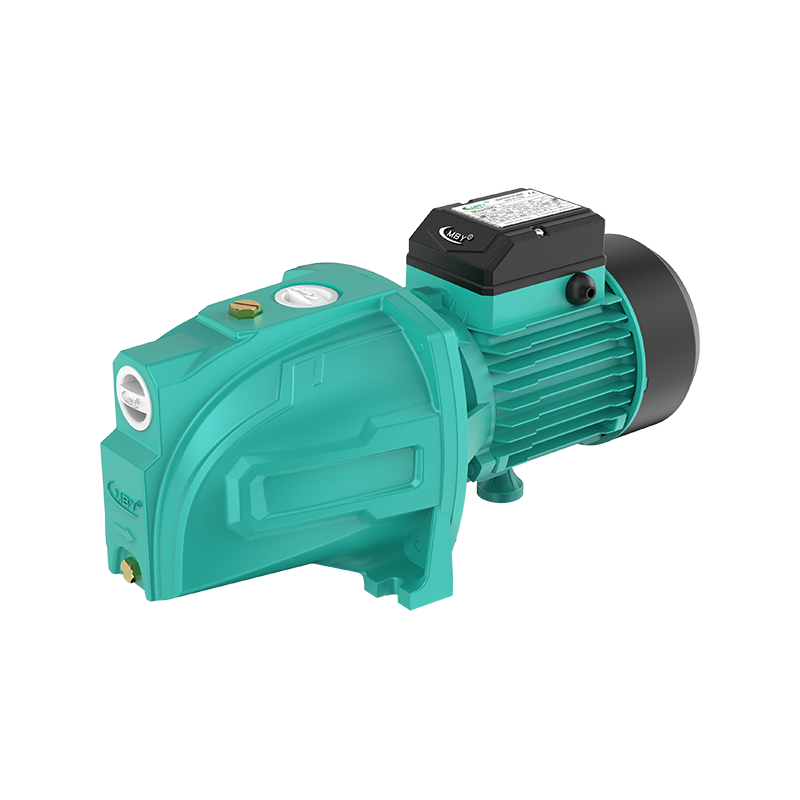
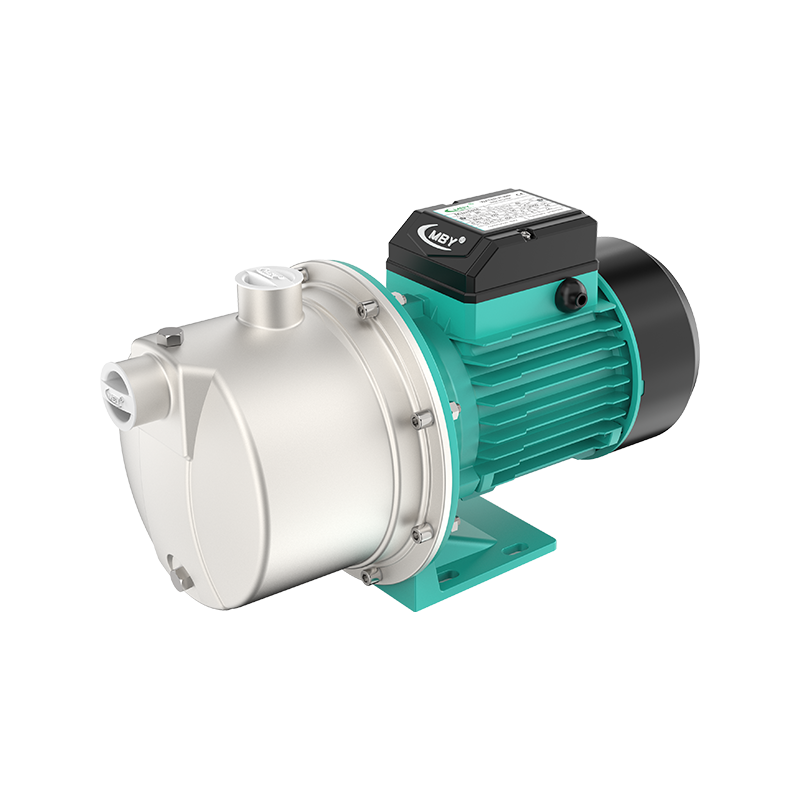
Jet pumps sit above ground and draw water through suction. They are suitable for shallow wells (typically less than 7.6 meters deep) and use a combination of suction and pressure to lift water. Jet pumps are easier to install and maintain than submersibles but are less efficient and noisier.
Specifically designed to increase water pressure in homes with inadequate mains pressure, booster pumps are ideal for multi-story houses or homes with underground tanks. They do not draw water from a source—they simply amplify existing pressure. Variable-speed booster pumps can reduce energy consumption by up to 92% compared to conventional fixed-speed models.
Flow rate and total head are the two most important specifications—they determine whether a pump can meet your household's water demand.
Flow rate measures the volume of water the pump delivers per minute or hour, typically expressed in liters per minute (L/min) or gallons per minute (GPM). To determine your required flow rate, count all fixtures and appliances that may run simultaneously—showers, faucets, washing machines, and dishwashers. A typical home with 2–3 bathrooms needs 20–50 L/min during peak usage.
Total head represents the total resistance the pump must overcome to deliver water to its destination. This includes:
Total Dynamic Head (TDH) = Vertical Lift + Pressure Head + Friction Loss. For every 1 bar of pressure required, add approximately 10 meters of head. A two-story home typically requires 20–30 meters of total head.
Motor power, measured in horsepower (HP) or watts (W), must match the combined flow rate and head requirements. Oversized pumps waste electricity; undersized pumps work harder and fail sooner. For typical homes:
Beyond the basic specifications, several additional factors determine the right pump for your home.
Where your water comes from dictates what type of pump you need. Municipal supply with low pressure requires a booster pump. A shallow well (under 7.6 meters) can use a jet pump or shallow-well submersible. A deep well (over 7.6 meters) requires a submersible pump. Rainwater tanks and storage tanks typically use transfer or centrifugal pumps.
Every simultaneous water use point adds to the flow rate demand. A family home with multiple bathrooms, a washing machine, and a dishwasher requires a significantly higher flow rate than a small apartment. Count all outlets that may be used at once and sum their individual flow requirements.
Taller buildings require higher head pressure. Additionally, longer pipe runs and numerous elbows increase friction losses, requiring a pump with greater total head capacity. For every floor above ground level, add approximately 3–4 meters of head requirement.
Most homes have single-phase (230V) power, which is standard for residential pumps. Three-phase (400V) power is typically found in larger properties or commercial settings. Always verify your home's electrical supply before purchasing—a pump requiring three-phase power will not operate on a single-phase system.
If your water contains sediments, sand, or corrosive elements, you need a pump with appropriate materials—stainless steel or bronze components resist corrosion better than cast iron. For wells with high sediment content, consider pumps with built-in strainers or filters to prevent premature wear.
Energy consumption is one of the largest operational costs of a household pump. Choosing an energy-efficient pump reduces electricity bills and environmental impact.
Variable-speed pumps (inverter systems) adjust motor speed to match actual water demand, using only the energy needed at any given moment. Fixed-speed pumps run at full power whenever operating, even when demand is low. Variable-speed pumps can reduce energy consumption by 60–75% compared to traditional systems, and in some applications, up to 92% energy savings have been documented.
Motors are rated by International Efficiency (IE) classes—IE3 and IE4 motors are significantly more efficient than standard IE1 or IE2 motors. While more efficient motors cost more upfront, the energy savings typically recoup the investment within 2–4 years in continuous-use applications.
Proper installation is as important as choosing the right pump—even the best pump will underperform if installed incorrectly.
Place the pump on a solid, level surface to minimize vibration and noise. For submersible pumps, ensure the pump is fully submerged to prevent dry running and overheating. For surface pumps, position the pump as close to the water source as possible to minimize suction lift and reduce priming difficulties.
Use appropriately sized pipes—undersized pipes increase friction losses and reduce flow. All connections must be tight and leak-free; even small air leaks in the suction line can prevent priming or reduce performance. Install a foot valve or check valve at the water source to maintain prime when the pump is off.
Ensure the electrical supply matches the pump's requirements—voltage, phase, and amperage must all be compatible. Use a dedicated circuit with proper grounding and consider installing a surge protector to safeguard the motor from power fluctuations.
Regular maintenance extends pump life and prevents costly breakdowns. Best practice is to inspect your pump system every six months.
Low water pressure often results from clogged filters, leaks in the suction line, or an undersized pump. Noisy operation typically indicates loose components, air in the system, or misalignment. Frequent cycling on and off is usually caused by a waterlogged pressure tank, leaks in the system, or incorrect pressure switch settings. Pump not priming often means air in the suction line, a blocked inlet, or a faulty foot valve.
The following flowchart summarizes the key decision points in selecting the right household water pump:
Most homes function well with a 0.5–1 HP pump delivering 20–50 liters per minute. However, the correct size depends on your number of bathrooms, simultaneous water usage, and building height. Calculate your total flow rate by summing the requirements of all fixtures that may run at once, then select a pump that meets or slightly exceeds that figure.
Jet pumps are installed above ground and draw water through suction, making them suitable for shallow wells (under 7.6 meters). Submersible pumps are placed inside the water source, push water upward, and are quieter, more efficient, and required for deep wells. Submersibles also do not require priming.
Place the pump on vibration-absorbing pads, use flexible connectors between the pump and rigid piping, and locate the pump away from bedrooms and living areas. Ensure the pump is properly aligned and securely mounted to minimize vibration. For surface pumps, a sound-dampening enclosure can further reduce noise.
Inspect your pump system at least every six months. Clean the inlet filter monthly, check for leaks and unusual noise during routine inspections, and have a professional service the pump annually. Regular maintenance prevents breakdowns and extends pump life significantly.
Yes, many modern pumps feature smart controls for timing, pressure sensing, and remote monitoring via smartphone apps. Variable-speed inverter pumps often include built-in intelligence that adjusts performance based on real-time demand, offering both convenience and energy savings.
Frequent cycling is usually caused by a waterlogged pressure tank, leaks in the system, or incorrect pressure switch settings. Check the pressure tank's air charge—it should be 2–3 PSI below the cut-in pressure. Inspect all fittings and valves for leaks, and verify that the pressure switch's cut-in and cut-out settings are properly configured.
Total Dynamic Head (TDH) is the total resistance the pump must overcome to deliver water to its destination. It includes vertical lift, friction losses from pipes and fittings, and the desired outlet pressure. TDH determines whether a pump can deliver water to all outlets in your home—if the pump's maximum head is less than your TDH, water will not reach upper floors or distant fixtures.
Hot News
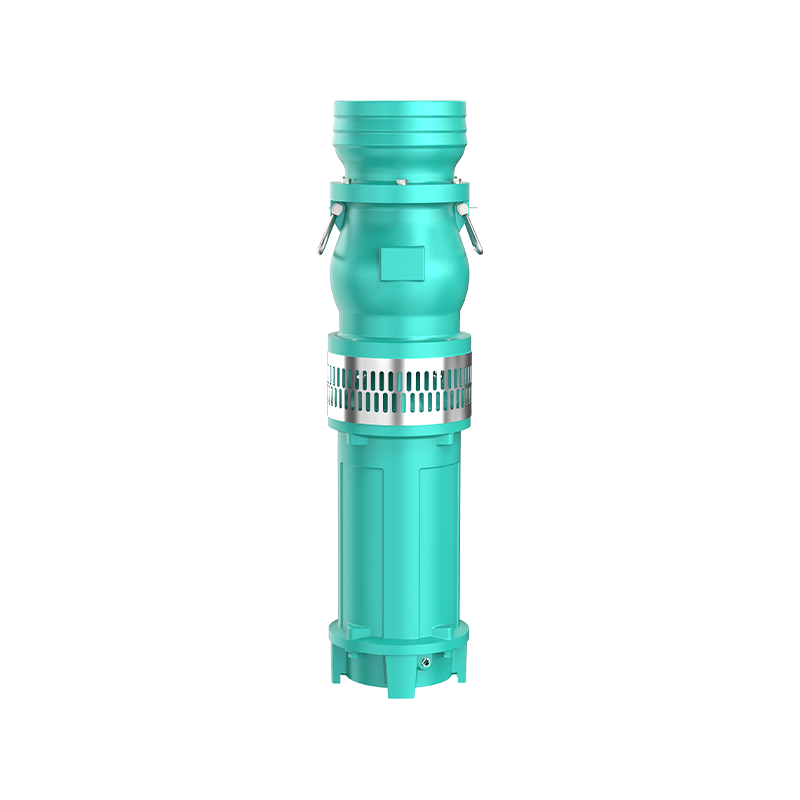 Oil Immersed Submersible Electric Pump: Working Principles, Applications, and Future Trends
Sep 04, 2025
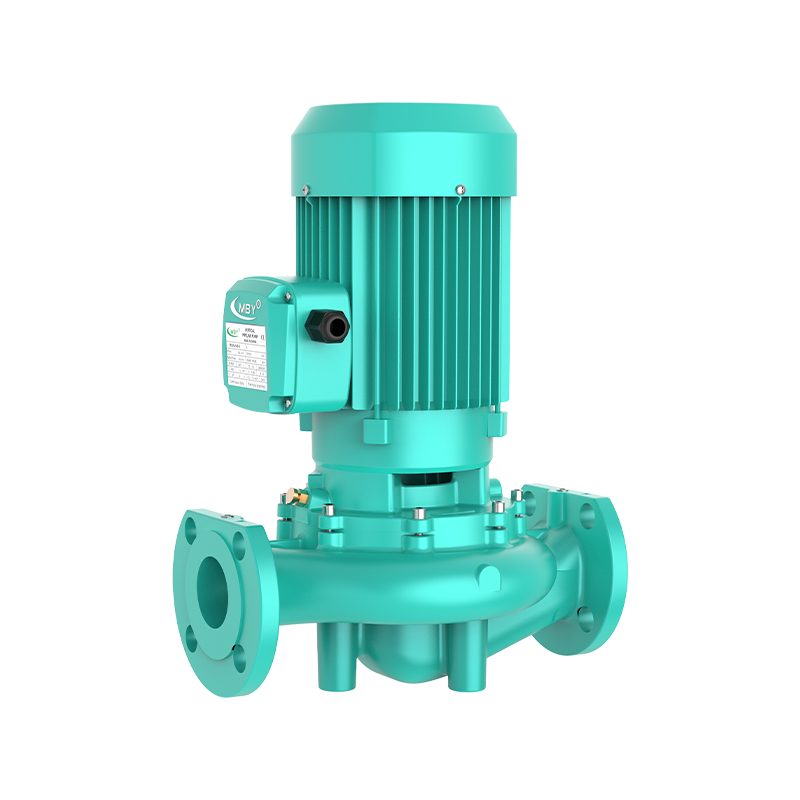 Global Pipeline Centrifugal Pump Industry Update: High-Efficiency Double Suction and Magnetic Drive Technologies Leading the Industrial Water Treatment Revolution
Sep 04, 2025
 Complete Guide to Household Water Pumps: From Selection, Installation to Maintenance, Your Home's 'Water Butler'
Sep 04, 2025
 Can the intelligent automatic self-priming vortex water pump lead a new era in water management?
Sep 04, 2025
Get In Touch

Address 1:
No. 4 Taoyuan Road, Taozhou Town, Guangde City, Xuancheng City, Anhui Province, China
Address 2:
Daxi Town, Wenling City, Taizhou City, Zhejiang Province, China Pump Industry Intelligent Manufacturing Town