
 English
 русский
 Español
 Português
 عربى
عربى
 Türk
Türk








+86 18395326713
Apr 24, 2026
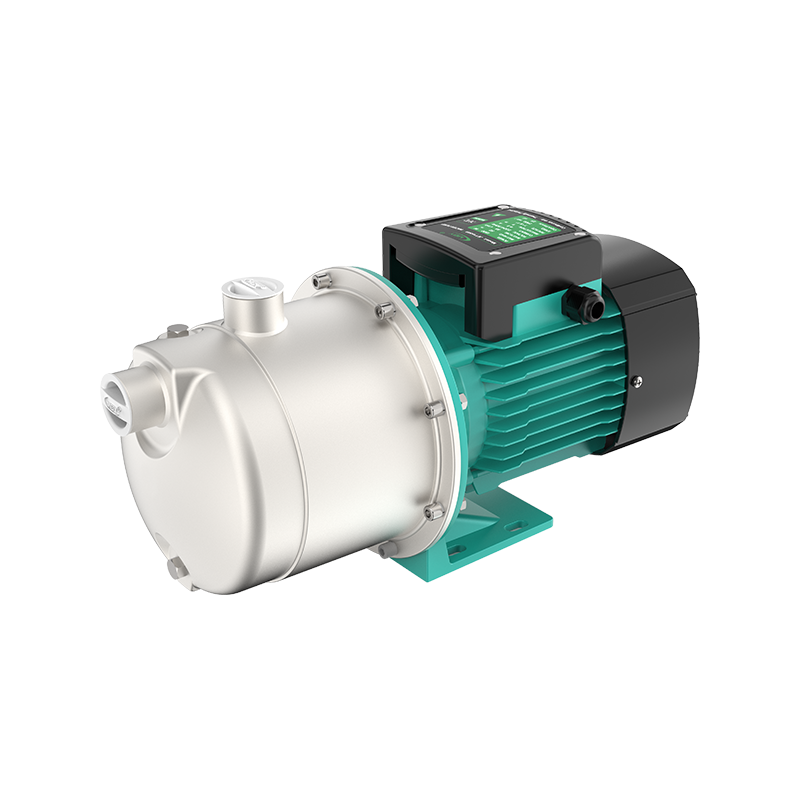
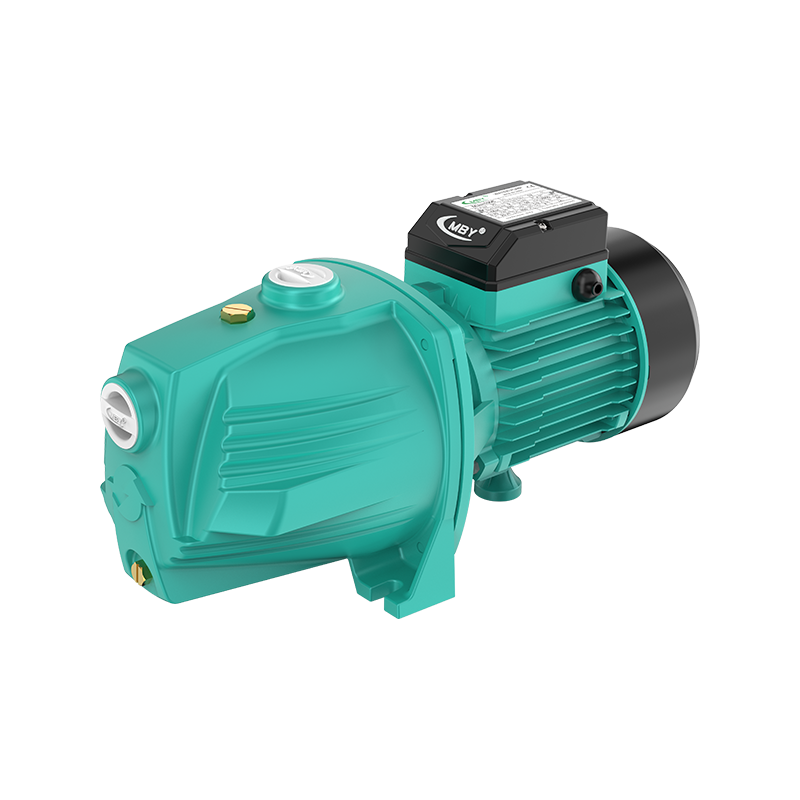
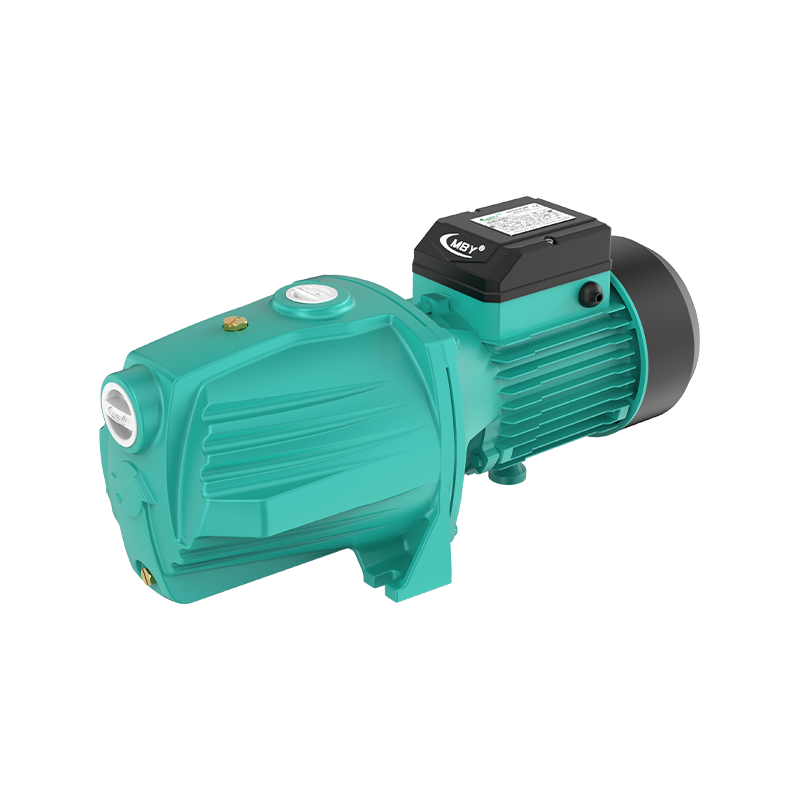
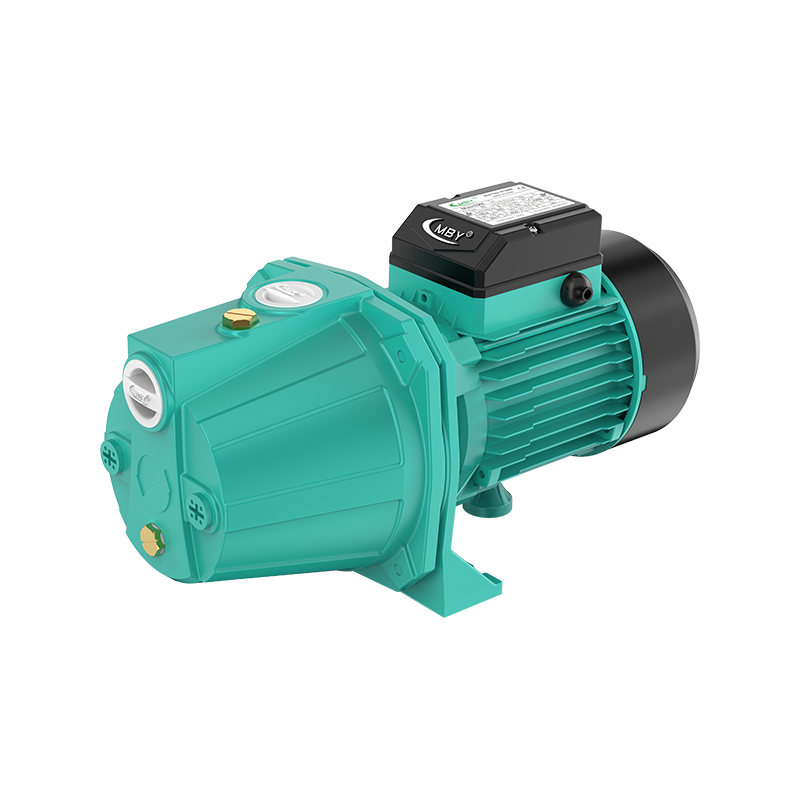
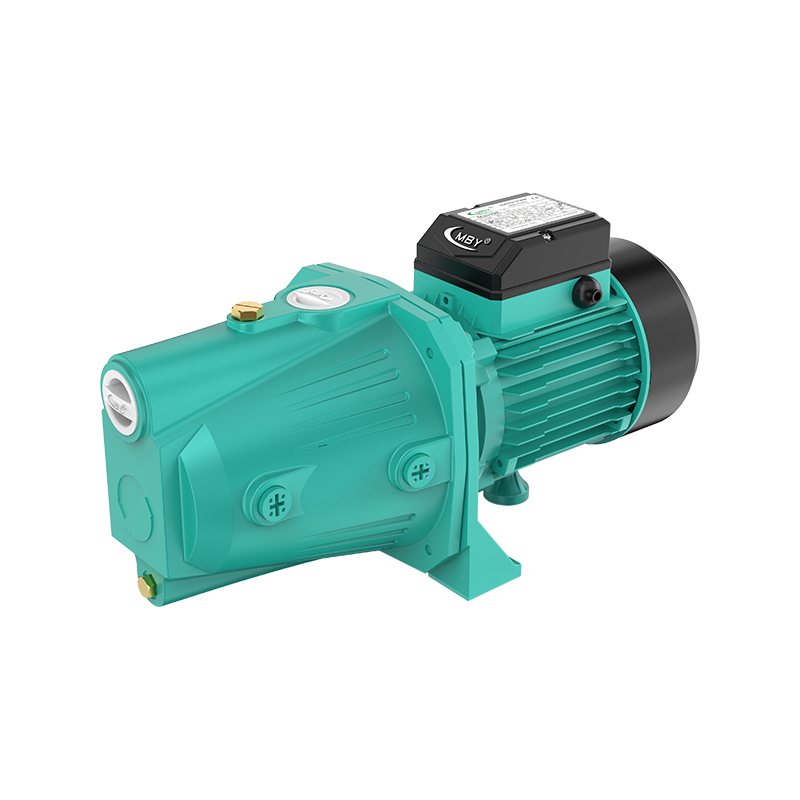
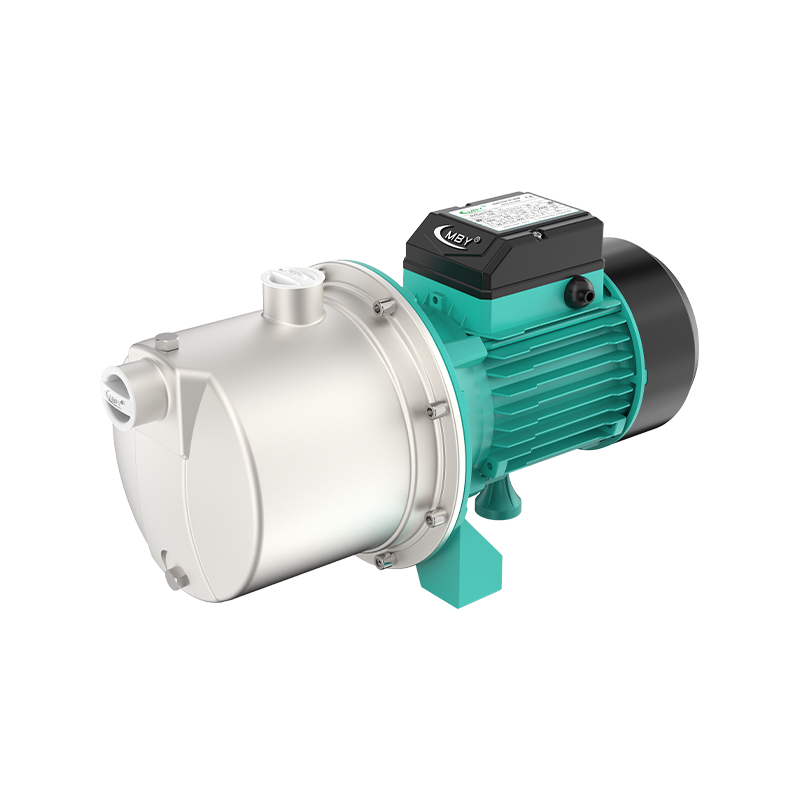
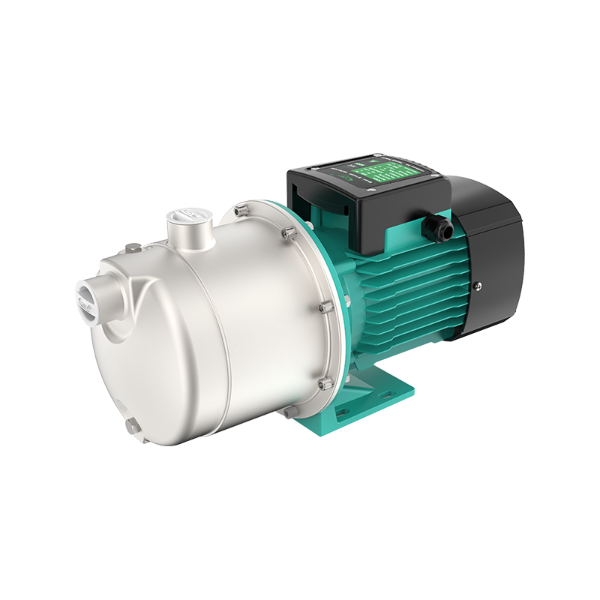
When it comes to pumps that can perform under extreme conditions, the stainless steel jet pump stands out as one of the most reliable and durable options available. Whether used in agriculture, industry, or domestic applications, stainless steel jet pumps offer a combination of strength, corrosion resistance, and performance that other materials struggle to match.
One of the key reasons stainless steel jet pumps excel in demanding conditions is their exceptional durability. Stainless steel is known for its resistance to corrosion, rust, and chemical degradation, which makes it ideal for environments exposed to moisture, extreme temperatures, or aggressive chemicals. In contrast, pumps made from materials like cast iron, plastic, or aluminum are more prone to wear and tear, rust, and deterioration, especially in harsh conditions such as:
Stainless steel’s resistance to corrosion ensures that the pump maintains its integrity, reducing the need for frequent replacements or repairs.
Stainless steel is also a stronger material compared to alternatives, allowing it to perform optimally under high pressure. Self-priming jet pumps, which rely on suction to draw water or fluid, often face pressure challenges, especially when used in deep well applications or systems requiring high lift capabilities. The robustness of stainless steel jet pumps ensures they can handle these pressure demands without the risk of cracking or deforming, something that can occur with weaker materials like plastic or even cast iron under sustained high-pressure conditions.
Another advantage of stainless steel jet pumps is their ability to handle abrasive and aggressive fluids. In industries such as mining, wastewater treatment, and chemical processing, pumps frequently come into contact with abrasive particles or harsh chemicals that could degrade less resilient materials. Stainless steel’s hardness and resistance to abrasive wear make it a prime candidate for such applications.
| Material | Corrosion Resistance | Durability | Performance in Harsh Conditions | Cost |
|---|---|---|---|---|
| Stainless Steel | Excellent | High | Superior | High |
| Cast Iron | Moderate | Moderate | Good, but prone to rust | Medium |
| Plastic | Low | Low | Limited performance | Low |
| Aluminum | Moderate | Moderate | Good, but prone to corrosion | Medium |
Self-priming jet pumps are known for their ability to operate efficiently without requiring manual priming, which is particularly useful in deep-well applications or systems where water may not be readily available to fill the pump before it starts operating. Stainless steel self-priming jet pumps ensure that the pump’s performance remains unaffected by air bubbles, debris, or contaminants in the fluid, thanks to the material’s stability and smooth surfaces that help minimize clogging and damage over time.
Stainless steel jet pumps are used in a wide range of applications due to their versatility and high performance. Some of the key industries benefiting from stainless steel jet pumps include:
While the upfront cost of stainless steel jet pumps may be higher compared to other materials, the long-term savings in maintenance, repairs, and replacements make them an economically viable option for many businesses and individuals. Additionally, stainless steel is a recyclable material, contributing to sustainability efforts and reducing environmental impact.
Stainless steel jet pumps offer unmatched advantages in terms of durability, strength, and performance in harsh conditions. Whether you’re dealing with high-pressure systems, corrosive chemicals, or abrasive fluids, stainless steel jet pumps provide reliability that other materials simply can’t match. Their ability to withstand extreme environments without compromising on efficiency makes them the go-to choice for industries and applications where performance is critical.
1. What are the main benefits of using stainless steel jet pumps?
Stainless steel jet pumps are durable, corrosion-resistant, and able to handle high pressure and abrasive fluids, making them ideal for harsh environments.
2. How do self-priming jet pumps work?
Self-priming jet pumps are designed to automatically remove air from the pump to create a vacuum, enabling them to operate without the need for manual priming.
3. What industries commonly use stainless steel jet pumps?
Stainless steel jet pumps are widely used in agriculture, industrial processes, and domestic water systems, particularly where reliability and long-term durability are essential.
4. Are stainless steel jet pumps more expensive than other types?
Yes, stainless steel jet pumps tend to have a higher initial cost compared to other materials, but their long-term durability and low maintenance requirements make them a cost-effective choice.
5. Can stainless steel jet pumps handle extreme temperatures?
Yes, stainless steel is highly resistant to both high and low temperatures, making these pumps suitable for applications in a variety of environmental conditions.
Hot News
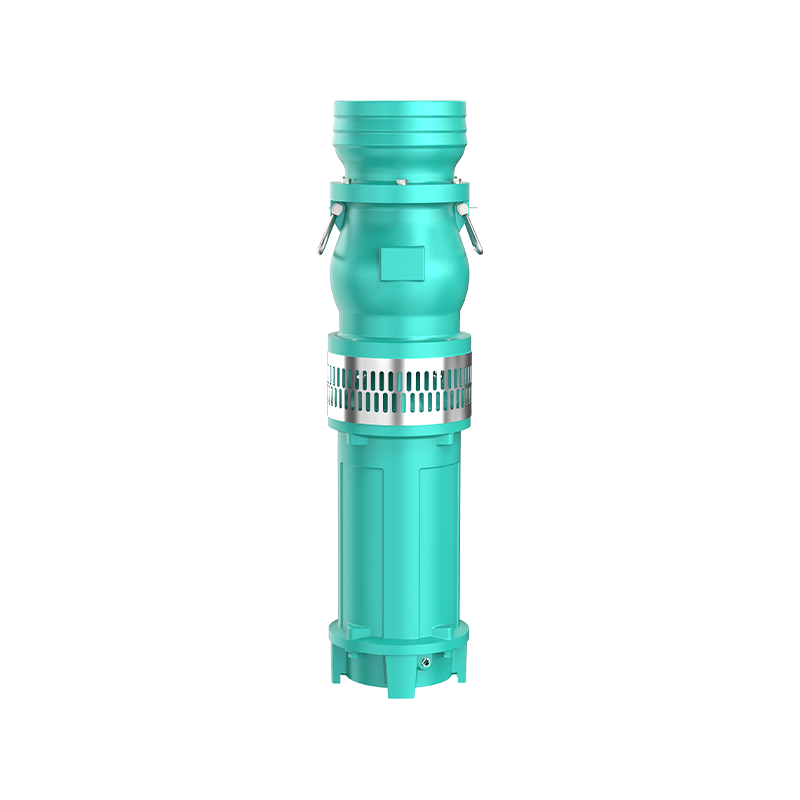 Oil Immersed Submersible Electric Pump: Working Principles, Applications, and Future Trends
Sep 04, 2025
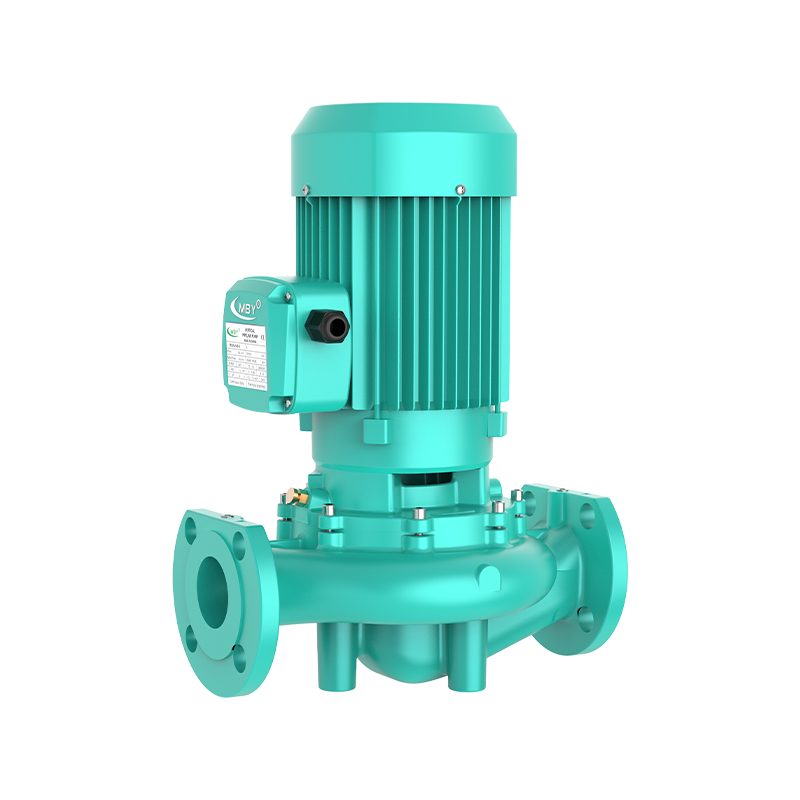 Global Pipeline Centrifugal Pump Industry Update: High-Efficiency Double Suction and Magnetic Drive Technologies Leading the Industrial Water Treatment Revolution
Sep 04, 2025
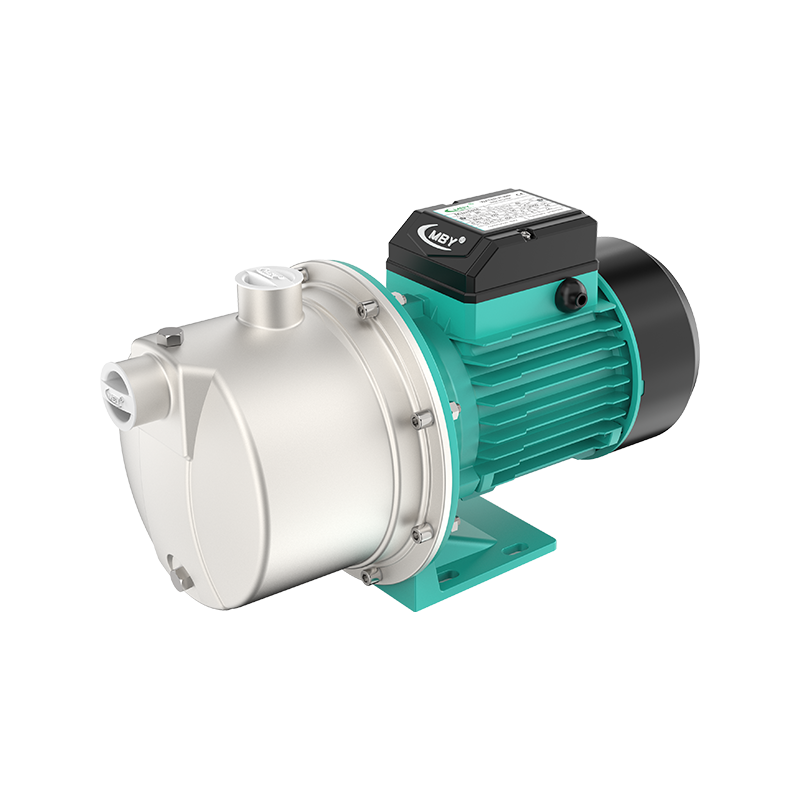 Complete Guide to Household Water Pumps: From Selection, Installation to Maintenance, Your Home's 'Water Butler'
Sep 04, 2025
 Can the intelligent automatic self-priming vortex water pump lead a new era in water management?
Sep 04, 2025
Get In Touch

Address 1:
No. 4 Taoyuan Road, Taozhou Town, Guangde City, Xuancheng City, Anhui Province, China
Address 2:
Daxi Town, Wenling City, Taizhou City, Zhejiang Province, China Pump Industry Intelligent Manufacturing Town