

 English
 русский
 Español
 Português
 عربى
عربى
 Türk
Türk








+86 18395326713
Oct 23, 2025
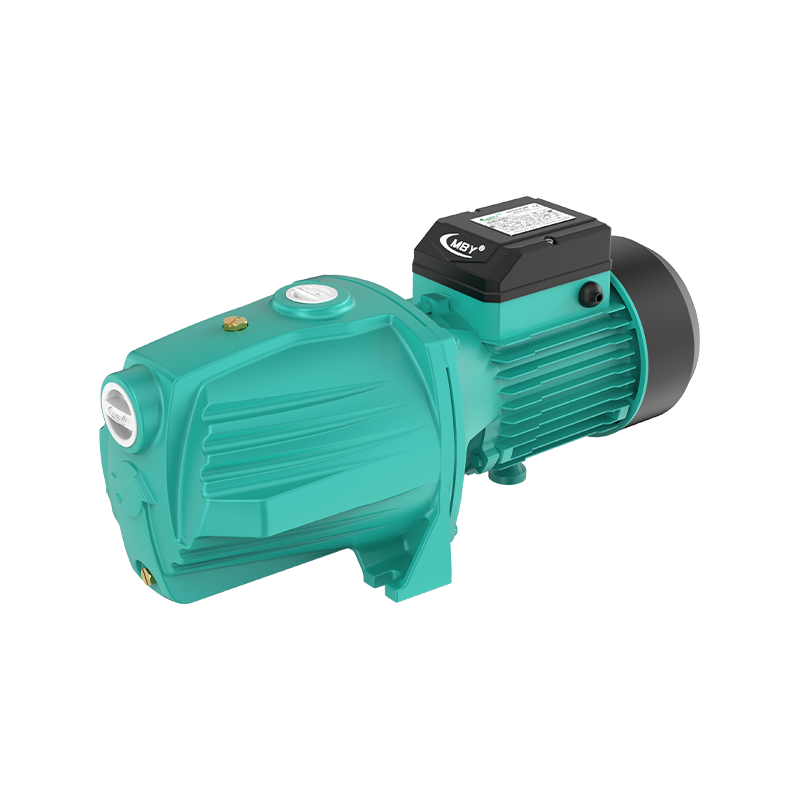
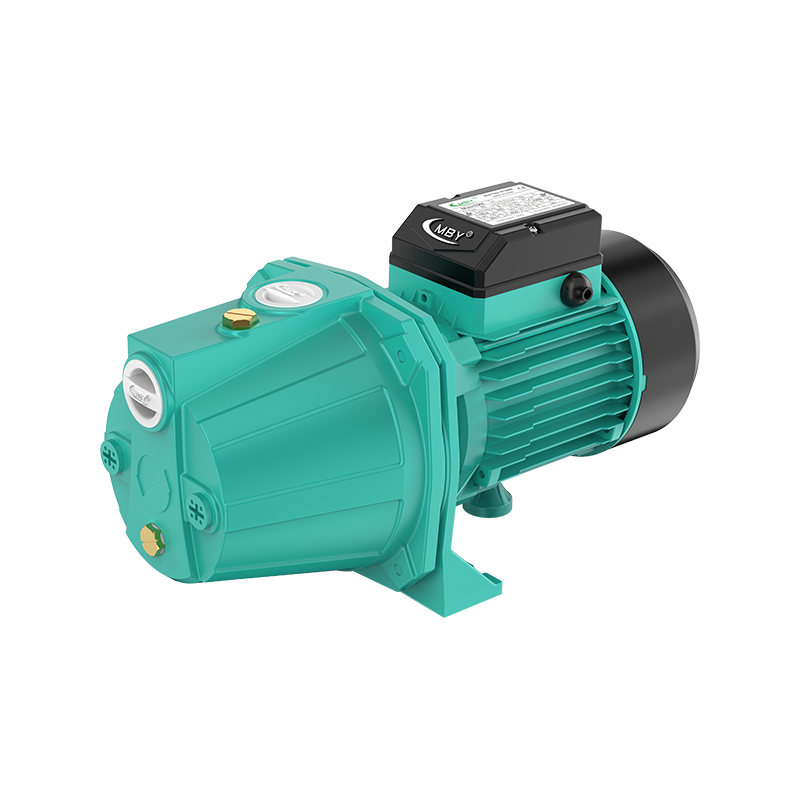
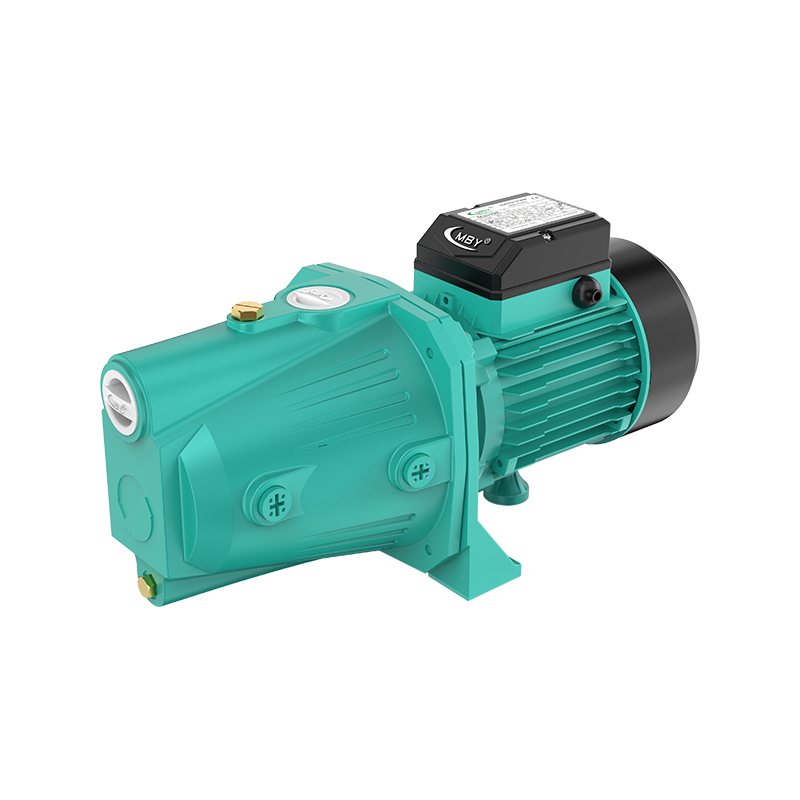
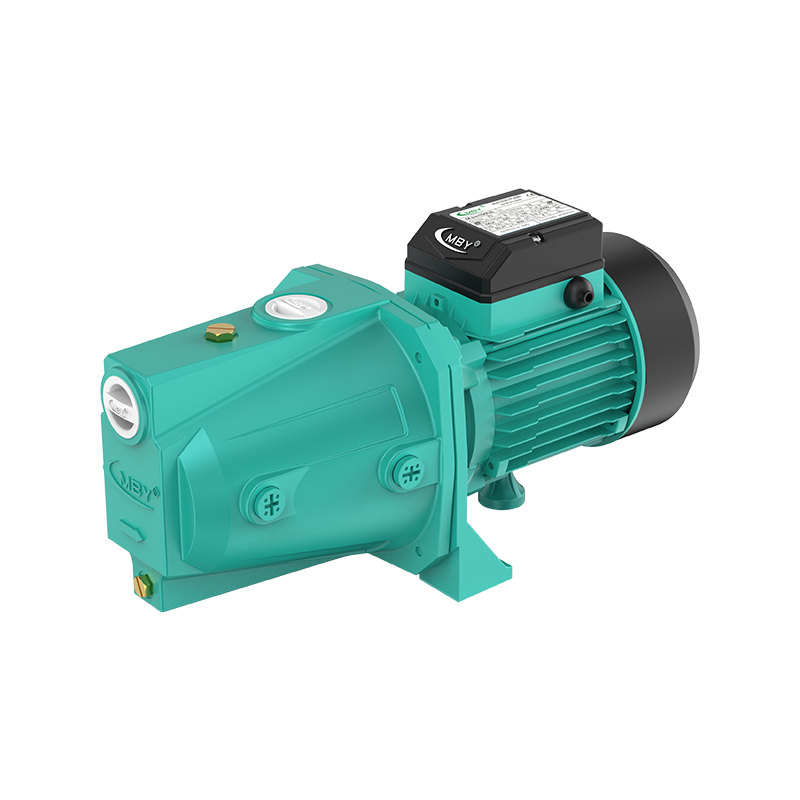
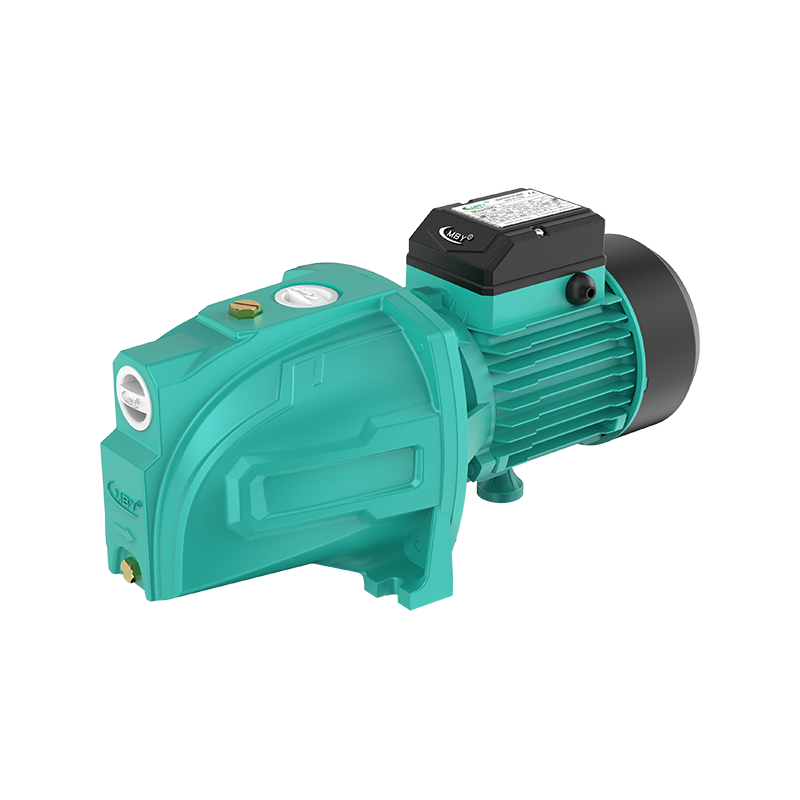
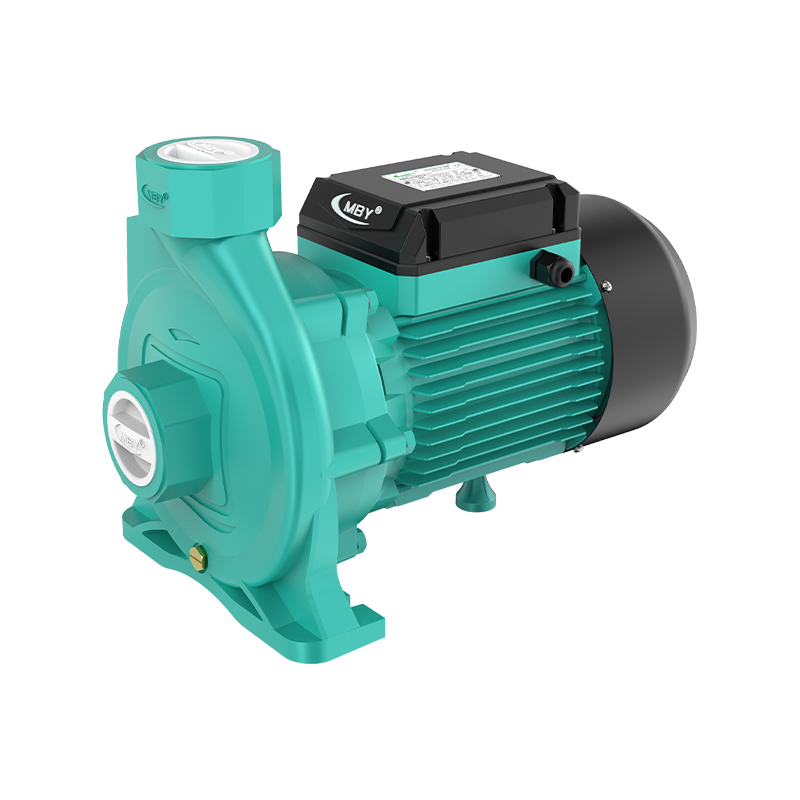
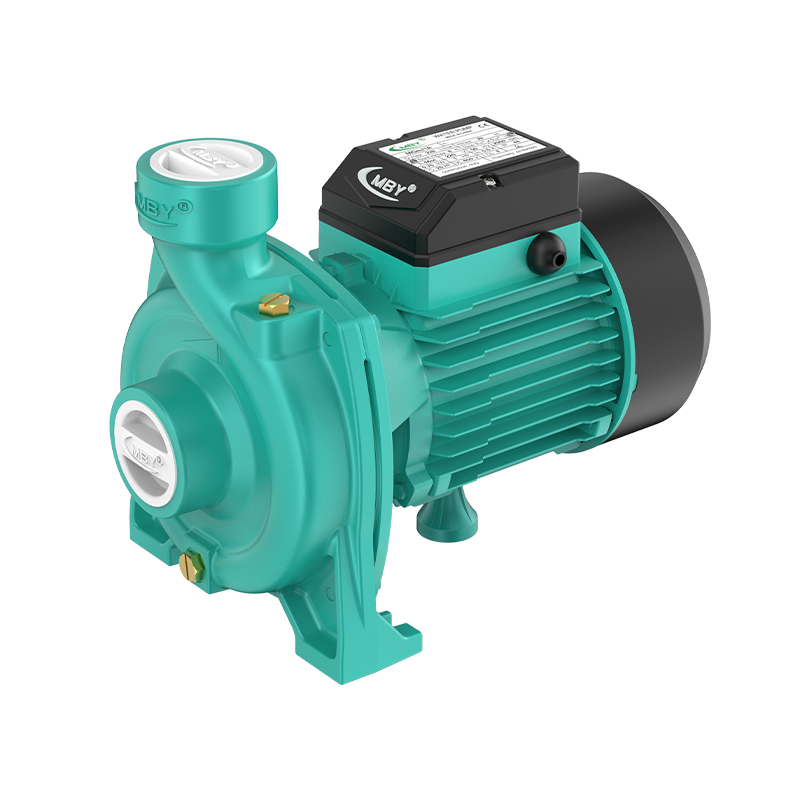
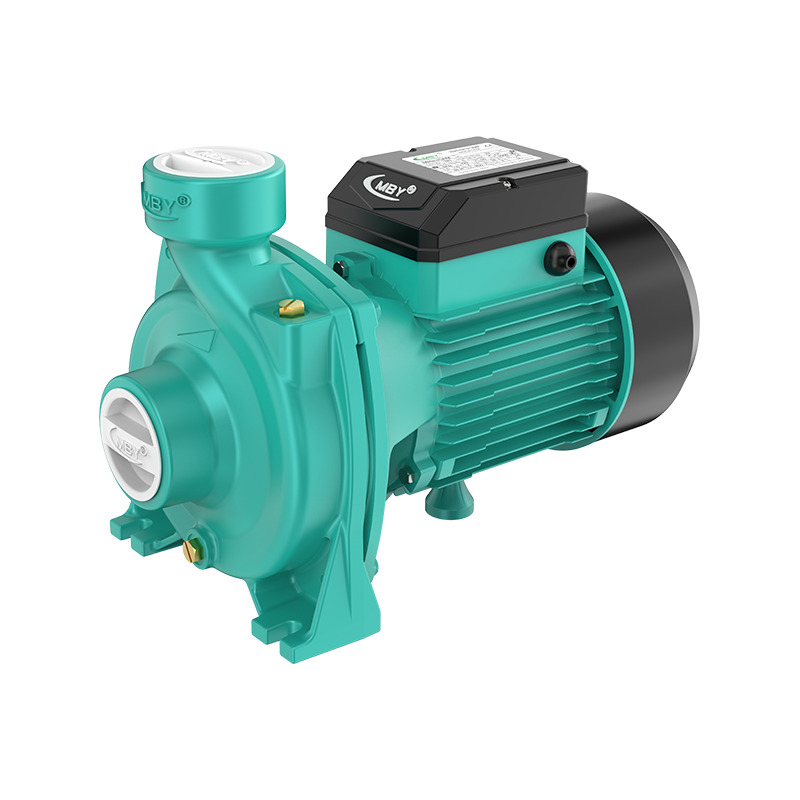
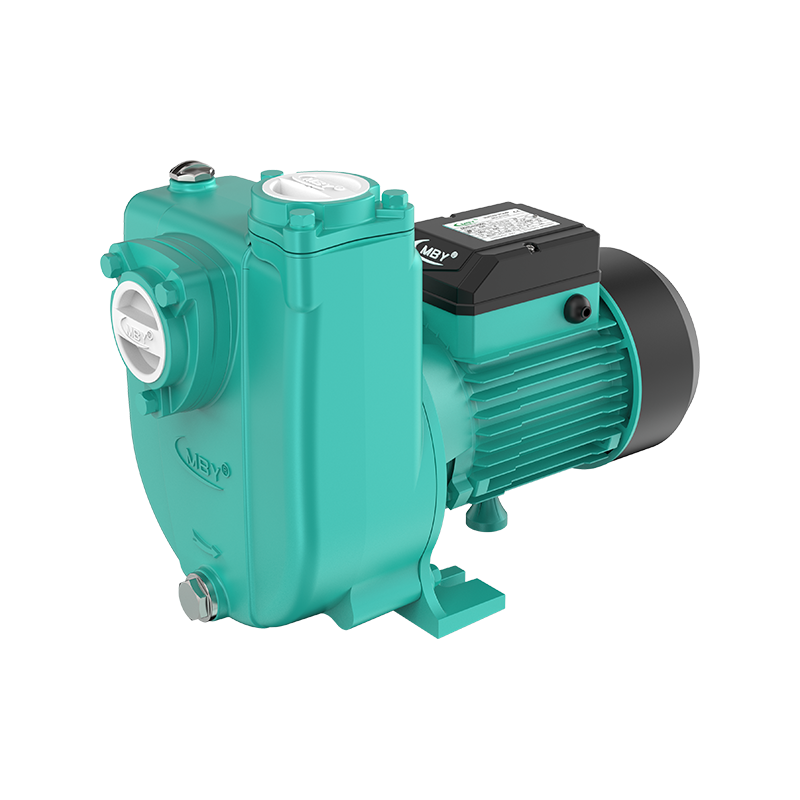
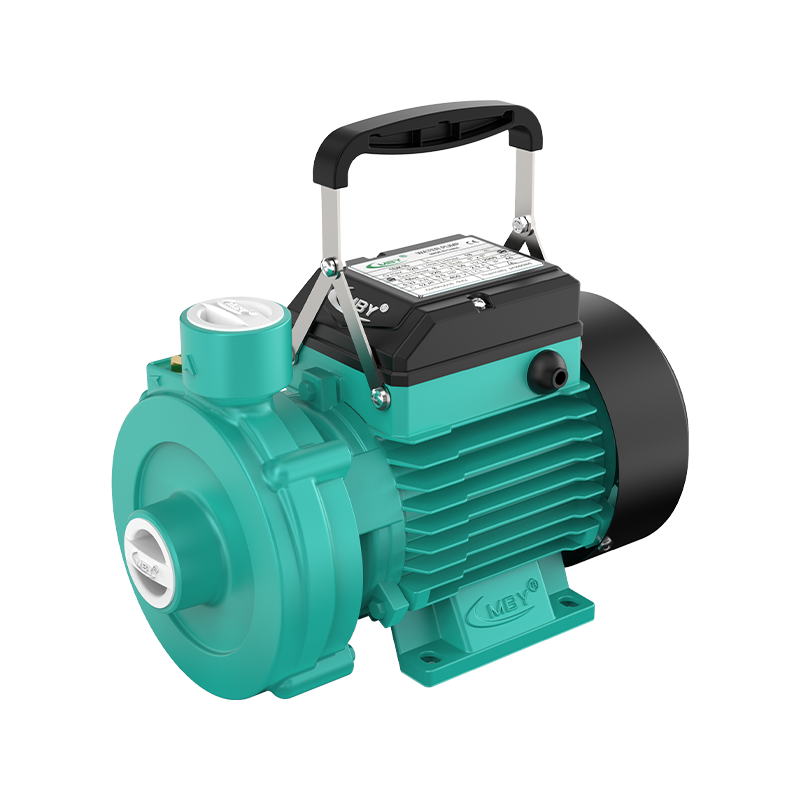
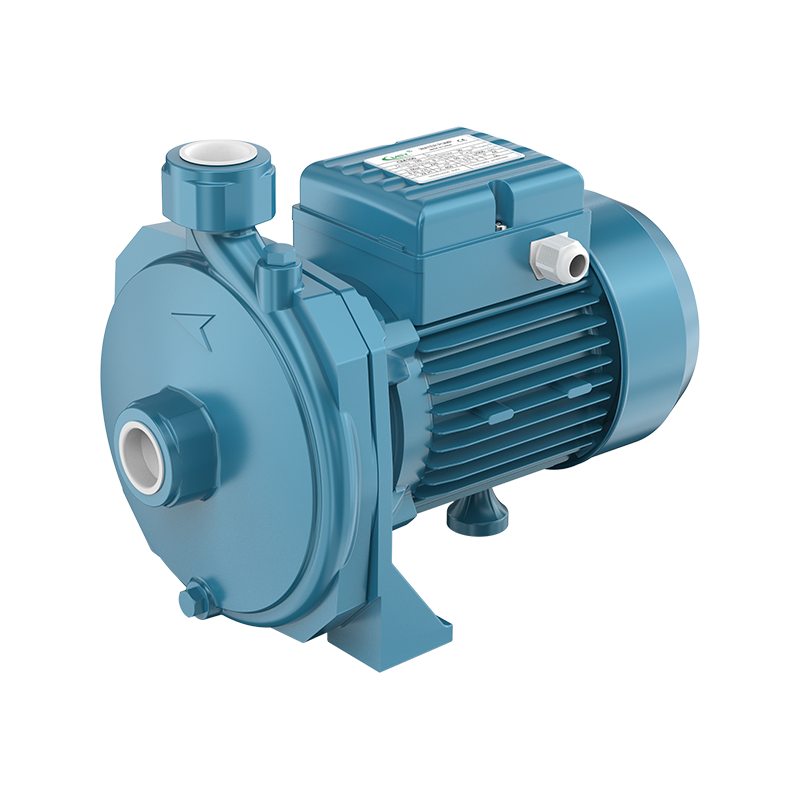
In modern industrial applications, the centrifugal pump has emerged as an essential component in fluid transport systems. From water treatment to chemical processing, these pumps are critical for ensuring reliable and efficient operation. Among the many types available, the focus on energy-efficient and high-performance centrifugal pumps has grown significantly, driven by the dual pressures of operational cost reduction and environmental sustainability.
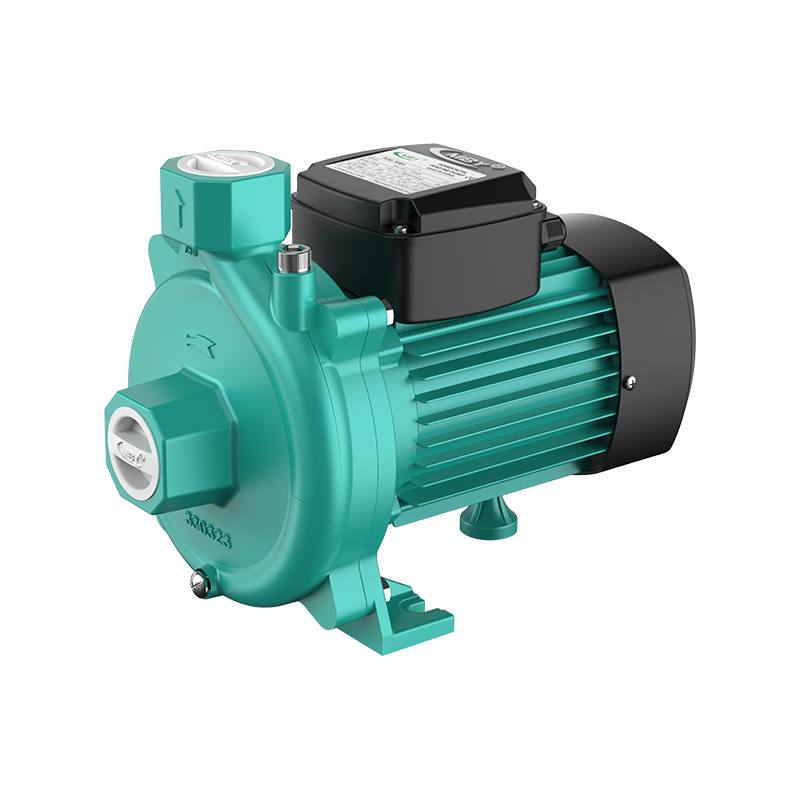
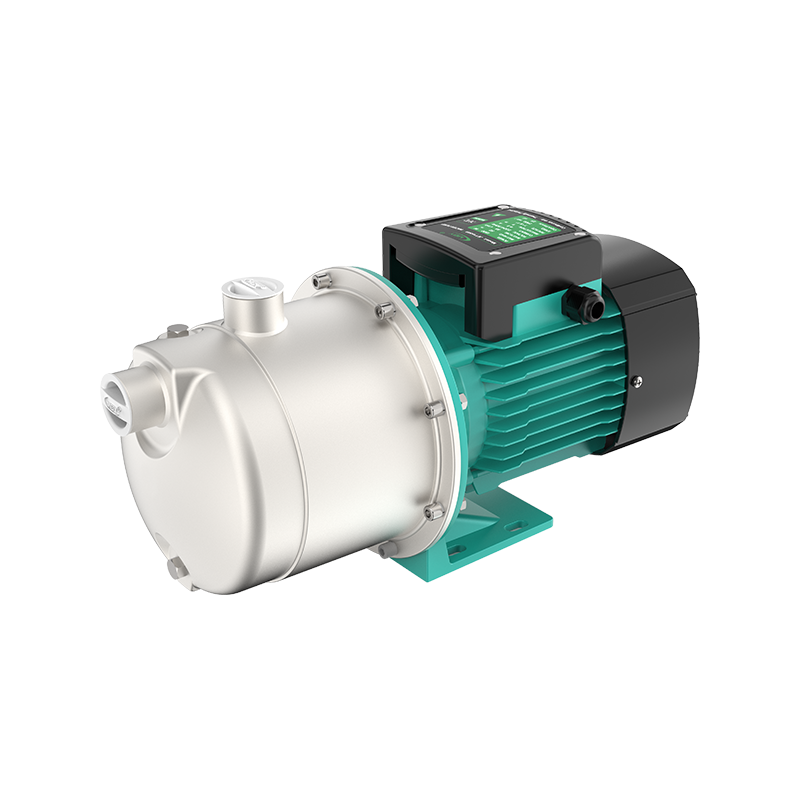
A centrifugal pump operates by converting rotational kinetic energy, typically from an electric motor, into hydrodynamic energy of the fluid. The design of the impeller, volute, and motor directly affects efficiency. Recent advances in impeller geometry have led to higher flow rates and reduced energy consumption. The use of stainless steel centrifugal pumps in corrosive environments ensures durability while maintaining performance.
Key Features of High-Efficiency Centrifugal Pumps:
| Feature | Description | Benefit |
|---|---|---|
| Impeller Design | Optimized blade geometry | Higher flow rates, reduced energy loss |
| Motor Coupling | Directly coupled to high-efficiency electric motor | Lower operational costs |
| Material | Stainless steel or corrosion-resistant alloys | Extended lifespan in chemical and water applications |
| Flow Control | Adjustable inlet and outlet valves | Precise control over system performance |
| Noise & Vibration | Low-noise construction | Improved workplace environment |
Centrifugal pumps are widely used in water treatment facilities. Water centrifugal pumps ensure continuous fluid circulation and maintain pressure across treatment lines. In chemical industries, corrosion-resistant centrifugal pumps allow safe transfer of aggressive fluids without frequent maintenance.
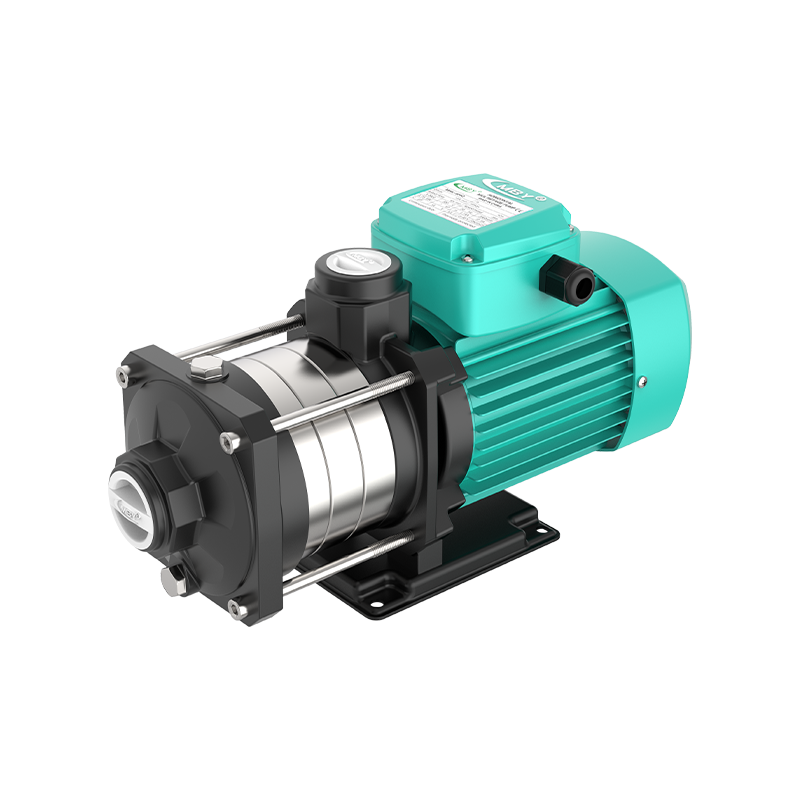
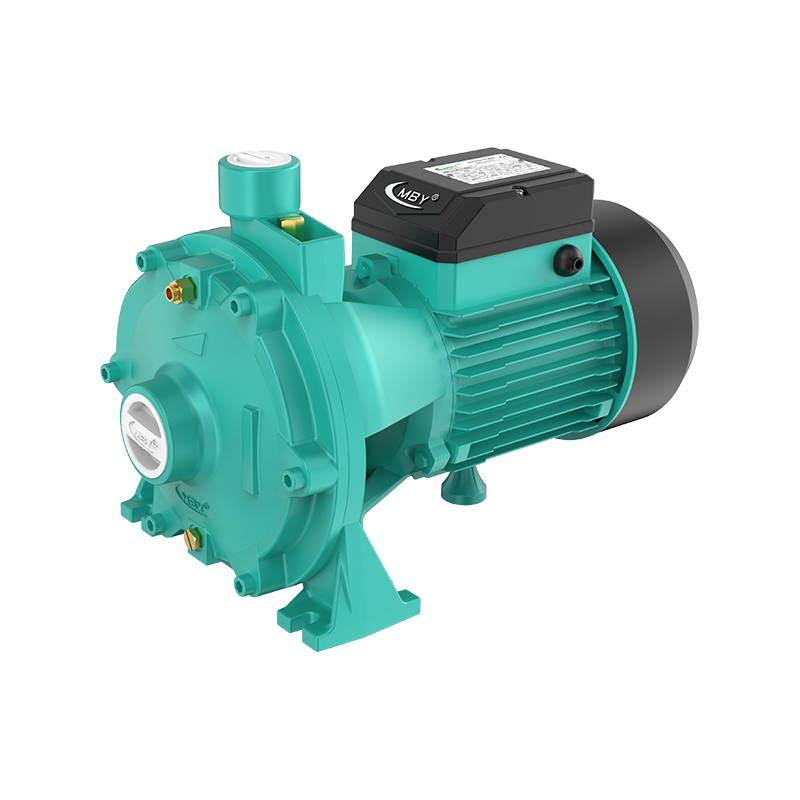
A growing trend is the use of multistage centrifugal pumps for high-pressure applications. By combining multiple impellers in series, these pumps can achieve greater pressure while maintaining energy efficiency.
Industrial Applications Table:
| Application | Recommended Pump Type | Advantages |
|---|---|---|
| Water treatment | Water centrifugal pump | Continuous operation, low maintenance |
| Chemical processing | Corrosion-resistant centrifugal pump | Handles aggressive chemicals safely |
| Heating & cooling systems | Multistage centrifugal pump | High pressure with energy efficiency |
| Irrigation systems | Centrifugal pump for irrigation | Reliable flow over long distances |
| Small factories | Compact centrifugal pump | Space-saving and cost-effective |
One of the most critical aspects of modern centrifugal pumps is energy efficiency. Industrial facilities account for a significant portion of global energy consumption, and pumping systems represent a notable share of this. Energy-efficient centrifugal pumps, often paired with variable frequency drives, can reduce energy consumption without compromising performance. The benefits are twofold: lower electricity bills and reduced carbon footprint.
Technological innovation continues to shape the centrifugal pump market. Innovations include:
Improved Impeller Designs: Advanced computational fluid dynamics (CFD) modeling allows designers to optimize impeller shapes, increasing efficiency and reducing cavitation risks.
Smart Monitoring Systems: Sensors embedded in pumps provide real-time data on flow, pressure, and vibration, enabling predictive maintenance.
Material Upgrades: The use of advanced alloys and composite materials extends service life, particularly in chemically aggressive environments.
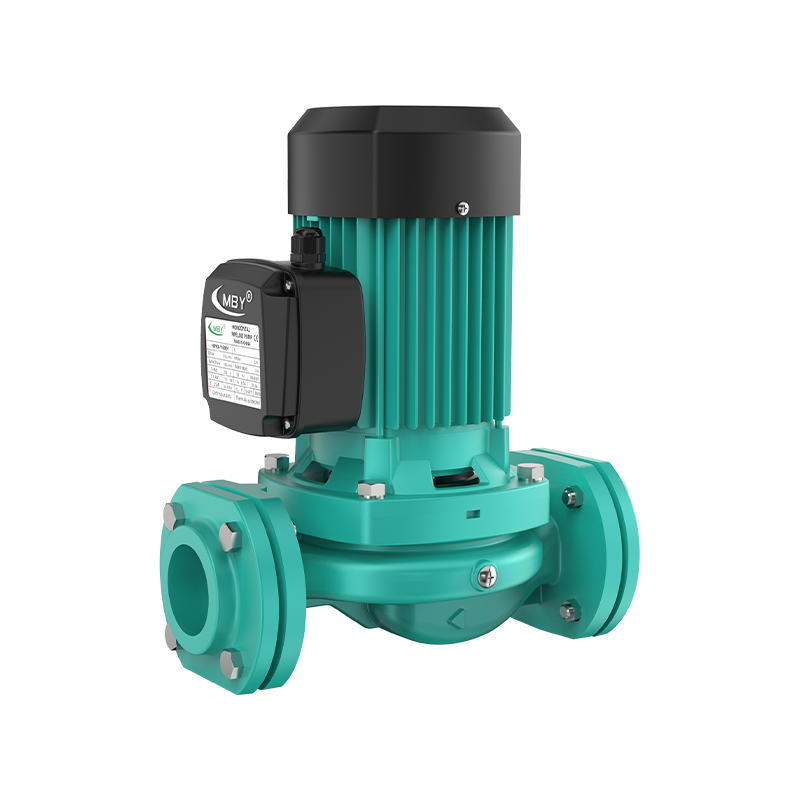
Compact Designs: Horizontal centrifugal pumps and vertical centrifugal pumps are increasingly compact, allowing easier installation in confined spaces.
These advancements not only enhance pump performance but also address industrial demands for reliability, durability, and low operational costs.
Regular maintenance remains a cornerstone of optimal pump performance. Energy-efficient centrifugal pumps require less frequent intervention but still benefit from periodic inspection. Key maintenance tasks include monitoring seal integrity, checking motor alignment, and ensuring impeller balance.
For industrial users, knowledge of centrifugal pump operation is critical. Proper maintenance can extend pump lifespan significantly, reducing replacement costs and downtime.
The centrifugal pump market continues to grow, driven by industrialization, urban water management, and energy-conscious operations. Some notable trends include:
Increased Adoption of Multistage Centrifugal Pumps: These are favored in high-pressure applications where single-stage pumps cannot meet operational requirements.
Integration of Smart Monitoring Systems: Real-time operational data ensures timely maintenance and prevents unexpected failures.
Sustainability-Focused Pump Selection: Industries are prioritizing energy-efficient pumps that reduce environmental impact.
A summary of market-oriented features:
| Trend | Impact on Industry | Example Keywords |
|---|---|---|
| Multistage pumps | High-pressure efficiency | multistage centrifugal pump for hot water circulation |
| Smart sensors | Predictive maintenance | centrifugal pump with low noise and vibration |
| Energy efficiency | Reduced operational costs | energy efficient industrial centrifugal pump |
| Material innovation | Extended lifespan | corrosion-resistant centrifugal pump for chemicals |
Centrifugal pumps remain a vital part of modern industrial infrastructure. The continuous evolution of design, materials, and technology ensures these pumps deliver high performance, energy efficiency, and durability. By focusing on features such as high-efficiency impellers, corrosion-resistant materials, and advanced monitoring, industries can achieve reliable fluid transport while minimizing costs and environmental impact.
Hot News
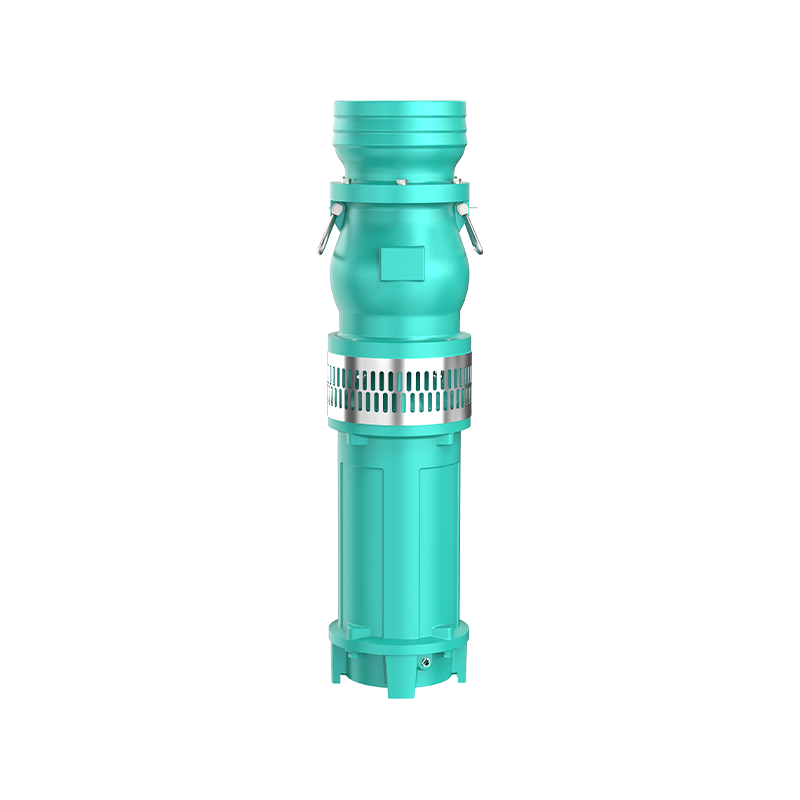 Oil Immersed Submersible Electric Pump: Working Principles, Applications, and Future Trends
Sep 04, 2025
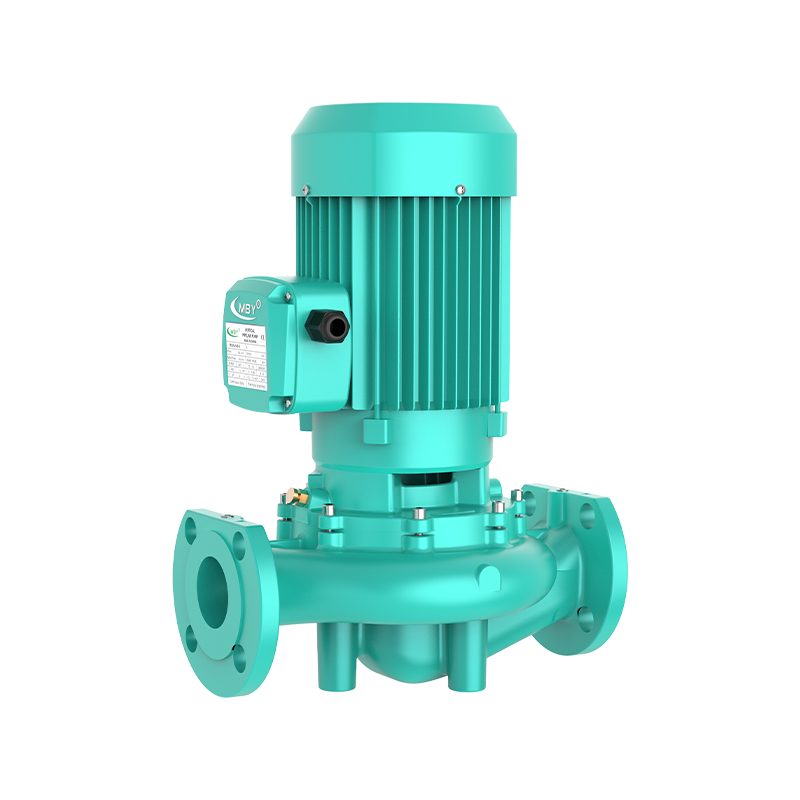 Global Pipeline Centrifugal Pump Industry Update: High-Efficiency Double Suction and Magnetic Drive Technologies Leading the Industrial Water Treatment Revolution
Sep 04, 2025
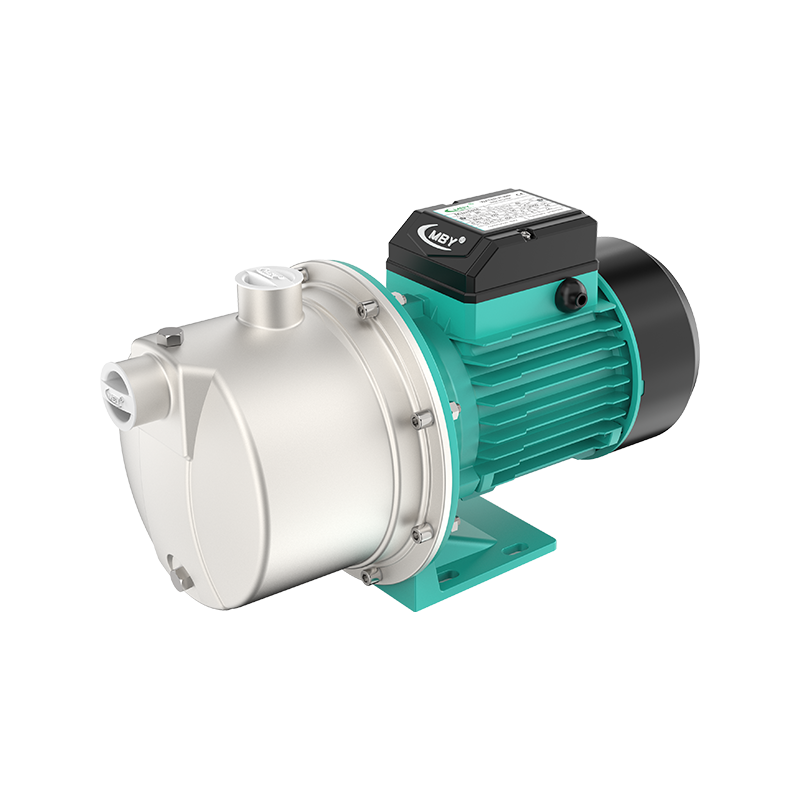 Complete Guide to Household Water Pumps: From Selection, Installation to Maintenance, Your Home's 'Water Butler'
Sep 04, 2025
 Can the intelligent automatic self-priming vortex water pump lead a new era in water management?
Sep 04, 2025
Get In Touch

Address 1:
No. 4 Taoyuan Road, Taozhou Town, Guangde City, Xuancheng City, Anhui Province, China
Address 2:
Daxi Town, Wenling City, Taizhou City, Zhejiang Province, China Pump Industry Intelligent Manufacturing Town