
 English
 русский
 Español
 Português
 عربى
عربى
 Türk
Türk








+86 18395326713
Oct 30, 2025
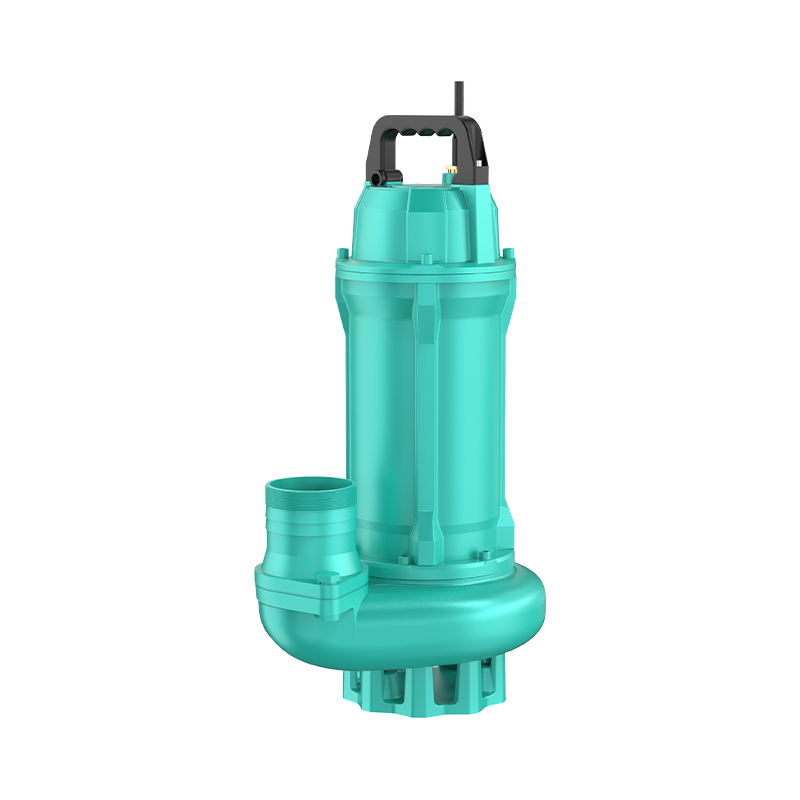
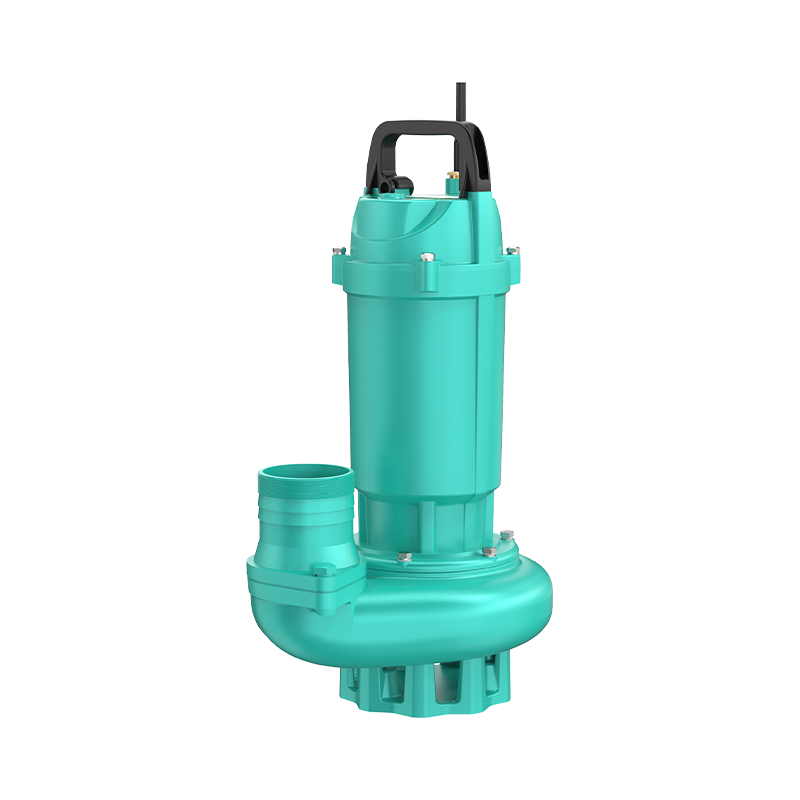
In the modern water management and irrigation industry, energy consumption has become a central concern. Submersible water pumps play a critical role in moving water efficiently from wells, ponds, and reservoirs to homes, farms, and industrial facilities. Among various features, energy efficiency has emerged as a defining factor influencing adoption. Submersible water pumps manufacturers are increasingly prioritizing designs that deliver higher performance while consuming less electricity.
Submersible water pumps are designed to operate fully submerged in water, which allows them to take advantage of natural cooling and reduce mechanical stress. This inherent design provides opportunities to optimize motor performance, reducing energy wastage. High efficiency submersible water pump designs now integrate features such as low friction bearings, precision-engineered impellers, and optimized motor windings.
By minimizing energy loss, users can achieve substantial cost savings over the operational life of the pump. This has made energy efficiency not just an environmental consideration but also an economic imperative. Submersible water pumps manufacturers have been focusing on this aspect to meet growing regulatory requirements and customer expectations.
The performance of submersible water pumps is influenced by multiple factors, including flow rate, head pressure, and power consumption. The following table illustrates typical performance characteristics for a range of domestic and agricultural submersible water pumps:
| Pump Type | Flow Rate (m³/h) | Head (m) | Power Consumption (kW) | Efficiency (%) |
|---|---|---|---|---|
| Domestic Submersible Pump | 2–5 | 20–40 | 0.37–0.75 | 65–72 |
| Farm Irrigation Pump | 5–15 | 30–60 | 0.75–2.2 | 70–78 |
| Deep Well Pump | 10–25 | 50–100 | 1.5–5.5 | 75–82 |
Material selection plays a crucial role in enhancing the durability and efficiency of submersible water pumps. Stainless steel impellers and corrosion-resistant casings reduce friction and prevent scale buildup, which can otherwise reduce energy efficiency over time.
Additionally, low-maintenance designs ensure that pumps maintain peak efficiency throughout their operational life. Submersible water pumps with features such as automatic float switches, corrosion-resistant coatings, and high-quality sealing systems have become industry standards for energy-conscious users.
Submersible water pumps are widely used in domestic water supply, irrigation, pond water circulation, and rainwater harvesting systems. Each application requires careful consideration of energy efficiency parameters.
Domestic Use: High efficiency submersible water pump designs for home use offer quieter operation and reduced electricity bills. They are often paired with water storage systems to optimize pumping cycles.
Farm Irrigation: Pumps designed for agricultural water supply need to deliver high flow rates over long distances. Energy-efficient models reduce operational costs significantly in large-scale irrigation systems.
Borewell and Deep Well Applications: These pumps require higher head capabilities. Manufacturers focus on motor optimization and hydrodynamic impeller designs to minimize energy loss while maintaining reliability.
The shift towards smart water management has further emphasized the need for energy-efficient pumps. Submersible water pumps can now be integrated with automated systems that monitor water levels, flow rates, and energy consumption. Such systems allow users to schedule pump operation based on demand, further reducing unnecessary energy use.
| Feature | Benefit |
|---|---|
| Automatic Float Switch | Prevents dry run, saves energy |
| Variable Frequency Drive (VFD) | Adjusts motor speed to demand, reduces power consumption |
| Corrosion-Resistant Materials | Maintains efficiency over time, reduces maintenance costs |
| Compact Design | Enables installation in confined spaces without performance loss |
Energy-efficient submersible water pumps not only reduce electricity bills but also lower carbon footprints. With electricity generation accounting for a significant portion of greenhouse gas emissions, optimizing pump performance contributes to broader sustainability goals.
High efficiency submersible water pump models consume less power for the same water output, making them a cost-effective choice for households, farms, and industrial facilities. Submersible water pumps manufacturers are increasingly highlighting energy ratings in product specifications, guiding buyers toward environmentally responsible selections.
The demand for energy-efficient water pumps continues to grow, driven by urban expansion, agricultural modernization, and stricter energy regulations. Submersible water pumps are being designed to meet both high-flow and low-energy requirements, creating a new standard for performance.
Emerging trends include:
Integration with solar-powered systems for off-grid water supply.
Smart monitoring for predictive maintenance and energy optimization.
Lightweight and corrosion-resistant designs to extend operational life.
Energy efficiency has become a defining feature in the evolution of submersible water pumps. From domestic to industrial applications, high efficiency submersible water pump designs offer substantial cost savings, reduced environmental impact, and enhanced reliability. Submersible water pumps manufacturers continue to focus on innovation, delivering products that combine performance, durability, and energy optimization.
Hot News
 Oil Immersed Submersible Electric Pump: Working Principles, Applications, and Future Trends
Sep 04, 2025
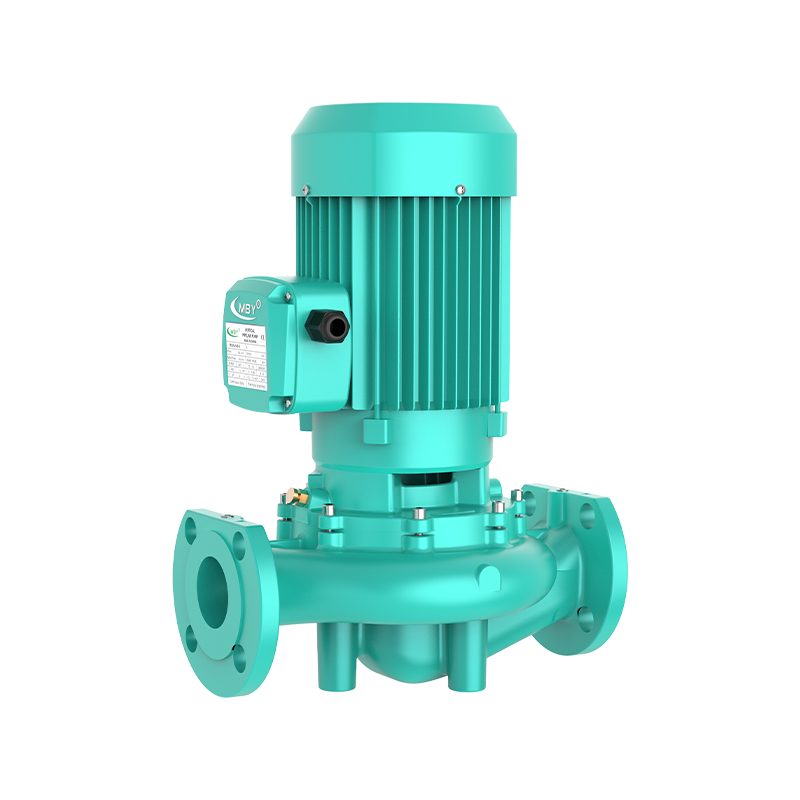 Global Pipeline Centrifugal Pump Industry Update: High-Efficiency Double Suction and Magnetic Drive Technologies Leading the Industrial Water Treatment Revolution
Sep 04, 2025
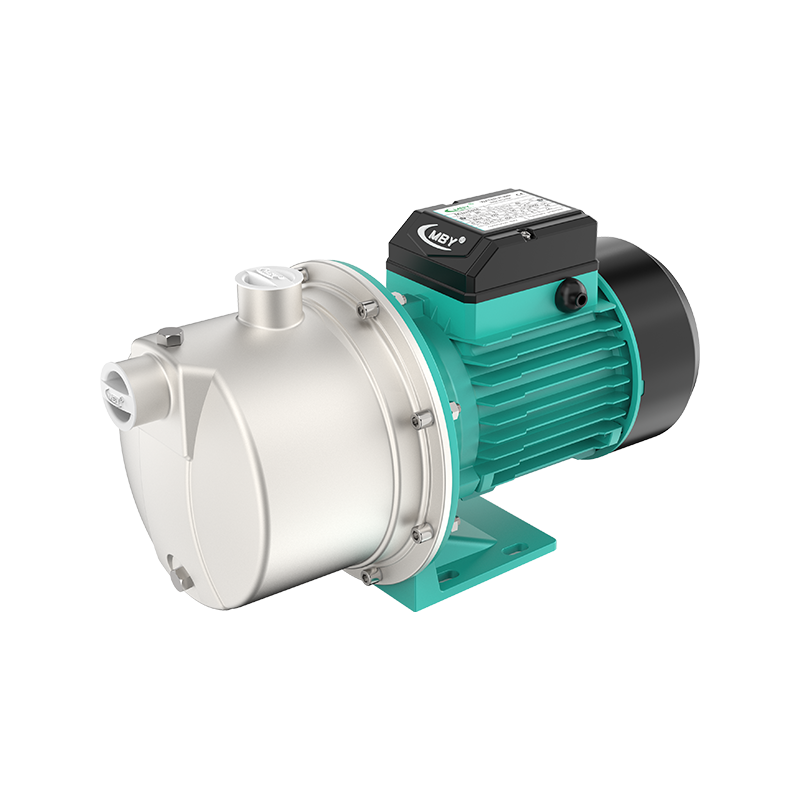 Complete Guide to Household Water Pumps: From Selection, Installation to Maintenance, Your Home's 'Water Butler'
Sep 04, 2025
 Can the intelligent automatic self-priming vortex water pump lead a new era in water management?
Sep 04, 2025
Get In Touch

Address 1:
No. 4 Taoyuan Road, Taozhou Town, Guangde City, Xuancheng City, Anhui Province, China
Address 2:
Daxi Town, Wenling City, Taizhou City, Zhejiang Province, China Pump Industry Intelligent Manufacturing Town