

 English
 русский
 Español
 Português
 عربى
عربى
 Türk
Türk








+86 18395326713
Oct 16, 2025
In modern agricultural systems, the efficiency of water distribution directly determines crop yields and energy costs. With the expansion of farming areas and shifting climate patterns, traditional irrigation methods are being replaced by precise water delivery systems powered by agricultural water pumps. These devices not only play a central role in irrigation but also serve as an indicator of the overall mechanization level of agriculture.
Currently, irrigation systems demand diversified pump performance. Farmers and system designers focus on energy efficiency, flow stability, lift adaptability, and durability. Especially in arid regions or multi-level irrigation networks, pump efficiency affects both irrigation coverage and overall system economics. Under this trend, agricultural water pumps manufacturers are prioritizing energy optimization and system compatibility, improving the structural balance between pump bodies and power units.
High efficiency has become one of the defining features of modern agricultural water pumps. It represents not only lower power consumption but also superior hydraulic stability and mechanical conversion efficiency. Compared with older models, new-generation irrigation water pumps maintain consistent flow under varying water source conditions through optimized structure and impeller geometry.
| Performance Category | Technical Focus | Implementation | Application Scenario |
|---|---|---|---|
| Energy Efficiency | Reduce power loss | Use of high-efficiency motors and low-friction bearings | Electrified irrigation systems |
| Flow Stability | Maintain pressure balance | Multi-blade impellers and flow guides | Large-area sprinkler irrigation |
| Durability | Extend service life | Corrosion-resistant materials and reinforced seals | Groundwater and sandy environments |
| Intelligent Control | Improve regulation accuracy | Automatic pressure-sensing modules | Automated irrigation networks |
agricultural water pumps manufacturers continuously refine these elements, adjusting axial gaps and minimizing fluid turbulence to ensure that water delivery remains stable and energy-efficient even under high head conditions.
From an engineering perspective, the efficiency of agricultural water pumps is not achieved by a single component but through system-wide optimization. The key lies in maintaining smooth energy transfer within the pump chamber and minimizing losses during liquid flow through the impeller.
Hydraulic Efficiency – By optimizing impeller inlet and outlet angles, turbulence and vortex formation are reduced, minimizing energy loss.
Mechanical Efficiency – Lightweight materials and precision balancing allow rotating parts to operate at high speeds with minimal resistance.
Volumetric Efficiency – Pump chamber design maintains a linear relationship between fluid volume and pressure changes, reducing cavitation and backflow.
These engineering measures enable agricultural water pumps to achieve higher output flow at the same power input, effectively lowering energy costs while extending operational lifespan.
The development of energy-efficient irrigation water pumps has shifted the focus of agricultural water systems from energy consumption to energy efficiency. In irrigation practice, pump efficiency directly correlates with water utilization rates. High-efficiency systems minimize start-up time, reduce pressure fluctuations, and stabilize sprinkler and drip irrigation performance.
The emergence of solar water pumps for irrigation has further advanced this transformation. Driven by photovoltaic modules, these systems minimize reliance on electricity grids or fuel-based power sources. For large-scale or remote agricultural zones, they provide a sustainable and low-cost water supply solution.
agricultural water pumps manufacturers are also adopting modular designs, allowing compatibility across different power inputs—electric, diesel, or solar—while maintaining consistent flow and lift through smart control mechanisms.
Choosing the right pump type is essential to achieving efficient irrigation. The following table summarizes the structural characteristics and applicable scenarios of common agricultural water pump types:
| Pump Type | Structural Features | Application Scenario | Key Advantage |
|---|---|---|---|
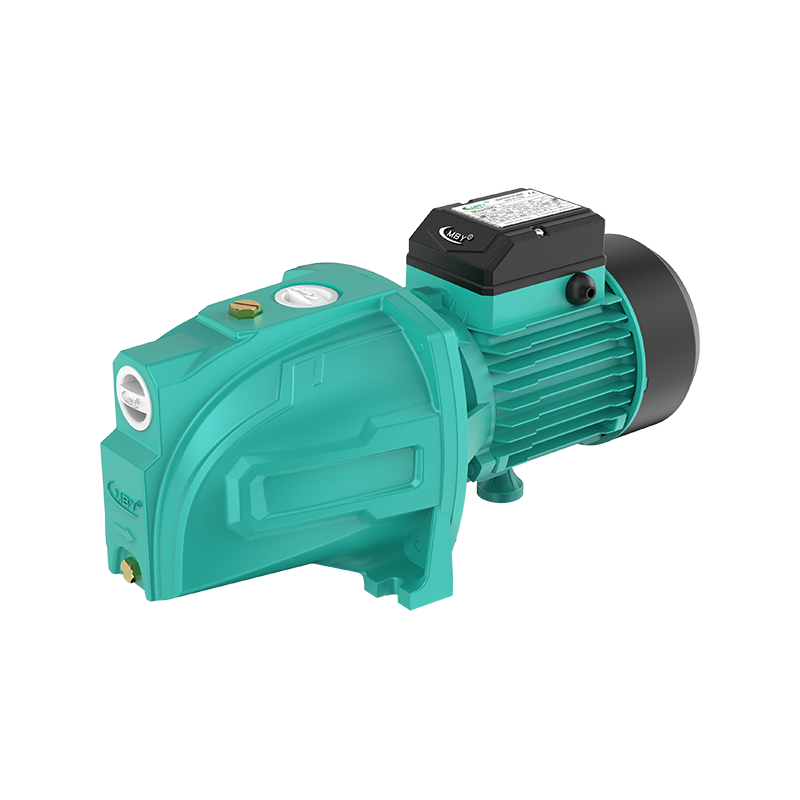
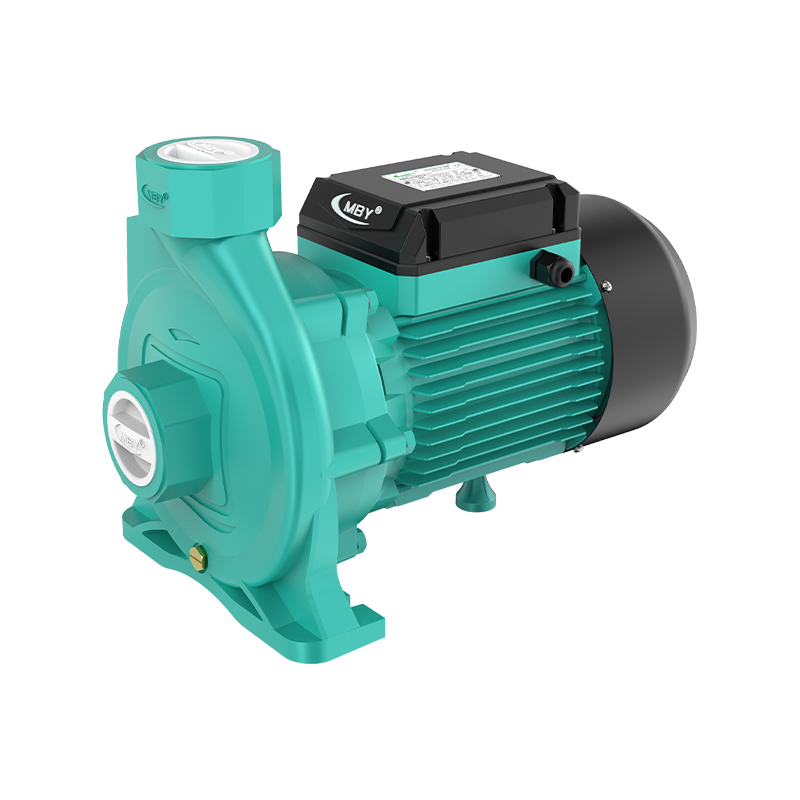
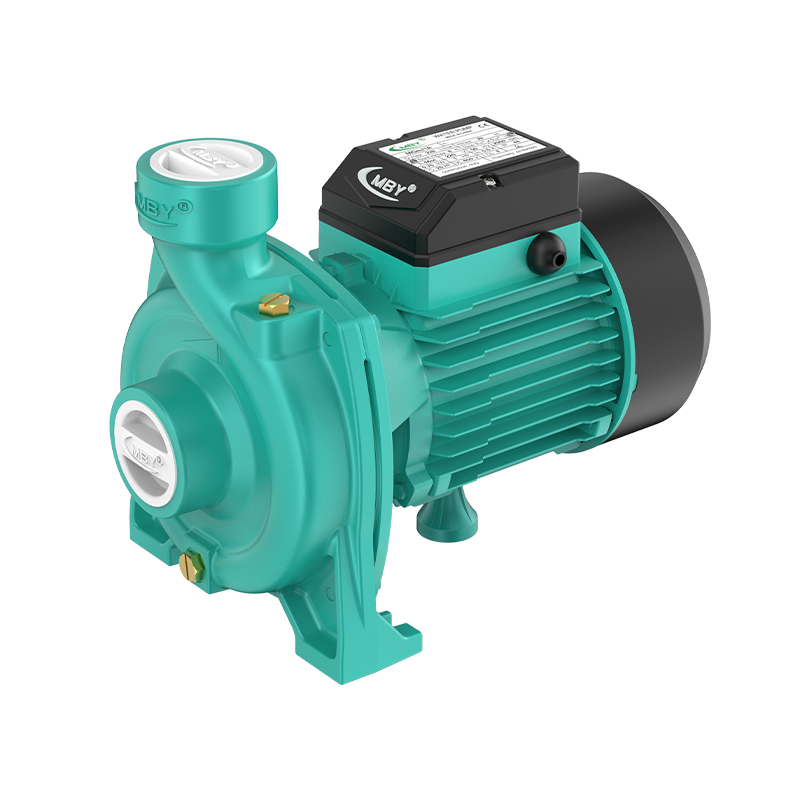
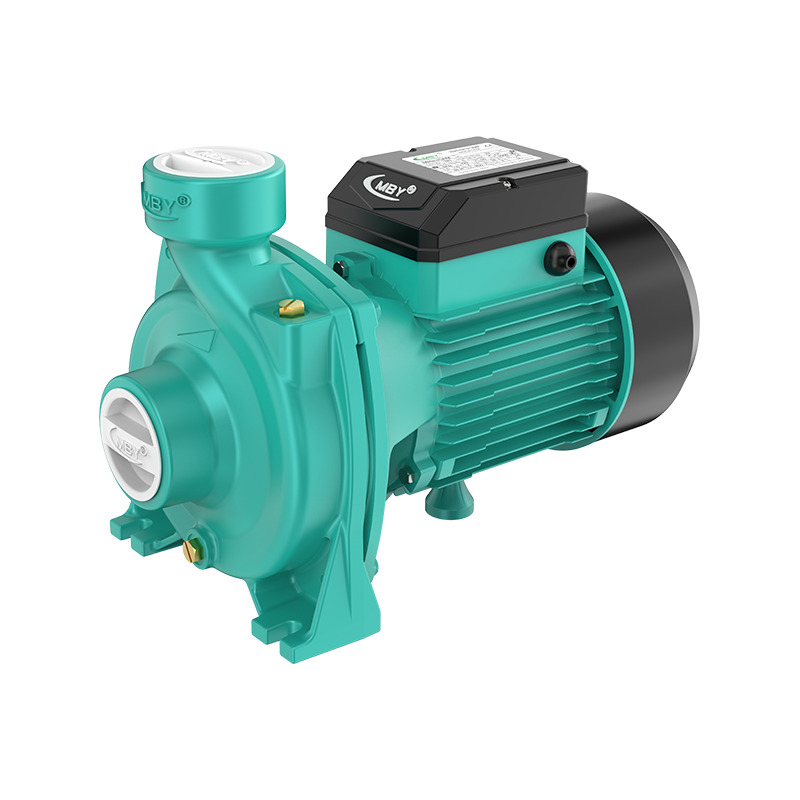
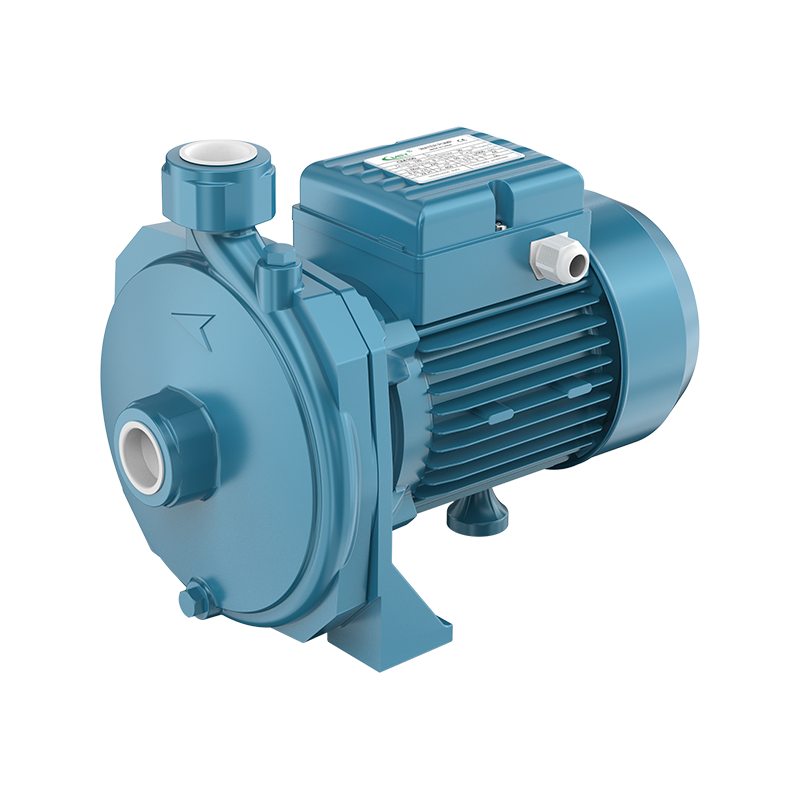
| Centrifugal irrigation pump | Horizontal impeller design with high flow rate | Open-field sprinkler irrigation | High output, easy maintenance |
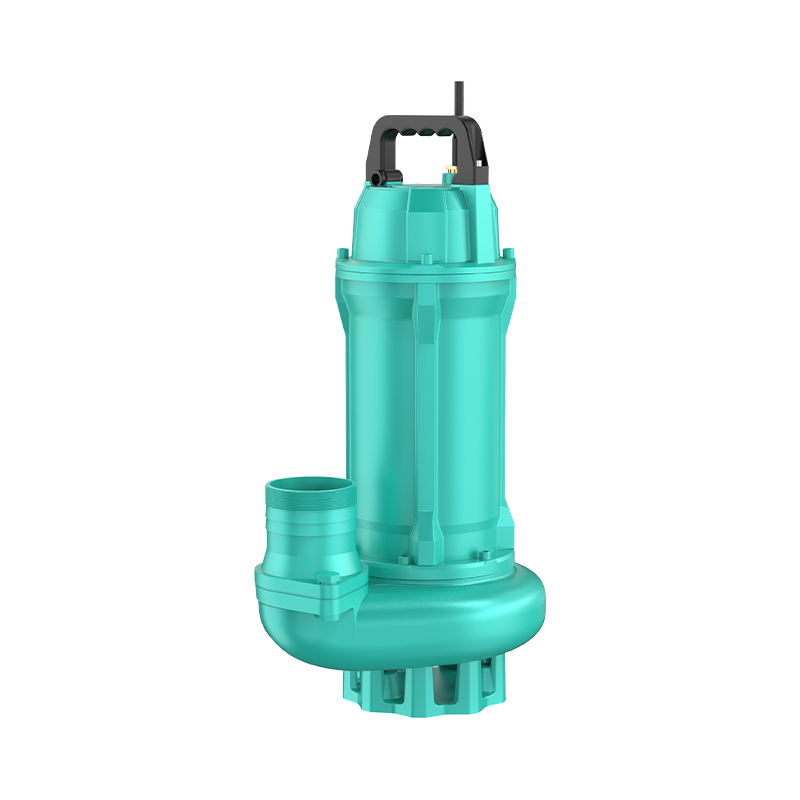
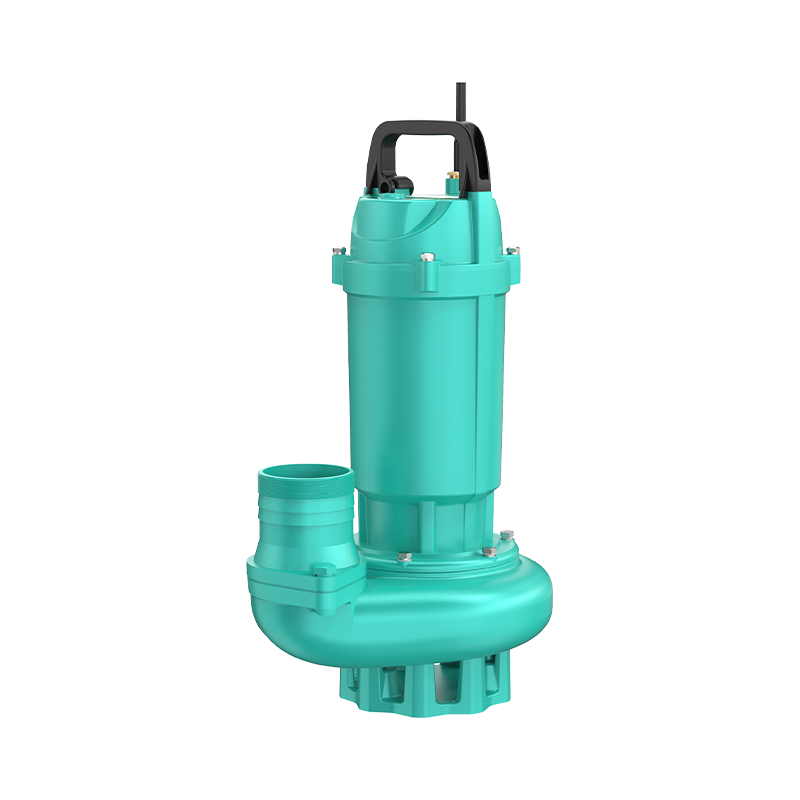
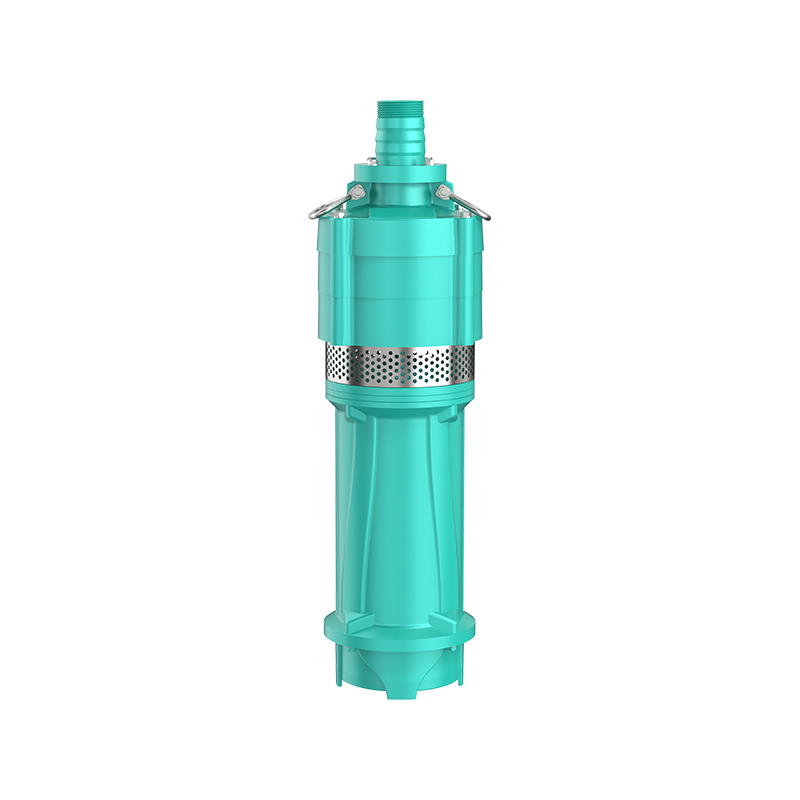
| Submersible water pump for farming | Sealed underwater design | Groundwater extraction | Space-saving, quiet operation |
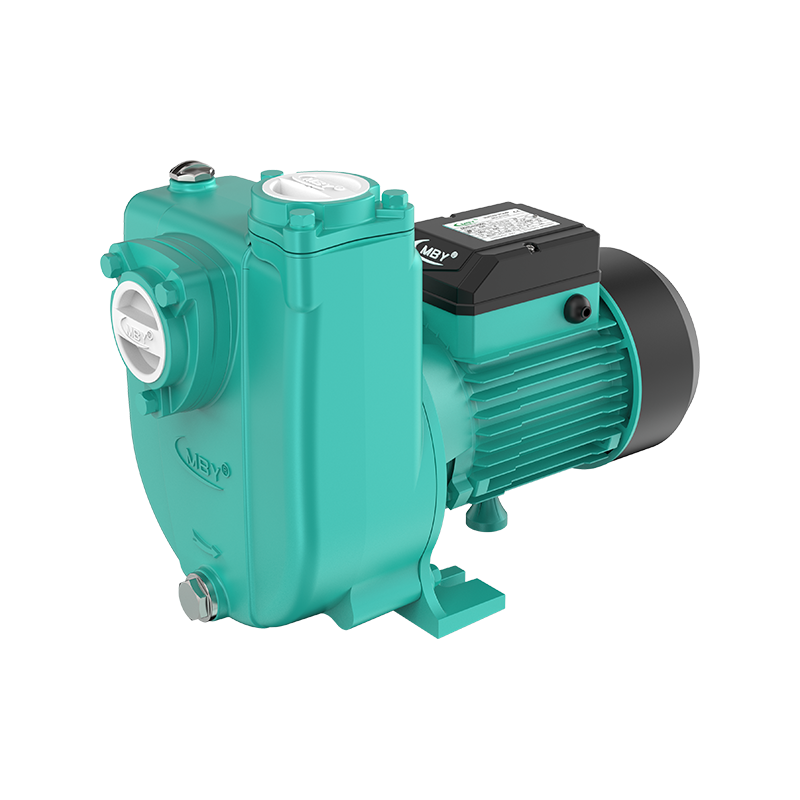
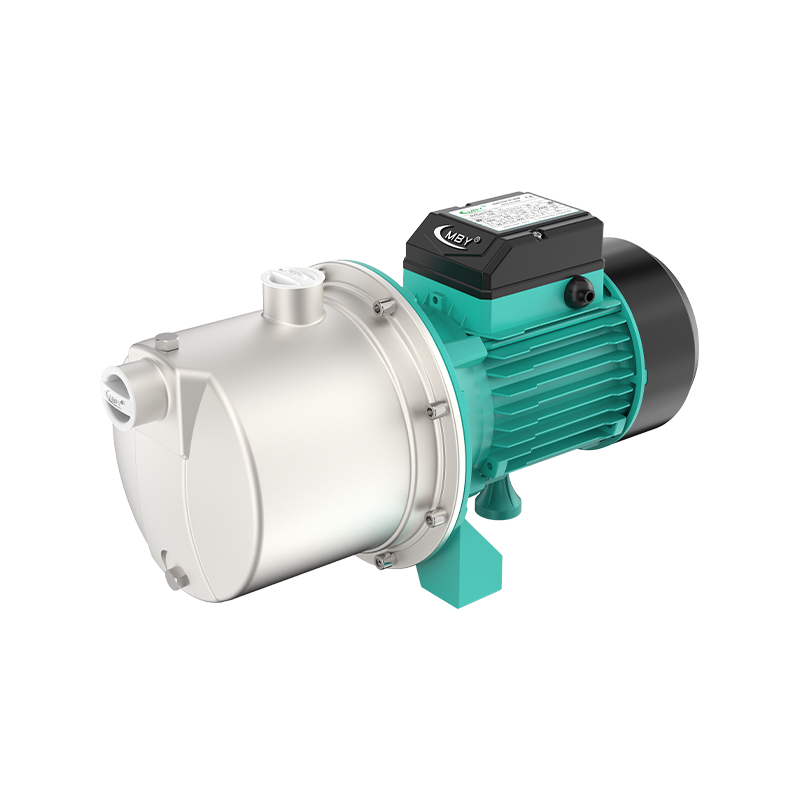
| Self-priming agricultural water pump | Built-in suction mechanism | Temporary irrigation and mobile use | Quick start-up, easy operation |
| Solar-powered irrigation pump | Photovoltaic-driven system | Off-grid or remote areas | Energy-saving and stable operation |
Pump selection should align with topography and water source conditions. For high-lift applications, a high pressure agricultural pump is ideal; for seasonal rivers or shallow wells, self-priming models offer better practicality. This flexibility ensures that agricultural water pumps can efficiently serve diverse irrigation systems.
agricultural water pumps manufacturers are shifting focus from component-level improvements to full-system integration. Future product development will emphasize:
Smart Control Integration – Incorporating sensors and variable-speed drives for precise irrigation and remote monitoring.
Advanced Materials Engineering – Using composite polymers and wear-resistant coatings for harsh water conditions.
Modular Design – Simplifying maintenance by enabling quick replacement of impellers, seals, or motor units.
With the rise of energy conservation policies and ecological agriculture, the future direction of agricultural water pumps will focus on “low energy, high precision, and renewable integration.” Energy-efficient systems will be linked with smart water management platforms, enabling real-time monitoring and adaptive distribution of irrigation resources.
This evolution will reduce energy waste in agriculture and promote ongoing innovation in pump design, materials, and automation. For global farming, agricultural water pumps will no longer be seen as simple delivery tools but as key enablers of sustainable water management.
High efficiency is redefining the agricultural water pump industry. From enhanced mechanical design to intelligent control and renewable compatibility, the evolution of agricultural water pumps reflects the convergence of sustainability and technology.
Hot News
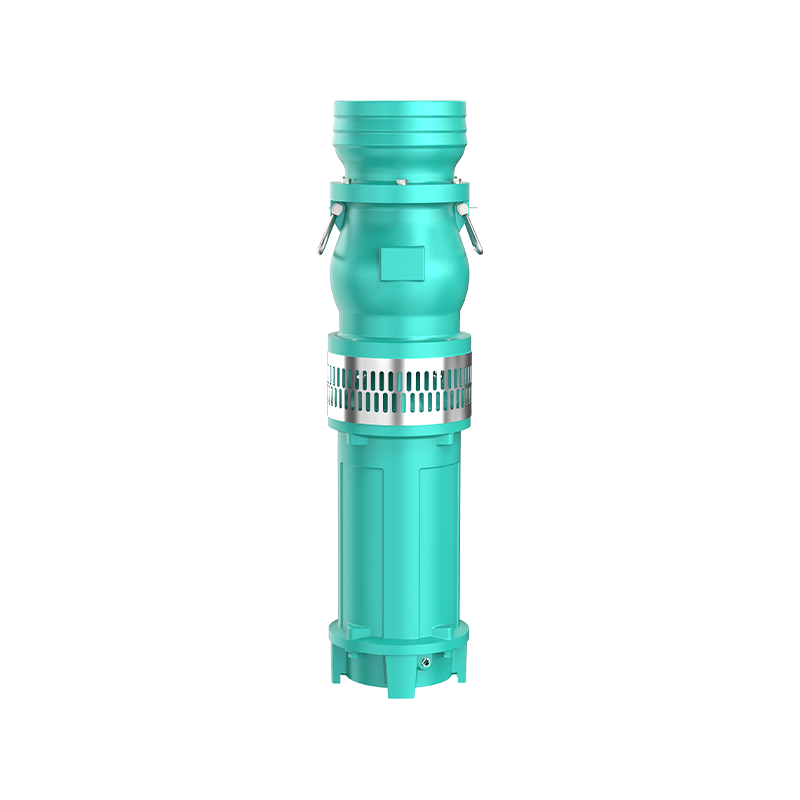 Oil Immersed Submersible Electric Pump: Working Principles, Applications, and Future Trends
Sep 04, 2025
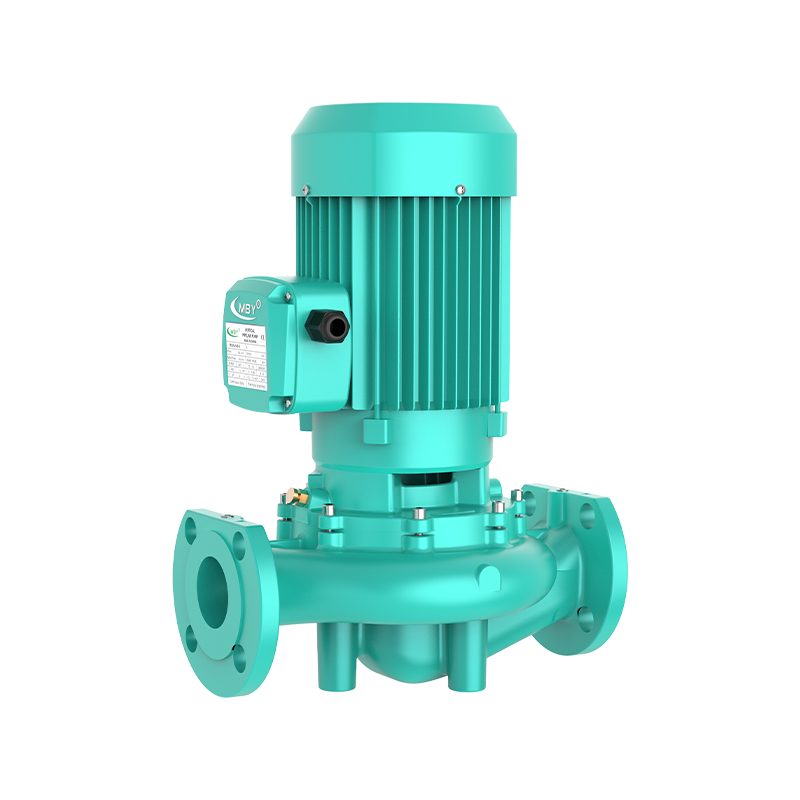 Global Pipeline Centrifugal Pump Industry Update: High-Efficiency Double Suction and Magnetic Drive Technologies Leading the Industrial Water Treatment Revolution
Sep 04, 2025
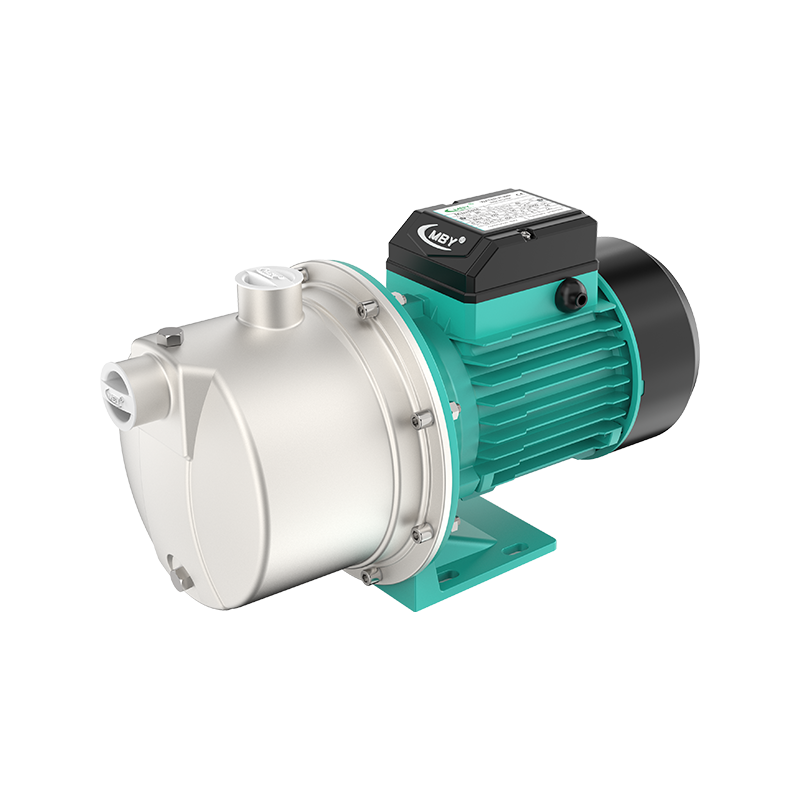 Complete Guide to Household Water Pumps: From Selection, Installation to Maintenance, Your Home's 'Water Butler'
Sep 04, 2025
 Can the intelligent automatic self-priming vortex water pump lead a new era in water management?
Sep 04, 2025
Get In Touch

Address 1:
No. 4 Taoyuan Road, Taozhou Town, Guangde City, Xuancheng City, Anhui Province, China
Address 2:
Daxi Town, Wenling City, Taizhou City, Zhejiang Province, China Pump Industry Intelligent Manufacturing Town