

 English
 русский
 Español
 Português
 عربى
عربى
 Türk
Türk








+86 18395326713
Jan 08, 2026
Water pumps play an essential role in a wide variety of industrial, commercial, and residential applications. From agricultural irrigation to municipal water treatment, these pumps are critical for ensuring a steady flow of water across different systems. Among the various types of water pumps available today, centrifugal water pumps stand out due to their unique design and functionality.
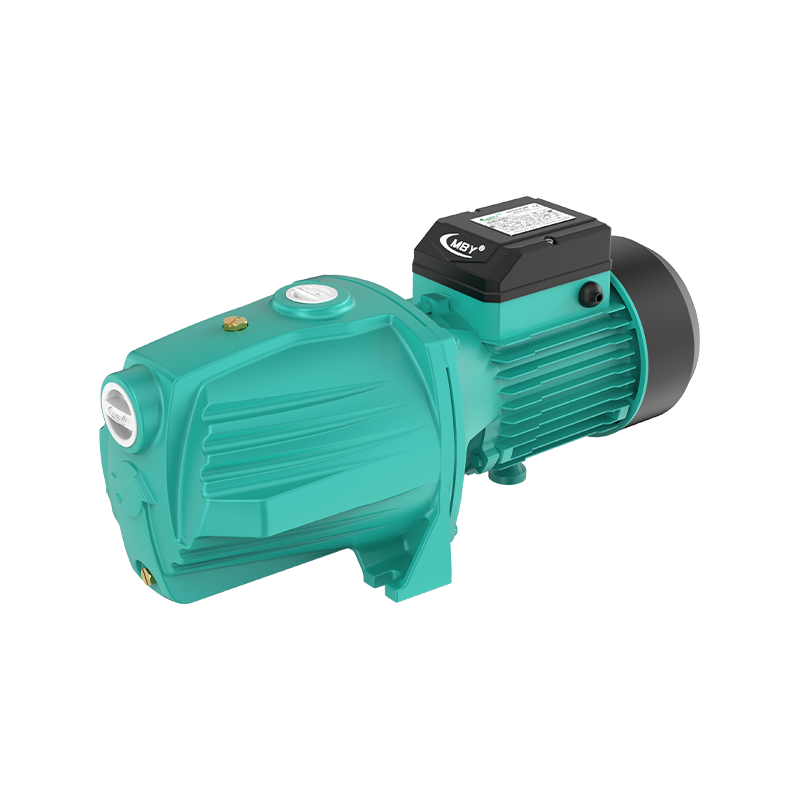
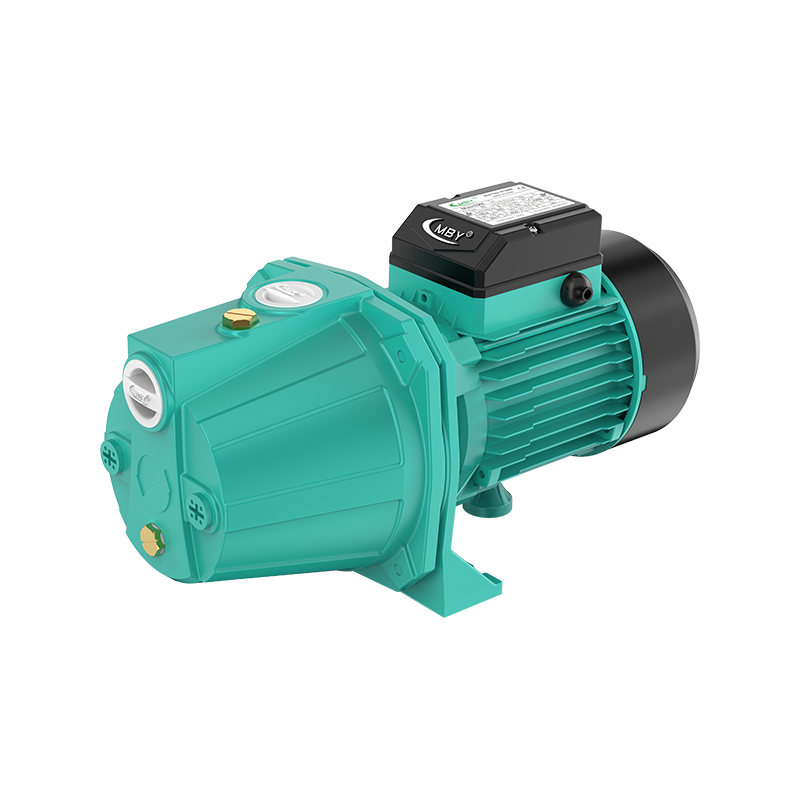
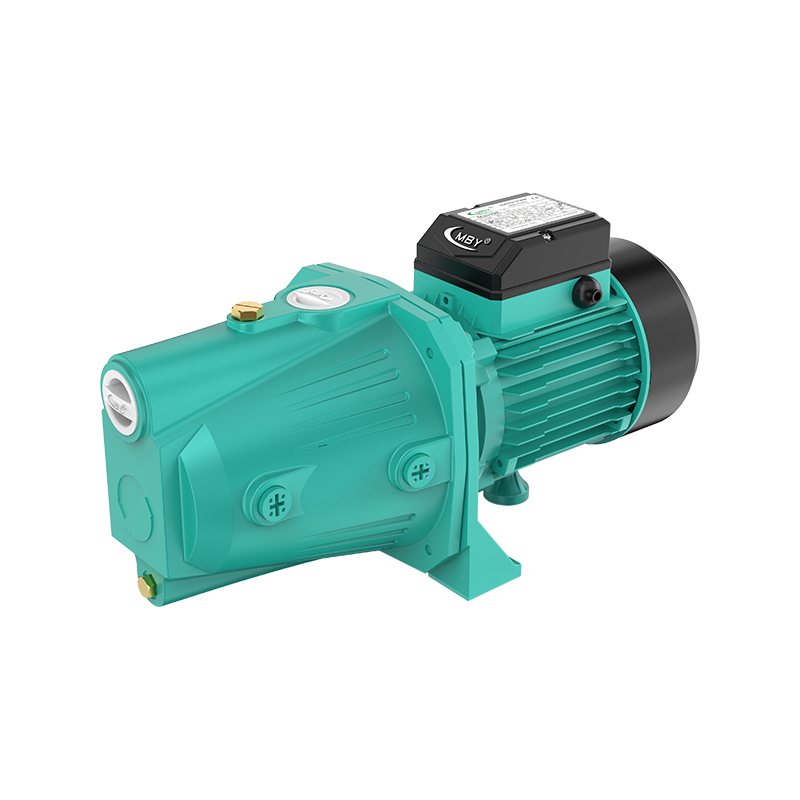
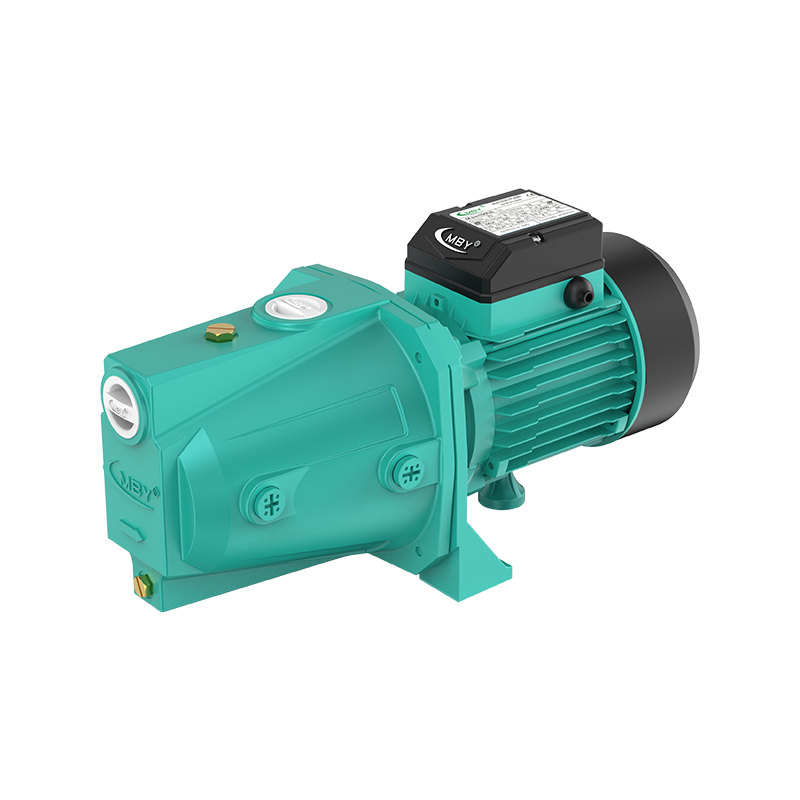
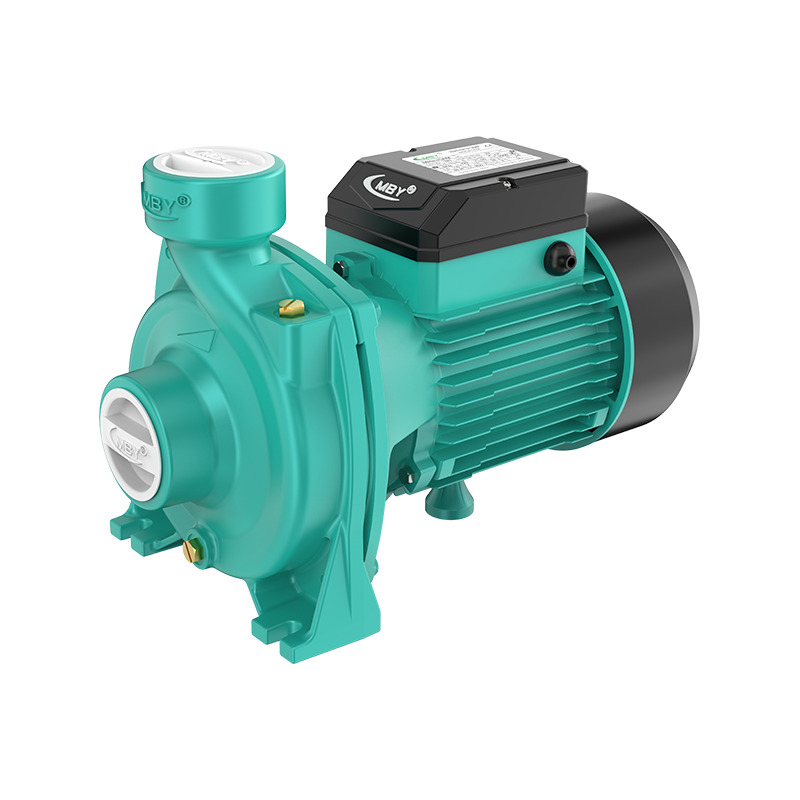
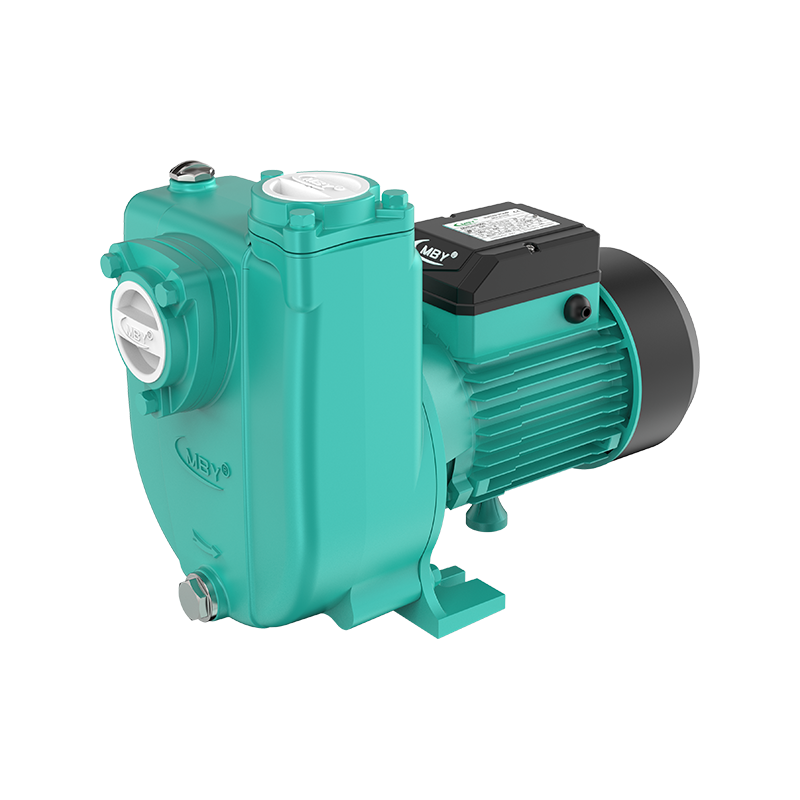
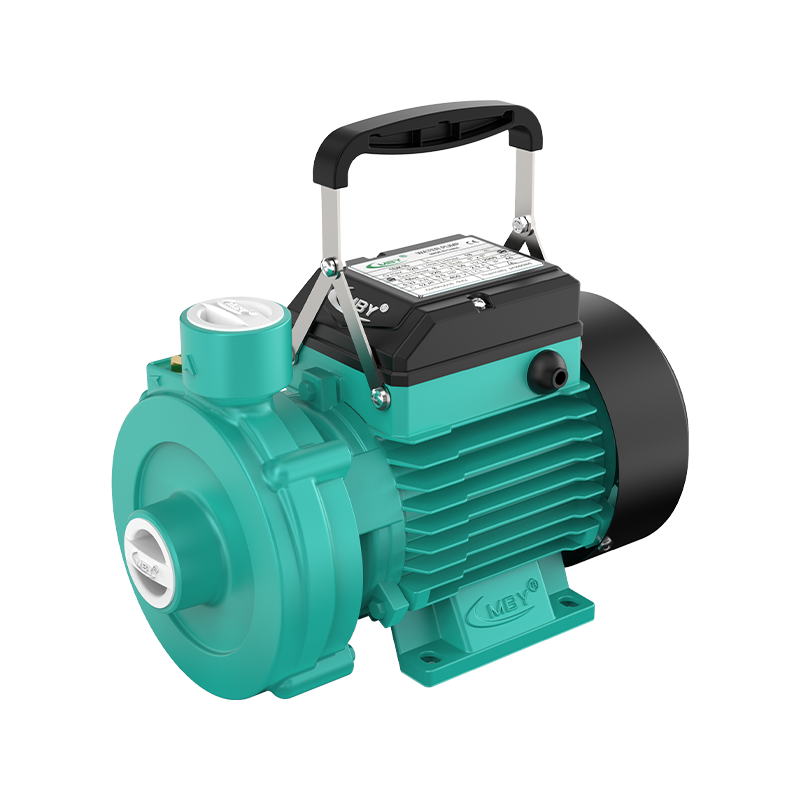
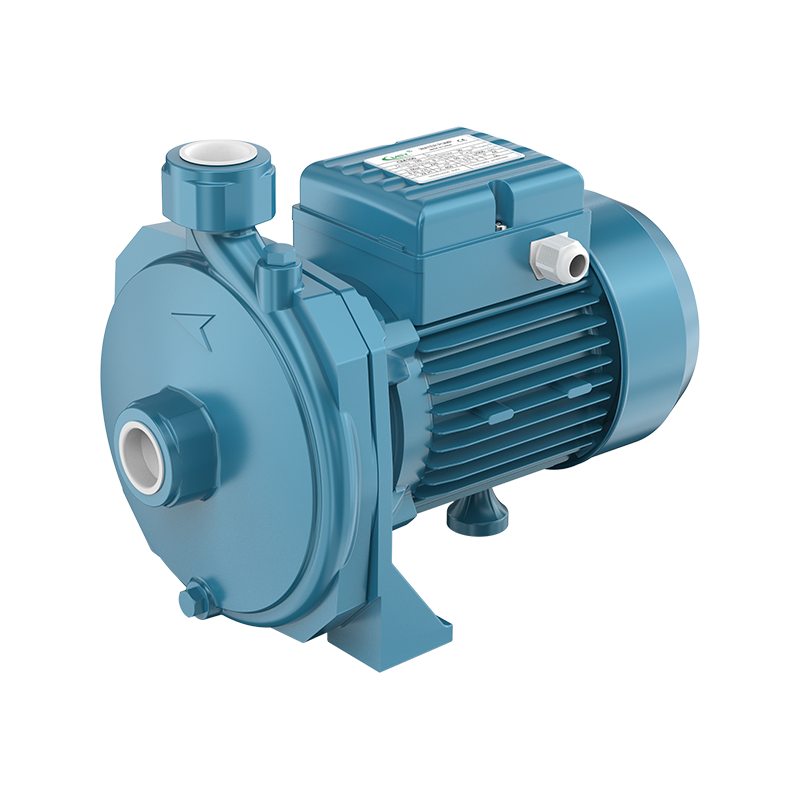
A centrifugal water pump is a mechanical device that uses a rotating impeller to increase the velocity of a fluid. This increased velocity is then converted into flow energy, which pushes the water through the pump and into the discharge pipe. Centrifugal water pumps are commonly used in various industries due to their simplicity, efficiency, and cost-effectiveness.
The basic components of a centrifugal pump include:
Impeller: A rotating disk that transfers energy to the water.
Casing: The outer shell that directs the flow of water.
Suction Pipe: The pipe through which water enters the pump.
Discharge Pipe: The pipe through which water exits the pump.
The process begins when water enters the pump via the suction pipe. The impeller, rotating at high speeds, accelerates the water and forces it outward through the pump casing. As the water moves through the casing, its velocity decreases and is converted into pressure energy, pushing the water to the discharge pipe. This process is repeated continuously as long as the pump is running.
Simple Design: The simple construction of centrifugal pumps makes them easy to operate, maintain, and repair. With fewer moving parts compared to other types of pumps, centrifugal pumps tend to be more reliable and cost-effective in the long run.
Energy Efficiency: Centrifugal water pumps are known for their energy efficiency, as they do not require as much energy to operate when compared to other pump types. This makes them ideal for long-term use in applications where cost savings are important.
Versatility: They are versatile and capable of handling a variety of fluids, from clean water to moderately dirty water, making them useful across multiple industries.
High Flow Rates: Centrifugal pumps are designed to handle high volumes of water, making them an ideal choice for applications such as irrigation, wastewater treatment, and industrial cooling.
Positive displacement pumps differ from centrifugal pumps in how they move water. While centrifugal pumps rely on the impeller’s rotation to push water, positive displacement pumps use mechanical action, such as a piston or diaphragm, to push a specific volume of water with each stroke.
| Feature | Centrifugal Pumps | Positive Displacement Pumps |
|---|---|---|
| Operating Principle | Water is accelerated by the impeller and moves by centrifugal force. | Water is moved by mechanical displacement in discrete volumes. |
| Flow Consistency | Flow rate decreases as pressure increases. | Flow rate is consistent regardless of pressure. |
| Efficiency | Generally more efficient at higher flow rates. | More efficient at lower flow rates with higher pressures. |
| Maintenance | Requires regular inspection, especially of the impeller. | Requires more maintenance due to more moving parts. |
Pros of Centrifugal Water Pumps: They are ideal for applications requiring high flow rates and lower pressures, such as in water treatment plants or large-scale irrigation systems.
Pros of Positive Displacement Pumps: They are more suitable for applications requiring a constant flow, such as dosing chemicals or pumping thick fluids.
Diaphragm pumps are another type of positive displacement pump that uses a flexible diaphragm to move water. These pumps are commonly used for pumping viscous liquids or slurries.
| Feature | Centrifugal Pumps | Diaphragm Pumps |
|---|---|---|
| Design | Simple design with rotating impeller. | Features a flexible diaphragm that moves to displace water. |
| Flow Rate | Handles higher flow rates with ease. | Typically handles lower flow rates compared to centrifugal pumps. |
| Applications | Best for clean to moderately dirty water. | Commonly used in applications requiring high suction lift or handling viscous fluids. |
Pros of Centrifugal Water Pumps: Ideal for applications requiring large volumes of clean water.
Pros of Diaphragm Pumps: They excel in applications requiring the movement of chemicals or slurry, where centrifugal pumps might be less effective.
Screw pumps use a helical screw to move water, often in environments where higher viscosity liquids are involved. These pumps provide a smooth, continuous flow, making them suitable for a variety of industrial applications.
| Feature | Centrifugal Pumps | Screw Pumps |
|---|---|---|
| Flow Characteristics | High flow rates with a decreasing flow at higher pressures. | Continuous and smooth flow, ideal for viscous fluids. |
| Efficiency | Energy-efficient at higher flow rates. | Highly efficient for pumping thick or viscous liquids. |
| Maintenance | Requires fewer repairs due to fewer moving parts. | Requires periodic maintenance to ensure smooth operation. |
Pros of Centrifugal Water Pumps: Best for pumping large volumes of clean water at a consistent rate.
Pros of Screw Pumps: Excellent for pumping thicker liquids or slurries where centrifugal pumps might struggle.
Centrifugal water pumps are widely used in various industries due to their versatility and efficiency. Key applications include:
Water Treatment Plants: For transferring clean water or wastewater.
Agricultural Irrigation: To move large volumes of water for irrigation systems.
Firefighting Systems: Used in industrial and commercial fire suppression systems.
HVAC Systems: For moving water through heating, ventilation, and air conditioning systems.
Industrial Processes: To transfer water in manufacturing or cooling processes.
While centrifugal pumps offer many advantages, they also come with some limitations:
Not Suitable for High-Viscosity Fluids: They struggle with viscous fluids like oils or slurries.
Performance Affected by Pressure: The flow rate of a centrifugal pump decreases as the discharge pressure increases.
Requires a Continuous Supply of Water: Centrifugal pumps need a constant supply of water to operate effectively. They cannot pump air or gases efficiently.
Centrifugal water pumps remain one of the most widely used types of water pumps due to their efficiency, simple design, and ability to handle large volumes of water. While they may not be the best choice for all applications—especially those involving thick liquids or high pressures—they offer significant advantages in industries where high flow rates and clean water are essential.
By understanding the differences between centrifugal water pumps and other types of pumps, such as positive displacement pumps, diaphragm pumps, and screw pumps, industries can make more informed decisions about which pump best suits their specific needs.
1. What is the primary function of a centrifugal water pump?
A centrifugal water pump uses an impeller to increase the velocity of water, converting it into flow energy to push the water through the system.
2. How does a centrifugal pump differ from a positive displacement pump?
Centrifugal pumps use rotational force to move water and their flow rate decreases with increasing pressure, while positive displacement pumps maintain a constant flow regardless of pressure.
3. Can centrifugal pumps handle high-viscosity fluids?
Centrifugal pumps are not ideal for high-viscosity fluids. For such applications, screw pumps or diaphragm pumps are more appropriate.
4. What industries use centrifugal water pumps?
They are widely used in water treatment plants, agricultural irrigation, firefighting systems, HVAC systems, and industrial processes.
5. What are the disadvantages of centrifugal water pumps?
They perform poorly with high-viscosity fluids, and their efficiency decreases as the pressure increases. Additionally, they require a continuous supply of water to operate.
Hot News
 Oil Immersed Submersible Electric Pump: Working Principles, Applications, and Future Trends
Sep 04, 2025
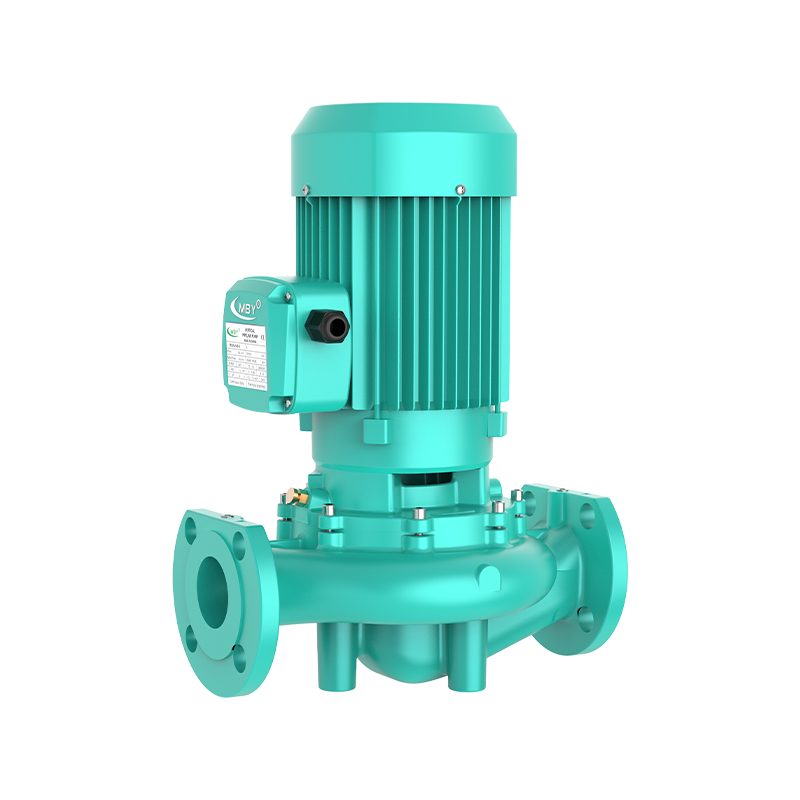 Global Pipeline Centrifugal Pump Industry Update: High-Efficiency Double Suction and Magnetic Drive Technologies Leading the Industrial Water Treatment Revolution
Sep 04, 2025
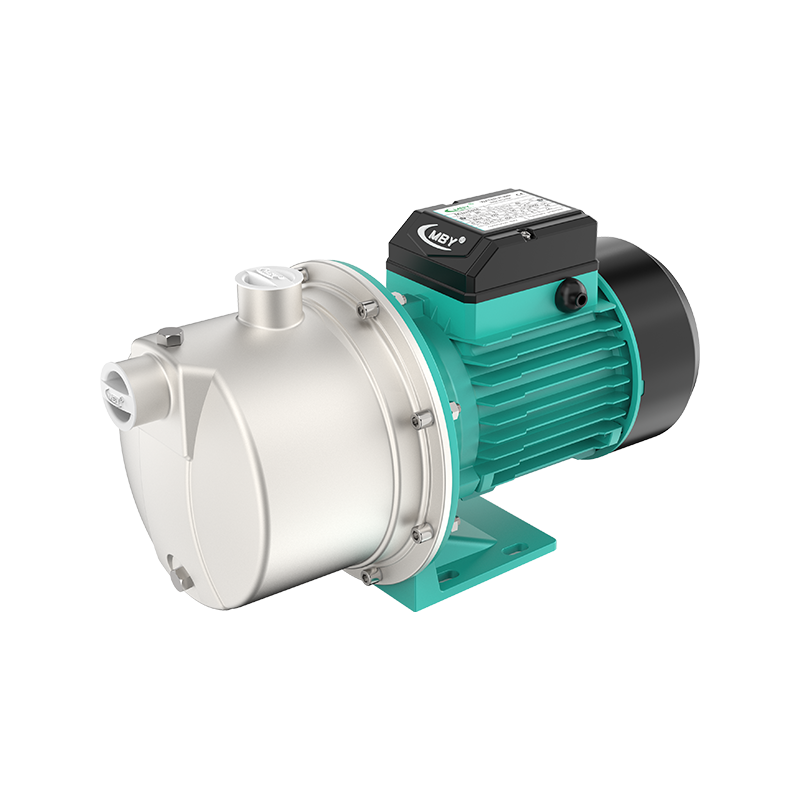 Complete Guide to Household Water Pumps: From Selection, Installation to Maintenance, Your Home's 'Water Butler'
Sep 04, 2025
 Can the intelligent automatic self-priming vortex water pump lead a new era in water management?
Sep 04, 2025
Get In Touch

Address 1:
No. 4 Taoyuan Road, Taozhou Town, Guangde City, Xuancheng City, Anhui Province, China
Address 2:
Daxi Town, Wenling City, Taizhou City, Zhejiang Province, China Pump Industry Intelligent Manufacturing Town