
 English
 русский
 Español
 Português
 عربى
عربى
 Türk
Türk








+86 18395326713
Jan 15, 2026
Water pumps are essential components across various industries and sectors, helping with tasks such as irrigation, water extraction, drainage, and disaster relief. One category of pump that stands out for its efficiency and versatility is the submersible water pump. These pumps, designed to work submerged in liquid, are an essential tool for a range of applications, including extracting water from wells, rivers, and reservoirs. But how do they differ from other types of water pumps?
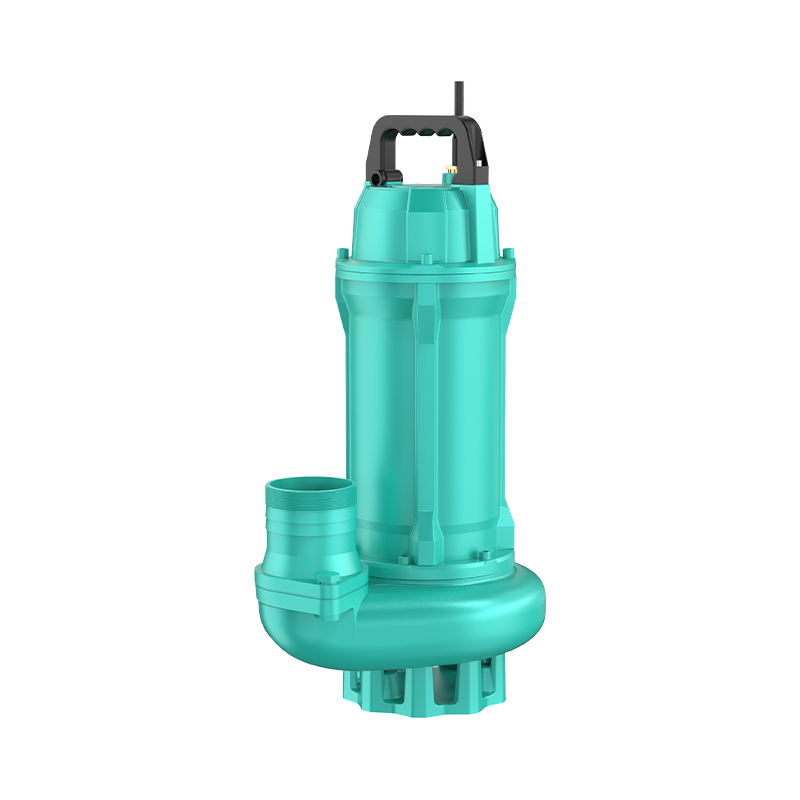
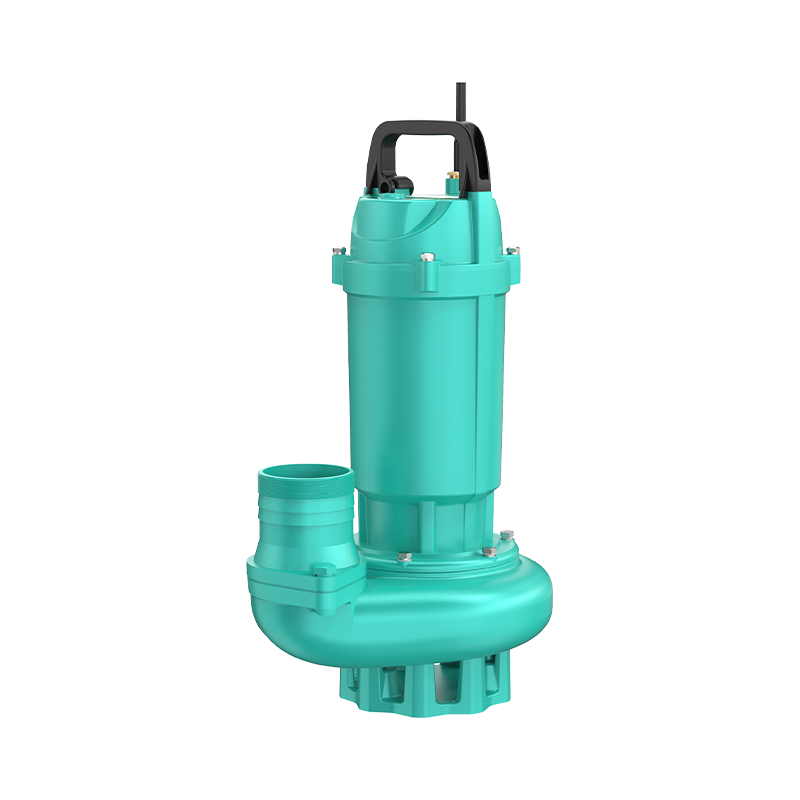
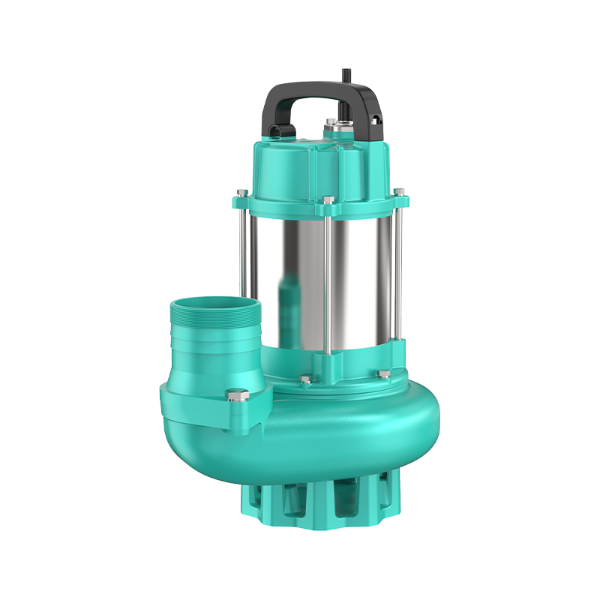
A submersible water pump is a pump that operates completely submerged in water. Unlike traditional pumps that require the motor to be located above the water source, a submersible pump integrates both the motor and the pump in a single compact unit. This design eliminates the need for a long drive shaft, which is typically required in non-submersible pumps.
Submersible pumps come in different types, each designed for specific applications:
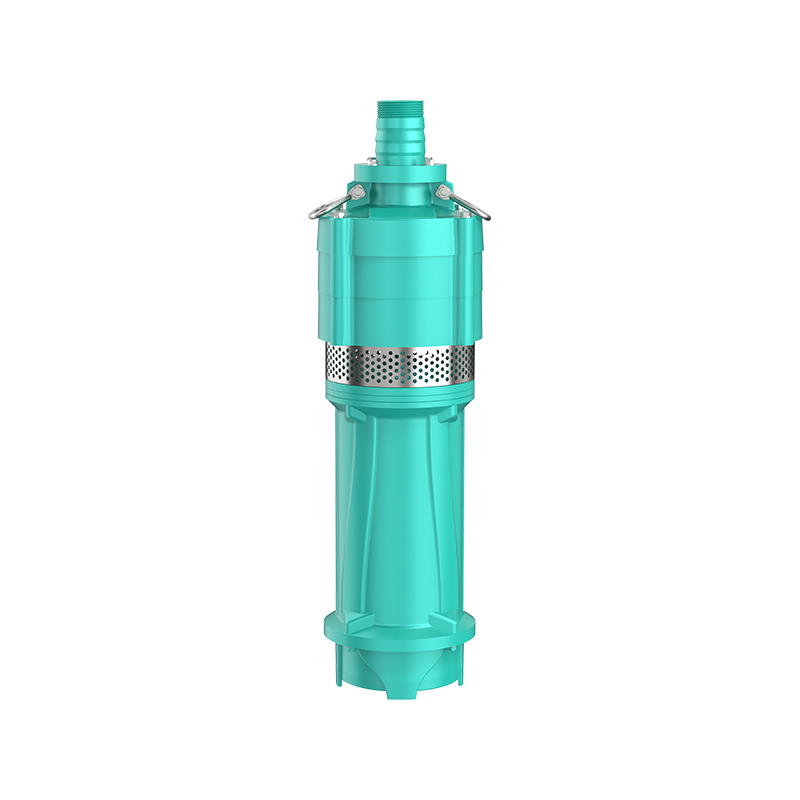
Clean Water Submersible Pumps: These pumps are used for clean water applications, such as groundwater extraction and drainage in clean environments.
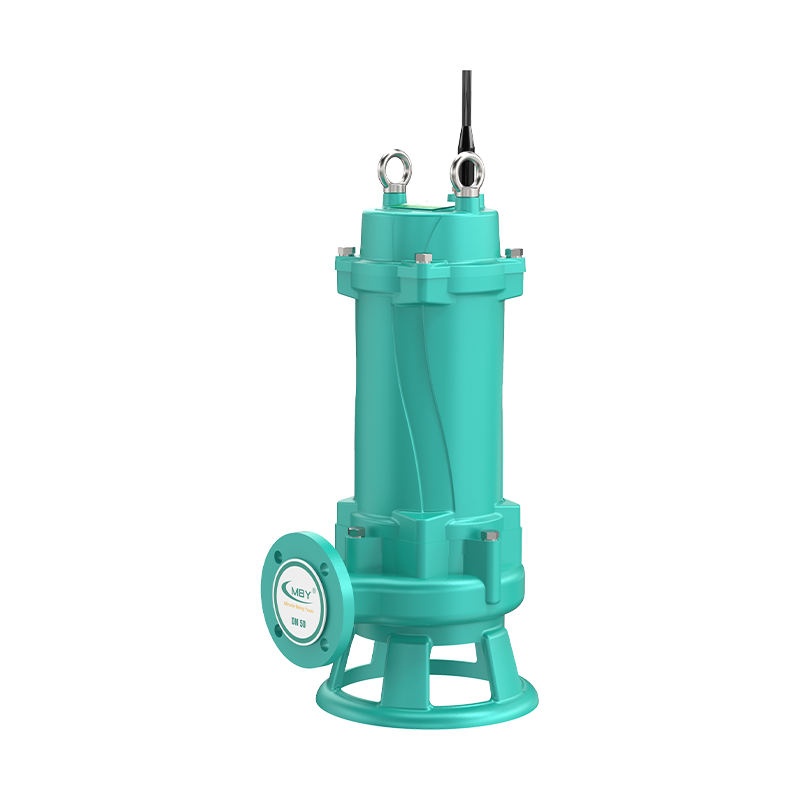
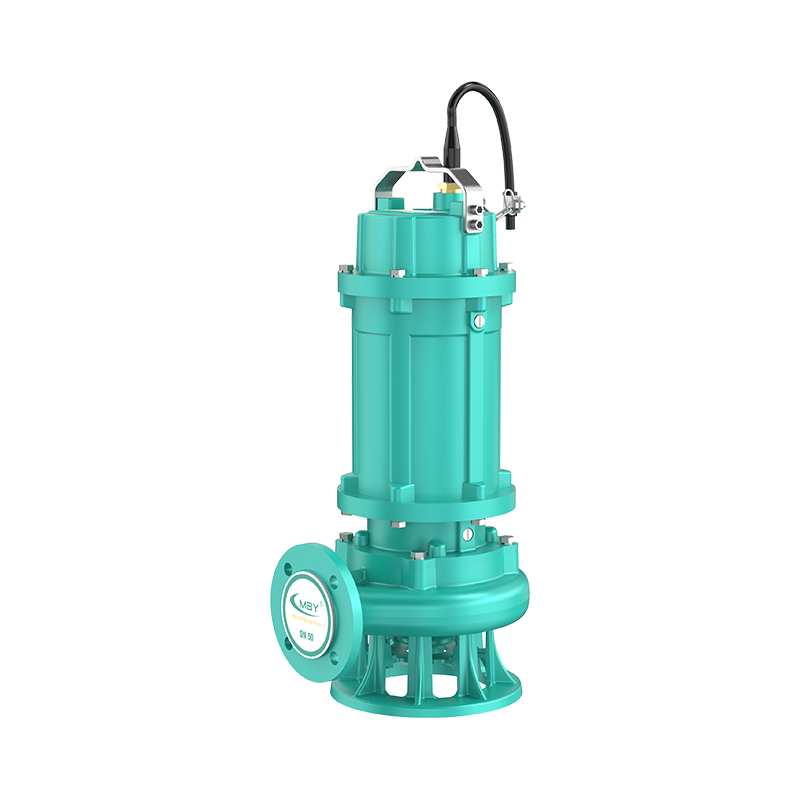
Sewage Submersible Pumps: Designed to handle dirty water containing solids, these pumps are widely used for wastewater treatment and municipal drainage systems.
Seawater Submersible Pumps: These pumps are specifically built to handle seawater, ensuring resistance to corrosion and long-term durability.
The primary advantage of submersible water pumps lies in their compact design and ability to work submerged in liquid. The main features that set these pumps apart from other types of pumps include:
Compact Design: Submersible pumps are designed to operate underwater, taking up less space and being easier to install in confined environments.
Integrated Motor and Pump: The motor and pump are housed together, reducing the need for external components and providing a more stable and efficient operation.
Sealing Performance: Submersible pumps must have high sealing performance to prevent liquid from entering the motor and causing damage. This makes them reliable for continuous operation in harsh environments.
Flow Rate and Head: These pumps offer a wide range of flow rates (from 5 to 650 m³/h) and heads (up to 550 meters), making them adaptable to various applications, from irrigation to water extraction.
Long Life-Span: A long life-span submersible pump typically offers enhanced durability due to its sealed motor design, which prevents wear and tear caused by exposure to water.
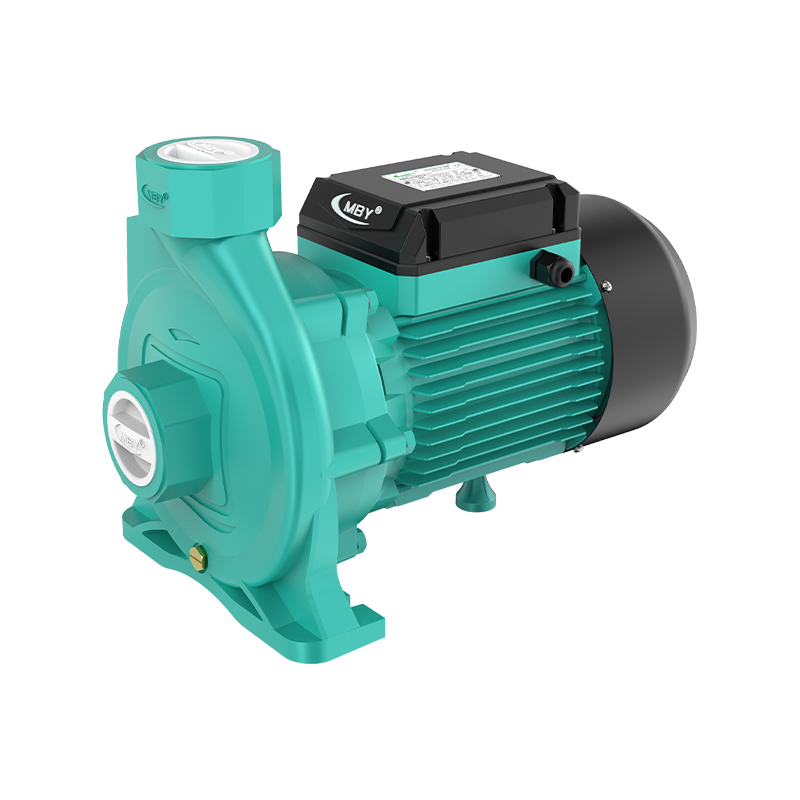
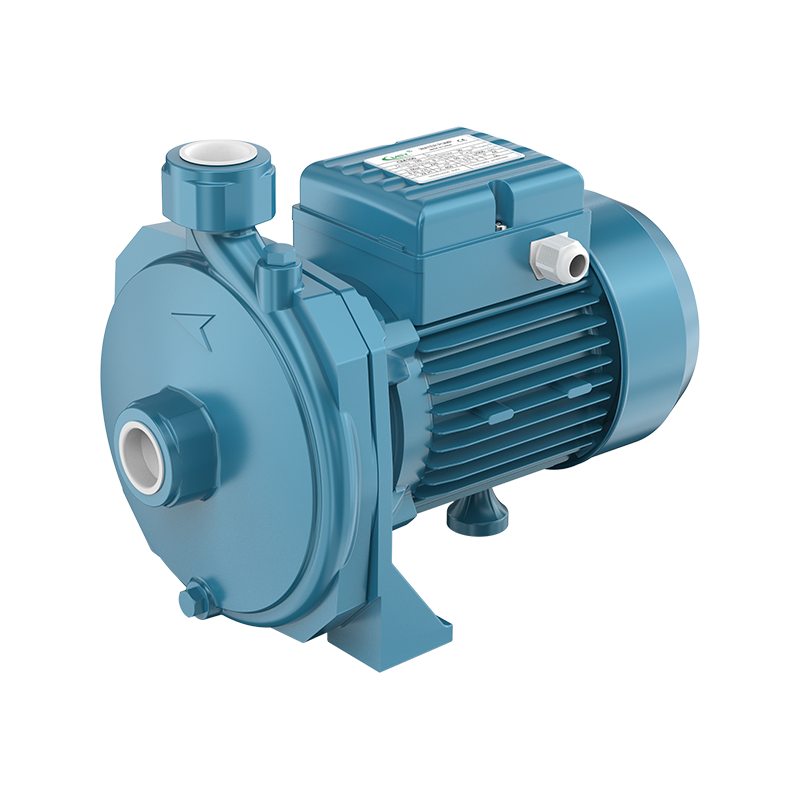
Centrifugal pumps are one of the most common types of pumps, designed to move liquids using rotational energy. While they share some similarities with submersible pumps, their design and operation differ in key areas:
Location of Motor: In centrifugal pumps, the motor is usually located above the water level, requiring a long shaft to transfer power to the pump. In contrast, submersible pumps have an integrated motor and pump, eliminating the need for a long shaft.
Application: Centrifugal pumps are generally more suitable for surface applications, such as pumping water from reservoirs, while submersible pumps are specifically designed for applications requiring submersion in the liquid, such as deep well pumping or sewage pumping.
Energy Efficiency: Submersible pumps are generally more energy-efficient when submerged, as they do not require extra components like a drive shaft or extra fittings.
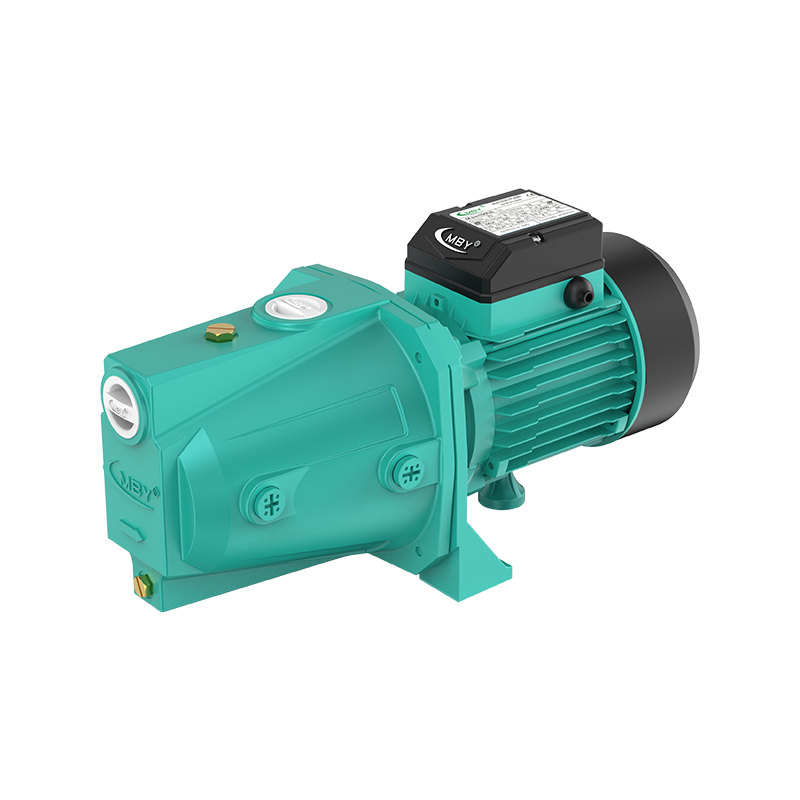
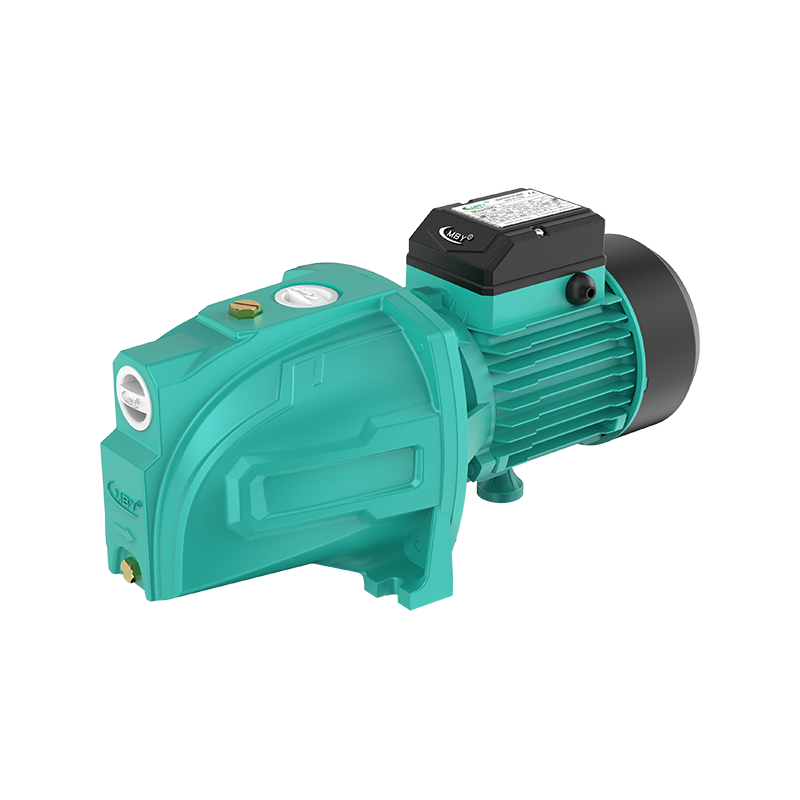
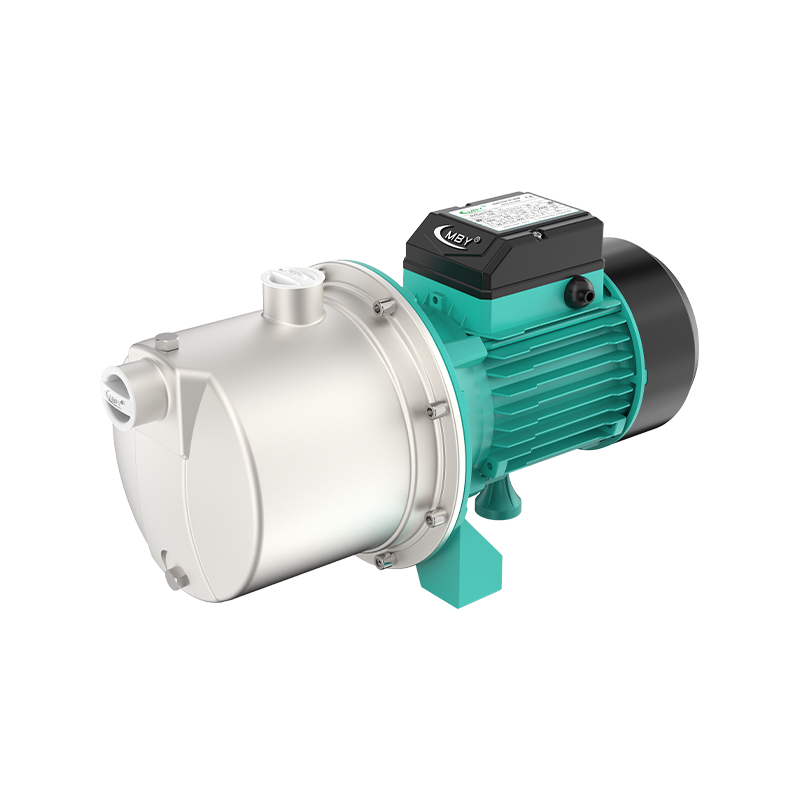
Jet pumps operate by using suction to draw water into a pump, which is then forced out through the discharge. These pumps are typically used for shallow well applications.
Pump Location: Jet pumps require the motor to be located above the water source, whereas submersible pumps can be completely submerged in the liquid.
Performance in Depth: Submersible pumps are ideal for deep water applications, as they can effectively pump water from depths of hundreds of meters. Jet pumps, on the other hand, are less efficient for deeper applications.
Diaphragm pumps are positive displacement pumps that use a diaphragm to move liquids. They are often used for pumping viscous or abrasive liquids.
Suitability: While diaphragm pumps are effective for handling certain types of fluids, such as slurry or chemicals, submersible pumps are better suited for clean or wastewater applications.
Efficiency: Diaphragm pumps can struggle with high flow rates and long durations, whereas submersible pumps provide continuous, stable flow over long periods.
The versatility of submersible pumps allows them to be used in a wide variety of applications:
Groundwater Extraction: Submersible pumps are commonly used to extract water from deep wells and boreholes. Their ability to work submerged makes them ideal for these tasks, where long shafts are impractical.
Irrigation: Submersible pumps are frequently used for farmland irrigation in both lowland and highland areas. They are especially useful in agricultural areas where water needs to be pumped from rivers or underground sources.
Municipal and Industrial Drainage: Submersible pumps are essential in urban settings for draining water from construction sites, factories, and mining operations. They are also used in sewage treatment plants to pump wastewater.
Flood Relief: Submersible pumps are used in disaster relief scenarios to pump out floodwater from areas affected by storms or natural disasters.
Hot Spring Bathing: In hot spring resorts, submersible pumps are used to extract water for bathing and spa treatments, ensuring consistent water flow without requiring external pumps.
| Pump Type | Application | Flow Rate (m³/h) | Head (m) | Motor Location | Efficiency |
|---|---|---|---|---|---|
| Submersible Water Pumps | Water extraction, drainage | 5–650 | 10–550 | Integrated (submerged) | High |
| Centrifugal Pumps | Surface water pumping | 10–500 | 10–300 | Above water level | Moderate |
| Jet Pumps | Shallow well pumping | 10–100 | 10–120 | Above water level | Moderate |
| Diaphragm Pumps | Viscous/abrasive fluids | 5–100 | 10–50 | Above water level | Low |
1. What is the typical lifespan of a submersible water pump?
A long life-span submersible pump can last for many years, depending on its usage, maintenance, and environmental factors. Proper sealing and motor protection contribute to its durability.
2. Can submersible water pumps handle sewage?
Yes, sewage submersible pumps are specifically designed to handle wastewater with solids. These pumps are commonly used in municipal sewage systems and wastewater treatment plants.
3. How deep can submersible pumps operate?
Submersible pumps can work at depths of up to 550 meters, making them ideal for deep well applications, water extraction from rivers, and industrial drainage.
4. Are submersible water pumps energy-efficient?
Yes, submersible water pumps are generally more energy-efficient than other types of pumps because they do not require additional components like long drive shafts and external motors.
5. What maintenance is required for submersible pumps?
Regular maintenance includes checking the pump seals, inspecting the motor for wear, and ensuring that the pump is free from debris. It’s also important to monitor the pump’s performance to ensure optimal efficiency.
Submersible water pumps stand out for their unique design and efficiency, especially in applications that require the pump to be submerged in liquid. Whether it’s for irrigation, water extraction, or municipal drainage, submersible pumps offer superior performance, a long life-span, and flexibility across a variety of industries. By understanding their advantages over other types of pumps, users can make informed decisions when selecting the right pump for their needs.
Hot News
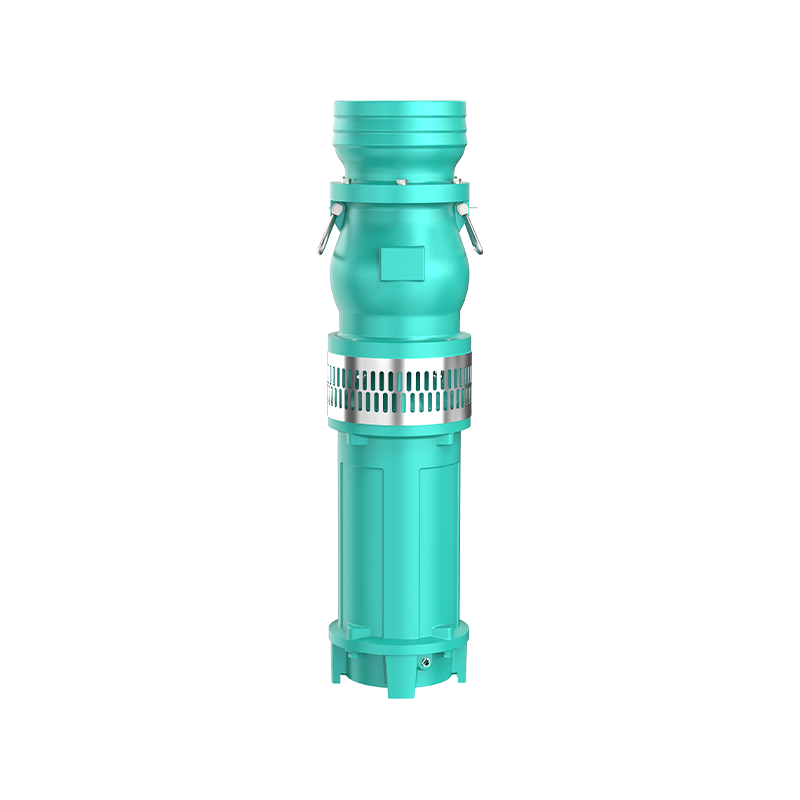 Oil Immersed Submersible Electric Pump: Working Principles, Applications, and Future Trends
Sep 04, 2025
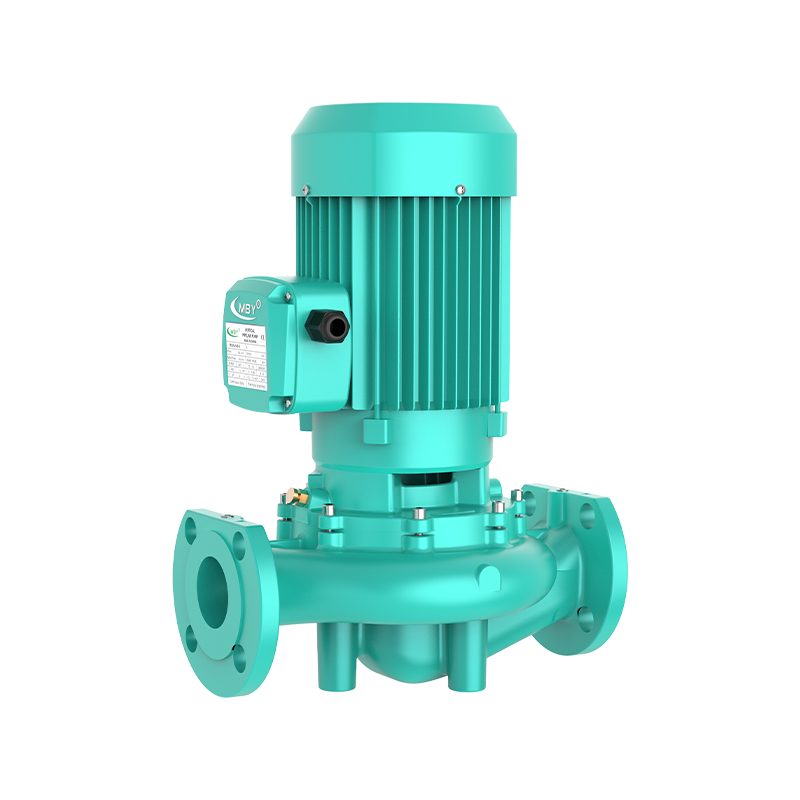 Global Pipeline Centrifugal Pump Industry Update: High-Efficiency Double Suction and Magnetic Drive Technologies Leading the Industrial Water Treatment Revolution
Sep 04, 2025
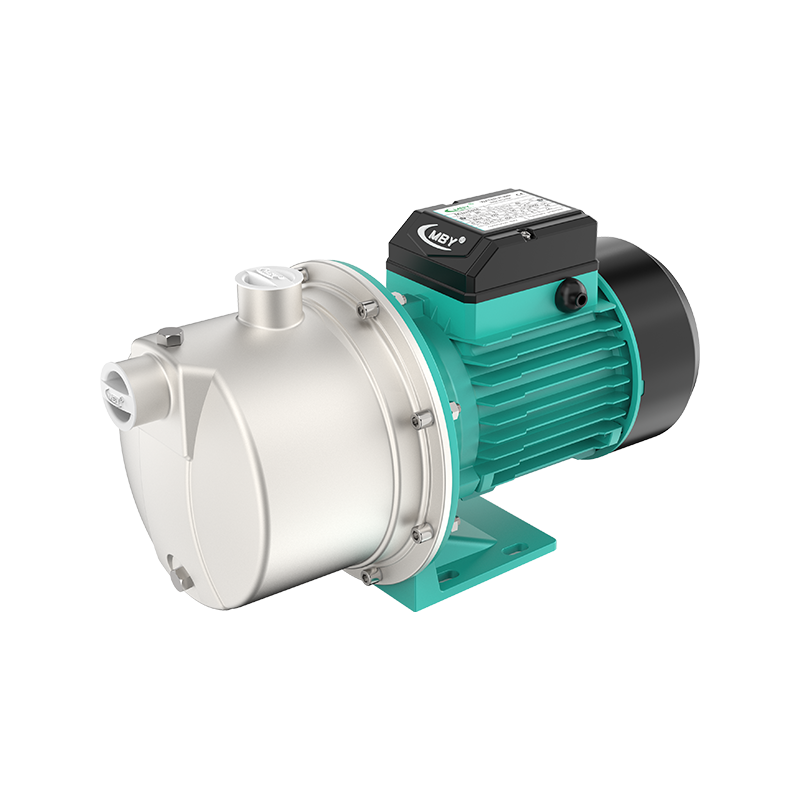 Complete Guide to Household Water Pumps: From Selection, Installation to Maintenance, Your Home's 'Water Butler'
Sep 04, 2025
 Can the intelligent automatic self-priming vortex water pump lead a new era in water management?
Sep 04, 2025
Get In Touch

Address 1:
No. 4 Taoyuan Road, Taozhou Town, Guangde City, Xuancheng City, Anhui Province, China
Address 2:
Daxi Town, Wenling City, Taizhou City, Zhejiang Province, China Pump Industry Intelligent Manufacturing Town