
 English
 русский
 Español
 Português
 عربى
عربى
 Türk
Türk








+86 18395326713
Mar 06, 2026
Industrial water pumps are integral components across many sectors, ensuring the transportation of water in high-pressure environments. High-pressure applications require pumps that can deliver optimal performance, durability, and efficiency under challenging conditions. The variety of pumps available today can make choosing the right one for your specific needs a complex decision.
In industrial settings, high-pressure water pumps are used for various tasks such as cleaning, circulating fluids, irrigation, and wastewater treatment. These pumps are designed to handle high water flow rates under considerable pressure, ensuring consistent operation even in tough conditions.
High-pressure applications demand pumps that are not only reliable but also capable of handling intense operational demands. Understanding the different types of industrial water pumps available for these tasks can help businesses ensure they are using the right pump for the job, improving both efficiency and long-term operational costs.
Before diving into the types of pumps best suited for high-pressure applications, let’s look at the key factors that should be considered during selection:
Flow Rate: The volume of water the pump can move per unit of time.
Pressure Requirements: The maximum pressure the pump can handle.
Material Compatibility: The pump material must withstand the specific chemicals, abrasives, and other factors in the fluid.
Energy Efficiency: High-pressure pumps can consume significant power, so energy-efficient designs are preferable for long-term cost savings.
Maintenance Needs: Pumps that are easy to maintain and have readily available parts reduce downtime.
Centrifugal Pumps
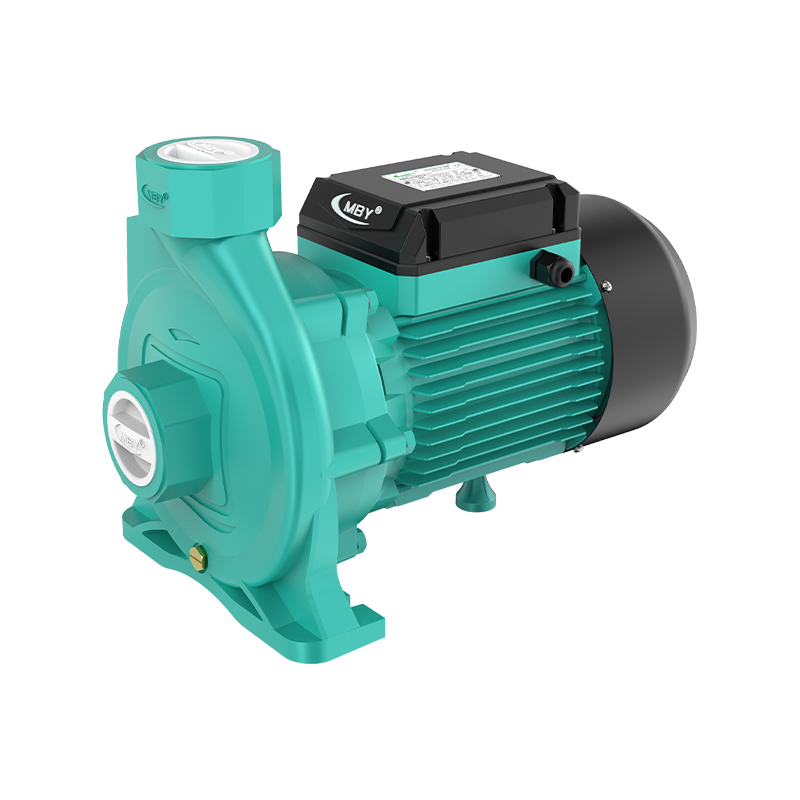
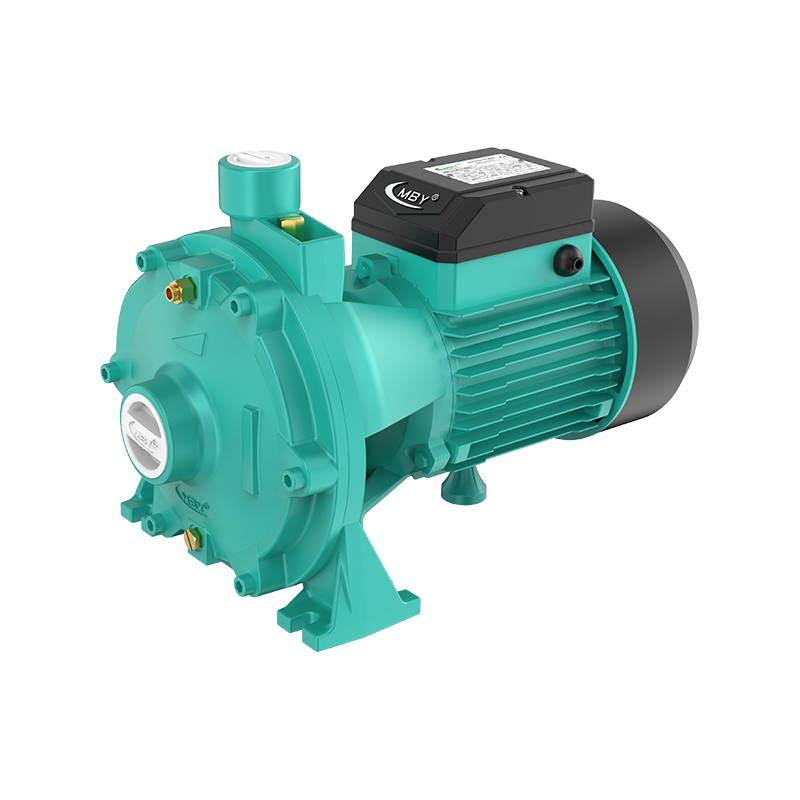
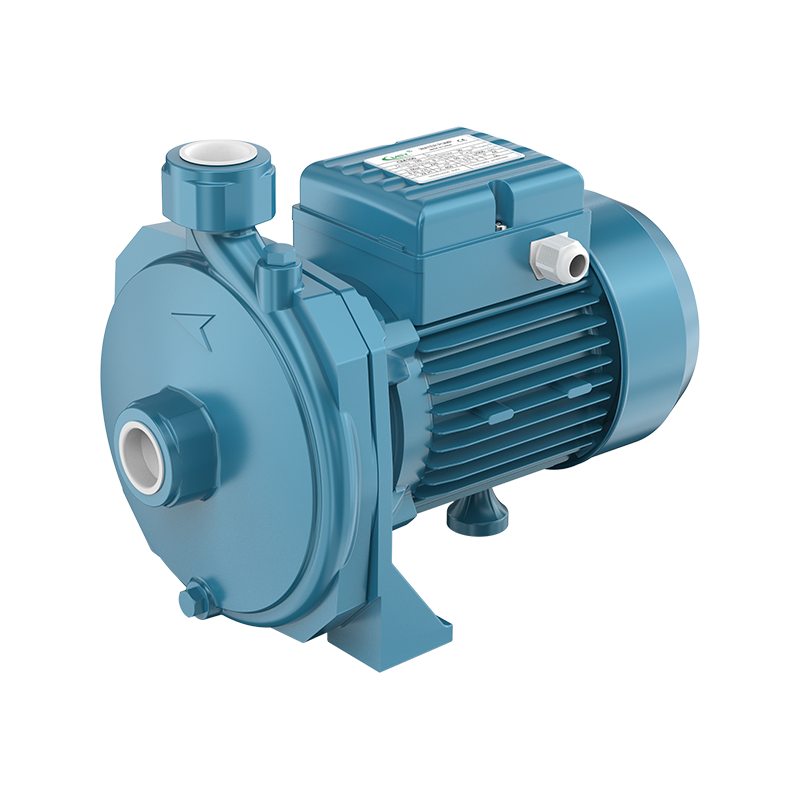
Centrifugal pumps are one of the most widely used types of industrial pumps. They operate by converting kinetic energy into fluid energy, making them ideal for high-flow applications. For high-pressure applications, centrifugal pumps are typically fitted with multiple stages to achieve the necessary pressure levels. These multi-stage centrifugal pumps can be customized to meet the specific needs of the application.
Advantages:
Suitable for large-scale operations.
Can handle high-flow rates.
Relatively simple design, leading to easy maintenance.
Disadvantages:
Pressure generation is limited by the number of stages.
Less effective for handling viscous fluids.
Positive Displacement Pumps
Positive displacement pumps are another category of pumps that are often used in high-pressure applications. These pumps operate by trapping a fixed amount of water and forcing it through the pump. Unlike centrifugal pumps, which depend on rotational speed, positive displacement pumps can generate higher pressures with fewer stages.
Advantages:
High efficiency at varying flow rates.
Can generate higher pressures than centrifugal pumps.
Ideal for low to medium-flow, high-pressure applications.
Disadvantages:
Complex mechanical design.
Can be prone to cavitation under certain conditions.
Diaphragm Pumps
Diaphragm pumps are a type of positive displacement pump that uses a diaphragm to move the fluid. They are often used in applications that require the handling of highly viscous fluids, chemicals, or fluids containing solids. In high-pressure situations, diaphragm pumps are excellent for their ability to maintain a consistent flow and handle thick or abrasive materials.
Advantages:
Self-priming, ensuring reliability even in suction conditions.
Can handle a wide range of fluid types, including those with high viscosity.
Can generate high pressures in smaller packages.
Disadvantages:
Higher maintenance costs due to moving parts.
Can be noisy in operation.
Peristaltic Pumps
Peristaltic pumps are often used in high-pressure applications where accurate dosing is required. These pumps move fluid by using rollers to squeeze a flexible tube. They are most commonly used in industries such as food processing, pharmaceuticals, and wastewater treatment.
Advantages:
Accurate fluid handling with minimal contamination.
Handles a wide range of fluid viscosities and solid content.
Can generate high pressure without compromising performance.
Disadvantages:
High wear and tear on the tubing, leading to more frequent replacements.
Not suitable for large-scale fluid transfer.
Below is a comparison table outlining the key characteristics of each pump type for high-pressure applications:
| Pump Type | Pressure Range | Flow Rate | Material Compatibility | Energy Efficiency | Maintenance Needs |
|---|---|---|---|---|---|
| Centrifugal Pumps | Medium to High | High | Corrosive fluids, slurries | Moderate | Low |
| Positive Displacement Pumps | High | Low to Medium | Low to high viscosity | High | High |
| Diaphragm Pumps | High | Medium | Chemical, abrasive fluids | Moderate | Moderate |
| Peristaltic Pumps | High | Low to Medium | Viscous, abrasive fluids | High | High |
Viscosity of Fluid: Higher viscosity fluids require more powerful pumps, such as positive displacement or diaphragm pumps.
Temperature: Temperature extremes can affect the performance of seals and materials. Choose a pump that can withstand the operating conditions.
Pump Efficiency: To reduce operational costs, energy-efficient pumps are crucial, especially in high-pressure systems where energy consumption can be significant.
Pump Material: In high-pressure applications, the materials used for the pump casing, impellers, and seals should be resistant to corrosion and wear, particularly when handling chemicals or abrasive fluids.
Maintaining high-pressure industrial water pumps is crucial to ensuring long-term performance. Preventive maintenance strategies should include regular checks for wear and tear on critical components such as seals, bearings, and impellers. Additionally, system monitoring should be in place to detect cavitation, pressure drops, or any unusual vibrations.
For pumps that handle abrasive or corrosive fluids, regular inspection and part replacement are essential to avoid costly downtime. Proper lubrication and fluid filtration can also significantly extend the lifespan of the pump.
Selecting the right industrial water pump for high-pressure applications is a crucial decision that can significantly affect the performance and cost-effectiveness of your operation. Whether you need a high-flow centrifugal pump or a more specialized positive displacement or diaphragm pump, understanding the needs of your application will guide you to the optimal choice. By considering factors such as fluid type, energy efficiency, and maintenance needs, you can ensure the pump delivers reliable performance in high-pressure environments.
1. What is the best type of pump for handling high-viscosity fluids?
Positive displacement pumps, especially diaphragm and peristaltic pumps, are ideal for handling high-viscosity fluids in high-pressure applications.
2. How do centrifugal pumps compare to positive displacement pumps in high-pressure situations?
Centrifugal pumps are better suited for high-flow, low-pressure applications, while positive displacement pumps excel in generating high pressures with lower flow rates.
3. What is the most energy-efficient pump for high-pressure applications?
Positive displacement pumps are generally more energy-efficient than centrifugal pumps for high-pressure applications, as they do not rely on high speeds to generate pressure.
4. Can diaphragm pumps be used for abrasive fluids?
Yes, diaphragm pumps are ideal for handling abrasive fluids, as their design can tolerate solids and harsh materials.
5. What is the role of pump material in high-pressure applications?
The pump material is crucial in ensuring durability, corrosion resistance, and the ability to handle extreme pressures and harsh chemicals or abrasives in the fluid.
Hot News
 Oil Immersed Submersible Electric Pump: Working Principles, Applications, and Future Trends
Sep 04, 2025
 Global Pipeline Centrifugal Pump Industry Update: High-Efficiency Double Suction and Magnetic Drive Technologies Leading the Industrial Water Treatment Revolution
Sep 04, 2025
 Complete Guide to Household Water Pumps: From Selection, Installation to Maintenance, Your Home's 'Water Butler'
Sep 04, 2025
 Can the intelligent automatic self-priming vortex water pump lead a new era in water management?
Sep 04, 2025
Get In Touch

Address 1:
No. 4 Taoyuan Road, Taozhou Town, Guangde City, Xuancheng City, Anhui Province, China
Address 2:
Daxi Town, Wenling City, Taizhou City, Zhejiang Province, China Pump Industry Intelligent Manufacturing Town