
 English
 русский
 Español
 Português
 عربى
عربى
 Türk
Türk








+86 18395326713
Mar 15, 2026
Submersible pumps are indispensable tools that enhance the efficiency of drainage systems across various sectors, including agriculture, construction, and urban infrastructure. These pumps work submerged in water, making them uniquely suited for tasks that require efficient water extraction in flooded areas, deep wells, and canals. By understanding how submersible pumps improve the performance and efficiency of drainage systems, industries can optimize their operations, reduce downtime, and ensure reliable water management.
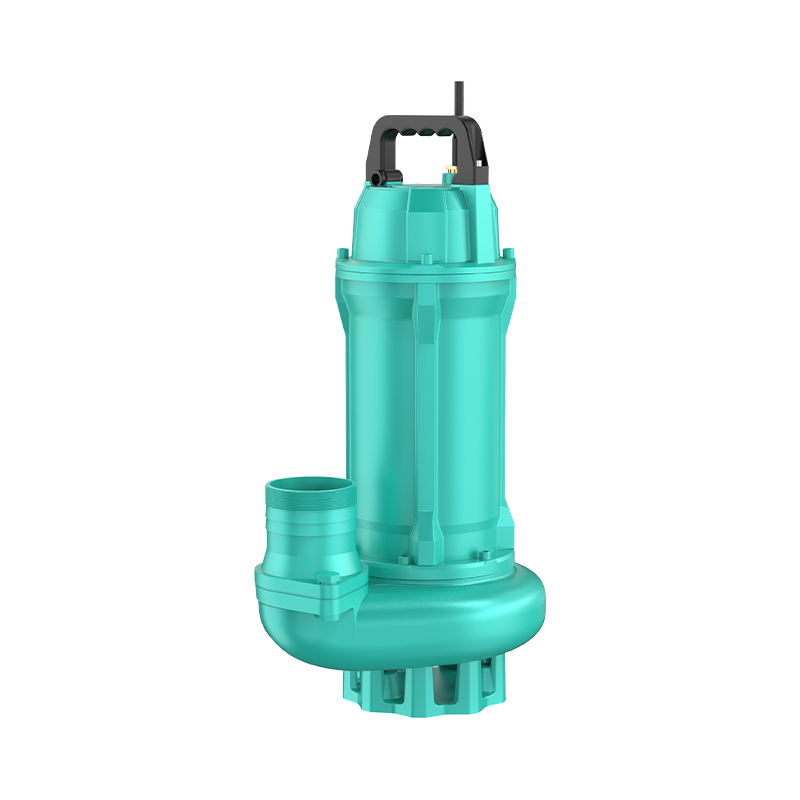
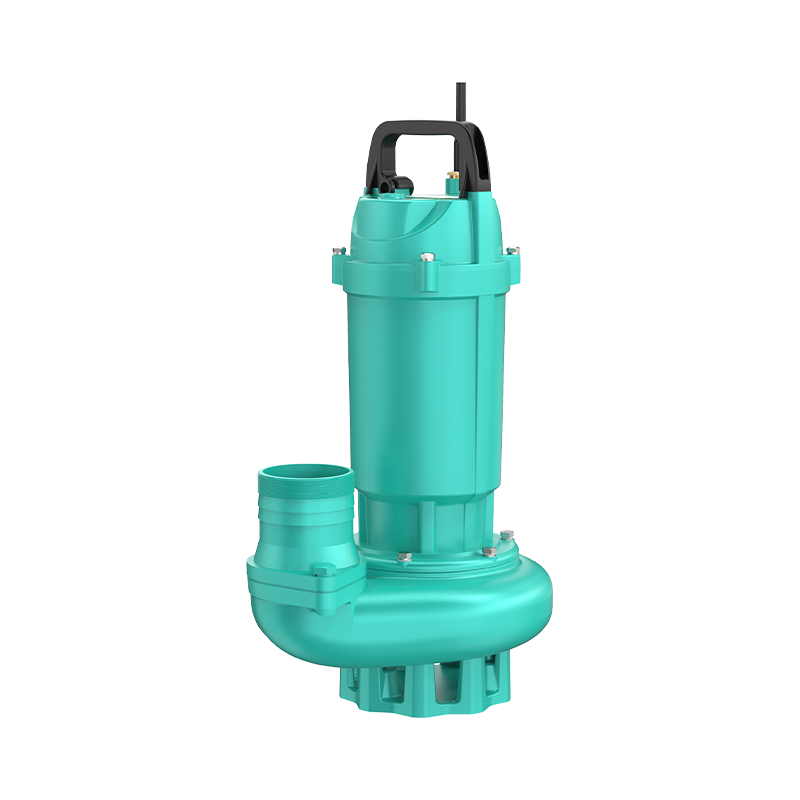
Submersible pumps are designed to operate underwater, making them ideal for draining water from deep wells, rivers, reservoirs, and other bodies of water. Their design integrates both the motor and pump in one unit, making them compact and easy to install in environments where space is limited. Submersible pumps come in various types, including clean water submersible pumps, sewage pumps, and seawater pumps, each tailored for specific liquid media.
The operational efficiency of a submersible pump is driven by its ability to pump water or other fluids from a submerged location to the surface, all while maintaining consistent performance despite being submerged in liquid.
One of the key benefits of submersible pumps is their consistent performance in water extraction, even from deep wells or flooded sites. These pumps are designed to handle large volumes of water, which is critical in drainage systems that need to manage fluctuating water levels. Whether it’s for urban drainage systems during heavy rains or agricultural irrigation, the ability to maintain a constant flow rate (ranging from 5 to 650 m³/h) ensures that water is efficiently removed, preventing flooding and enabling smooth operations.
Submersible pumps are compact and do not require additional drive shafts, making them perfect for areas with limited space. This allows them to be deployed in confined locations, such as underground drainage systems or deep wells. Since the motor and pump are integrated, submersible pumps take up less space compared to traditional pumps, which require external motors and large drive mechanisms.
Submersible pumps are designed to operate underwater, so their motor is sealed to prevent water from entering and damaging the components. The high sealing performance ensures that the pump can function for extended periods without issues, even in harsh environments where the water contains debris, sewage, or corrosive materials. This makes them ideal for sewage and industrial drainage applications, where durability and longevity are essential.
Submersible pumps are versatile in their application because they are designed to handle a range of different water types. Clean water submersible pumps are used for regular water extraction in urban drainage systems, while sewage pumps are designed to handle wastewater, and seawater pumps are built to manage the challenges posed by saline water. By offering specialized pumps for different media, submersible pumps can be tailored to meet the needs of specific drainage projects.
The performance of submersible pumps is often measured by their flow rate and head height. Flow rates typically range from 5 to 650 m³/h, allowing them to handle varying volumes of water efficiently. The head, which measures the height that the pump can move water, can reach up to 550 meters, making submersible pumps effective for deep drainage applications, such as draining mines, construction sites, or underground reservoirs.
In urban drainage systems, submersible pumps play a vital role in maintaining flood control and ensuring efficient water management. Whether it’s draining excess rainwater or managing wastewater in industrial facilities, submersible pumps offer reliable and continuous performance.
Submersible pumps are commonly used in agriculture to provide irrigation for crops. They are particularly useful in areas where groundwater needs to be extracted from deep wells. With adjustable flow rates, submersible pumps can provide the right amount of water for crops, even in areas with fluctuating water tables.
In mining and construction, submersible pumps are used to dewater sites that experience flooding or to extract water from underground reserves. Their compact design and high performance make them well-suited for tough environments, where they can work continuously without interruption.
In disaster relief situations, submersible pumps are used to pump out water from flooded areas. Their ability to work submerged in water allows them to be deployed in emergency situations to help prevent further damage caused by rising water levels.
| Feature | Description |
|---|---|
| Compact Design | Integrated motor and pump save space and reduce installation time. |
| High Sealing Performance | Ensures long-lasting operation without water damage. |
| Adjustable Flow Rates | Flow rates from 5 to 650 m³/h ensure versatility for various applications. |
| Durability | Built to withstand harsh conditions, including sewage and seawater. |
| High Head Height | Ability to pump water up to 550 meters, ideal for deep drainage projects. |
1. What are the main advantages of submersible pumps?
Submersible pumps offer reliability, compactness, and high efficiency in water extraction. They can work submerged in water, making them ideal for deep wells, flooded areas, and industrial drainage systems.
2. Can submersible pumps handle sewage and industrial wastewater?
Yes, specific types of submersible pumps, such as sewage submersible pumps, are designed to handle wastewater and other challenging media, providing reliable operation even in harsh environments.
3. How do submersible pumps improve energy efficiency in drainage systems?
Submersible pumps operate with integrated motors that consume less energy compared to traditional pumps with external motors. Their efficient design also reduces the need for additional components, further improving energy savings.
4. Are submersible pumps easy to maintain?
Yes, submersible pumps are generally easy to maintain due to their integrated design and sealed motors. Regular maintenance checks and proper installation ensure long-lasting performance.
5. How do I choose the right submersible pump for my drainage system?
The choice of submersible pump depends on factors such as the water type (clean water, sewage, or seawater), flow rate requirements, and the head height needed for the project. Consulting with an expert or manufacturer can help in selecting the appropriate model.
Hot News
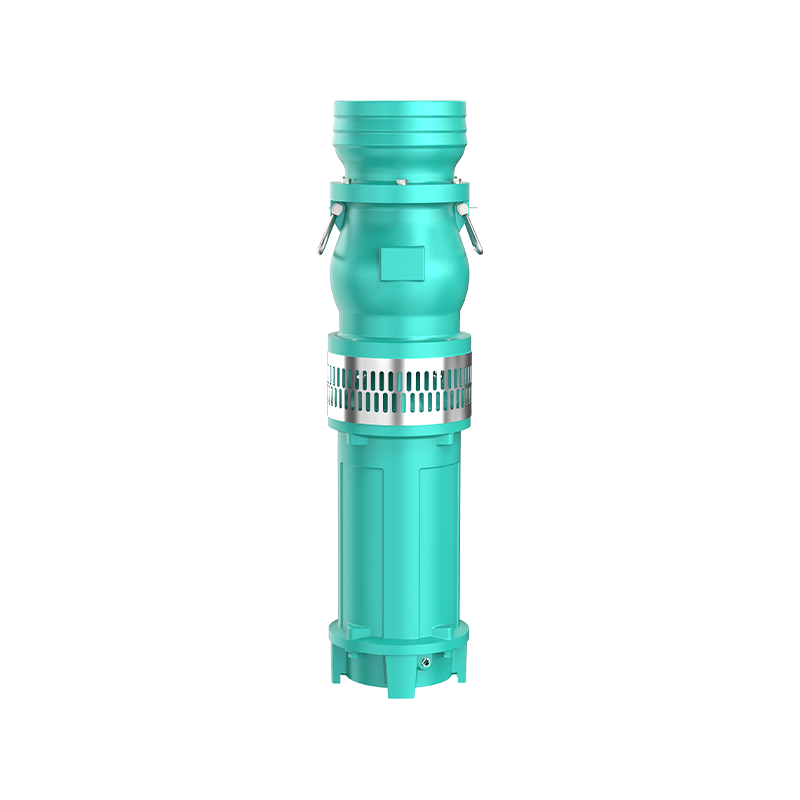 Oil Immersed Submersible Electric Pump: Working Principles, Applications, and Future Trends
Sep 04, 2025
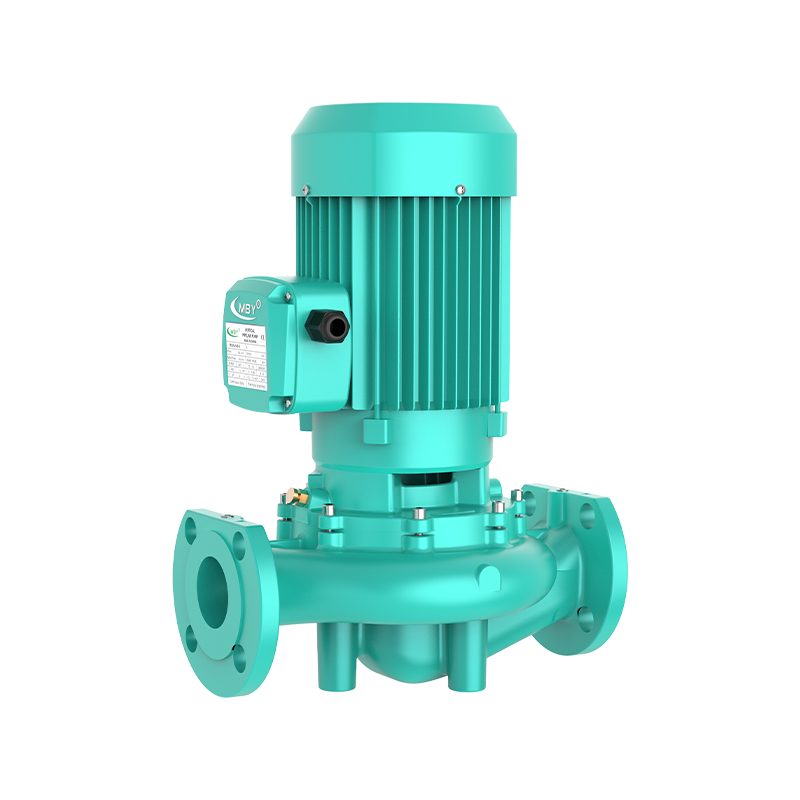 Global Pipeline Centrifugal Pump Industry Update: High-Efficiency Double Suction and Magnetic Drive Technologies Leading the Industrial Water Treatment Revolution
Sep 04, 2025
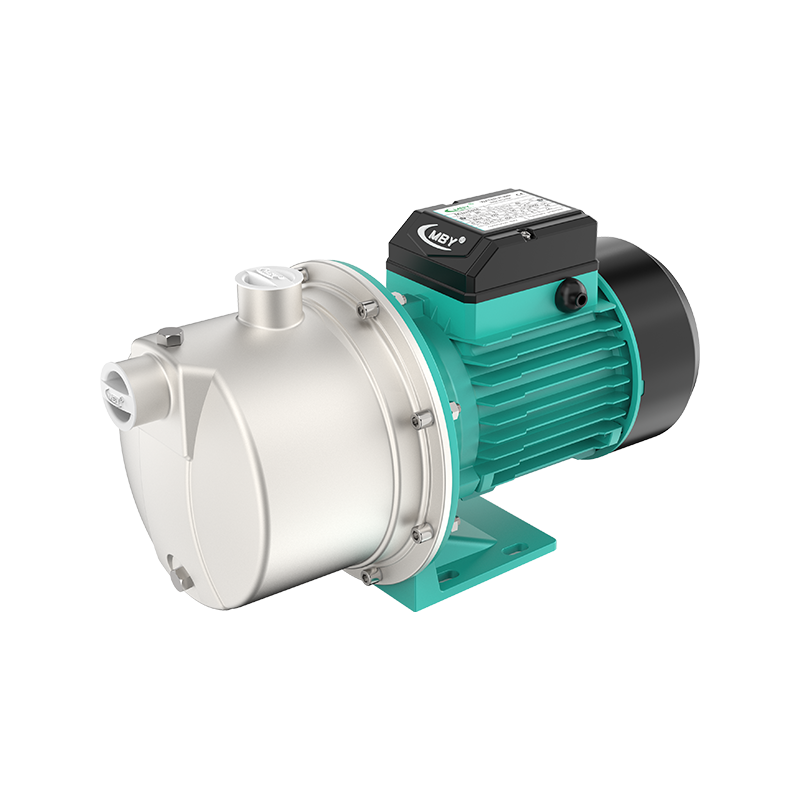 Complete Guide to Household Water Pumps: From Selection, Installation to Maintenance, Your Home's 'Water Butler'
Sep 04, 2025
 Can the intelligent automatic self-priming vortex water pump lead a new era in water management?
Sep 04, 2025
Get In Touch

Address 1:
No. 4 Taoyuan Road, Taozhou Town, Guangde City, Xuancheng City, Anhui Province, China
Address 2:
Daxi Town, Wenling City, Taizhou City, Zhejiang Province, China Pump Industry Intelligent Manufacturing Town