
 English
 русский
 Español
 Português
 عربى
عربى
 Türk
Türk








+86 18395326713
Mar 20, 2026
Industrial water pumps are integral to many operations across various industries, from agriculture to manufacturing and even power plants. However, these systems are often a major source of energy consumption, contributing significantly to operational costs.
Before diving into energy-saving techniques, it’s essential to understand how industrial pumps work. Industrial pumps are designed to move liquids or slurries through pipelines or other conduits. They are often used in processes such as irrigation, drainage, chemical processing, and cooling systems in industrial settings. These pumps can vary in type, including centrifugal, positive displacement, and reciprocating pumps.
Although pumps are designed to be efficient, factors such as system design, operation conditions, and maintenance practices can lead to unnecessary energy consumption. The goal is to optimize their use, minimize waste, and lower the overall carbon footprint.
Pump Type and Size: The type and size of a pump can directly impact energy use. For example, oversized pumps tend to operate less efficiently, consuming more energy than necessary for the application.
System Design: A poorly designed water distribution system can cause excess energy consumption. Misaligned pipelines, inefficient flow designs, and incorrect valve placements contribute to friction losses, forcing the pump to work harder.
Speed and Flow Control: Pump speed control is one of the most effective ways to reduce energy consumption. When a pump operates at a constant speed, it often runs inefficiently for periods when less capacity is needed.
Pump Maintenance: Inadequate maintenance can lead to issues like wear and tear, increased friction, and reduced pump efficiency. Regular maintenance ensures the pump operates optimally.
Choosing the correct pump for the specific application is crucial. Oversized or undersized pumps lead to inefficiencies and higher energy consumption. Key considerations include:
Variable Speed Drives (VSDs) are a highly effective way to reduce energy consumption in industrial pumps. A VSD adjusts the pump’s speed according to the system’s requirements. Instead of running at full speed, which consumes more energy, the VSD can slow the pump down when demand is low. This not only saves energy but also reduces wear and tear on the pump, extending its lifespan.
Ensuring that your pump operates at peak efficiency is crucial for energy savings. Routine checks and maintenance should include:
Motors are a significant part of the pump system, and the type of motor used plays a critical role in energy consumption. Upgrading to energy-efficient motors, such as IE3 or higher-rated motors, can provide substantial energy savings. These motors are designed to consume less energy while offering the same level of performance as conventional motors.
A well-designed pump system is one of the most effective ways to reduce energy consumption. Consider these system design improvements:
Implementing an advanced monitoring system can help optimize pump operation and identify energy inefficiencies in real-time. Modern systems equipped with sensors and data analytics can track parameters like flow rate, pressure, and energy usage, providing insights into potential energy-saving opportunities.
An energy audit is a systematic review of an industrial facility’s energy use. By conducting regular audits, companies can identify inefficiencies in their pump systems and determine the best course of action for improving energy consumption.
Cost Savings: The most immediate benefit of energy-efficient pumps is reduced operating costs. With energy accounting for a large portion of total operational expenses, optimizing pump efficiency can result in significant savings.
Environmental Impact: Reducing energy consumption reduces the carbon footprint of industrial operations. This contributes to sustainability goals and corporate social responsibility efforts.
Increased Equipment Lifespan: By reducing the load on pumps and motors, these systems experience less wear and tear, extending their operational life and reducing the need for costly repairs or replacements.
Regulatory Compliance: As energy efficiency regulations become stricter, investing in energy-saving pump technologies can help companies stay compliant with industry standards.
Reducing energy consumption in industrial water pumps is not only beneficial for cutting costs but also contributes to sustainability efforts. By optimizing pump selection, implementing variable speed drives, maintaining efficiency, upgrading motors, and optimizing system design, companies can achieve significant energy savings. Regular monitoring and audits further ensure that these improvements continue to yield long-term benefits. Ultimately, investing in energy-efficient solutions for industrial pumps leads to better performance, cost reductions, and a positive environmental impact.
1. What is the most effective way to reduce energy consumption in water pumps?
The most effective way is by installing Variable Speed Drives (VSDs) to adjust the pump’s speed based on demand.
2. How often should industrial pumps be maintained to ensure energy efficiency?
Regular maintenance, at least quarterly, ensures optimal efficiency. This includes checking for wear, lubrication, and alignment.
3. Can upgrading to an energy-efficient motor really make a difference?
Yes, upgrading to a higher-rated motor can result in up to 10% energy savings by reducing energy conversion losses.
4. How can system design impact energy efficiency in industrial pumps?
An optimized system with proper pipe sizing, minimal bends, and well-chosen valves can reduce friction and pressure losses, leading to lower energy use.
5. Why are energy audits important for pump optimization?
Energy audits help identify inefficiencies in the system and provide actionable insights into areas that need improvement, ensuring long-term savings.
Hot News
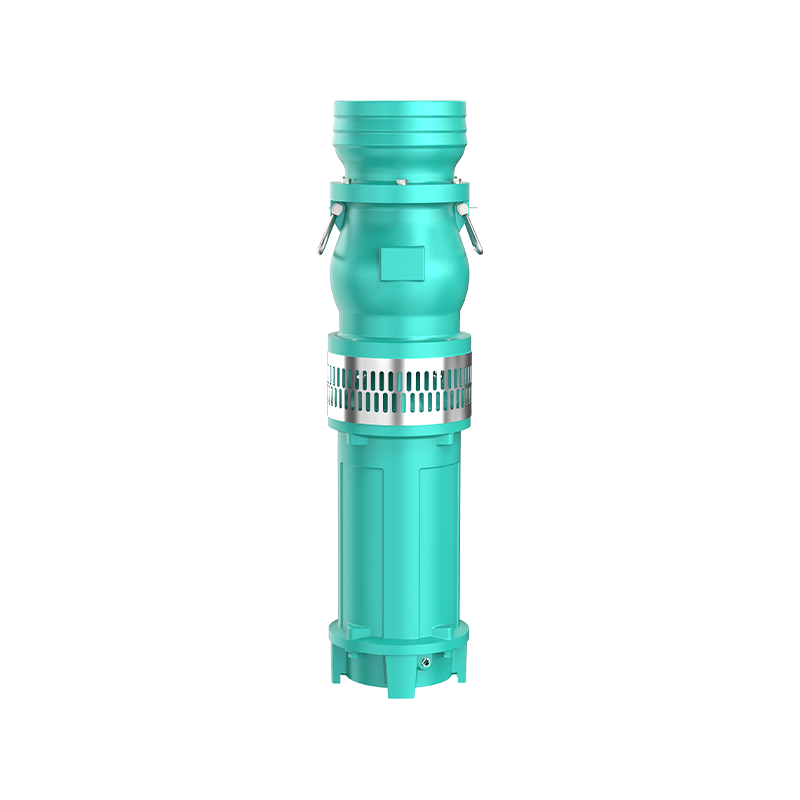 Oil Immersed Submersible Electric Pump: Working Principles, Applications, and Future Trends
Sep 04, 2025
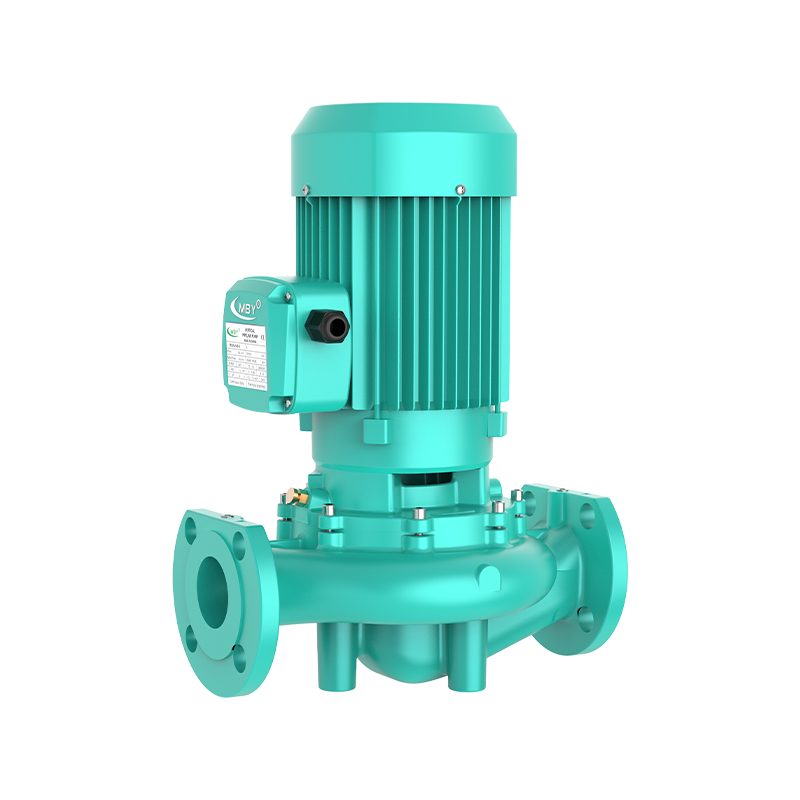 Global Pipeline Centrifugal Pump Industry Update: High-Efficiency Double Suction and Magnetic Drive Technologies Leading the Industrial Water Treatment Revolution
Sep 04, 2025
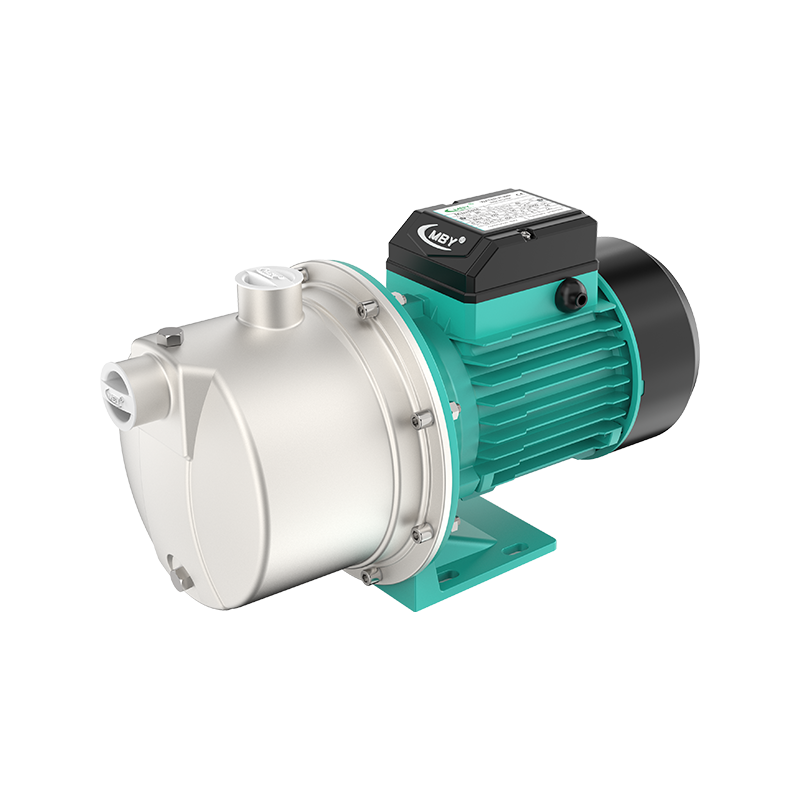 Complete Guide to Household Water Pumps: From Selection, Installation to Maintenance, Your Home's 'Water Butler'
Sep 04, 2025
 Can the intelligent automatic self-priming vortex water pump lead a new era in water management?
Sep 04, 2025
Get In Touch

Address 1:
No. 4 Taoyuan Road, Taozhou Town, Guangde City, Xuancheng City, Anhui Province, China
Address 2:
Daxi Town, Wenling City, Taizhou City, Zhejiang Province, China Pump Industry Intelligent Manufacturing Town