

 English
 русский
 Español
 Português
 عربى
عربى
 Türk
Türk








+86 18395326713
Jan 22, 2026
Water pumps are essential tools used in various industries for moving water and other liquids. Among the different types of pumps available in the market, centrifugal pumps are among the most commonly used. These pumps work by converting rotational kinetic energy into hydrodynamic energy, allowing for the movement of fluids.
When it comes to centrifugal water pumps, they can be classified into two main categories: single-stage and multi-stage pumps. While both serve similar functions, their designs, applications, and performance characteristics differ significantly.
Single-Stage Centrifugal Pumps:
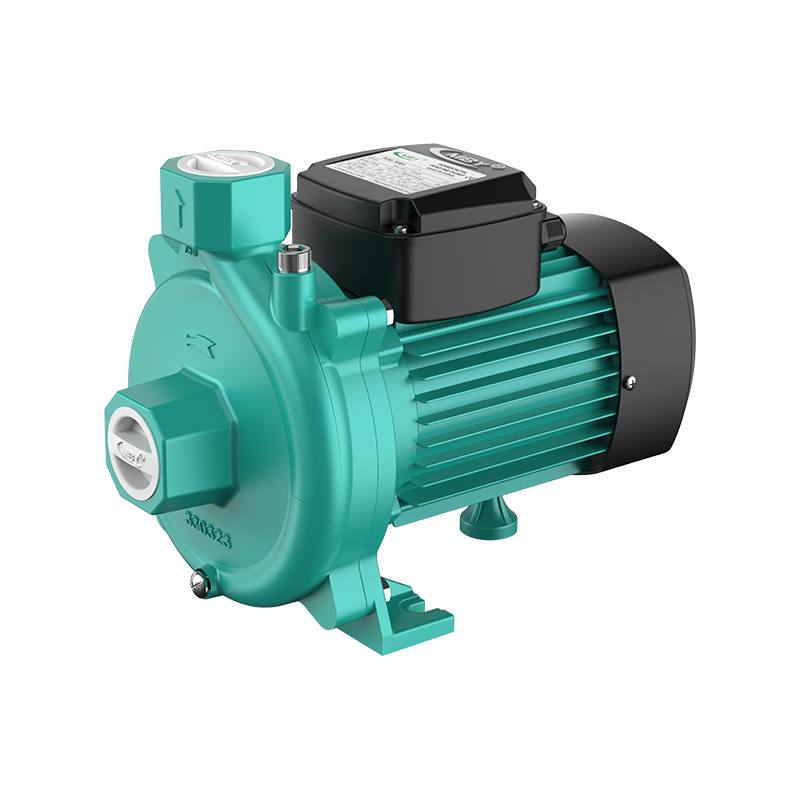
A single-stage centrifugal pump is a pump that has only one impeller or stage. It is designed for transferring water and other liquids over short distances or for applications where a low head (the height the pump is capable of raising the liquid) is required.
The pump consists of a single impeller that rotates within the pump casing. The liquid enters the pump at the suction side, is accelerated by the impeller, and is discharged through the pump outlet. Since there is only one impeller, the pump provides a single increase in pressure to the liquid.
Multi-Stage Centrifugal Pumps:
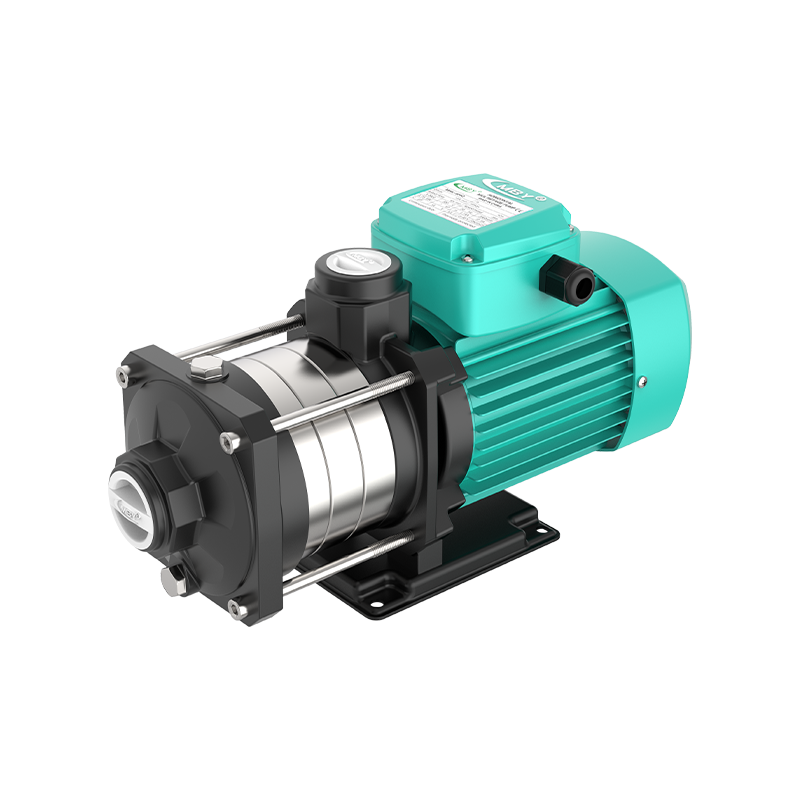
In contrast, a multi-stage centrifugal pump has multiple impellers or stages. Each impeller increases the pressure of the fluid progressively, making this pump more suitable for applications requiring higher heads or long-distance fluid transfer. Multi-stage pumps are often used in situations where higher pressures are needed, such as in deep-well applications, high-rise buildings, or long-distance pipeline transfers.
Each stage works in a similar manner to a single-stage pump, but the fluid flows through multiple impellers, where each stage adds more energy to the fluid, resulting in higher overall pressure.
One of the main distinctions between single-stage and multi-stage centrifugal pumps is the pressure and head they can generate.
Single-Stage Centrifugal Pumps are ideal for low-pressure applications and can handle a limited head (usually up to 125 meters). They are best suited for applications where the liquid needs to be moved over relatively short distances and where pressure isn’t a major concern.
Multi-Stage Centrifugal Pumps are capable of providing much higher pressures and can operate at higher heads. A multi-stage pump is often used when the application requires the liquid to be moved across significant vertical distances, such as in water supply systems for tall buildings or industrial processes requiring high-pressure pumping.
Both single-stage and multi-stage centrifugal pumps serve critical roles in various industries. However, due to their differences in performance characteristics, they are suited for different applications.
Single-Stage Centrifugal Pumps are commonly used in applications such as:
Water circulation for heating and cooling systems
Irrigation systems
Small-scale water transfer
Industrial applications where the head requirement is relatively low
Multi-Stage Centrifugal Pumps are preferred for more demanding applications, including:
Deep-well pumping
Long-distance water transportation (e.g., pipeline transfer)
High-rise building water supply
High-pressure cleaning systems
While both pumps are designed to be efficient in their respective applications, multi-stage centrifugal pumps tend to consume more energy than single-stage pumps due to the additional impellers and more complex design. However, this increased energy consumption is necessary for high-pressure applications. In situations where pressure requirements are low, using a multi-stage pump would result in unnecessary energy expenditure.
On the other hand, single-stage centrifugal pumps are more energy-efficient in low-pressure applications, making them the best centrifugal pump choice for tasks that don’t require significant head.
Single-Stage Pumps have a relatively simple design, meaning they are easier to maintain and generally have a longer lifespan when used in appropriate applications. The simplicity of the design also means that they are less prone to mechanical issues compared to multi-stage pumps.
Multi-Stage Pumps, due to their more complex design with several impellers, require more maintenance. The multiple components increase the chance of wear and tear, especially if the pump operates under conditions beyond its design capacity. Proper maintenance is crucial to ensure the longevity of a multi-stage centrifugal pump.
The cost of a centrifugal pump can vary significantly based on its design and application. Single-stage pumps are generally more affordable because of their simpler design and lower material costs. They are a cost-effective option for low-pressure applications.
Multi-stage pumps, however, are more expensive due to their complex construction and additional components, making them a more costly option. The higher upfront investment is often justified by their ability to handle high-pressure applications and the longer distances they can pump liquids.
| Feature | Single-Stage Centrifugal Pump | Multi-Stage Centrifugal Pump |
|---|---|---|
| Design Complexity | Simple design with one impeller | Complex design with multiple impellers |
| Pressure (Head) | Low to medium (up to 125 meters) | High (up to 500 meters or more) |
| Applications | Water circulation, irrigation, industrial use | Deep-well pumping, long-distance transport, high-rise buildings |
| Energy Efficiency | High for low-pressure applications | Higher energy consumption for high-pressure applications |
| Cost | Relatively inexpensive | More expensive due to complexity |
| Maintenance | Simple maintenance, lower wear | More maintenance required, higher wear |
| Lifespan | Longer in appropriate conditions | Shorter lifespan if used incorrectly |
1. What is the primary difference between a single-stage and multi-stage centrifugal pump?
The primary difference lies in the number of impellers. Single-stage pumps have one impeller, while multi-stage pumps have multiple impellers. Multi-stage pumps generate higher pressures and are suitable for applications requiring high heads, while single-stage pumps are used for low-pressure applications.
2. Which pump is more energy-efficient?
Single-stage centrifugal pumps are generally more energy-efficient in low-pressure applications. Multi-stage pumps consume more energy due to the additional stages but are necessary for high-pressure tasks.
3. Can a single-stage pump handle high-pressure applications?
No, single-stage pumps are designed for low to medium-pressure applications. For high-pressure applications, a multi-stage centrifugal pump would be the better option.
4. How do I determine which type of centrifugal pump is best for my needs?
To determine the best pump for your needs, consider the required pressure (head), the distance the liquid needs to be pumped, and the energy efficiency requirements. Single-stage pumps are ideal for low-pressure, short-distance applications, while multi-stage pumps are suited for high-pressure, long-distance pumping.
5. Are multi-stage pumps more expensive than single-stage pumps?
Yes, multi-stage centrifugal pumps are typically more expensive than single-stage pumps due to their complex design and additional components.
By understanding the differences between single-stage and multi-stage centrifugal pumps, you can make a more informed decision when selecting the best centrifugal pump for your application. Whether you’re looking for a low-cost, energy-efficient solution or need a high-pressure pump for a demanding application, the right centrifugal water pump can make all the difference in performance and longevity.
Hot News
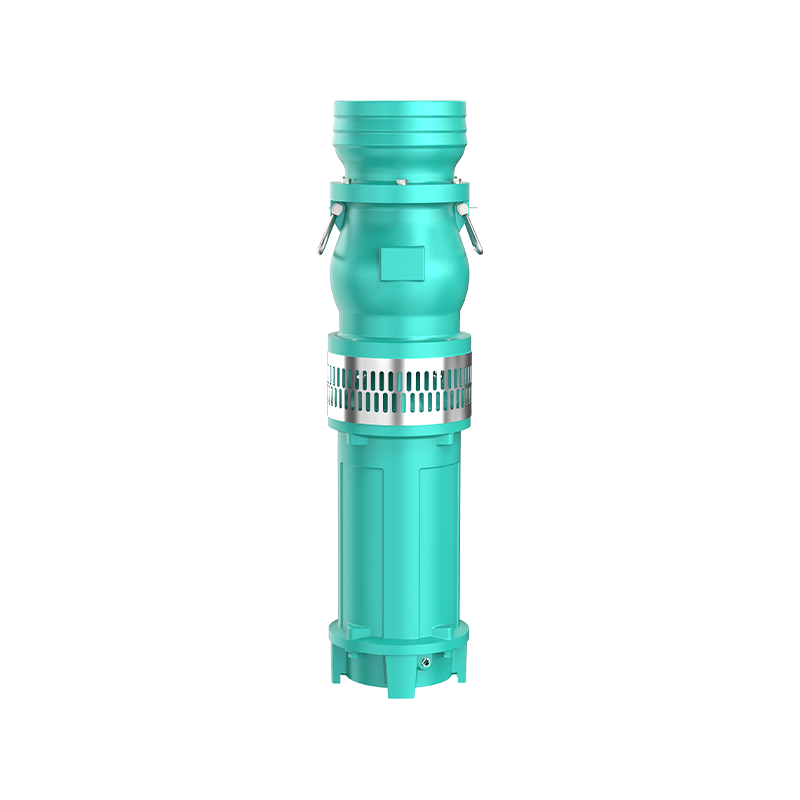 Oil Immersed Submersible Electric Pump: Working Principles, Applications, and Future Trends
Sep 04, 2025
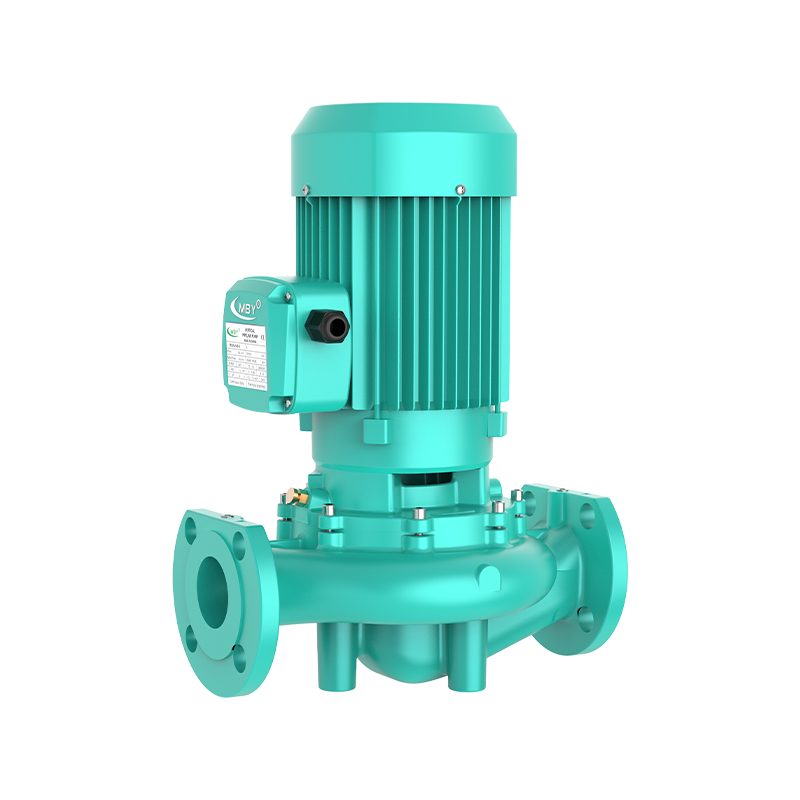 Global Pipeline Centrifugal Pump Industry Update: High-Efficiency Double Suction and Magnetic Drive Technologies Leading the Industrial Water Treatment Revolution
Sep 04, 2025
 Complete Guide to Household Water Pumps: From Selection, Installation to Maintenance, Your Home's 'Water Butler'
Sep 04, 2025
 Can the intelligent automatic self-priming vortex water pump lead a new era in water management?
Sep 04, 2025
Get In Touch

Address 1:
No. 4 Taoyuan Road, Taozhou Town, Guangde City, Xuancheng City, Anhui Province, China
Address 2:
Daxi Town, Wenling City, Taizhou City, Zhejiang Province, China Pump Industry Intelligent Manufacturing Town