
 English
 русский
 Español
 Português
 عربى
عربى
 Türk
Türk








+86 18395326713
Oct 09, 2025
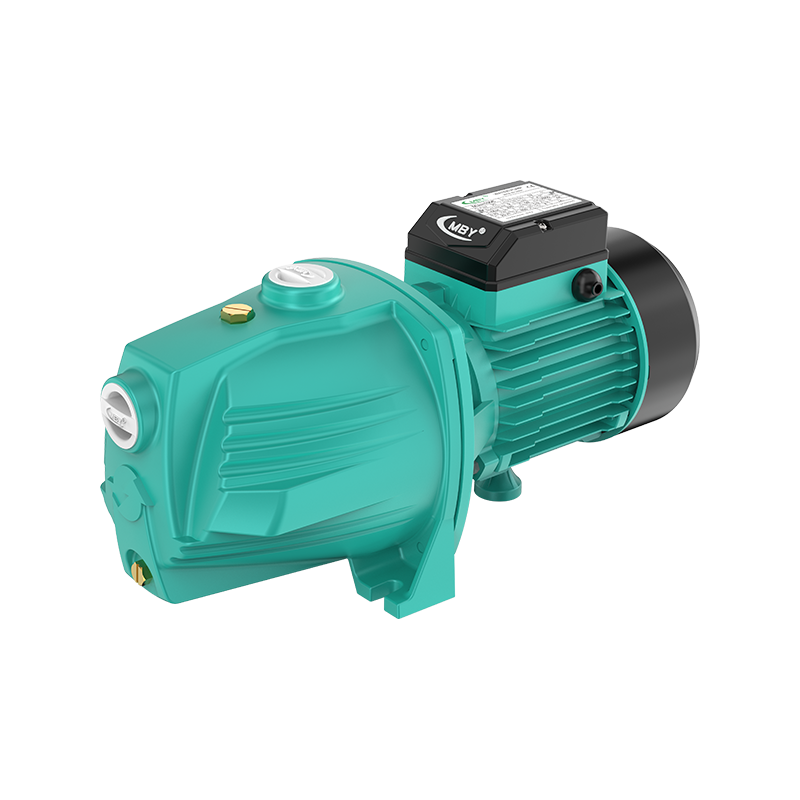
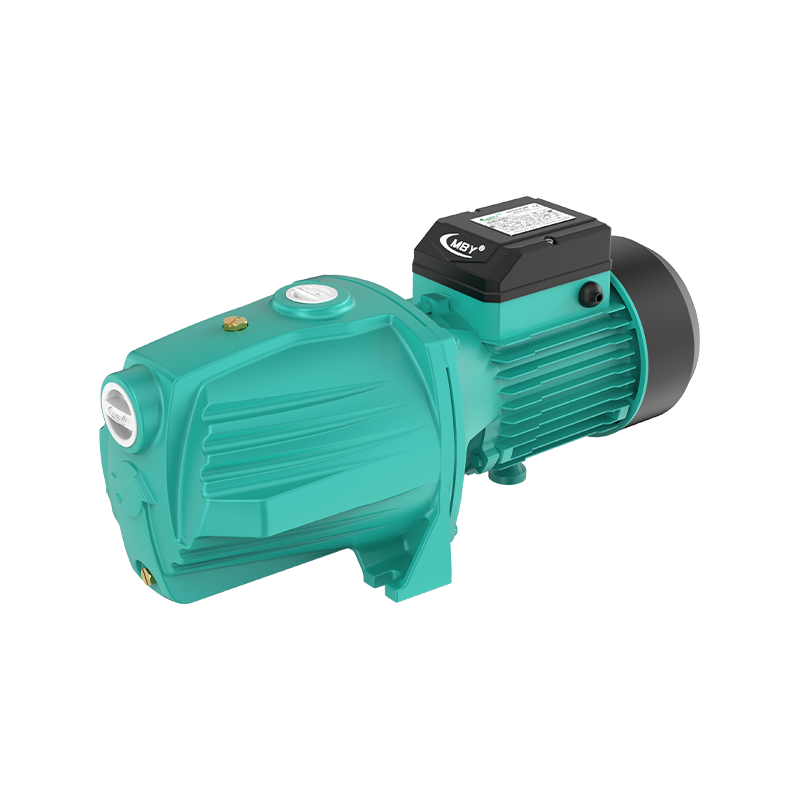
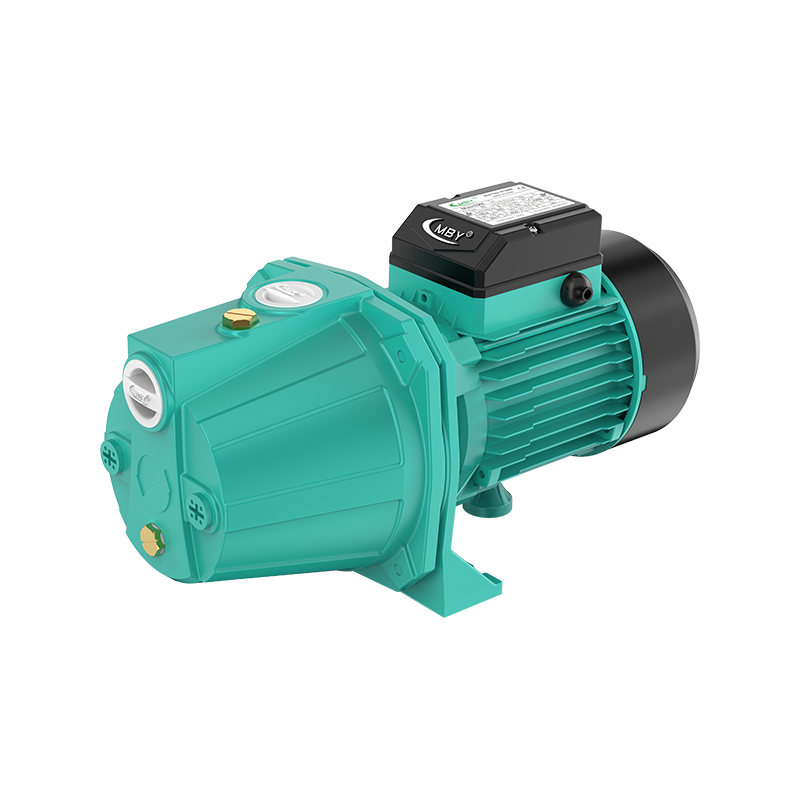
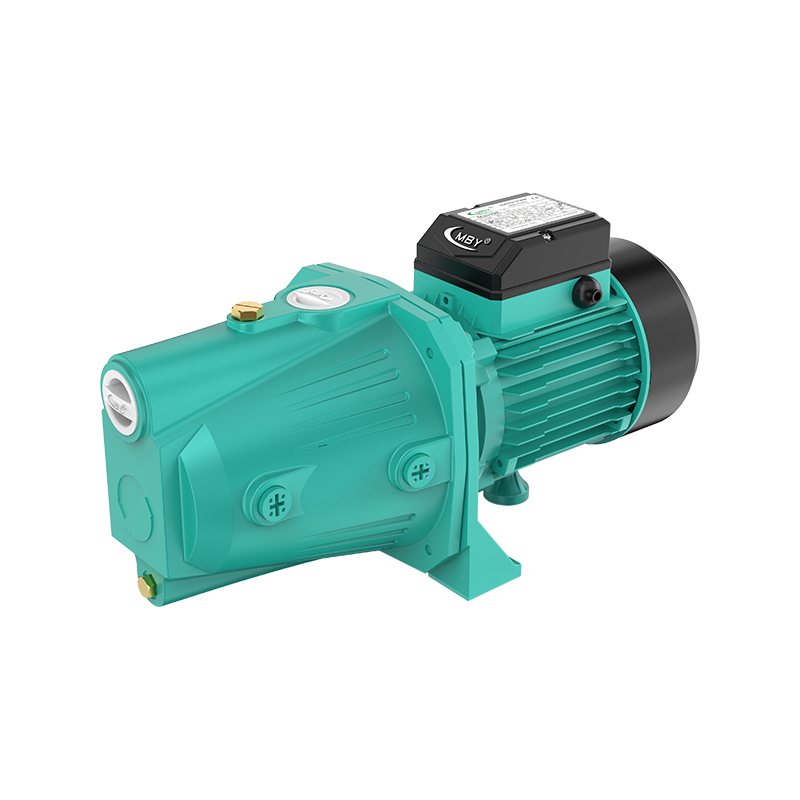
In the evolving water management industry, the self-priming jet pump has become a critical component across domestic, agricultural, and light industrial sectors. Among its multiple technical advantages, the capability for strong suction performance has emerged as the most defining factor in ensuring efficiency, reliability, and continuity of water delivery systems.
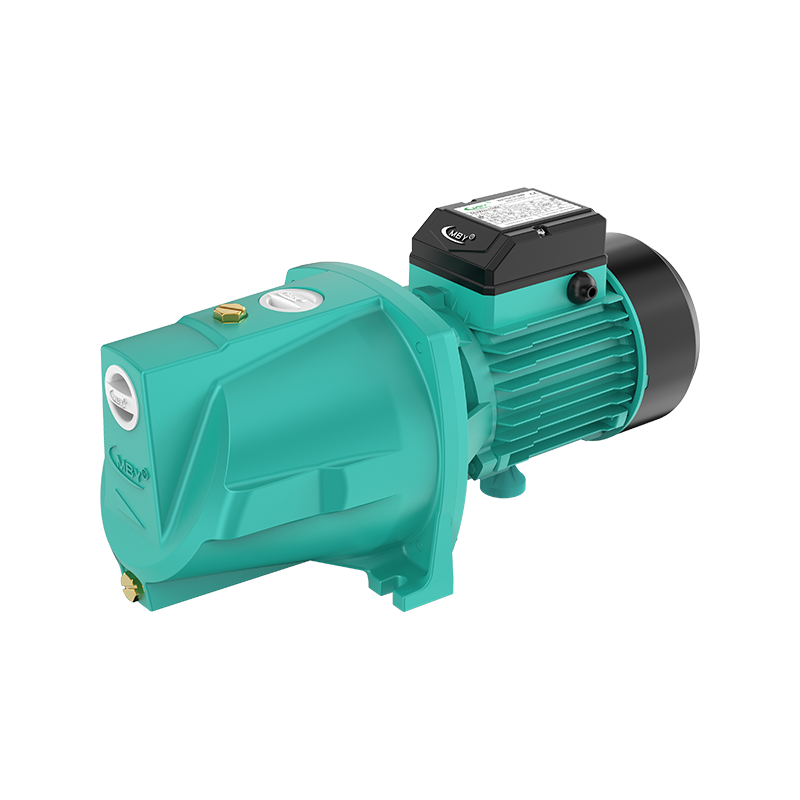
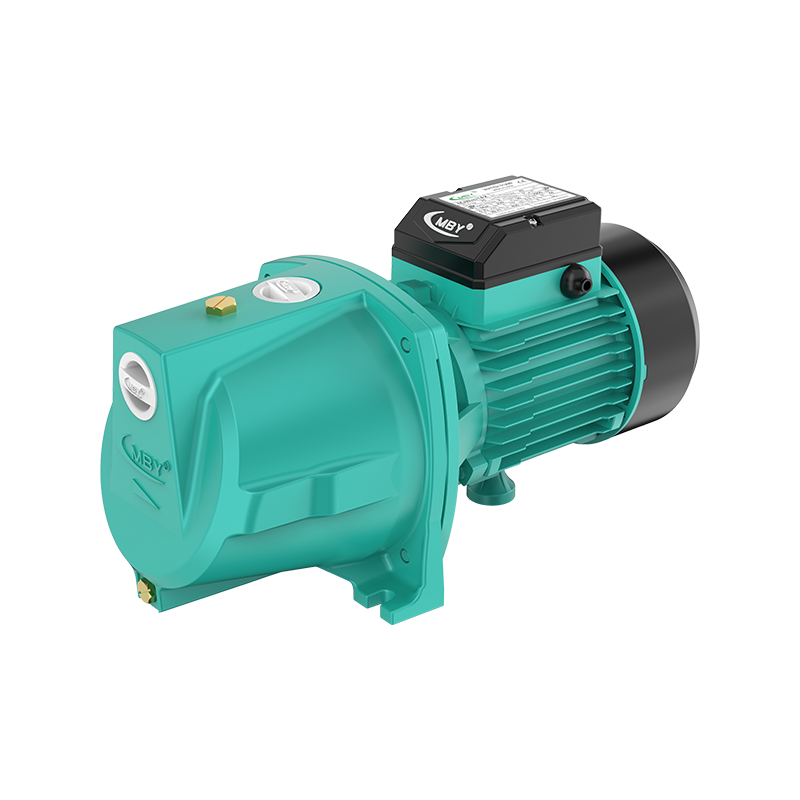
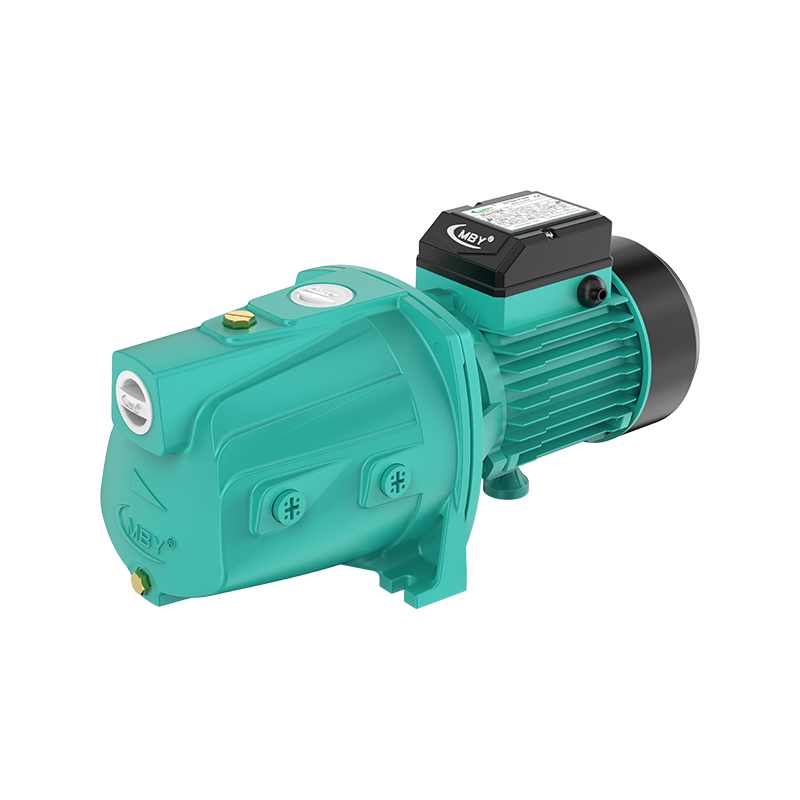
A self-priming jet pump operates on the combined principle of centrifugal action and jet injection. When water enters the pump housing, it is accelerated through an internal nozzle and diffuser system. This design enables the pump to create a vacuum, drawing water upward from a lower level — even when the suction pipe is initially dry.
This mechanism makes the self-priming jet pump distinct from conventional centrifugal jet pumps, which require pre-filling before operation. Its ability to automatically remove air pockets and restart without manual intervention provides superior adaptability in fluctuating supply conditions such as shallow wells, irrigation channels, or domestic tanks.
High suction performance represents the capacity of a self-priming jet pump to lift water effectively from below ground or a distant source without losing pressure consistency. The optimization of this performance is achieved through aerodynamic impeller geometry, precision-balanced ejectors, and streamlined internal fluid pathways.
A well-engineered pump can sustain a suction lift of several meters while maintaining stable discharge, reducing the likelihood of cavitation or flow disruption. This becomes essential in environments where the water table fluctuates or where suction lines must extend over long distances.
The benefits of high suction power in a self-priming jet pump extend beyond mechanical efficiency. It directly contributes to energy savings, equipment lifespan, and operational flexibility.
| Key Aspect | Functional Impact | Technical Benefit |
|---|---|---|
| Suction Range | Enables water lifting from deeper or remote sources | Reduces installation constraints |
| Priming Speed | Achieves faster self-priming during initial start-up | Minimizes downtime |
| Flow Stability | Maintains consistent water pressure | Enhances system reliability |
| Air Handling | Removes air pockets during operation | Prevents cavitation and vibration |
| Power Efficiency | Optimizes impeller performance under suction load | Reduces energy consumption |
High suction performance enables the self-priming jet pump to perform reliably across a variety of environments where ordinary water pumps face challenges.
Domestic water systems:
In household water supply networks, maintaining consistent pressure even when the source is located below ground level is essential. A self-priming jet pump for household water supply achieves this without requiring repeated manual priming, ensuring convenience and stability.
Irrigation systems:
For agricultural or garden use, where the source may be located far from the point of discharge, the self-priming jet pump for irrigation offers continuous flow even during variable suction heights, protecting crops and soil hydration balance.
Rainwater harvesting:
In rainwater systems where water must be transferred from storage tanks to elevated points, a high pressure self-priming jet pump provides dependable lifting capability with smooth operation.
The evolution of suction technology in self-priming jet pumps has been supported by structural and mechanical enhancements that minimize hydraulic losses.
Key improvements include:
Optimized impeller curvature: Enhances flow velocity at the suction inlet.
Reinforced diffuser channels: Improves the efficiency of pressure recovery during circulation.
Non-return valve integration: Prevents backflow and maintains priming after shutdown.
Precision-sealed air chambers: Enables immediate suction recovery upon restart.
Together, these advancements create an integrated hydraulic circuit that ensures the self-priming jet pump maintains stable suction even under intermittent water availability.
To fully benefit from high suction performance, proper installation and maintenance are essential.
Key recommendations include:
Suction Line Positioning: Keep suction pipes as short and straight as possible to reduce friction losses.
Pipe Sealing: Ensure airtight joints to prevent air leakage, which weakens suction capability.
Check Valve Placement: Install at the lowest point in the suction line to maintain prime when the pump stops.
Routine Inspection: Periodically check the impeller and diffuser for scale or sediment buildup.
Following these principles guarantees optimal performance for both shallow well jet pumps and electric jet pumps used in domestic or agricultural environments.
High suction performance not only enhances hydraulic capacity but also contributes to overall energy efficiency. By maintaining smooth water flow through the impeller and ejector system, the motor experiences less load fluctuation, resulting in lower power consumption and reduced mechanical wear.
Additionally, a balanced hydraulic design helps lower operational noise — an increasingly important factor in residential and garden water systems. The quiet operation self-priming jet pump variant is now favored in urban environments where noise levels must be minimized without sacrificing suction power.
As the demand for intelligent water management increases, integration of automatic control modules is becoming common. The automatic self priming pump variant incorporates pressure sensors and electronic control units to adjust motor speed according to flow demand. This ensures consistent suction and discharge performance with improved energy conservation.
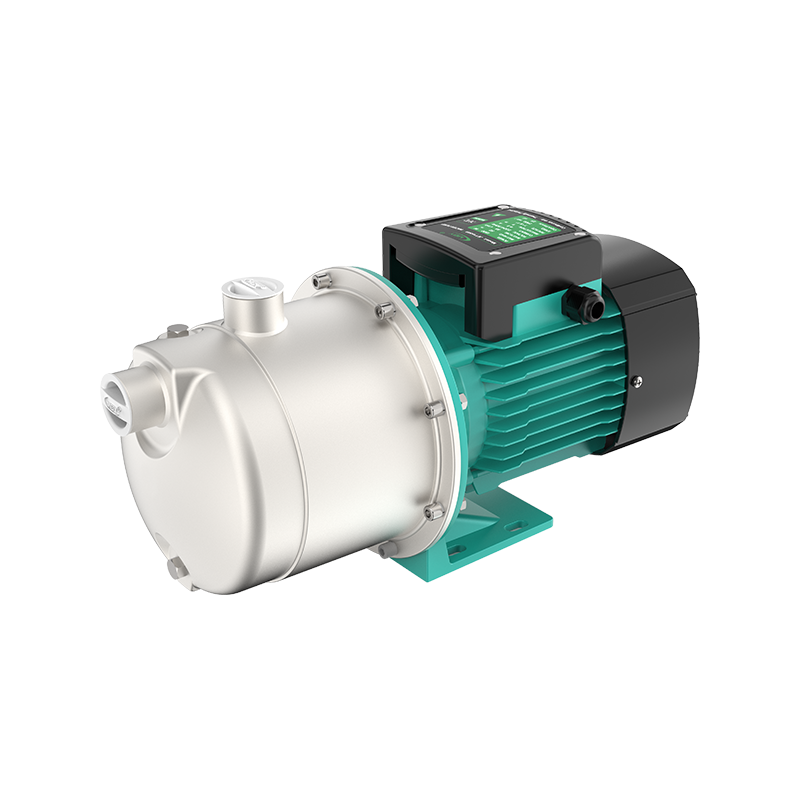
At the material level, stainless steel jet pumps and corrosion resistant self priming jet pumps are being developed to extend lifespan and maintain suction integrity in chemically active or saline water conditions. The use of thermoplastic diffusers and composite impellers further enhances performance stability over long-term operation.
The table below provides a general performance comparison between standard jet pumps and advanced high suction self-priming models:
| Parameter | Standard Jet Pump | High Suction Self-Priming Jet Pump |
|---|---|---|
| Priming Requirement | Manual before operation | Automatic during start-up |
| Suction Lift Capacity | Moderate (limited depth) | Extended lift for deeper sources |
| Flow Stability | Variable under suction fluctuation | Consistent flow output |
| Energy Consumption | Higher due to inefficient priming | Optimized through balanced flow |
| Maintenance Frequency | Frequent due to air lock issues | Reduced due to self-clearing design |
The ongoing refinement of self-priming jet pump design reflects a broader industry shift toward autonomous, energy-smart, and user-friendly water systems. With continuous research into impeller dynamics, material endurance, and digital control systems, the next generation of jet water pumps will likely feature enhanced suction precision, integrated monitoring, and adaptive flow regulation.
For industries and households alike, these innovations mean greater independence from variable water levels and improved sustainability in everyday water use. The self-priming jet pump, once seen as a niche product for shallow well applications, is now a cornerstone technology in modern fluid management.
High suction performance has transformed the self-priming jet pump from a conventional mechanical unit into a sophisticated solution for efficient, consistent, and sustainable water handling.
Hot News
 Oil Immersed Submersible Electric Pump: Working Principles, Applications, and Future Trends
Sep 04, 2025
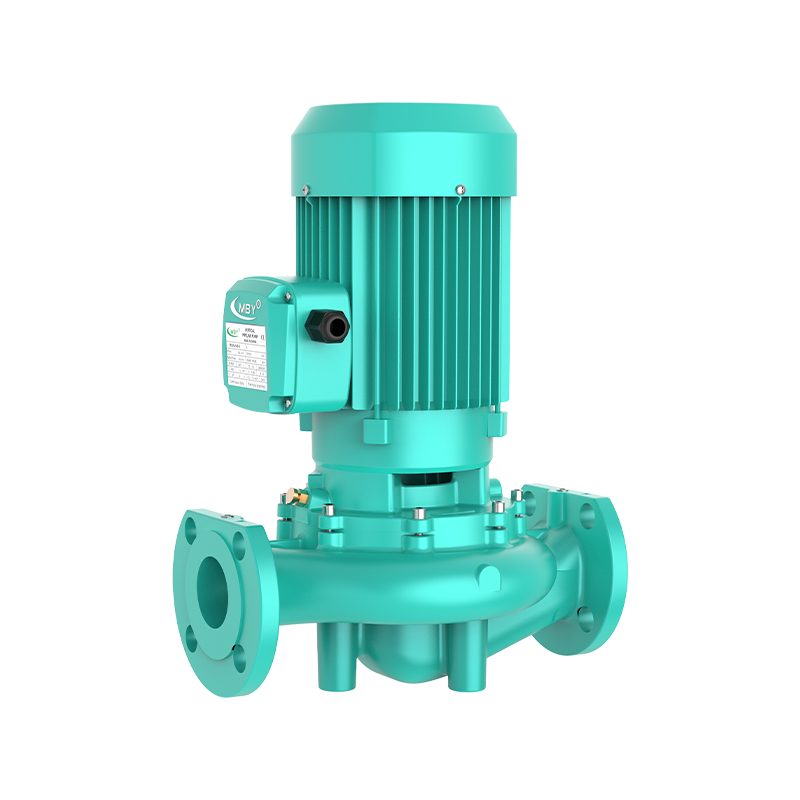 Global Pipeline Centrifugal Pump Industry Update: High-Efficiency Double Suction and Magnetic Drive Technologies Leading the Industrial Water Treatment Revolution
Sep 04, 2025
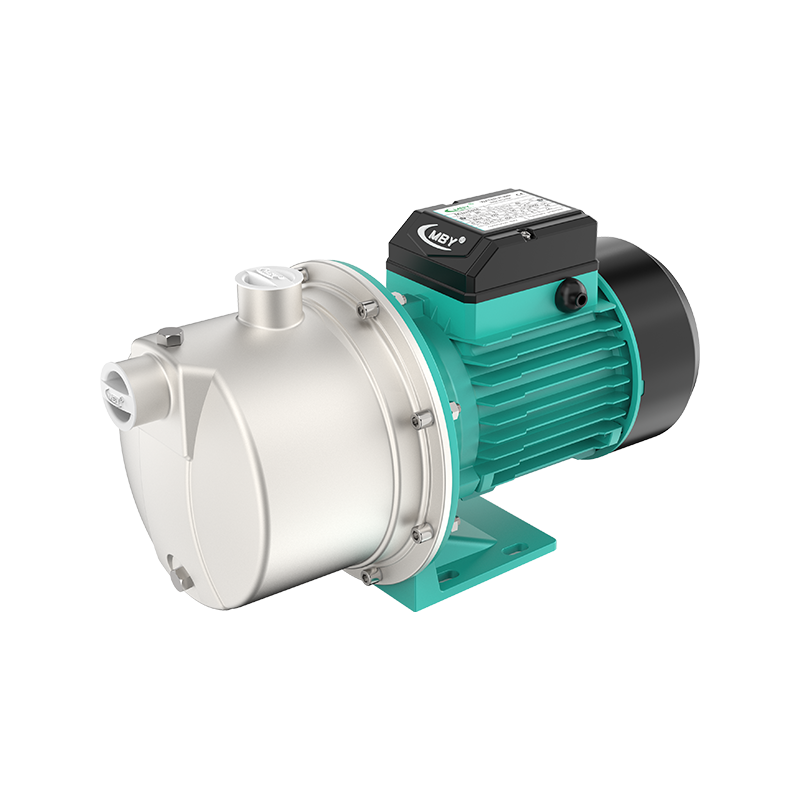 Complete Guide to Household Water Pumps: From Selection, Installation to Maintenance, Your Home's 'Water Butler'
Sep 04, 2025
 Can the intelligent automatic self-priming vortex water pump lead a new era in water management?
Sep 04, 2025
Get In Touch

Address 1:
No. 4 Taoyuan Road, Taozhou Town, Guangde City, Xuancheng City, Anhui Province, China
Address 2:
Daxi Town, Wenling City, Taizhou City, Zhejiang Province, China Pump Industry Intelligent Manufacturing Town