

 English
 русский
 Español
 Português
 عربى
عربى
 Türk
Türk








+86 18395326713
Apr 17, 2026
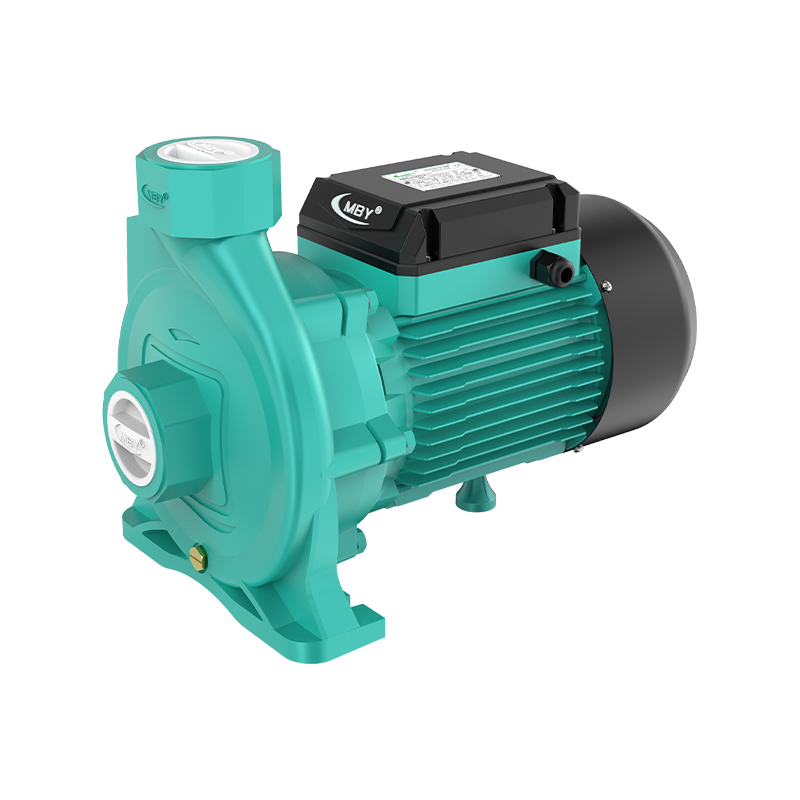
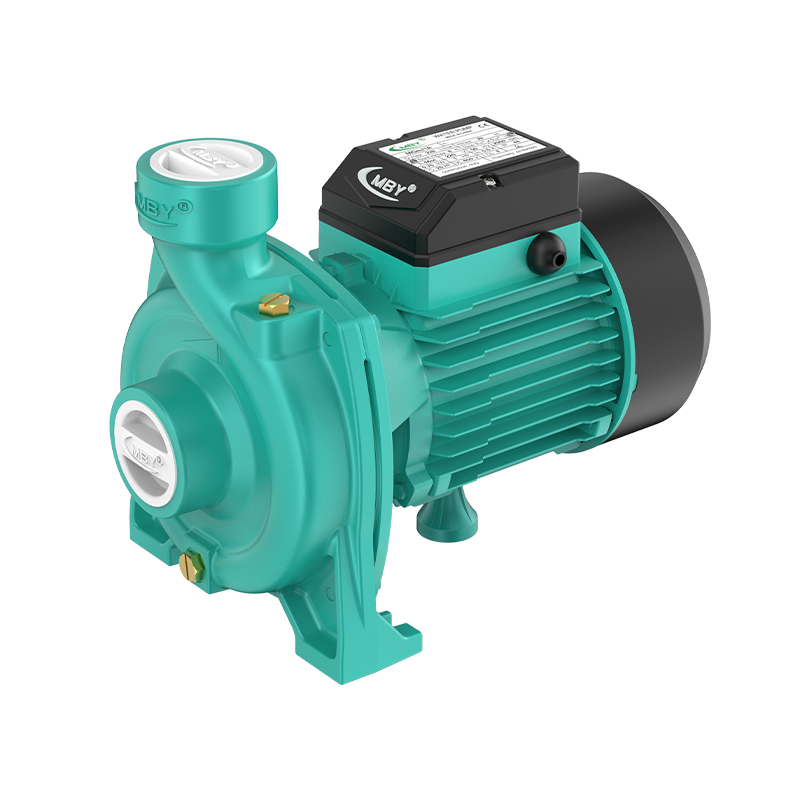
Industrial centrifugal pumps are vital in the manufacturing sector due to their ability to handle a wide range of applications, from fluid transfer to chemical processing. They use the kinetic energy from the motor to pump liquids, gases, and slurries efficiently and effectively. Below are the top ten benefits of using centrifugal pumps in manufacturing.
Centrifugal pumps are designed to provide high energy efficiency, translating to reduced operational costs. These pumps can maintain consistent pressure while minimizing energy consumption. Their ability to scale fluid flow rates without significant energy spikes makes them a preferred choice for industries aiming to lower their power usage.
Energy Efficiency of Centrifugal vs. Positive Displacement Pumps
| Feature | Centrifugal Pumps | Positive Displacement Pumps |
|---|---|---|
| Energy Consumption | Low | High |
| Operational Cost | Reduced | Higher |
| Flow Control Flexibility | High | Low |
Centrifugal pumps are known for their robust construction, which allows them to endure harsh operating conditions. Their components are resistant to corrosion, wear, and erosion, providing an extended lifespan. This longevity is particularly beneficial in industries where pump replacement can be costly and disruptive.
One of the primary advantages of centrifugal pumps is their ability to handle high flow rates. This makes them ideal for manufacturing processes that require the transport of large volumes of liquids, such as in chemical manufacturing, food processing, and oil refineries. Additionally, centrifugal pumps can be used with a wide variety of fluids, including corrosive, high-temperature, and viscous liquids.
Compared to other types of industrial pumps, centrifugal pumps require minimal maintenance. Their simple design, with fewer moving parts, reduces the potential for mechanical failure. Regular inspection and basic upkeep, such as lubrication and cleaning, are generally sufficient to ensure long-term operation.
Industrial centrifugal pumps are relatively affordable compared to other pump types. Their cost-effective nature extends to both initial installation and ongoing operation. Because they are energy-efficient and low-maintenance, the total cost of ownership is typically lower.
Centrifugal pumps come in a compact design, making them ideal for space-limited environments. Despite their small footprint, these pumps are capable of handling large capacities, providing an excellent solution for industries where space and performance need to be balanced.
Another key benefit of centrifugal pumps is their ease of integration into existing manufacturing systems. They can be easily retrofitted into current fluid handling setups without requiring extensive modifications, providing a cost-effective upgrade to outdated or inefficient pumping systems.
Unlike some positive displacement pumps that can cause pulsing flows, centrifugal pumps offer consistent and smooth fluid delivery. This continuous flow is critical in manufacturing applications where stability and precision are paramount.
Centrifugal pumps perform well under varying pressure conditions. Whether the application requires high or low pressure, centrifugal pumps can be adjusted to meet these demands, making them versatile for different stages of the manufacturing process.
The efficiency of centrifugal pumps translates not only into cost savings but also into environmental benefits. Lower energy consumption and reduced emissions help manufacturers reduce their environmental footprint. This aligns with increasing sustainability goals within the industry.
1. What are centrifugal pumps typically used for in manufacturing?
Centrifugal pumps are commonly used in fluid transfer applications, including water supply, chemical processing, and oil and gas operations.
2. How can I determine the right centrifugal pump for my system?
Choosing the right pump involves considering factors such as the fluid type, flow rate requirements, system pressure, and temperature.
3. Do centrifugal pumps require a lot of maintenance?
No, centrifugal pumps are relatively low maintenance, needing only periodic inspection, lubrication, and cleaning.
4. Can centrifugal pumps handle both liquids and gases?
Yes, centrifugal pumps are versatile and can handle various fluids, including liquids, gases, and slurries.
5. Are centrifugal pumps energy efficient?
Yes, centrifugal pumps are known for their energy efficiency, making them a cost-effective choice for industries looking to reduce operational costs.
Hot News
 Oil Immersed Submersible Electric Pump: Working Principles, Applications, and Future Trends
Sep 04, 2025
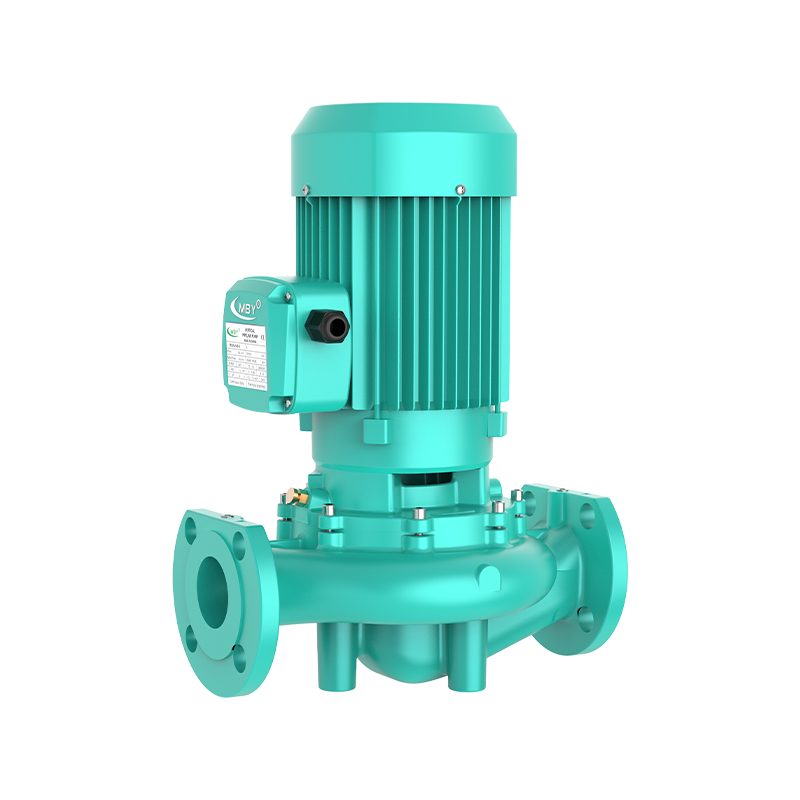 Global Pipeline Centrifugal Pump Industry Update: High-Efficiency Double Suction and Magnetic Drive Technologies Leading the Industrial Water Treatment Revolution
Sep 04, 2025
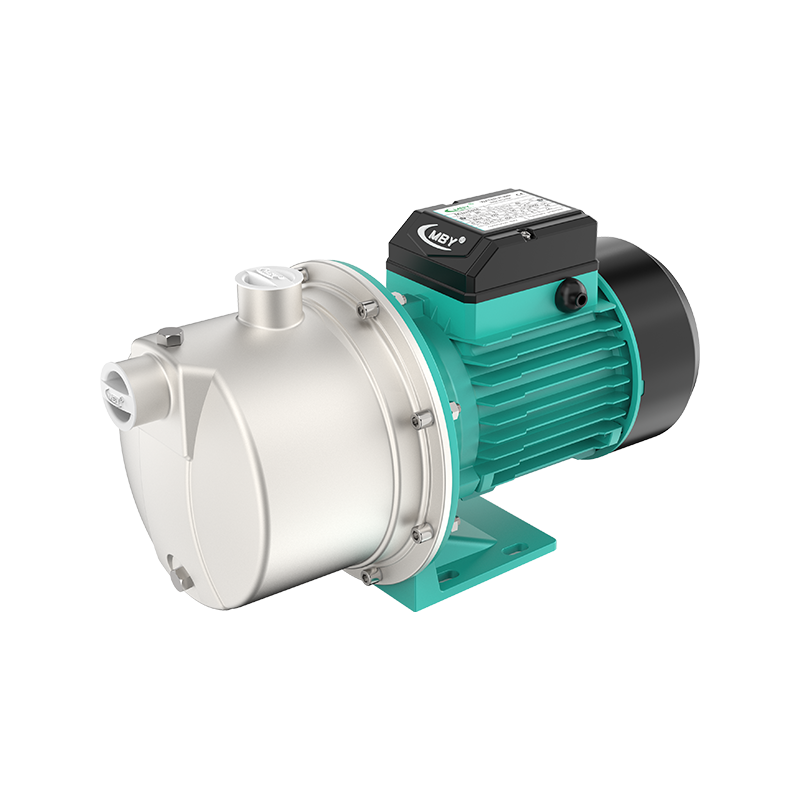 Complete Guide to Household Water Pumps: From Selection, Installation to Maintenance, Your Home's 'Water Butler'
Sep 04, 2025
 Can the intelligent automatic self-priming vortex water pump lead a new era in water management?
Sep 04, 2025
Get In Touch

Address 1:
No. 4 Taoyuan Road, Taozhou Town, Guangde City, Xuancheng City, Anhui Province, China
Address 2:
Daxi Town, Wenling City, Taizhou City, Zhejiang Province, China Pump Industry Intelligent Manufacturing Town