
 English
 русский
 Español
 Português
 عربى
عربى
 Türk
Türk








+86 18395326713
Nov 07, 2025
Industrial operations rely heavily on efficient fluid management systems. Whether in manufacturing, processing, or utility applications, the right industrial water pump is essential to maintain operational stability, energy efficiency, and equipment longevity. Selecting the proper model involves more than matching flow rates—it requires a systematic evaluation of system needs, fluid characteristics, and long-term maintenance requirements.
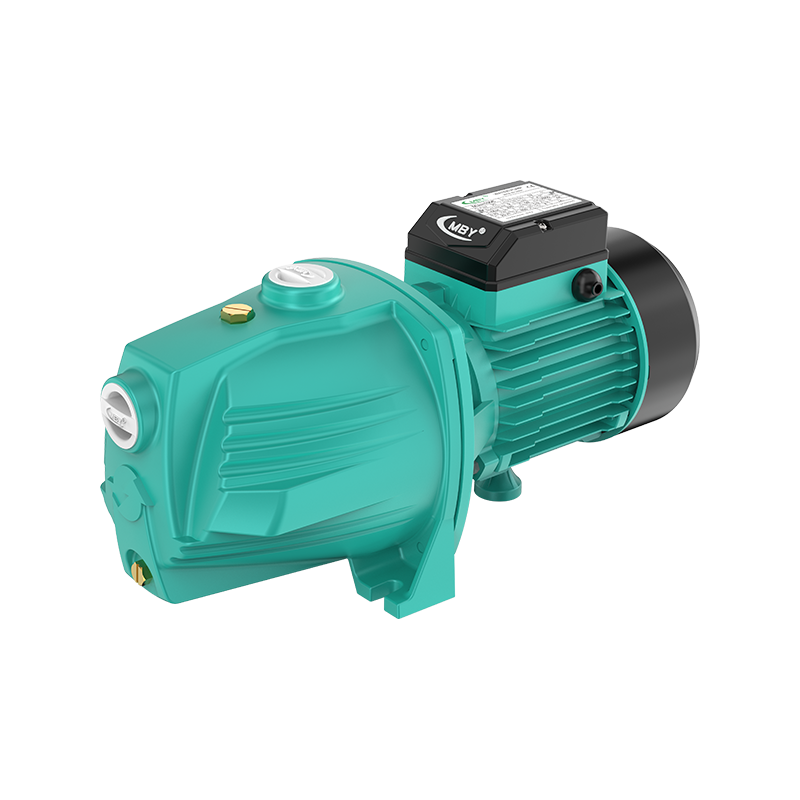
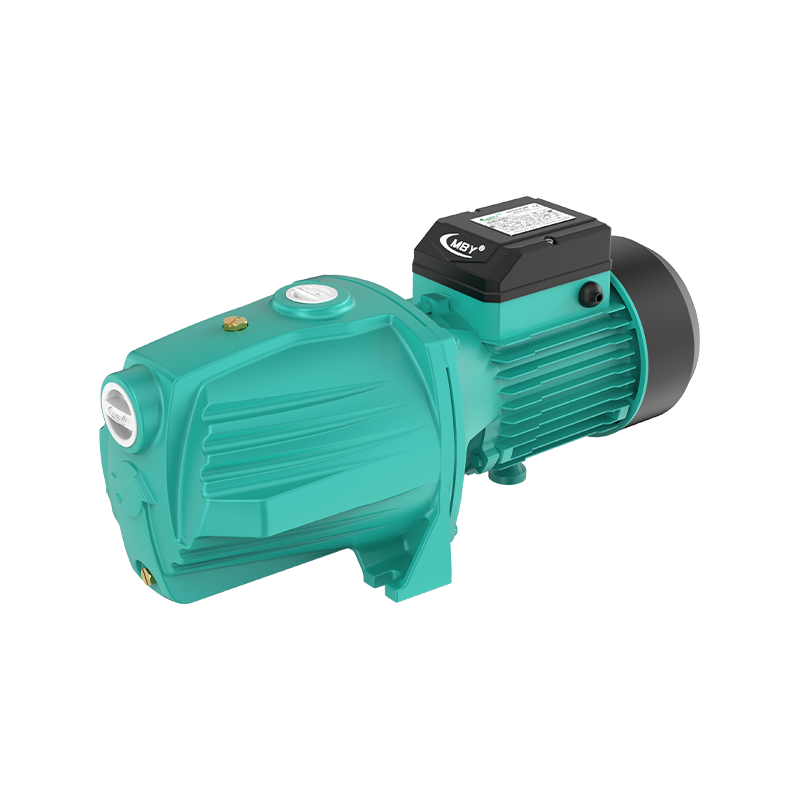
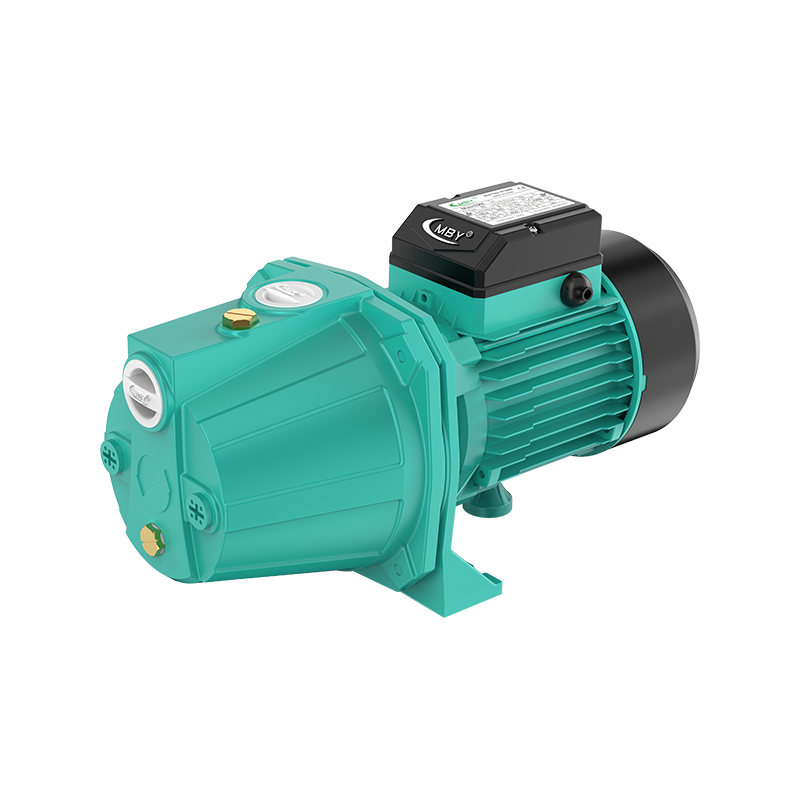
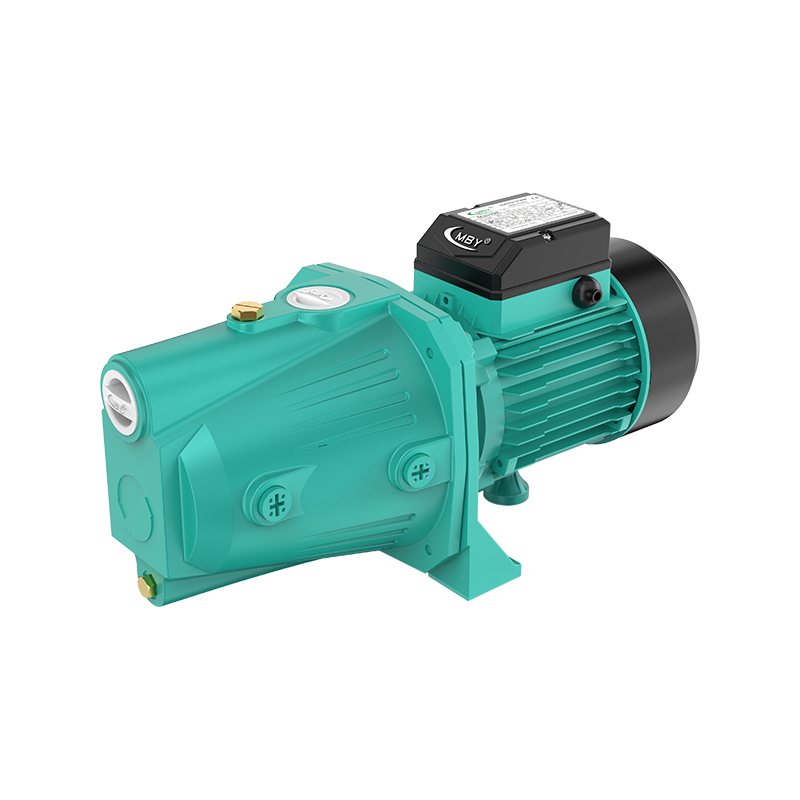
An industrial water pump is a mechanical device designed to move water and other liquids within industrial systems. It serves crucial roles such as cooling, circulation, drainage, and process support. These pumps are designed to handle varying viscosities, pressures, and flow rates while maintaining reliability under continuous operation.
Industrial water pump factory experts often emphasize that choosing a pump involves balancing hydraulic performance with material durability. The design and selection process must align with the application environment—such as temperature, chemical exposure, or abrasive content—to ensure consistent output and minimal downtime.
Before choosing the right model, it is essential to understand the main pump types available in industrial applications. Each type offers unique performance characteristics suitable for specific conditions.
| Pump Type | Description | Typical Applications | Flow Characteristics |
|---|---|---|---|
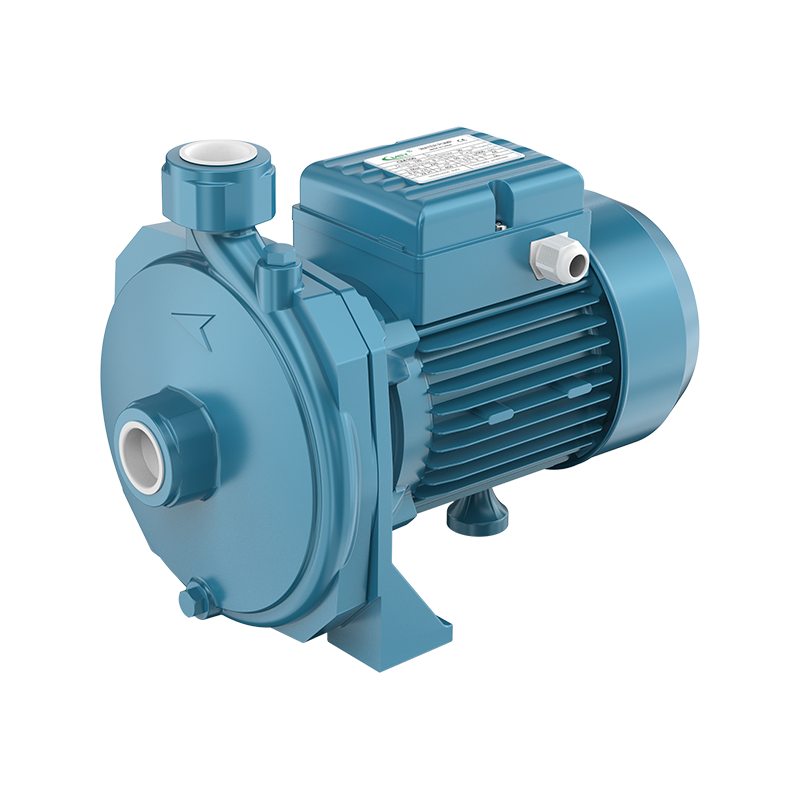
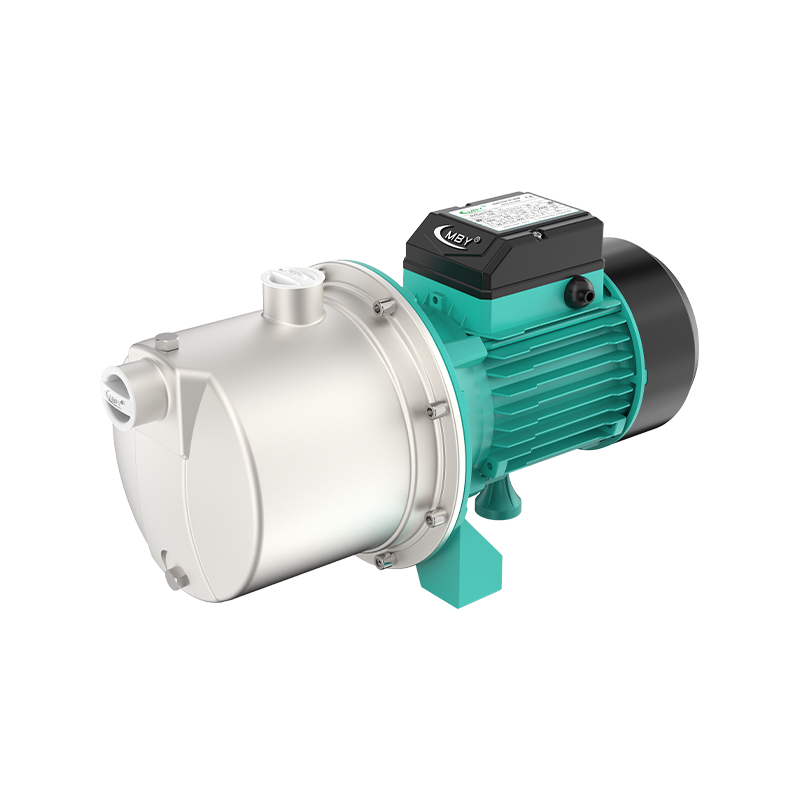
| Centrifugal Pump | Uses a rotating impeller to move water through centrifugal force | Cooling systems, irrigation, chemical processing | High flow, low to moderate pressure |
| Positive Displacement Pump | Moves a fixed volume of liquid with each cycle | Lubrication systems, fuel transfer, viscous fluids | Consistent flow regardless of pressure |
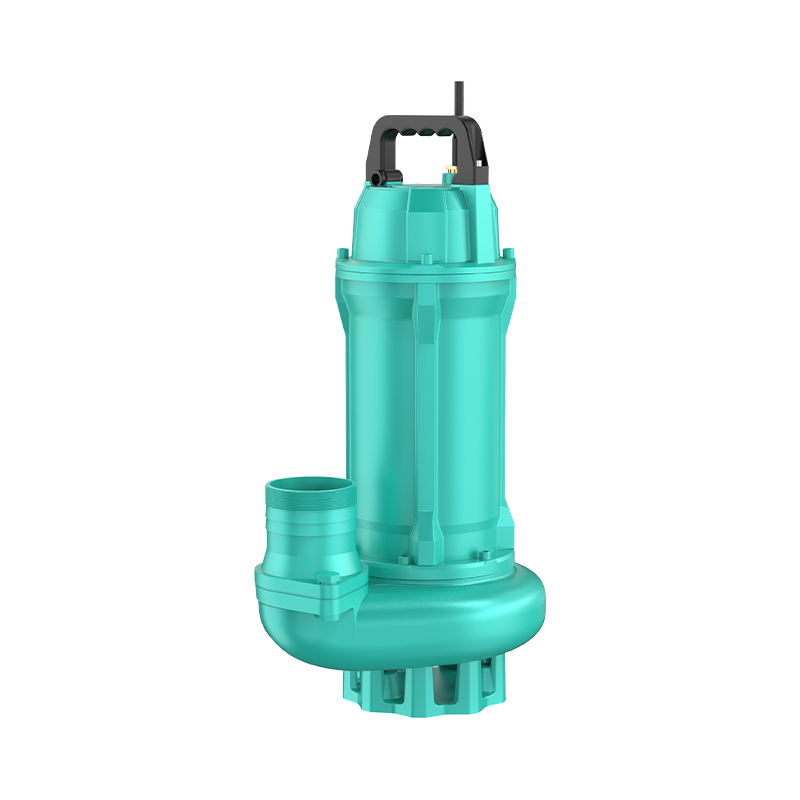
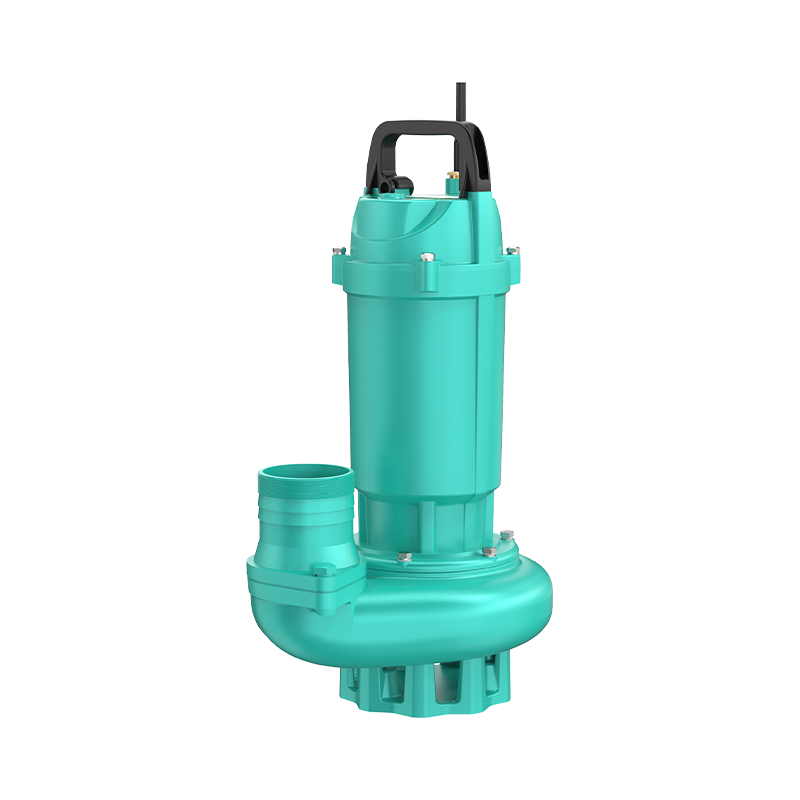
| Submersible Pump | Operates fully submerged, pushing liquid from below the surface | Drainage, wastewater treatment, dewatering | Compact design, reduced noise |
| Diaphragm Pump | Uses a flexible membrane to create suction and discharge | Chemical handling, hazardous fluids | Suitable for corrosive or abrasive liquids |
| Vertical Turbine Pump | Long shaft, ideal for deep wells or reservoirs | Municipal supply, cooling towers | Handles large volumes with efficiency |
Understanding which category aligns with your facility’s operation is the first step toward an effective selection.
Selecting the right industrial water pump requires evaluating multiple technical parameters. Oversizing or undersizing the equipment can lead to inefficiency, premature wear, or excessive energy consumption. The following factors are critical:
Flow rate determines how much water the pump can move within a given time, while head pressure measures how high the pump can push that liquid. Engineers should analyze system curves to match the pump’s operating point with system demand. A balance between flow and head ensures optimal efficiency.
The physical and chemical nature of the liquid plays a decisive role in pump material selection. For example:
Clean water can use standard cast iron or stainless steel.
Corrosive fluids require specialized coatings or non-metallic materials.
Abrasive liquids demand hardened components to resist erosion.
Industrial water pump factory specialists recommend evaluating pH level, temperature, and particulate content before finalizing material choices.
Energy consumption represents a major operational cost in most facilities. Pumps with higher efficiency ratings reduce power usage and lower the total cost of ownership. Variable frequency drives (VFDs) can also adjust pump speed based on demand, improving energy management and reducing wear.
Environmental and spatial constraints must also be considered. Submersible models are suitable where space is limited or fluid levels fluctuate, while vertical pumps may be necessary for deep or confined installations.
Accessibility and maintenance frequency should align with operational goals. Pumps designed for quick disassembly simplify repair work and minimize downtime.
The construction material determines the pump’s durability and compatibility with different fluids. Below is a simplified guide for matching materials to applications:
| Material Type | Features | Suitable Fluids |
|---|---|---|
| Cast Iron | Economical, durable | Clean water, general use |
| Stainless Steel | Corrosion-resistant | Chemicals, high-purity water |
| Bronze | Anti-corrosive, reliable in marine settings | Seawater, brine |
| Plastic or Polymer | Lightweight, resistant to certain acids | Chemical processing |
| Alloy Steel | High strength, temperature-resistant | Industrial process fluids |
Choosing the correct material minimizes corrosion, enhances service life, and maintains consistent hydraulic performance.
The industrial water pump does not operate in isolation; it interacts with pipes, valves, and control systems. Compatibility between the pump’s performance curve and the system’s hydraulic characteristics ensures efficient operation. Poor matching can cause cavitation, vibration, and seal failure.
To ensure seamless integration:
Confirm that suction and discharge conditions match pump specifications.
Validate motor and power supply compatibility.
Include pressure relief or bypass systems for safety and flow control.
Automation compatibility is also increasingly important. Pumps integrated with digital monitoring allow predictive maintenance and real-time flow adjustment, reducing unplanned interruptions.
When sourcing from an industrial water pump factory, buyers should focus on engineering standards, production quality, and after-sales support rather than brand recognition. Factories with strong quality control systems and standardized testing provide more consistent performance outcomes.
Key aspects to review include:
Compliance with international manufacturing standards.
Testing of hydraulic and mechanical performance.
Availability of replacement parts and service documentation.
Warranty and lifecycle support.
Working with a reliable industrial water pump factory ensures each component meets operational expectations and safety regulations.
Incorrect pump selection can cause operational inefficiencies and high maintenance costs. The most frequent errors include:
Ignoring fluid characteristics, leading to corrosion or clogging.
Selecting based on initial cost only, without considering lifecycle expenses.
Oversizing the pump, which reduces efficiency and increases wear.
Neglecting maintenance access, complicating service operations.
Addressing these issues early in the design stage prevents costly retrofits and system downtime.
A well-maintained industrial water pump offers extended service life and stable performance. Preventive maintenance should include:
Regular inspection of seals, bearings, and impellers.
Monitoring vibration and temperature to detect early signs of wear.
Cleaning intake filters to maintain optimal flow.
Ensuring proper lubrication of moving components.
| Maintenance Task | Recommended Interval | Purpose |
|---|---|---|
| Check alignment and vibration | Monthly | Prevent mechanical wear |
| Inspect seals and gaskets | Every 3 months | Avoid leakage and efficiency loss |
| Replace worn impellers | As needed | Maintain flow performance |
| Monitor motor amperage | Quarterly | Detect overload or imbalance |
| Full system inspection | Annually | Ensure reliability and compliance |
Routine maintenance ensures that energy and output levels remain consistent, minimizing production interruptions.
The industrial water pump market continues to evolve with advancements in efficiency and automation. Future designs will increasingly integrate smart monitoring, self-adjusting impellers, and environmentally sustainable materials. Factories are investing in manufacturing techniques that reduce waste while improving precision, aligning with modern sustainability goals.
Digital connectivity, combined with real-time performance analytics, will allow facility managers to predict failures before they occur. This evolution positions the industrial water pump not only as a mechanical component but also as an intelligent asset within industrial infrastructure.
Choosing the right industrial water pump for your facility requires a detailed understanding of both system demands and operational priorities. By assessing flow requirements, fluid properties, installation conditions, and long-term maintenance needs, you can ensure efficient and reliable fluid management.
Partnering with a qualified industrial water pump factory that prioritizes design integrity and quality control further enhances operational reliability. With thoughtful selection and ongoing maintenance, your pump system can deliver consistent performance, reduce energy consumption, and support the sustainable growth of your industrial operations.
Hot News
 Oil Immersed Submersible Electric Pump: Working Principles, Applications, and Future Trends
Sep 04, 2025
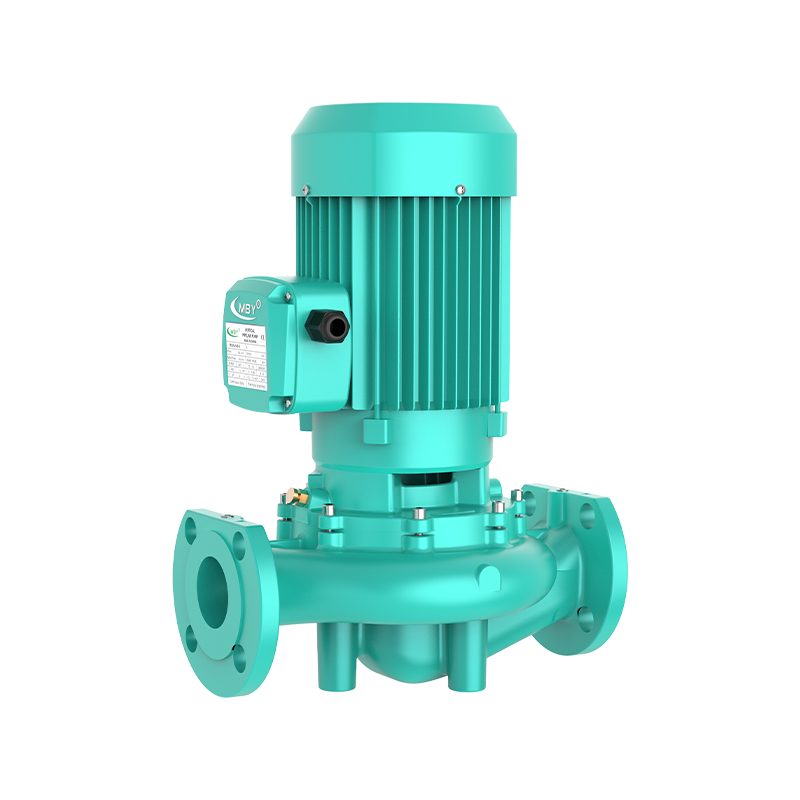 Global Pipeline Centrifugal Pump Industry Update: High-Efficiency Double Suction and Magnetic Drive Technologies Leading the Industrial Water Treatment Revolution
Sep 04, 2025
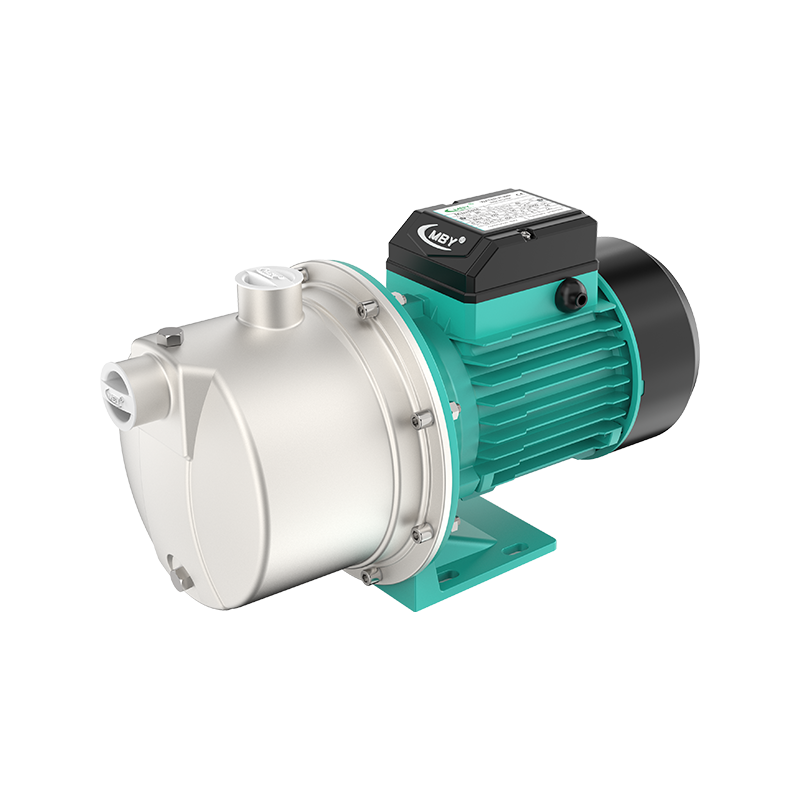 Complete Guide to Household Water Pumps: From Selection, Installation to Maintenance, Your Home's 'Water Butler'
Sep 04, 2025
 Can the intelligent automatic self-priming vortex water pump lead a new era in water management?
Sep 04, 2025
Get In Touch

Address 1:
No. 4 Taoyuan Road, Taozhou Town, Guangde City, Xuancheng City, Anhui Province, China
Address 2:
Daxi Town, Wenling City, Taizhou City, Zhejiang Province, China Pump Industry Intelligent Manufacturing Town