
 English
 русский
 Español
 Português
 عربى
عربى
 Türk
Türk








+86 18395326713
Nov 13, 2025
The industrial water pump is a critical component in many sectors, from manufacturing and power generation to chemical processing and wastewater treatment. Its performance directly influences operational efficiency, equipment reliability, and production continuity. However, industrial water pumps are subject to various factors that can significantly affect their lifespan. Understanding these factors is essential for engineers, facility managers, and maintenance teams aiming to optimize pump performance and reduce unexpected downtime.
One of the primary determinants of an industrial water pump’s durability is the materials used in its construction. The choice of material influences the pump’s resistance to corrosion, erosion, and mechanical wear. For pumps handling corrosive or abrasive fluids, using high-grade stainless steel, duplex alloys, or specially coated materials can significantly enhance longevity. Conversely, pumps made with inferior metals or unprotected components may suffer premature failure due to corrosion or cavitation.
Common Materials for Industrial Water Pump Components
| Component | Typical Material | Advantages | Limitations |
|---|---|---|---|
| Casing | Cast iron, Stainless steel | Corrosion resistance, structural strength | Heavy, higher cost for stainless steel |
| Impeller | Bronze, Stainless steel, Alloy | Wear resistance, good hydraulic efficiency | Susceptible to abrasion if improperly selected |
| Shaft | Stainless steel, Alloy steel | High tensile strength, fatigue resistance | Requires proper lubrication to prevent wear |
| Bearings | Ceramic, Stainless steel | Long service life, low friction | Sensitive to contamination |
By selecting appropriate materials, facility managers can extend the service life of industrial water pumps and reduce maintenance frequency.
The type and quality of fluid being pumped are critical factors affecting water pump lifespan. Abrasive particles, high temperatures, and chemical composition can accelerate wear and damage internal components. For example, water containing suspended solids can erode impellers and reduce hydraulic efficiency, while corrosive chemicals can degrade pump casings and seals.
Key fluid-related factors include:
Viscosity: High-viscosity fluids increase pump load and reduce efficiency.
pH levels: Extremely acidic or alkaline fluids accelerate corrosion.
Temperature: High-temperature fluids can damage seals and bearings.
Solids content: Particles in water can cause impeller erosion and clogging.
Monitoring fluid quality and employing filtration or conditioning systems can significantly enhance the durability of a water pump.
Industrial water pumps often operate under demanding conditions. Factors such as flow rate, pressure, temperature, and duty cycle have a direct impact on pump lifespan. Pumps running at non-optimal operating points may experience cavitation, excessive vibration, or overheating, all of which accelerate wear.
Operational Conditions Affecting Industrial Water Pumps
| Condition | Impact on Pump Lifespan | Mitigation Strategy |
|---|---|---|
| High flow rate | Increased mechanical stress, potential cavitation | Proper pump sizing, flow control valves |
| Low flow rate | Recirculation, overheating | Minimum flow monitoring, bypass systems |
| Frequent start-stop cycles | Bearing and seal fatigue | Soft starters, variable frequency drives |
| Temperature fluctuations | Thermal stress, seal degradation | Heat exchangers, insulation, controlled startup |
Maintaining pumps within recommended operating parameters ensures efficient performance and prolongs service life.
Preventive and predictive maintenance is one of the most effective strategies for extending the life of industrial water pumps. Neglecting routine inspections can lead to unexpected failures, downtime, and costly repairs. Key maintenance activities include:
Regular lubrication of bearings and moving parts
Inspection and replacement of worn seals and gaskets
Monitoring vibration and temperature trends
Cleaning or replacing clogged filters
Recommended Maintenance Schedule for Water Pumps
| Task | Frequency | Purpose |
|---|---|---|
| Bearing lubrication | Monthly | Reduce friction, prevent overheating |
| Seal inspection | Quarterly | Prevent leakage, avoid contamination |
| Vibration monitoring | Weekly | Detect early imbalance or misalignment |
| Impeller inspection | Annually | Check for erosion or damage |
| Filter cleaning/replacement | Monthly | Maintain fluid cleanliness, reduce wear |
Consistent maintenance reduces the risk of premature pump failure and enhances operational reliability.
Proper installation is often overlooked but is essential for water pump longevity. Misalignment between the pump and motor can cause excessive vibration, bearing wear, and seal leakage. Similarly, improper foundation or support can transmit vibrations that lead to mechanical failures.
Key installation considerations:
Ensure accurate shaft alignment with laser or dial indicators.
Use proper mounting bases to minimize vibration.
Avoid pipe strain on pump flanges to prevent casing distortion.
Verify that suction and discharge piping are correctly sized and supported.
Correct installation not only improves efficiency but also prevents stress-induced damage over the pump’s lifecycle.
Industrial water pumps are frequently exposed to harsh environmental conditions that affect their performance and lifespan. Factors such as ambient temperature, humidity, dust, and chemical exposure can accelerate component degradation. Pumps operating in outdoor or chemically aggressive environments require additional protection, such as enclosures, coatings, or cooling systems.
Environmental monitoring can provide early warnings for conditions that could negatively impact pump performance, allowing proactive measures to prevent failure.
The design of the water pump itself plays a significant role in lifespan. Different pump types (centrifugal, positive displacement, submersible, etc.) have varying durability depending on application and operating conditions. Centrifugal pumps are highly efficient for continuous high-flow applications, while positive displacement pumps handle viscous or slurry fluids more effectively.
Comparison of Common Water Pump Types
| Pump Type | Suitable Application | Durability Factors |
|---|---|---|
| Centrifugal | High-flow, low-viscosity fluids | Sensitive to cavitation, flow misalignment |
| Positive Displacement | High-viscosity fluids, metering | Wear-prone seals, requires precise maintenance |
| Submersible | Deep wells, sewage | Seal and motor insulation critical, requires debris protection |
| Diaphragm | Chemical dosing, corrosive fluids | Flexible diaphragm longevity, material compatibility |
Selecting the appropriate pump type for the specific industrial application ensures optimal performance and longevity.
Modern industrial water pumps can incorporate monitoring systems and energy-efficient designs that reduce mechanical stress and prolong life. Variable frequency drives (VFDs) allow for smoother start-ups and optimized flow control, reducing wear on bearings, seals, and impellers. Continuous monitoring of pressure, flow rate, and temperature enables predictive maintenance, minimizing unexpected failures.
By integrating smart monitoring and energy-efficient operation, facilities can achieve longer-lasting water pumps while reducing energy costs.
The lifespan of an industrial water pump is influenced by a complex interplay of material selection, fluid characteristics, operational conditions, maintenance practices, installation quality, environmental factors, pump design, and monitoring strategies. By understanding and addressing these factors, facility managers can maximize the reliability, efficiency, and longevity of their pumps.
Regular inspections, proper material selection, adherence to operational guidelines, and proactive maintenance are critical to preventing premature failures.
Key Factors Affecting Industrial Water Pump Lifespan
| Factor | Description | Preventive Measures |
|---|---|---|
| Material Quality | Corrosion and wear resistance | High-grade metals, coatings |
| Fluid Properties | Viscosity, solids, pH, temperature | Filtration, conditioning |
| Operational Parameters | Flow rate, pressure, duty cycle | Proper sizing, VFDs |
| Maintenance | Lubrication, inspection, replacement | Scheduled preventive maintenance |
| Installation | Alignment, foundation, piping | Professional setup and monitoring |
| Environmental Conditions | Temperature, humidity, dust | Protective enclosures, coatings |
| Pump Design | Type suitability | Select appropriate pump for application |
| Monitoring | Vibration, flow, temperature | Continuous monitoring and alarms |
By systematically addressing these areas, industrial operators can significantly enhance water pump longevity and reduce operational costs.
Hot News
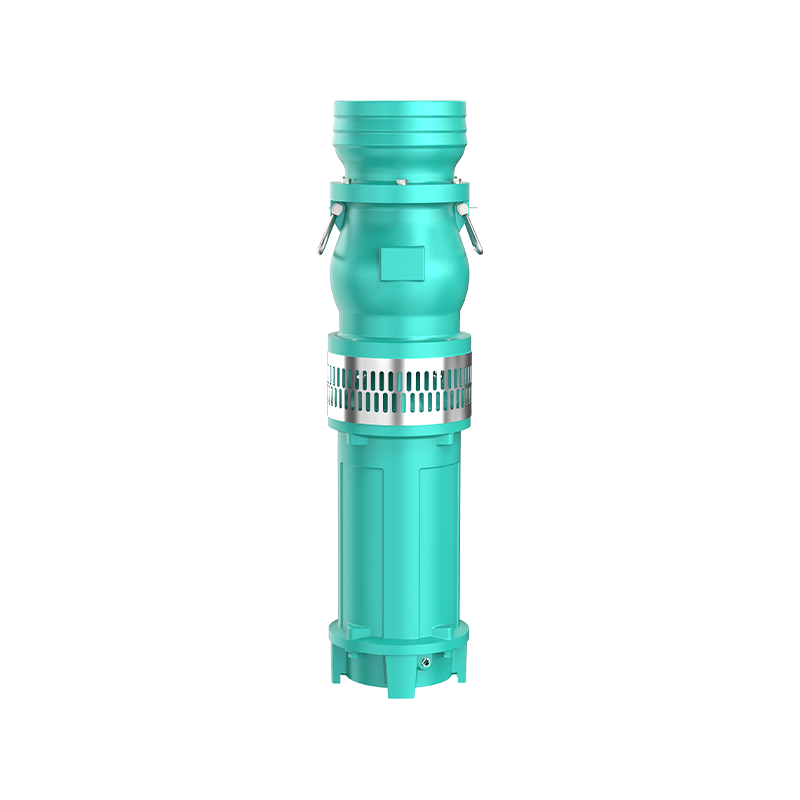 Oil Immersed Submersible Electric Pump: Working Principles, Applications, and Future Trends
Sep 04, 2025
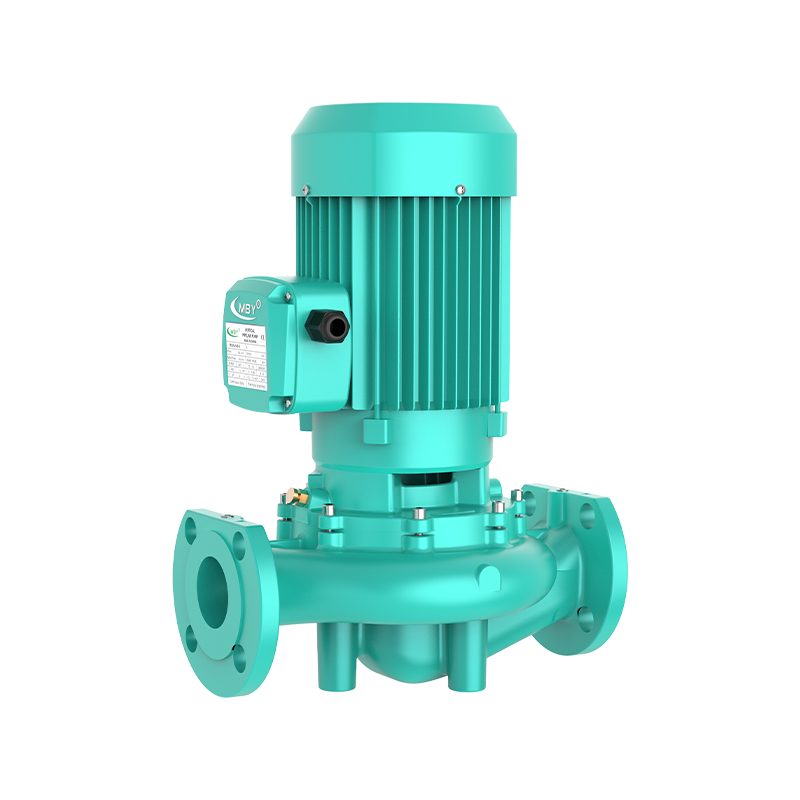 Global Pipeline Centrifugal Pump Industry Update: High-Efficiency Double Suction and Magnetic Drive Technologies Leading the Industrial Water Treatment Revolution
Sep 04, 2025
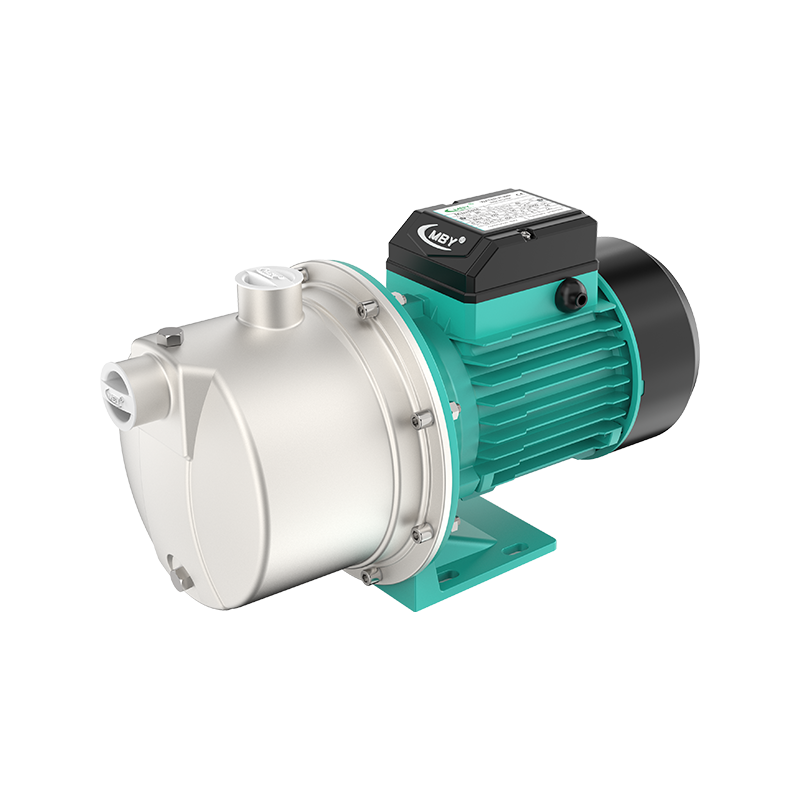 Complete Guide to Household Water Pumps: From Selection, Installation to Maintenance, Your Home's 'Water Butler'
Sep 04, 2025
 Can the intelligent automatic self-priming vortex water pump lead a new era in water management?
Sep 04, 2025
Get In Touch

Address 1:
No. 4 Taoyuan Road, Taozhou Town, Guangde City, Xuancheng City, Anhui Province, China
Address 2:
Daxi Town, Wenling City, Taizhou City, Zhejiang Province, China Pump Industry Intelligent Manufacturing Town